Coast Guard-Approved Life Jackets for Adults in Kentucky
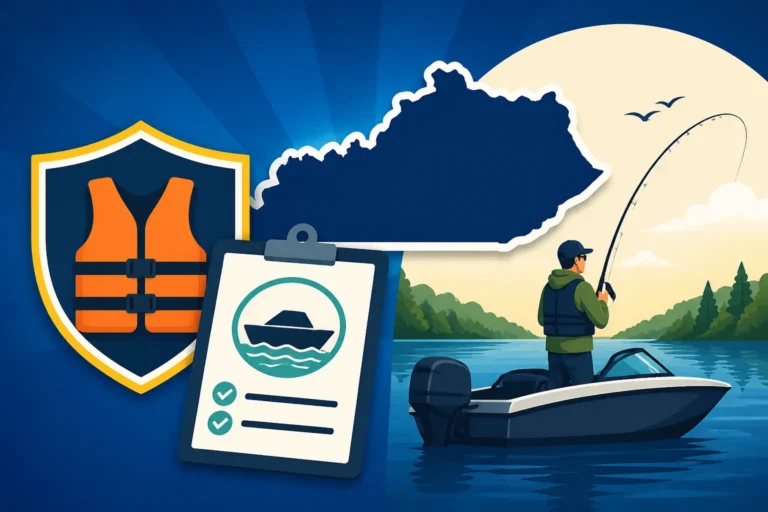
There's nothing quite like a peaceful day out on Kentucky's beautiful lakes and rivers, rod in hand, waiting for that tell-tale tug. But even when the water looks calm and inviting, accidents can happen in an instant. Too often, we hear stories of anglers who thought they were safe, only to find themselves in a dangerous situation. That's why having the right safety gear, especially a Coast Guard-approved life jacket, isn't just a suggestion for adults—it's a critical component of responsible fishing. This guide will walk you through everything you need to know about choosing, understanding, and maintaining Coast Guard-approved life jackets for adults here in Kentucky, ensuring your time on the water is as safe as it is enjoyable.
Why Coast Guard Approval is Non-Negotiable
When you see a life jacket labeled "Coast Guard-approved," it means something significant. It's not just a marketing slogan or a generic term; it signifies that the device has undergone rigorous testing and meets strict safety and performance standards set by the U.S. Coast Guard. These standards cover everything from buoyancy levels and material durability to how effectively the jacket will turn an unconscious person face-up in the water. Without this approval, a flotation device might offer some buoyancy, but there's no guarantee it will perform when you need it most. It's the difference between a pool noodle and a piece of life-saving equipment.
Think about it this way: when you're driving your truck to your favorite fishing spot on Lake Cumberland, you expect the airbags and seatbelts to work, right? You don't question if they've been tested. A Coast Guard-approved life jacket is your personal safety system on the water, and you absolutely want that assurance. Anything less is simply a gamble with your well-being.
Understanding Different Life Jacket Type Levels
The Coast Guard doesn't just give a blanket "approved" sticker; they categorize life jackets into different types, each designed for specific conditions and activities. Understanding these types is crucial for choosing the right one for your adult fishing adventures in Kentucky. These types dictate how much buoyancy a life jacket provides and its intended use, whether you're on calm waters or braving rougher conditions.
- Type I: Offshore Life Jackets. These are the heaviest-duty life jackets, designed for extended survival in rough, open, or remote waters where rescue may be delayed. They offer the most buoyancy (at least 22 lbs for adults) and are designed to turn most unconscious wearers face-up in the water. While highly effective, they are bulky and not typically comfortable for active fishing. You might see these on commercial vessels or in deep-sea environments, but they're overkill for most Kentucky fishing.
- Type II: Near-Shore Buoyant Vests. A bit less bulky than Type I, these vests are intended for general recreational boating in calm, inland waters where rescue is likely to be quicker. They provide at least 15.5 lbs of buoyancy and are still designed to turn most unconscious wearers face-up, though not always as reliably as a Type I in rough conditions. They offer a good balance of safety and mobility for many anglers on Kentucky's larger lakes.
- Type III: Flotation Aids. This is by far the most popular type for recreational boating and fishing, especially for adults. Type III devices are designed for continuous wear and offer comfort and freedom of movement, providing at least 15.5 lbs of buoyancy. However, they are not designed to turn an unconscious wearer face-up. You have to actively tilt your head back to keep your face out of the water. For an adult angler who is conscious and able to help themselves, these are excellent for all-day wear on most Kentucky waters, from the Ohio River to Taylorsville Lake.
- Type IV: Throwable Devices. These are not meant to be worn. Think of a ring buoy or a boat cushion. They provide at least 16.5 lbs of buoyancy and are designed to be thrown to a person in the water to hold onto. While required on many boats in addition to wearable PFDs, they are not a substitute for a wearable life jacket, especially for active fishing.
- Type V: Special Use Devices. These are designed for specific activities and must be worn to be considered Coast Guard-approved. They range from work vests to kayaking vests and even some inflatable PFDs. They often offer specialized features for a particular activity while still meeting the buoyancy requirements of a Type I, II, or III. For example, a fishing vest with built-in flotation (often called a Type V/III hybrid) would fall into this category. The important thing with a Type V is to read its label carefully to understand its limitations and specific approval conditions.
The Legal Side of Approval in Kentucky
Kentucky boating laws, much like those across the country, are very clear about life jacket requirements. While adults are not always legally required to wear a life jacket while fishing from a boat (unless certain conditions apply, like being on a personal watercraft or tubing), you must have a readily accessible Coast Guard-approved life jacket for every person on board your vessel. This applies whether you're on a massive pontoon on Kentucky Lake or a small Jon boat on the Green River.
"Readily accessible" means it shouldn't be stowed away in a locked compartment under a pile of gear. It needs to be within easy reach, ready to be put on or thrown to someone in an emergency. Imagine hitting a wake or an unexpected submerged object and being thrown overboard. Every second counts. If your life jacket is buried, it might as well not be there at all. For those on personal watercraft (PWC), the rules are stricter: everyone on a PWC must wear a Coast Guard-approved life jacket. You can learn more about specific requirements in our guide Kentucky Life Jacket Rules for Personal Watercraft Riders and Life Jacket Requirements for Every Boat Occupant in Kentucky. It's a small precaution that can make all the difference.
Choosing the Right Adult Life Jacket for Kentucky Waters
Picking a life jacket isn't a "one size fits all" decision, especially for adults who spend hours on the water. It's about finding the balance between safety, comfort, and suitability for your specific type of fishing and the waters you frequent in Kentucky. An ill-fitting or uncomfortable life jacket is one that an adult is less likely to wear, and an un-worn life jacket offers no protection.
Comfort and Fit for Long Days
For us anglers, comfort is paramount. We spend long hours casting, reeling, and often moving around the boat or shore. A bulky, chafing life jacket quickly becomes a nuisance, tempting you to take it off. This is where features like multiple adjustment straps, breathable fabrics, and flexible designs really shine.
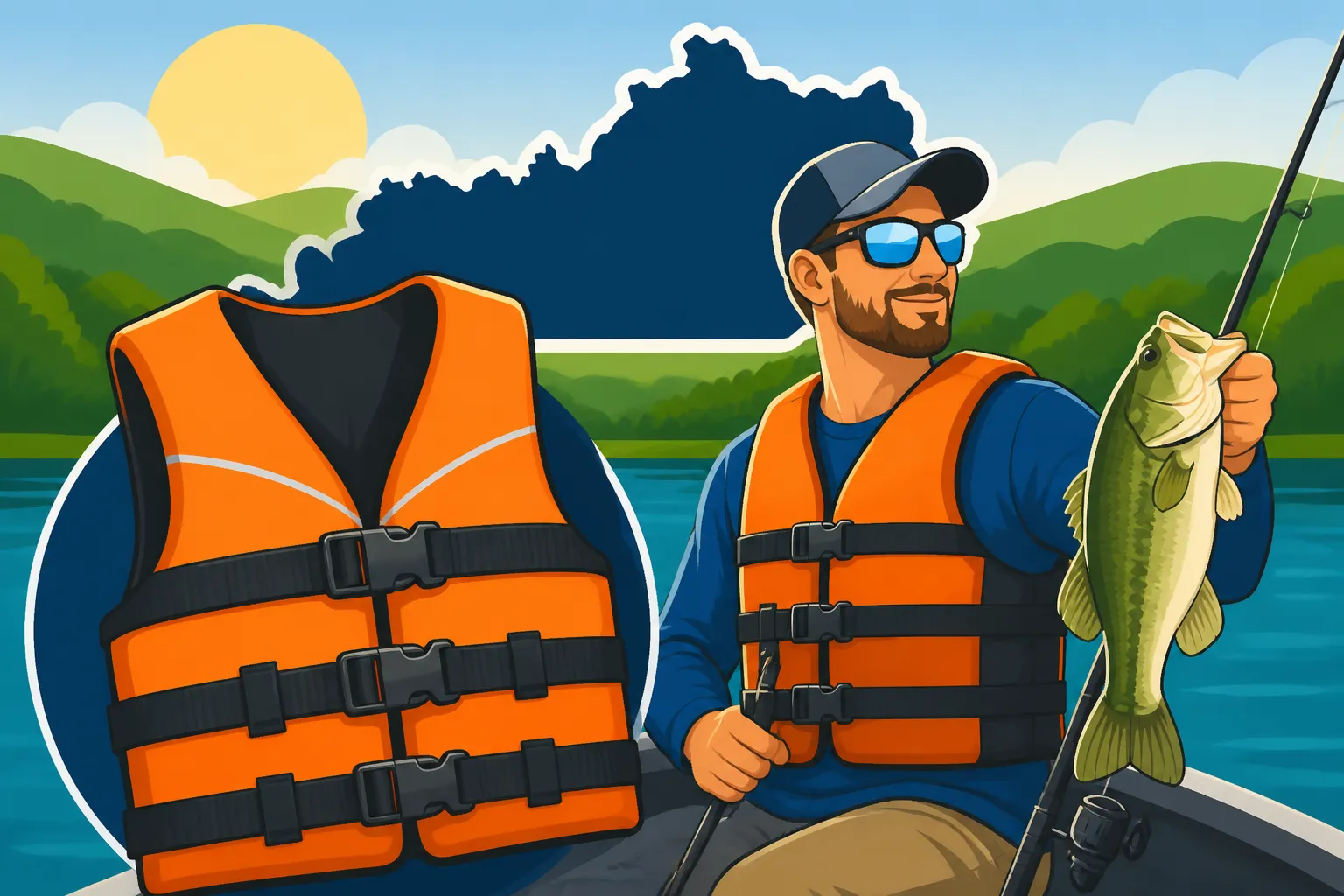
When you're trying one on, make sure it fits snugly but doesn't restrict your movement. You should be able to raise your arms, cast a line, and sit comfortably. If it rides up around your ears when you try to lift it by the shoulders, it's too loose. Many anglers prefer a Type III flotation aid because it's designed for continuous wear. Look for vests with mesh panels for ventilation, especially during Kentucky's hot summer months. Brands like Bass Pro Shops offer a wide array of options, and their staff can often help you with proper sizing. Don't be shy about trying several on; your safety and comfort are worth the effort.
Activity-Specific Considerations
The best life jacket for you depends heavily on how and where you fish in Kentucky.
- Bank Fishing/Shoreline Angling: If you're staying on solid ground, a life jacket might not be mandatory, but if you're near swift currents or deep drop-offs, especially alone, it's a smart idea. A simple, comfortable Type III vest works well here.
- Boat Fishing (Lakes like Kentucky Lake, Lake Barkley): For bigger water and longer trips, a comfortable Type III is usually the go-to. If you're concerned about rough weather or less immediate rescue, a Type II offers a bit more security in turning you face-up. Many fishing-specific vests incorporate storage pockets, making them super convenient for holding tackle, a pair of pliers, or your phone.
- Kayak or Canoe Fishing (Rivers, smaller lakes): Here, mobility is key. You'll want a vest with high-back flotation that won't interfere with your kayak seat, and large armholes for paddling. Many Type V special-use vests are designed specifically for paddle sports, offering enhanced freedom of movement and often more pockets. Check out our guide on Best Life Jackets for Kayak Fishing for more tailored advice.
- Fly Fishing (Wading streams): While not typically mandatory, if you're wading in swift currents or deep holes, a low-profile vest can add a layer of safety. Some fly fishing vests have integrated flotation, offering both tackle storage and buoyancy.
- Night Fishing: Visibility becomes a major concern. Look for life jackets with reflective strips, especially if you're on the water after dark.
Here's a quick comparison of suitable life jacket types for different fishing scenarios in Kentucky:
| Fishing Activity | Recommended USCG Type(s) | Key Features for Adults | Pros | Cons |
|---|---|---|---|---|
| Big Lake Boat Fishing | Type II, Type III, Type V | Comfort, multiple pockets, D-rings, breathable materials | Good balance of safety & mobility; ample storage | Type II can be slightly bulky for casting |
| River/Stream Boat Fishing | Type III, Type V | Good mobility, secure fit, high visibility (optional) | Allows freedom of movement, comfortable for active fishing | Not designed to turn unconscious wearers face-up |
| Kayak/Canoe Fishing | Type III, Type V | High-back design, large armholes, storage pockets, hydration | Ergonomic for paddling, doesn't interfere with seat | May offer less buoyancy than Type I/II |
| Bank/Shore Fishing | Type III (optional) | Lightweight, comfortable for walking, minimal bulk | Unobtrusive, can be worn for extended periods on shore | Not always necessary; only provides protection if worn |
| Night Fishing | Type III, Type V | Reflective accents, bright colors (for daytime) | Increased visibility for rescuers | Reflective elements can degrade over time with wear |
| Cold Weather Fishing | Type III, Type V | Worn over layers, good insulation, secure fit | Can offer added warmth; designed to fit over winter clothing | May feel bulkier; need to ensure proper sizing with layers |
Inflatable vs. Inherently Buoyant
Another big decision for adult anglers is whether to go with an inflatable life jacket or a traditional, inherently buoyant one.
- Inherently Buoyant (Foam) Life Jackets: These are your classic life jackets, filled with foam that provides permanent flotation. They're always ready to go, require no activation, and are generally more affordable. They come in various styles (vests, jackets) and are very durable. The main drawback for some adults is their bulk, which can be perceived as restrictive, especially on hot days. However, for reliability, they can't be beaten.
- Inflatable Life Jackets: These offer a much sleeker, less bulky profile. They either inflate automatically upon immersion in water (hydrostatic or water-activated) or are manually inflated by pulling a cord. They are incredibly popular with anglers because they allow for complete freedom of movement and are barely noticeable until needed. The trade-off? They require more maintenance. You need to periodically check the CO2 cartridge and ensure it's armed and ready. They also typically cost more upfront. You'll find these often preferred by adult anglers who prioritize unrestricted movement on big water bodies. Just remember, an inflatable only works if it's properly maintained and worn. Most inflatable PFDs are considered Type V devices that convert to a Type II or Type III when inflated. Make sure to understand the specific requirements for your chosen inflatable. You can find excellent options and detailed product descriptions on sites like Amazon, allowing you to compare features and read reviews before making a purchase.
Maintaining Your Life Jacket for Lasting Safety
A Coast Guard-approved life jacket is an investment in your safety, and like any important piece of gear, it needs proper care and maintenance to ensure it performs when you need it most. Neglecting your life jacket can reduce its effectiveness, turning a life-saving device into little more than a bulky vest.
Regular Inspections for Wear and Tear
Before every season, and periodically throughout the year, give your life jacket a thorough once-over. This routine check is critical, much like checking the oil in your truck before a long drive.
- Check for Rips, Tears, and Holes: Examine the fabric carefully. Even small tears can compromise the integrity of the jacket, especially with foam PFDs, or snag on equipment.
- Inspect Seams and Stitching: Look for loose threads or areas where seams are starting to come apart. Weakened stitching can lead to foam displacement or even the jacket falling apart in the water.
- Examine Straps, Buckles, and Zippers: Make sure all straps are securely attached and not frayed. Buckles should click firmly into place and not show signs of cracking or breaking. Zippers should glide smoothly and fully close. These are crucial for a proper fit.
- Test for Buoyancy (Foam PFDs): Over time, the foam in inherently buoyant life jackets can degrade, become compressed, or absorb water, reducing its flotation. A good test is to put the jacket on, wade into shallow water up to your chest, relax, and see if it keeps your chin above the water. If it doesn't, it might be time for a replacement.
- Check Inflatable PFDs: For inflatable models, inspect the CO2 cartridge for corrosion or punctures, ensure the inflation mechanism is armed (often indicated by a green tab), and check the oral inflation tube for leaks. It's also recommended to periodically inflate the vest manually and let it sit for a few hours to ensure it holds air.
If you find any significant damage, or if the life jacket fails the buoyancy test, it’s time to replace it. Don't try to repair major damage; its performance cannot be guaranteed.
Cleaning and Storage Tips
Proper cleaning and storage will extend the life of your life jacket significantly.
- Rinse After Use: After each trip, especially if you've been in saltwater (though most Kentucky fishing is freshwater, boaters sometimes travel) or murky water, rinse your life jacket with fresh water. This removes dirt, fish slime, and any lingering odors.
- Gentle Cleaning: If it needs more than a rinse, use a mild soap and water, scrubbing gently with a soft brush or sponge. Avoid harsh detergents, bleach, or strong chemicals, as these can degrade the fabric and flotation material.
- Air Dry Thoroughly: Always hang your life jacket to air dry completely in a well-ventilated area, out of direct sunlight. Sunlight and excessive heat can cause the material to break down and fade over time. Never store a damp life jacket, as this encourages mildew growth, which not only smells terrible but also damages the fabric.
- Proper Storage: Once dry, store your life jacket in a cool, dry place away from direct sunlight, extreme temperatures, and chemicals. Avoid compressing it tightly for long periods, as this can reduce the foam's buoyancy over time. Don't leave it lying on the deck of your boat exposed to the elements all season.
Taking these steps ensures your Coast Guard-approved life jacket remains a reliable piece of safety equipment, ready to protect you on your next Kentucky fishing adventure.
Where to Find Approved Adult Life Jackets
Finding a Coast Guard-approved life jacket for adults in Kentucky is generally quite easy, but it pays to know where to look and what to prioritize in your search. You want convenience, selection, and the ability to make an informed choice.
Shopping for Your Safety
Whether you prefer to shop in person or online, there are plenty of options available to ensure you get a quality, approved life jacket.
- Local Sporting Goods Stores: Places like Bass Pro Shops are excellent resources. They typically have a wide selection of life jackets in various types, sizes, and styles. The biggest advantage of shopping in person is the ability to try on different vests. This is crucial for adults, as fit and comfort are paramount for all-day wear. You can feel the materials, check the adjustability, and ensure it doesn't restrict your casting or movement. Plus, you can often get advice from knowledgeable staff about the different types and what might suit your specific fishing needs on Kentucky's diverse waters.
- Big Box Retailers: Many larger retailers that carry fishing and boating supplies will also stock a selection of Coast Guard-approved life jackets. While the selection might not be as specialized as a dedicated sporting goods store, you can often find reliable, basic options suitable for general boating and fishing.
- Online Retailers: Websites like Amazon offer an enormous variety of life jackets from countless brands. The advantage here is the sheer selection and the ability to read customer reviews, which can provide valuable insights into comfort and durability. However, the downside is you can't try it on. If ordering online, be meticulous about checking sizing charts and understanding return policies, especially if you're unsure about the fit. If you already know your size and preferred type, online shopping can be a very convenient way to compare features and find competitive prices.
What to Look For When Buying
When you're ready to make your purchase, always keep these critical points in mind:
- Coast Guard Approval Label: This is the absolute non-negotiable. Every approved life jacket will have a clear label indicating its USCG approval, its type (I, II, III, IV, V), and often its intended use and weight range. Double-check this label before you buy. If you don't see it, or if it looks suspicious, walk away.
- Proper Sizing: Adult life jackets are typically sized by chest circumference and weight. Do not guess your size. Measure your chest at its largest point and compare it to the manufacturer's sizing chart. Remember, a life jacket that is too big can ride up and be ineffective, while one that's too small will be uncomfortable and might not provide adequate flotation. Our article on How to Choose the Right Life Jacket Size for Kids also touches on the importance of fit, a principle that applies equally to adults.
- Comfort and Mobility: As we've discussed, if it's uncomfortable, you won't wear it. Flex your arms, twist your torso, and simulate casting motions. Ensure there's no chafing or excessive bulk that hinders your movements.
- Material Quality: Look for durable, rip-resistant fabrics and strong stitching. Check the quality of the zippers and buckles. Investing in a well-made life jacket means it will last longer and perform better.
Choosing the right Coast Guard-approved life jacket for adults isn't just about following the law; it's about making a conscious decision to prioritize your safety and peace of mind on Kentucky's beautiful but unpredictable waters. Happy fishing, and stay safe out there!
Disclaimer
This article is for general informational purposes only and does not constitute professional advice. Laws, prices and regulations vary by location and change over time. Consult a qualified professional for guidance on your specific situation.