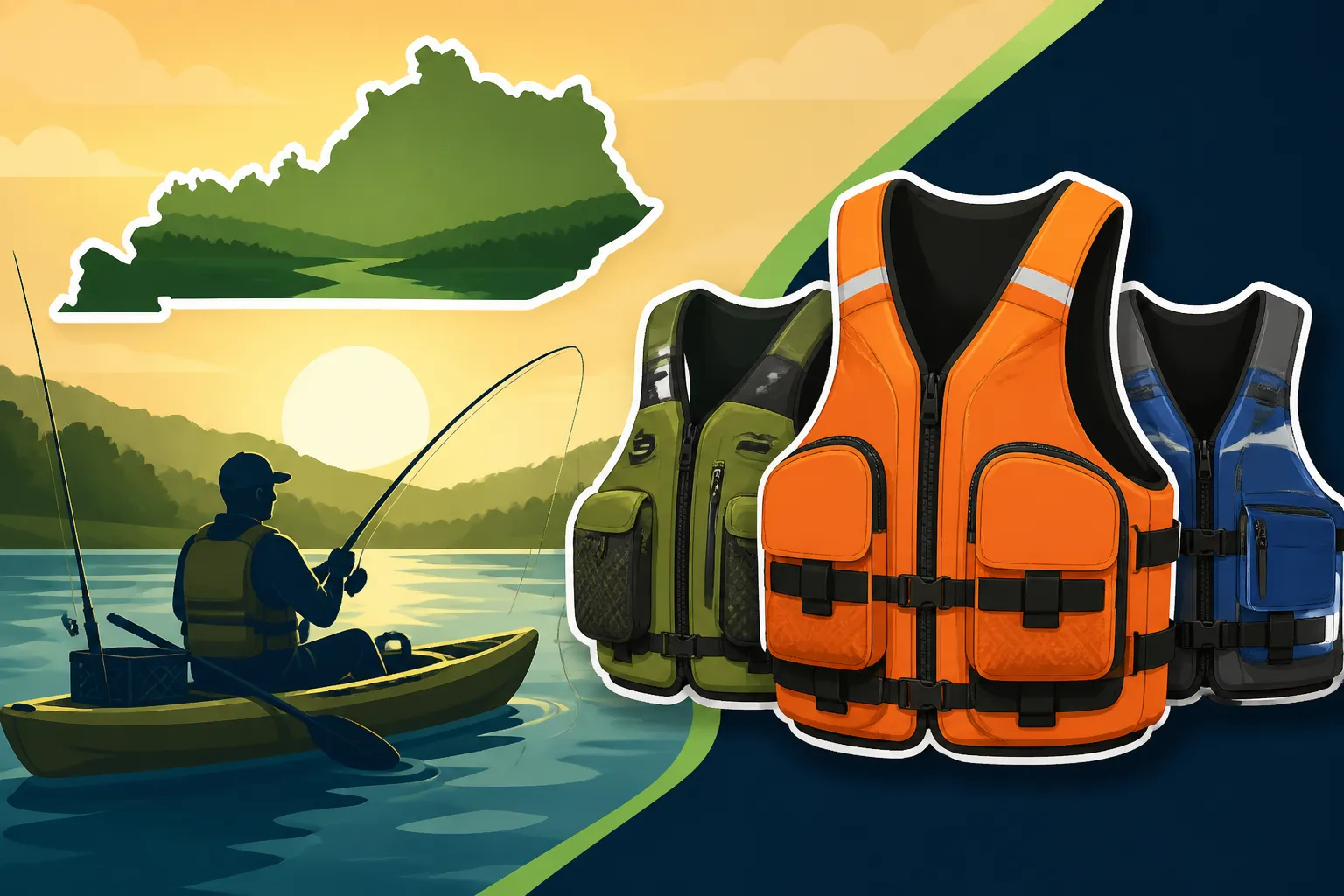
Best Life Jackets for Kayak Fishing
There’s nothing quite like the freedom of kayak fishing in Kentucky, gliding quietly across a placid lake or navigating a winding river. But that peaceful experience can quickly turn frustrating if your life jacket is constantly riding up, chafing your neck, or getting caught on your seat back. Finding the perfect life jacket isn't just about safety; it's about comfort and functionality that enhances your time on the water, and this guide will walk you through exactly what to look for to make your next trip a joy, not a struggle.
Why Kayak Fishing Demands a Special Life Jacket
When you’re out on the water in a kayak, whether you're chasing bass on Lake Barkley or trout on Lake Cumberland, you quickly realize that a standard bulky life jacket just doesn't cut it. Kayak fishing is a unique pursuit that presents its own set of challenges, and your personal flotation device (PFD) needs to be up to the task. It's not just about floating; it's about being able to fish effectively, paddle efficiently, and stay comfortable for hours on end.
The Unique Challenges of Kayak Fishing Safety
Let's be real: kayaks are inherently less stable than a bass boat, and flipping over, especially in colder water or strong currents, is a very real possibility. A traditional vest-style PFD designed for a powerboat might keep you afloat, but its bulk can make re-entering a kayak a monumental task, especially if you’re alone or in deep water. Imagine trying to hoist yourself back into your kayak with a life jacket bunching up around your ears – it’s a recipe for exhaustion and panic. The compact nature of a kayak also means you're sitting closer to the water, and often with less freeboard, making splashes and unexpected dunkings more common.
Beyond the immediate safety of flotation, there's the long game of prevention. Kayak anglers spend extended periods in a seated position, paddling and casting. A PFD that restricts arm movement or constantly rubs against your neck isn't just annoying; it can lead to fatigue, muscle strain, and distraction from the important task of fishing. And let's not forget Kentucky's summer heat; a heavy, poorly ventilated life jacket can quickly turn a beautiful day into an oppressive, sweaty ordeal, tempting anglers to take it off – which, of course, negates its entire purpose. You need something that feels like an extension of your gear, not a burden.
Comfort and Functionality: Not Just for Safety
For kayak fishing, comfort and functionality aren't luxuries; they're integral to safety and success. A life jacket that fits well and offers smart features will be worn consistently, which is the most critical safety factor of all. Think about it: if your PFD is designed with a high back, it won't push up against the top of your kayak seat, preventing that annoying ride-up that can make a long day of fishing unbearable. This allows for full back support from your seat, which is a game-changer for posture and preventing aches.
Furthermore, kayak anglers carry a lot of small gear – pliers, line cutters, lures, maybe a phone or a small camera. A dedicated kayak fishing PFD often integrates pockets and attachment points right into its design, keeping essential tools within easy reach. This frees up space in your kayak, reduces clutter, and ensures you're not fumbling around for what you need when a fish is on the line. It's about seamless integration into your fishing process, allowing you to focus on the bite rather than battling your gear. A well-designed PFD truly becomes part of your fishing system, enhancing both your safety and your enjoyment on Kentucky's diverse waters. Don't forget to review the Kentucky Boating Safety Gear Checklist to ensure you have everything else you might need on board.
Key Features to Look For in a Kayak Fishing PFD
Choosing the right life jacket for kayak fishing isn't a one-size-fits-all decision, but there are some universal features that elevate a PFD from just "okay" to "absolutely essential" for kayak anglers. These are the details that separate a truly comfortable and functional piece of gear from a hindrance. From how it sits on your body to how it helps you manage your fishing tools, these features make all the difference when you're spending hours on the water.
Design and Fit: High Back, Thin Profile, and Adjustability
The absolute cornerstone of a good kayak fishing PFD is its design around your seated position. Traditional life jackets often have a thick foam panel that extends low on the back, which, when you sit in a kayak seat (especially those with a high back), pushes the entire PFD upwards. This results in the front riding up around your chin, restricting head movement, obstructing your view, and generally making you miserable. The solution? A high-back design. These PFDs either have thin padding on the lower back or no padding at all, allowing them to rest comfortably above the kayak seat back. This means the PFD stays in place, providing proper flotation without interference.
Equally important is a thin profile, particularly around the shoulders and arms. Kayak fishing involves a lot of paddling and casting, which requires a full range of motion. Bulky shoulder straps or thick armholes can chafe or restrict your swing, leading to fatigue and poor casting accuracy. Look for PFDs with sculpted foam, articulated panels, or mesh in these areas to maximize mobility. Finally, adjustability is key. Even the best-designed PFD needs to fit your body perfectly. Multiple adjustment points – on the shoulders, sides, and waist – allow you to cinch the jacket down for a snug, secure fit that won't ride up when you paddle or swim. This customizable fit ensures comfort and safety, allowing you to focus on the fishing rather than your PFD. Remember to check regulations like Life Jacket Rules for Boats in Kentucky to ensure compliance with all legal requirements.
Pockets, Gear Attachment, and Hydration
Kayak anglers are like pack mules; we need to carry a lot of small, essential items, and a well-designed PFD can be a mobile tackle box. Look for multiple pockets, preferably strategically placed on the chest, away from paddle strokes. Zippered pockets are excellent for securing small tackle boxes, soft plastics, or your fishing license. Mesh pockets can be handy for quick-access items that can get wet, like a measuring tape or a small bait towel. Some high-end kayak fishing PFDs even feature tool attachment points, like D-rings or Hypalon patches, perfect for retractors that keep pliers, line nippers, or a whistle securely tethered and within arm's reach.
Beyond just holding gear, a truly functional kayak PFD often incorporates hydration solutions. Many models feature a large back pocket designed to hold a hydration bladder, allowing you to sip water through a tube without having to reach for a bottle in the kayak. This is a huge benefit on long, hot days on Kentucky's waterways, preventing dehydration without interrupting your fishing flow. Some also have built-in rod holder loops or small pockets for a knife, ensuring you have every tool at your disposal without creating clutter in the limited space of your kayak. These features significantly enhance convenience and safety, making your time on the water more productive and enjoyable. You can often find a wide selection of PFDs with these features at outdoor retailers like Bass Pro Shops or through online stores like Amazon.
Material, Buoyancy, and Ventilation
The materials used in a kayak fishing PFD are crucial for comfort, durability, and performance. Nylon is a common outer shell material, offering good abrasion resistance and quick-drying properties. For inner linings, soft mesh or neoprene can enhance comfort against the skin, especially when wet. Stitching should be robust and reinforced, particularly at stress points. When it comes to buoyancy, most kayak fishing PFDs are Type III, meaning they provide at least 15.5 pounds of flotation and are designed for calm, inland waters where rescue is likely to be prompt. This type of PFD is comfortable for continuous wear, which is exactly what you need for kayak fishing. Always check that the PFD is Coast Guard-approved.
Ventilation is another critical factor, especially during Kentucky's humid summers. Look for PFDs that incorporate mesh panels, particularly on the sides, shoulders, and lower back, to allow air to circulate. Some designs use thinner foam or segmented foam panels that create air channels, helping to dissipate heat and prevent that clammy feeling. Quick-drying fabrics also play a role, ensuring that if you get splashed or take an unexpected dip, your PFD won't stay waterlogged and heavy for long. Combining these material choices with smart design helps keep you cool, dry, and comfortable, encouraging you to wear your life jacket for the entire duration of your trip, which is paramount for safety.
Types of Life Jackets Suitable for Kayak Fishing
When you walk into a sporting goods store or browse online, you'll quickly realize there isn't just one kind of life jacket out there. For kayak fishing, while the core purpose remains flotation, different styles cater to various preferences and fishing needs. Understanding these distinctions will help you pinpoint the best option to keep you safe and comfortable, whether you're fly fishing a quiet stream or battling strong currents on the Ohio River.
Vest-Style PFDs: The Most Common Choice
The traditional vest-style PFD, sometimes referred to as a "flotation vest," is by far the most common choice for kayak anglers, and for good reason. These PFDs offer inherent buoyancy, meaning the flotation is built right into the vest through foam panels, so they require no inflation to work. This provides immediate and constant flotation, which is a huge peace of mind, especially if you take an unexpected spill into cold water or are knocked unconscious. Their robust design also means they often come equipped with a multitude of pockets, D-rings, and other attachment points that are invaluable for holding fishing tools, tackle, and even a radio or GPS.
The beauty of modern vest-style PFDs for kayak fishing lies in their ergonomic designs. Many feature the crucial high-back and thin-profile shoulders discussed earlier, specifically shaped to accommodate kayak seats and paddle strokes. They come in various sizes and adjustable straps to ensure a snug fit, which is paramount for preventing ride-up and maximizing comfort. While they might be slightly bulkier than an inflatable PFD, the integrated storage, constant buoyancy, and often more affordable price point make them an excellent, versatile choice for the majority of Kentucky's kayak anglers, from beginners casting for bluegill to seasoned pros chasing muskie. If you're looking for a reliable, all-around option, a well-fitting vest-style PFD is hard to beat. Check out options at places like Bass Pro Shops or search on Amazon for "kayak fishing PFDs" to see the variety available.
Inflatable PFDs: When Less Bulk is Key
For anglers who prioritize minimal bulk and maximum freedom of movement, inflatable PFDs can be a compelling alternative. These PFDs are much slimmer and lighter than traditional vest-style jackets, often resembling a small collar or belt pack when deflated. They rely on an inflatable bladder that, when deployed, provides the necessary buoyancy. There are two main types: manual and automatic. Manual inflatables require you to pull a cord to activate a CO2 cartridge, while automatic inflatables deploy on their own when submerged in water. For kayak fishing, manual inflatables are generally preferred to avoid accidental deployment from splashes or rain, but an automatic option offers an extra layer of peace of mind.
The primary advantage of an inflatable PFD is the incredible freedom of movement they offer. When not inflated, they're barely noticeable, making them ideal for activities like fly fishing or highly active paddling where unrestricted arm and torso movement is paramount. However, this minimalist design comes with trade-offs. They typically offer very little, if any, storage, and you must consciously choose to deploy them (manual) or rely on the automatic mechanism. Crucially, they require regular maintenance, including checking the CO2 cartridge and ensuring the bladder is in good working order. They also tend to be more expensive than their foam-filled counterparts. While they excel at providing unhindered movement, they might not be the best choice for beginners or those who prefer "set it and forget it" buoyancy on the water.
Hybrid Options: Combining Features
Sometimes, you want the best of both worlds, and that's where hybrid PFDs come into play. These innovative designs attempt to bridge the gap between the inherent buoyancy of a foam vest and the low-profile nature of an inflatable. A hybrid PFD typically has a smaller amount of inherent foam flotation, usually around 7.5 pounds, which provides some minimal buoyancy even if the inflatable bladder isn't deployed. This inherent flotation is enough to keep your head above water in calmer conditions and buys you time to activate the inflatable bladder if needed.
The benefit here is that you get a certain level of immediate safety and usually a more streamlined fit than a full vest, while still having the option for full buoyancy with the CO2 cartridge. The inherent foam often contributes to a more structured garment, which can allow for some limited pockets or attachment points, making it more functional than a purely inflatable PFD. Hybrid options are a great choice for anglers who want a lighter feel than a traditional vest but aren't comfortable with relying solely on an inflatable system. They offer a balanced approach to safety and mobility, giving you a bit of each without fully committing to one extreme.
Choosing the Right Life Jacket for Your Kentucky Kayak Adventures
Making the final decision on a life jacket can feel like a big deal, especially when your safety and enjoyment on the water are on the line. But by considering your personal fishing style, the types of waters you frequent in Kentucky, and taking a few practical steps, you can confidently select a PFD that will serve you well for years to come. It’s all about finding that sweet spot between maximum safety, comfort, and utility.
Considering Your Fishing Style and Water Conditions
Your choice of life jacket should be as specific as your fishing habits. If you're a calm-water angler, perhaps spending peaceful mornings sight-fishing for panfish on a small pond or a lazy river, then a vest-style PFD with good ventilation and plenty of pockets might be your ideal companion. The immediate, constant buoyancy provides peace of mind, and the storage keeps your small lures and tools handy. For these environments, even a hybrid PFD could offer a great blend of comfort and security.
However, if your passion takes you to more challenging waters, such as the swift currents of the Kentucky River or the expansive, often choppy main lake areas of Kentucky Lake, your priorities might shift. Here, consistent flotation is even more critical. Similarly, if you're an avid fly angler who needs an absolute maximum range of motion for intricate casts, an inflatable PFD could be the superior choice, as long as you're diligent about its maintenance and conscious deployment. When considering specific gear, think about what kind of Best Fishing Kayaks for Kentucky Lakes and Rivers you use, as certain PFD designs pair better with different kayak seating styles. No matter where you fish, the goal is always to be comfortable enough to wear your PFD all the time, because the best life jacket is the one you actually keep on.
Sizing, Testing, and Maintenance
Once you've narrowed down your choices based on features and style, the next crucial step is getting the right fit. A life jacket that is too loose can ride up over your head in the water, which is incredibly dangerous. One that's too tight will be uncomfortable and restrict your movement. Always check the manufacturer's sizing chart, which typically bases size on chest circumference and weight. Don't guess – measure yourself! When you try on a PFD, make sure to sit down in a position similar to how you’d sit in your kayak. Mimic paddling and casting motions. Does it ride up? Does it chafe? Can you move freely? Adjust all the straps for a snug fit. A good test is to have someone gently pull up on the shoulders of the PFD; if it slides up past your ears, it’s too big.
Finally, remember that a life jacket is a piece of safety equipment, and like all safety gear, it requires proper maintenance. After each outing, especially in saltwater or brackish water, rinse your PFD with fresh water and hang it to air dry completely, out of direct sunlight. This prevents mildew and prolongs the life of the materials. Inspect it regularly for tears, holes, frayed straps, or damaged buckles. For inflatable PFDs, this also means checking the CO2 cartridge and the inflation mechanism according to the manufacturer's instructions. Storing your PFD properly, away from extreme temperatures and sharp objects, will ensure it’s ready to protect you on your next Kentucky fishing adventure. Understanding Kentucky Fishing License Year and Renewal Dates is also good practice, so you're always legal on the water.
| Feature / PFD Type | Vest-Style (Foam) | Inflatable | Hybrid |
|---|---|---|---|
| Buoyancy Type | Inherent (foam) | On-demand (CO2 cartridge) | Partial inherent + On-demand |
| Bulk/Profile | Moderate to High | Very Low | Low |
| Movement Freedom | Good (with high-back design) | Excellent | Very Good |
| Storage (Pockets/D-Rings) | Excellent, often dedicated fishing features | Minimal to None | Limited, some tool attachment |
| Cost | Moderate | Higher | Higher |
| Maintenance | Rinse, dry, inspect | Regular checks of CO2, re-arm kit | Rinse, dry, inspect, CO2 checks |
| Best For | Most kayak anglers, constant safety, lots of gear | Active anglers (fly fishing), minimal bulk priority | Balanced choice, some inherent safety with low bulk |
Disclaimer
This article is for general informational purposes only and does not constitute professional advice. Laws, prices and regulations vary by location and change over time. Consult a qualified professional for guidance on your specific situation.