Who Needs a Boating Education Card in Kentucky
It’s a beautiful day in Kentucky, and you’re dreaming of spending it out on the water, maybe cruising across Lake Cumberland or fishing the Ohio River. But before you even think about dropping your boat in, there’s a crucial question many folks overlook: do you actually need a boating education card? Navigating Kentucky's waters safely and legally involves understanding specific regulations, and this guide is here to clear up the confusion about who needs a boating education card in our great state, and why it's so important for everyone on the water.
Understanding Kentucky's Boating Education Requirements
Getting out on the water in Kentucky is a privilege, and with that comes the responsibility of understanding how to operate your vessel safely. The Kentucky Department of Fish and Wildlife Resources (KDFWR) has put regulations in place to ensure everyone on our lakes and rivers has a basic understanding of boating safety and navigation rules. This isn't just about passing a test; it's about making sure you, your passengers, and other boaters can enjoy the water without incident.
The "Born After 1975" Rule Explained
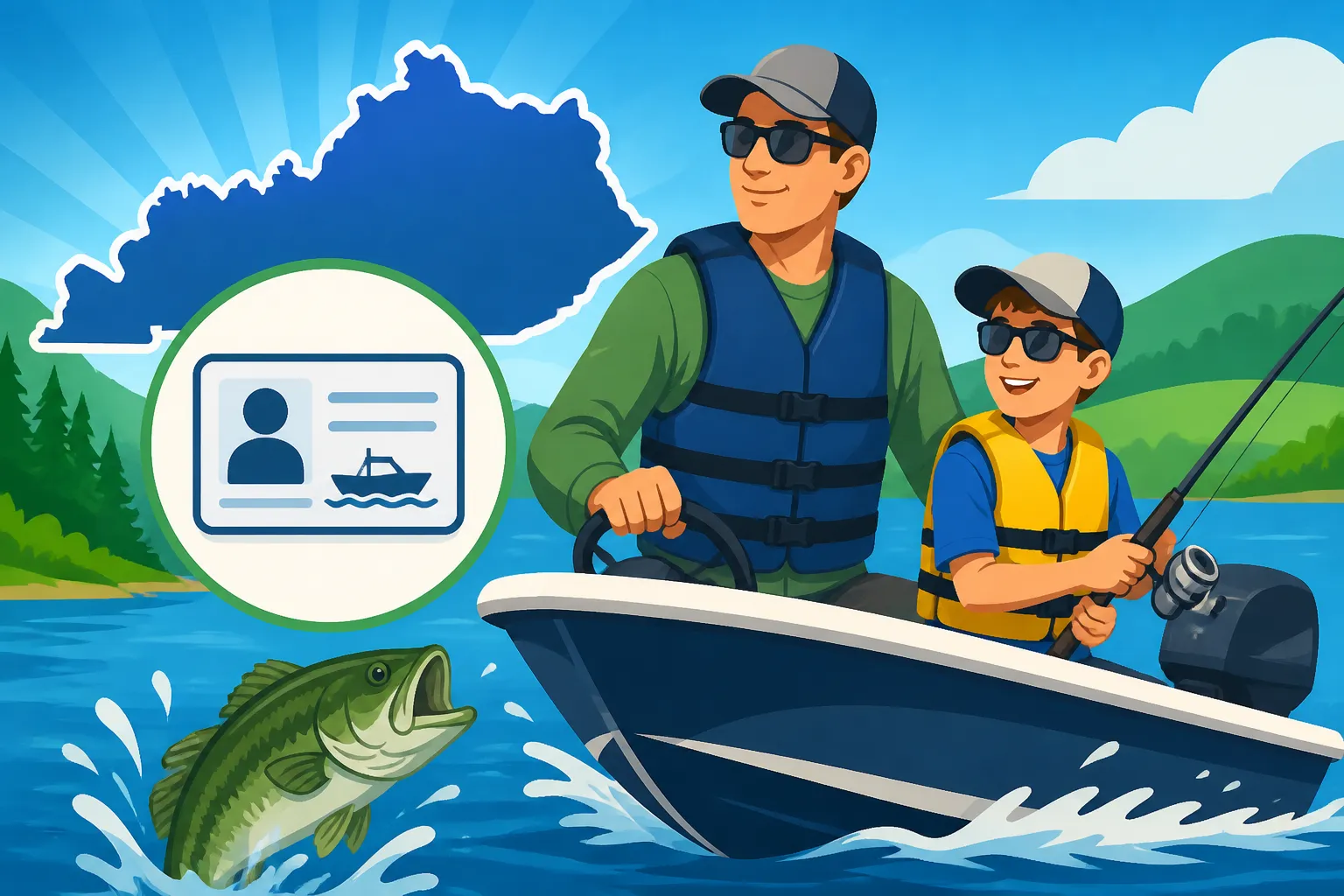
This is the big one, the rule that often catches people off guard if they haven't been on the water in a while or are new to Kentucky. In a nutshell, if you were born on or after January 1, 1976, and you want to operate a motorized vessel on public waters in Kentucky, you are required to possess a Kentucky Safe Boating Certificate, often referred to as a boating education card. It’s a pretty clear cut demographic, designed to ensure that newer generations of boaters are properly educated before taking the helm.
This specific cutoff date is common in many states and serves to "grandfather in" those who have likely been boating for decades and presumably have experience. For everyone else, it’s a mandatory step. Think of it like getting your driver's license; you wouldn't just hop in a car and go without knowing the rules of the road. The same principle applies here. Without this card, you could be facing penalties if a Kentucky Fish and Wildlife game warden checks your vessel. It’s worth checking out our full guide on the Kentucky Safe Boating Certificate and the 1975 Birthdate Rule for a deeper dive into this important regulation.
Types of Vessels That Require Certification
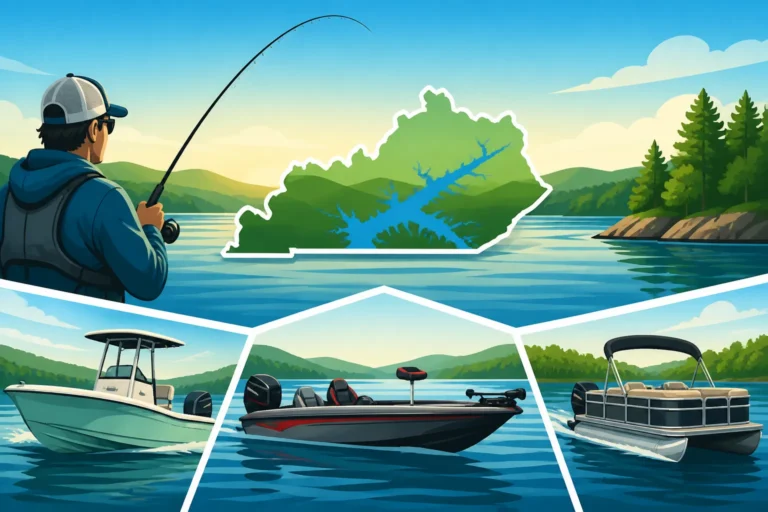
When we talk about "motorized vessels," what exactly does that encompass? It's broader than just your fancy bass boat or pontoon. Essentially, any vessel propelled by machinery, regardless of horsepower, falls under this umbrella on Kentucky's public waters. This includes personal watercraft (PWCs) like jet skis, which have specific additional considerations. Even smaller fishing boats with modest outboards are included.
However, there are a few nuances. Non-motorized vessels, such as canoes, kayaks, rowboats, or sailboats that rely solely on wind or muscle power, do not require the operator to have this certificate. So, if you're planning a serene kayak trip down a calm river, you might not need the card for that specific outing, but if you add a trolling motor to your kayak, the rules change. It’s always best to err on the side of caution and understand the specific requirements for your vessel. You can find more details in our article Kentucky Boat Safety Certificate Requirements.
What About Out-of-State Boaters?
Kentucky is a popular destination for folks from neighboring states like Tennessee, Ohio, Indiana, and even further afield. If you’re visiting Kentucky and plan to operate a motorized vessel, you might be wondering if your home state's boating education card is valid here. The good news is, generally, Kentucky recognizes boating education cards or certificates issued by other states and Canadian provinces, provided they meet the National Association of State Boating Law Administrators (NASBLA) requirements.
This reciprocity is a huge convenience, saving you from having to take another course just for your Kentucky vacation. However, it's critical that your out-of-state certificate is valid and readily available if a game warden asks for it. Don't assume; if you have any doubt, it's always wise to check with the KDFWR directly or consider getting a Kentucky certificate if you plan to boat here frequently. Always keep your physical card or a readily accessible digital copy on board with you.
How to Obtain Your Kentucky Boating Education Card
Once you've determined that you need a boating education card, the next step is actually getting one. Thankfully, Kentucky has made the process fairly accessible, with options to suit different learning styles and schedules. The goal of these courses is to equip you with the knowledge needed to operate your boat safely and responsibly, understanding everything from navigation rules to emergency procedures.
Online Courses vs. In-Person Classes
You have a couple of primary options for completing the required education. Many people opt for online courses, which offer incredible flexibility. You can work through the material at your own pace, from the comfort of your home, fitting it around your work or family commitments. These courses are typically interactive, with quizzes and modules designed to reinforce your learning. Websites that offer KDFWR-approved courses are easy to find with a quick search, and they often provide study guides and practice tests.
Alternatively, if you prefer a more traditional learning environment or have questions you'd like to ask an instructor in real-time, in-person classes are available. These are usually offered by various organizations, including the U.S. Coast Guard Auxiliary and the U.S. Power Squadrons. These classes provide direct instruction and often include practical demonstrations or discussions that can be invaluable. Both methods conclude with a final exam that you must pass to earn your certificate. For details on the process, check out How to Get a Kentucky Safe Boating Certificate.
What the Course Covers
Regardless of whether you choose an online or in-person course, the curriculum is designed to cover a comprehensive range of topics essential for safe boating. You’ll learn about navigation rules, sometimes called the "rules of the road," which dictate how boats should interact to avoid collisions. This includes understanding right-of-way, proper signaling, and navigation lights. You'll also delve into boating safety equipment, like what kind of life jackets are required and how many you need, fire extinguisher requirements, and distress signals. You can even find essential safety gear like life jackets and signaling devices at retailers like Bass Pro Shops or online through Amazon.
Beyond the basics, courses also touch on environmental responsibilities, such as proper waste disposal and avoiding the spread of aquatic invasive species. Weather awareness, emergency procedures (like what to do if someone falls overboard or if your engine fails), and personal watercraft operation specifics are also key components. It’s a lot to take in, but each piece of information is vital for ensuring a safe and enjoyable experience on the water. Understanding these rules is not just about avoiding a fine; it's about saving lives and protecting our natural resources.
Getting Your Official Card
Once you've successfully completed the course and passed the final exam, you’ll typically receive a temporary certificate or a confirmation. The official, durable boating education card will then be mailed to you by the KDFWR or the course provider. It's incredibly important to keep this card safe and accessible, as you are required to have it on board whenever you are operating a motorized vessel. A digital copy on your phone is often acceptable, but having a physical card is always a good backup, especially in areas with poor cell service.
Don't wait until the last minute to complete your course, especially if you plan to do it during peak boating season. Processing and mailing can take some time, and you don't want to miss out on a perfect day on the lake because your card hasn't arrived yet. Think ahead, get it done, and keep it with your other essential boating documents, like your boat registration.
Exemptions and Special Circumstances
While the "born after 1975" rule covers a vast majority of motorized boat operators in Kentucky, there are indeed some specific scenarios and types of vessels that either have different requirements or are entirely exempt. It’s crucial to understand these nuances to ensure you're always in compliance without unnecessarily jumping through hoops.
Age-Based Exemptions
Kentucky has rules regarding minors operating boats, and these can sometimes be a bit confusing. Generally, a child under the age of 12 may not operate a motorboat of 10 horsepower or more unless they are accompanied on board by an adult who is at least 18 years old and has the required boating education card. For personal watercraft (PWCs), the rules are often a bit stricter due to the nature of their operation.
Here’s a quick breakdown in a table for clarity:
| Operator Age | Vessel Type | Requirement |
|---|---|---|
| Under 12 | Motorboat (10 HP or more) | Must be accompanied by an adult (18+) with a valid Boating Education Card. |
| Under 12 | PWC | May not operate a PWC. |
| 12-17 | Motorboat / PWC | Must possess a valid Boating Education Card if born after 1975. If not, needs accompanying adult (18+). |
| 18+ | Motorboat / PWC | Must possess a valid Boating Education Card if born after 1975. |
Even if a minor isn't legally required to have the card, it's always a good idea for them to take a boating safety course. Instilling good habits and knowledge from a young age can prevent accidents and foster a lifelong love of safe boating. Many courses are designed to be engaging for younger participants. You can explore more about Kentucky Fishing License Requirements for Kids which has some parallels regarding age.
Private Property and Non-Motorized Vessels
Another common question revolves around private waters. If you're operating a motorized vessel exclusively on a private lake, pond, or stream that is not accessible to the public, you are typically not required to possess the Kentucky Boating Education Card. This applies to landlocked bodies of water where public access is restricted. However, this exemption vanishes the moment your vessel enters waters that are considered public or accessible to the public, even if just for a brief moment.
As mentioned earlier, purely non-motorized vessels (canoes, kayaks, rowboats, paddleboards, sailboats without auxiliary motors) do not require their operators to have a boating education card, regardless of the operator's age or birthdate. The focus of the education requirement is on the safe operation of vessels powered by engines, which carry a higher potential for speed, impact, and other hazards.
Coast Guard and Professional Exemptions
There are also certain professional mariners or individuals holding specific certifications who may be exempt. For example, anyone holding a valid U.S. Coast Guard operator's license (like a Captain's license) is generally exempt from the state's boating education card requirement. This makes sense, as Coast Guard licenses require a far more extensive level of training and examination.
Similarly, individuals who are serving or have served in the U.S. Coast Guard, U.S. Navy, U.S. Marine Corps, or certain other military branches might have exemptions, often depending on their specific training and roles. If you fall into one of these categories, it's always best to verify your specific situation with the KDFWR to confirm your exemption status. Never assume you are exempt without clear confirmation, as the penalties for being caught without the required education can be significant.
The Importance of Boating Safety Education
Beyond just meeting a legal requirement, understanding boating safety through formal education is incredibly valuable. It’s not just about avoiding fines or trouble with game wardens; it’s about making smarter, safer decisions on the water, protecting yourself, your loved ones, and everyone else enjoying Kentucky’s beautiful aquatic environments.
Beyond Just the Law: Why It Matters
Think about it: the natural elements on the water, combined with the power of a boat and the presence of other vessels, swimmers, and wildlife, create a dynamic and sometimes unpredictable environment. A boating education course teaches you to anticipate potential hazards, react appropriately in emergencies, and understand how your vessel interacts with its surroundings. It instills a sense of responsibility that goes far beyond simply knowing what's legal.
For instance, knowing how to properly trim your engine, read navigational buoys, or understand weather patterns can make the difference between a relaxing day and a dangerous situation. It's also about good etiquette on the water, respecting other anglers, boaters, and property owners. This kind of knowledge truly enhances your overall experience and helps everyone enjoy Kentucky's fantastic fishing and boating opportunities safely. Make sure you're aware of all Kentucky Fishing Regulations Explained to be a truly responsible boater and angler.
Common Boating Accidents and How Education Prevents Them
Many boating accidents are preventable and often stem from a lack of knowledge or inexperience. Collisions with other vessels, running aground, falls overboard, and capsizing are among the most common types of incidents. Factors such as operator inattention, excessive speed, alcohol impairment, and improper lookout are frequently cited causes. A comprehensive boating education course directly addresses these risk factors.
For example, understanding the concept of "safe speed" or how to maintain a proper lookout are fundamental principles taught in these courses. Learning about the dangers of boating under the influence and understanding how to recognize hazardous weather conditions empowers you to make proactive, safe choices. It also covers the proper use of essential safety equipment, like knowing that wearing a life jacket is the best defense against drowning in an unexpected fall overboard. Remember, you can always find reliable safety gear at stores like Bass Pro Shops or by browsing Amazon for highly-rated marine safety products.
The Role of Safe Boating in Preserving Kentucky's Waters
Finally, boating education isn't just about human safety; it's also about being a good steward of Kentucky's precious natural resources. Courses often include sections on environmental responsibility, covering topics like preventing the spread of aquatic invasive species, proper disposal of fishing line and waste, and minimizing wake impact on shorelines and sensitive habitats.
By learning and adhering to these practices, you play a vital role in keeping our lakes and rivers healthy and thriving for generations to come. This means everything from cleaning your boat thoroughly after leaving one body of water to prevent transferring unwanted plants or organisms, to understanding how to handle fish responsibly for catch and release. Safe, responsible boating is intrinsically linked to conservation, ensuring that the beauty and bounty of Kentucky's waters remain for all to enjoy. It’s part of the broader picture of enjoying and protecting our incredible outdoor heritage.
Disclaimer
This article is for general informational purposes only and does not constitute professional advice. Laws, prices and regulations vary by location and change over time. Consult a qualified professional for guidance on your specific situation.