Best Boats for Kentucky’s Ohio River Paddlefish Run
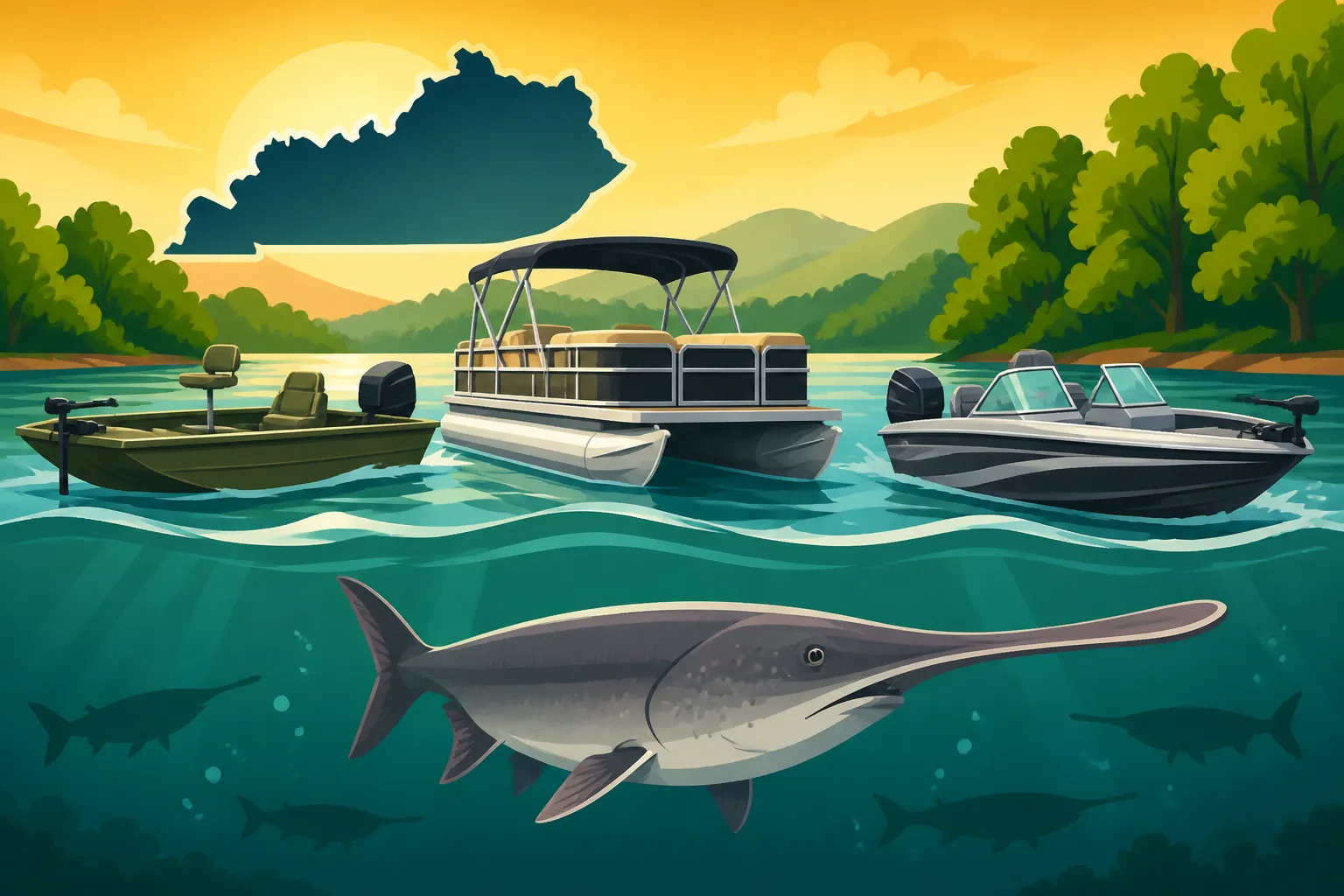
The Ohio River paddlefish run is an experience unlike any other, a true test of an angler's grit and gear. But let's be honest, trying to chase these ancient giants in just any old boat can quickly turn a dream trip into a nightmare. Between the powerful currents, the sheer size of the fish, and the specific snagging techniques involved, your vessel isn't just a ride—it's your command center, your safe haven, and your key to success. This guide is all about helping you understand what kind of boat truly stands up to the challenge of Kentucky's Ohio River paddlefish, ensuring you're rigged for adventure, not frustration.
Navigating the Mighty Ohio for Paddlefish
Fishing the Ohio River for paddlefish isn't like drifting on a calm pond or a smaller lake. This is a massive, working river, and it demands respect, especially from your boat. Understanding the unique environment and the specific demands of paddlefish snagging is the first step to choosing the right vessel.
Understanding the River's Demands
The Ohio River is a beast of its own, with dynamic conditions that can change throughout the day. You're dealing with strong currents, especially around dams and river bends, which can pull at your boat and make holding position a real challenge. There's also commercial traffic—barges and towboats—that create substantial wakes capable of rocking smaller, less stable boats violently. These wakes can quickly turn a comfortable fishing day into a tense balancing act, not to mention a safety concern if you're standing up trying to reel in a monster fish. Furthermore, the river has varying depths, from shallow banks to deep channels, and you'll need a boat that can handle both without running aground or feeling out of place. It's not just about getting to a spot; it's about confidently fishing that spot.
The Snagging Technique's Impact on Boat Choice
Paddlefish are typically caught by snagging, which involves using heavy tackle and weighted treble hooks to "snag" the fish as they swim by. This isn't a finesse game; it's a brute force endeavor. When a 50-pound (or even 100-pound!) paddlefish suddenly gets hooked, the shock can be immense. The fish will fight hard, often making powerful runs that require you to brace yourself and your rod. If your boat isn't stable, that sudden jerk can throw you off balance, or even worse, cause you to lose your footing or even fall overboard. You need a platform that can absorb those sudden impacts and allow you to leverage your body against a powerful fish without feeling like you're going to capsize. Plus, you need room to swing those big rods and hooks safely without snagging your boat partner or the boat itself. The technique directly dictates the need for a stable, open, and powerful boat. For more on the method, check out Paddlefish Fishing on the Ohio River: A Complete Guide.
Core Boat Features for a Successful Paddlefish Hunt
When you're out there on the Ohio, battling currents and potentially a massive paddlefish, certain boat features transition from "nice-to-have" to "absolutely essential." Don't compromise on these.
Stability is Paramount
I cannot stress this enough: stability is your best friend when paddlefishing. A wide beam and a flat bottom (or a very shallow V-hull that provides good secondary stability) are crucial. Imagine hooking into a trophy paddlefish; it's going to make a run, and you'll be leaning into your rod, pulling with all your might. If your boat is tippy, you're going to feel incredibly insecure, constantly bracing yourself against the sides, and potentially losing your balance. A stable boat lets you focus on the fight, maintaining your footing and applying consistent pressure to the fish. This is especially true if you're fishing with a partner or two, as multiple people moving around or fighting fish will exacerbate any instability. Without a stable platform, the experience quickly becomes more about staying upright than landing your catch.
Ample Deck Space and Open Layout
Paddlefish snagging involves long, heavy rods, big reels, and typically a cooler for your catch (which, if you're lucky, could be a very large fish). You need room to maneuver. An open deck layout, free from excessive seating or obstructions, is ideal. This gives you plenty of space to cast without hitting anything, to fight a fish from different angles as it moves around the boat, and to safely land and handle a large, thrashing fish. Think about netting a 70-pound paddlefish—it's not a delicate operation! Having clear deck space also means fewer tripping hazards, which is a major safety advantage when you're focused on a battle. Storage for your heavy tackle, extra weights, and other gear is also important to keep the deck clear.
Sufficient Power and Control
The Ohio River's currents can be deceptive, and if you're trying to hold a specific spot, especially below a dam or in a swift channel, you'll need adequate horsepower. Being able to quickly move upriver, maintain position, or make rapid adjustments to avoid hazards (like floating debris or other boats) is non-negotiable. A strong outboard motor gives you the confidence to navigate safely and effectively. Beyond raw power, good control is vital. A responsive steering system and, ideally, a reliable trolling motor (either bow-mounted or transom-mounted, depending on your boat type) can be a game-changer. A robust trolling motor allows for precise station-keeping, letting you hover over a productive snagging lane without constantly working the main engine. This is particularly useful when you've found where to catch paddlefish on the Ohio River and want to maximize your time in that zone. You'll also want to make sure your boat meets all the Kentucky boating regulations, including those for life jackets and safety certificates. Check out Life Jacket Rules for Boats in Kentucky and Kentucky Boat Safety Certificate Requirements to ensure you're squared away.
Top Boat Choices for the Ohio River Paddlefish Run
Given the unique demands of paddlefish snagging on the Ohio, certain boat types consistently prove more effective than others.
The Versatile Jon Boat
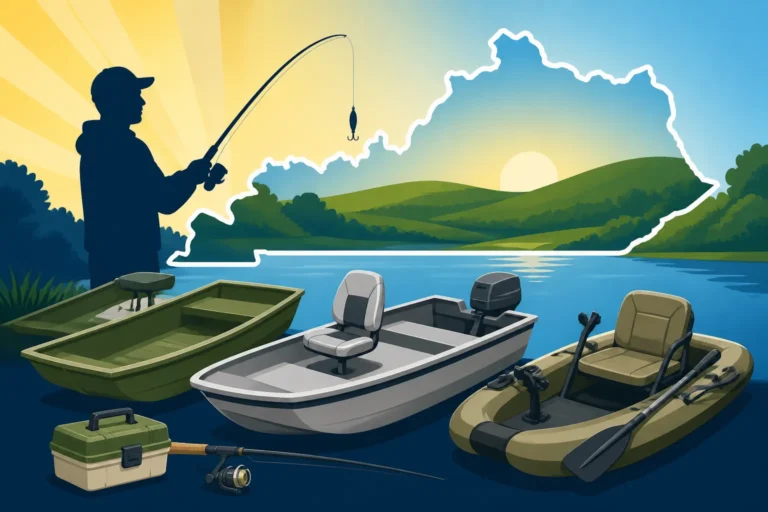
For many Kentucky anglers, especially those on a budget or who value simplicity, a wide, flat-bottomed jon boat is a popular choice for paddlefish. Their flat bottom provides excellent initial stability, which is fantastic when you're standing and snagging. They also have an incredibly open layout, often just a few benches or a casting deck, giving you maximum working space. Their relatively shallow draft means you can access shallower backwaters or launch from less-developed ramps. You can find solid jon boat options at retailers like Bass Pro Shops or even used models online.
However, jon boats do have their limitations on the Ohio. While stable initially, they can provide a very jarring ride in rough water or across large wakes. The flat bottom acts like a slap against the water, making for a less comfortable experience when crossing larger sections of the river. They also tend to be slower and less fuel-efficient than V-hull boats. For the serious paddlefisherman who is out there frequently and in various conditions, the rough ride might become a dealbreaker over time. But for occasional trips or those primarily fishing calmer stretches, a well-equipped jon boat can be a formidable paddlefish platform.
Aluminum V-Hull and Center Console Boats
Stepping up from a basic jon boat, aluminum V-hull boats, especially those with a moderate V and a wide beam, offer a fantastic blend of stability, ride comfort, and durability. These boats typically cut through wakes much better than jon boats, providing a smoother, drier ride, which is a huge plus on a big river like the Ohio. Many modern aluminum boats, such as those from reputable brands, are built tough and can take a beating, which is important for river fishing.
Center console designs, whether in aluminum or fiberglass, are particularly well-suited for paddlefish snagging. The console being in the center means you can fish 360 degrees around the boat without obstruction. This is invaluable when a paddlefish decides to circle or run alongside the boat. These boats also often come with more powerful engines and better electronics integration, allowing for precise navigation and fish-finding capabilities. While they might have slightly less open floor space than a bare-bones jon boat, the trade-off for comfort and versatility is often worth it for dedicated anglers. You might even find some good deals on quality used models on sites like Amazon, but be sure to do your research!
Heavier Gauge Aluminum Boats
For those truly serious about consistently tackling the Ohio River's challenges, heavy-gauge aluminum boats are often the top-tier choice. These are not your flimsy backyard jon boats. We're talking about robust, welded aluminum vessels designed for commercial use or severe conditions, like those found in Alaska or the Pacific Northwest. Brands like those available through Bass Pro Shops often have lines designed for heavy-duty freshwater use.
These boats offer unparalleled durability, standing up to bumps, scrapes, and the constant stress of rough water. Their construction often means they are inherently very stable and can handle larger wakes with ease, providing a safe and comfortable platform even when the river gets nasty. They often have higher freeboard (sides of the boat) for added safety, which is a significant consideration on a large river with big waves. While they come at a higher price point, the investment in a heavy-gauge aluminum boat often pays off in peace of mind, longevity, and superior performance on a river as demanding as the Ohio. Remember to account for the necessary Kentucky Boat Registration Requirements Explained for any vessel you choose.
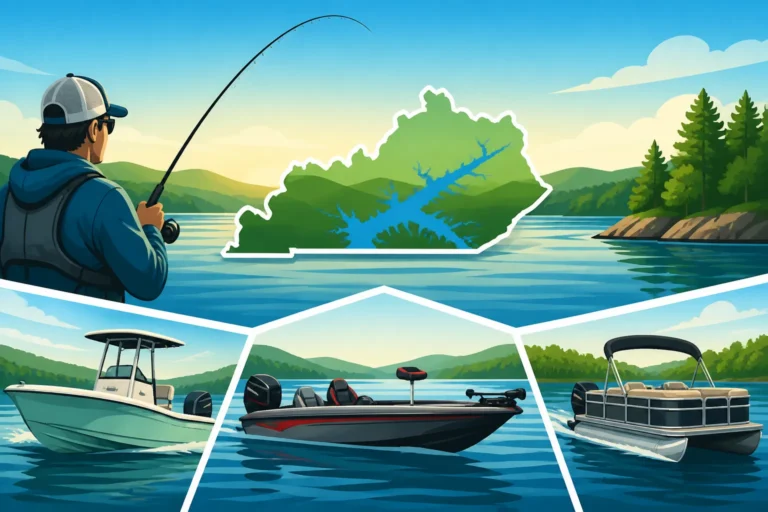
Here's a quick comparison of popular boat types for paddlefish on the Ohio River:
| Feature | Jon Boat (Wide, Flat Bottom) | Aluminum V-Hull (Center Console) | Heavy-Gauge Aluminum (Commercial Grade) |
|---|---|---|---|
| Initial Stability | Excellent (Great for standing and snagging) | Very Good (Good balance) | Excellent (Often wider beam, high freeboard) |
| Rough Water Ride | Poor (Pounds, wet ride in chop) | Good (Cuts waves, smoother) | Excellent (Handles large wakes, dry ride) |
| Deck Space | Maximum (Very open layout) | Good (Center console allows 360-degree access) | Good (Often customizable, durable open deck) |
| Maneuverability | Good (Shallow draft) | Very Good (Responsive, good power options) | Very Good (Strong engines, precise control) |
| Durability | Fair to Good (Depends on gauge) | Good to Very Good (Resistant to minor impacts) | Excellent (Built for heavy use and abuse) |
| Cost | Low to Moderate | Moderate to High | High |
| Ideal For | Budget-conscious, calmer stretches, occasional angler | Dedicated angler, varied conditions, good all-around performance | Serious angler, frequent trips, all conditions, ultimate durability |
Essential Safety Gear and Accessories
Beyond the boat itself, having the right safety gear and fishing accessories is crucial for a successful and safe paddlefish run on the Ohio. Don't skimp on these details.
Safety Equipment Beyond the Basics
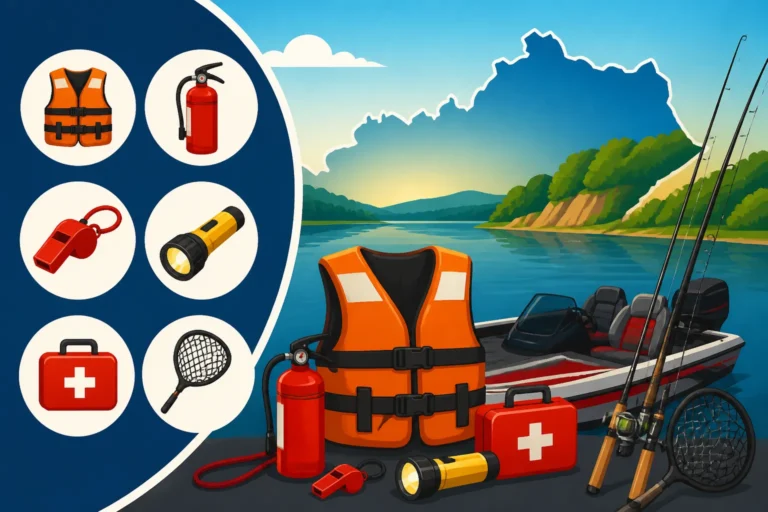
Basic safety gear is non-negotiable on any body of water, but on a large, busy river like the Ohio, it's even more critical. Make sure every person on board has a Coast Guard-approved Life Jacket Requirements for Every Boat Occupant in Kentucky that fits correctly. Beyond that, consider an upgraded anchoring system. The river's current can be fierce, and a weak anchor might not hold, putting you adrift. A heavy river anchor with plenty of rode (anchor line) and chain is a must, possibly even a secondary anchor for extra security.
A reliable means of communication, like a marine VHF radio or a satellite messenger, is also highly recommended, as cell service can be spotty in some river stretches. Have a well-stocked first-aid kit, a sturdy paddle or oar, and a throw bag or throwable flotation device readily accessible. Familiarize yourself with Essential Safety Gear for Every Boat in Kentucky before you head out. Understanding the specific regulations for fishing can also prevent unwanted issues, so be sure to check Penalties for Fishing Without a License in Kentucky.
The Right Fishing Gear and Electronics
Paddlefish fishing demands specialized tackle. You'll need heavy-action rods, often 7-8 feet long, capable of handling heavy weights and the immense power of a snagged paddlefish. Reels should be large, durable baitcasting or spinning reels spooled with heavy braided line, typically 65-pound test or more. These aren't items you want to skimp on. Many of these heavy-duty fishing essentials can be found at places like Bass Pro Shops or even through reputable online retailers on Amazon.
A quality fish finder with good down-imaging and side-imaging capabilities can significantly increase your success rate. Paddlefish often suspend in the water column or move along specific depths, and a good fish finder helps you locate these schools. You're looking for dense "clouds" of fish or distinct arches that indicate concentrations. Knowing exactly where the fish are means less blind casting and more productive snagging. Pairing your fish finder with a reliable GPS is also smart, allowing you to mark productive spots and navigate safely, especially when the current is pushing you around. For more on what gear you'll need, check out Best Catfish and Paddlefish Gear for Kentucky's Ohio River.
Disclaimer
This article is for general informational purposes only and does not constitute professional advice. Laws, prices and regulations vary by location and change over time. Consult a qualified professional for guidance on your specific situation.