Kentucky Boat Ramp Parking and Access Rules
Anglers often hit the water with excitement, only to find themselves circling endlessly for a legal parking spot or confused by cryptic signs at the boat ramp. Navigating the nuances of Kentucky boat ramp parking and access rules can be a real headache, taking precious time away from your fishing trip. This guide will meticulously break down the expectations and regulations surrounding public boat ramps across the Bluegrass State, helping you launch smoothly and avoid frustrating violations.
Understanding Public Boat Ramp Access in Kentucky
When you're ready to hit Kentucky's beautiful lakes and rivers, knowing the ins and outs of public boat ramp access is key to a stress-free day. Many folks just assume they can pull up, launch, and park anywhere, but that's often not the case. Different ramps have different rules, and understanding the general flow and who's in charge can save you a lot of grief.
General Expectations and Etiquette
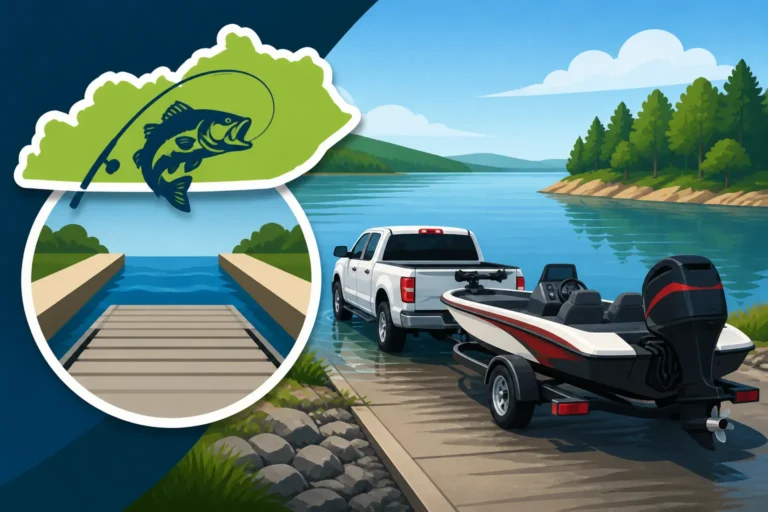
Kentucky's public boat ramps, whether on a sprawling reservoir like Kentucky Lake or a smaller river access point, generally operate on a first-come, first-served basis. This means patience and courtesy are your best friends, especially on busy weekends or during prime fishing seasons. It's a shared space, and everyone wants to get on the water quickly, so a little preparation goes a long way. Having your boat ready to launch before you back down the ramp is crucial. This means removing tie-downs, placing your drain plug, loading your gear, and prepping your lines. Imagine the frustration of waiting in a long line while someone fumbles with their boat cover at the water's edge. Being ready to go means you can back in, launch, move your boat to a courtesy dock (if available), and get your vehicle parked efficiently.
These ramps are primarily for launching and retrieving your vessel, not for extended mooring or tying up your boat for an hour while you run errands. The expectation is that you'll use the ramp for its intended purpose, move your boat, and then get your tow vehicle and trailer out of the way promptly. If you need to spend more than a few minutes securing your boat after launch or before retrieve, use a designated courtesy dock or move away from the ramp area to allow others to use it. This shared understanding keeps the flow of traffic moving and makes for a better experience for everyone.
Who Manages Kentucky's Ramps?
One of the biggest sources of confusion for anglers is that not all boat ramps in Kentucky are managed by the same entity, and this directly impacts the rules you need to follow. You might encounter ramps managed by the Kentucky Department of Fish and Wildlife Resources (KDFWR), state parks, local municipalities, or even federal agencies like the U.S. Army Corps of Engineers. Each of these managing bodies can have slightly different regulations regarding hours of operation, fees, and particularly, parking.
For instance, a ramp within a Kentucky State Park might have a daily use fee or require a state park pass for parking, while a KDFWR-maintained ramp might be completely free. Ramps managed by local city or county governments might have specific ordinances that apply, such as stricter overnight parking rules or restrictions on commercial use. Federal corps ramps, often found on larger reservoirs, might have a broader set of regulations that are consistent across their properties. Always look for signage at the ramp itself; it's your most reliable source of information for that specific location. Before heading out, especially to a new spot, it's always a good idea to check the website of the managing agency or even call the local park office to confirm any specific requirements. This research can prevent surprises, like discovering you need a day-use pass that you didn't budget for. For a broader overview, check out guides like Kentucky Boat Ramp Guide for Major Lakes to understand what you might expect at different popular spots.
Kentucky Boat Ramp Parking Regulations
Parking at a Kentucky boat ramp can sometimes feel like a puzzle, especially on a busy Saturday morning. It's not just about finding an empty spot; it's about finding the right empty spot. Improper parking is one of the quickest ways to earn a ticket or, worse, have your vehicle towed, ruining your fishing day before it even begins.
Designated Parking Areas for Vehicles and Trailers
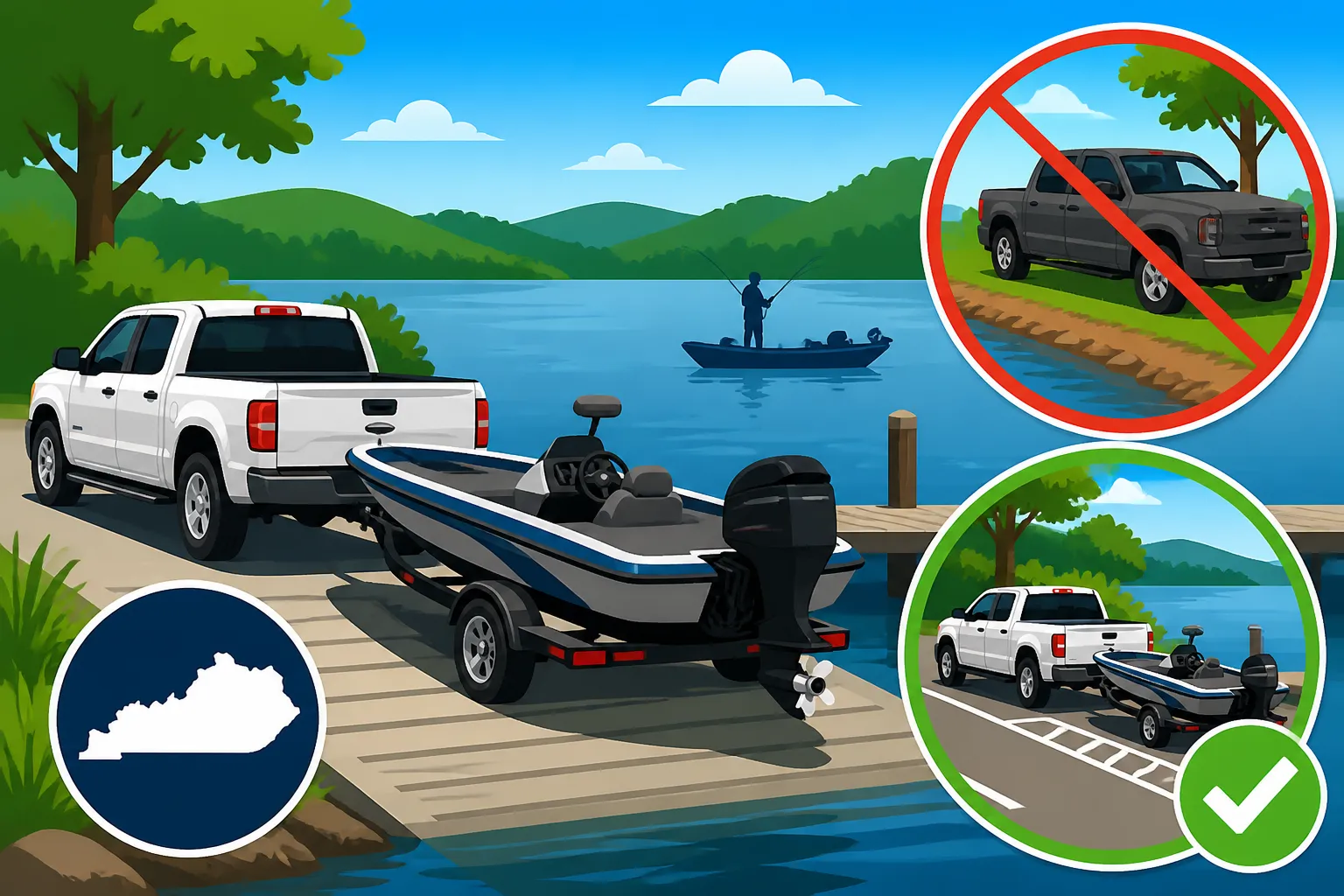
Most developed boat ramps in Kentucky have clearly marked parking areas that distinguish between vehicle-only spots and vehicle-with-trailer spots. These are often indicated by longer lines or specific signs. The biggest frustration for many boaters is finding that a standard passenger car has occupied a much-needed truck-and-trailer spot. These spots are extra long to accommodate the combined length of your truck and trailer, and when they’re taken by a single car, it severely limits parking options for actual boaters.
It’s not just an etiquette issue; parking a vehicle without a trailer in a designated truck-and-trailer spot can sometimes lead to fines. Conversely, trying to squeeze a truck and trailer into a standard parking space can block traffic lanes or encroach on other spots, also inviting a citation. Always scan the lot for signs indicating "Boat Trailer Parking Only" or "No Trailer Parking" and be mindful of the painted lines. These designations are there to ensure efficient use of the space for everyone. If you're heading to a popular spot like Lake Barkley, for example, knowing the layout and designated areas at Lake Barkley's Boat Ramps and Marina Access in Kentucky can be incredibly helpful.
Overflow Parking and Alternate Options
What happens when the designated boat trailer parking is completely full? This is a common scenario, especially during peak seasons on popular lakes like Lake Cumberland. Some larger boat ramp facilities anticipate this and offer designated overflow parking areas. These might be a bit of a walk from the ramp itself, but they are still legal and appropriate places to park your truck and trailer. Look for additional signage directing you to these areas, which might be gravel lots or open fields.
If no official overflow parking is available, you might need to get creative, but always prioritize legality and safety. Sometimes, street parking is an option nearby, but you absolutely must check local ordinances for any restrictions. Parking illegally on a street could result in a ticket or even towing. In some cases, if a ramp is truly packed, your best option might be to drive to an alternative ramp, even if it means a longer journey. Having a backup plan or researching multiple access points, perhaps even using a resource like Where to Launch a Boat on the Ohio River in Kentucky, can save you a lot of headache on a busy day. Being prepared for a full lot is just as important as preparing your boat for the water.
Fees, Permits, and Time Limits
While many KDFWR-maintained ramps are free to use, some boat ramps in Kentucky do come with associated fees or require specific permits. These are most commonly found at state parks, privately managed marinas, or sometimes at municipal ramps that offer additional amenities. Fees might be collected via an automated pay station, a self-serve honor box, or by an attendant. It's always best to have small bills or a credit card ready, just in case. Don't assume free access; always look for fee information upon arrival.
In addition to fees, some locations might impose time limits on parking, particularly in highly congested areas or where overnight parking is restricted. While less common for dedicated boat ramps in rural areas, urban access points might have stricter regulations. Always check for signs detailing parking duration limits, especially if you plan an overnight trip. If an overnight stay is part of your plan, verify that the ramp or adjacent parking area permits it. A quick call to the park office or local law enforcement for that specific jurisdiction can provide clarity and prevent an unwelcome surprise upon your return.
Rules for Launching, Loading, and On-Water Access
Getting your boat into and out of the water smoothly is an art form that comes with practice, but also with adhering to specific rules designed to keep everyone safe and the ramps clear. It's not just about your technique; it's about following the unspoken (and sometimes very spoken) rules of the road, or in this case, the ramp.
The Art of the Quick Launch
Nobody likes to be the reason for a bottleneck at the boat ramp. The "quick launch" is a testament to preparedness and courtesy. Before your tow vehicle even approaches the ramp, your boat should be ready: engine trimmed up, drain plug secured, all lines and fenders ready, and any covers or tie-downs removed. Think of it like a pit stop in a race; every second counts for the people waiting behind you. Once you're backed down, launch your boat swiftly, either by yourself or with the help of a partner, and immediately move it clear of the ramp. If there's a courtesy dock, tie up there temporarily while you park your vehicle.
Practicing your backing skills, perhaps in an empty parking lot, can dramatically improve your efficiency and reduce stress at a busy ramp. Remember that internal link from earlier? How to Back a Boat Trailer Down a Ramp could be a lifesaver for new boaters. Don't be afraid to ask for help if you're struggling, but try to do so quickly and efficiently. The goal is to minimize your time actually on the paved ramp surface, allowing the next boater in line to begin their launch sequence without unnecessary delay.
No Parking Zones and Temporary Docking
It might seem obvious, but the boat ramp itself is strictly a no-parking zone. Even for a moment, leaving your boat and trailer on the ramp while you run to the restroom or grab a forgotten item is a major no-no. This blocks access for everyone else and can quickly lead to frustration, confrontation, or even a visit from a game warden or local police. The ramp is a thoroughfare, not a waiting area.
Most busy ramps are equipped with designated courtesy docks specifically for temporary tie-ups. These docks are a godsend, allowing you to move your boat out of the launch area while you park your truck and trailer, or vice-versa during retrieval. However, these docks are for temporary use only. You can’t leave your boat tied there for an hour while you eat lunch or spend the day fishing. Common courtesy dictates keeping your stay short – just long enough to safely get your vehicle parked or brought back to the ramp. Overstaying your welcome on a courtesy dock can be just as disruptive as parking on the ramp itself.
Waterway Access Beyond the Ramp
Once your boat is successfully launched and you’ve moved away from the ramp area, you're officially on the water, and a new set of regulations kicks in. Near boat ramps, you'll almost always find "no wake" zones. These are critical for safety, preventing large waves from swamping other boats still on the ramp, damaging docks, or injuring people in the water. Respect these zones, keeping your speed to a minimum until you are well clear of the marked area.
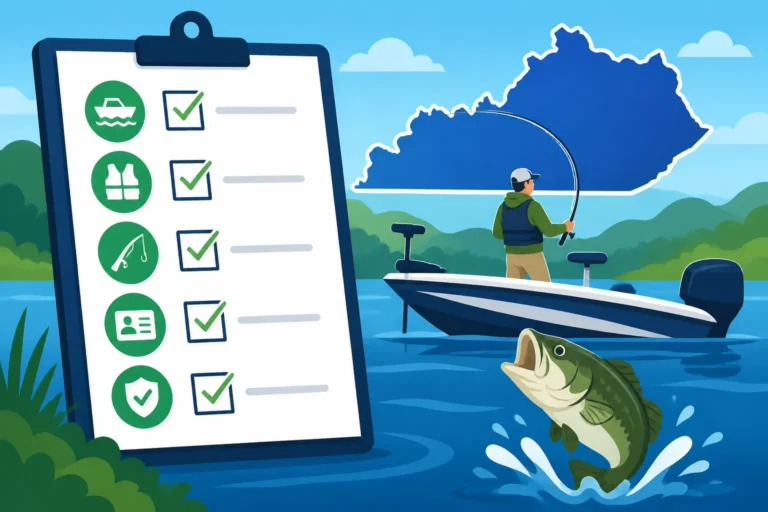
Beyond the immediate ramp area, general Kentucky boating regulations apply. This includes everything from proper lighting at night to having all the necessary safety equipment on board. It's not enough to just know the ramp rules; you need to be familiar with broader boating laws. Resources like Kentucky Boating Safety Gear Checklist and Life Jacket Rules for Boats in Kentucky are essential reading for any boater. Always ensure your boat registration is current, as wardens may conduct random checks. Don't forget, if you bought any essential safety gear from Bass Pro Shops or online via Amazon, make sure it's accessible and functional!
Avoiding Common Pitfalls and Ensuring Compliance
Getting caught off guard by unexpected rules or fines can really put a damper on your fishing trip. A little proactive planning and a commitment to courtesy can help you avoid the most common boat ramp issues in Kentucky.
Checking Regulations Before You Go
The single best piece of advice for avoiding issues at Kentucky boat ramps is to do your homework before you leave the house. As we've discussed, rules can vary significantly from one lake to another, and even from one ramp to another on the same body of water. Don't rely on assumptions based on your last trip to a different location. Websites for the KDFWR, Kentucky State Parks, and the U.S. Army Corps of Engineers are excellent resources for checking specific ramp regulations, hours, and any associated fees.
A quick search or a phone call to the local park office can often provide invaluable, up-to-date information. If you're using a physical map, ensure it's current, or consider picking up a new waterproof one from Bass Pro Shops or ordering one from Amazon before your trip. Being informed about parking specifics, launch fees, and local no-wake zones will not only save you potential fines but also make your entire experience much more enjoyable. Think of it as part of your pre-trip checklist, right alongside checking your gear and bait.
Consequences of Non-Compliance
Ignoring boat ramp parking and access rules in Kentucky can lead to a range of unpleasant consequences, from minor inconveniences to significant financial penalties. The most common consequence for improper parking is a parking ticket, which can easily range into the double or even triple digits, effectively erasing any savings you hoped to gain by choosing a free ramp. Worse yet, illegally parked vehicles, especially those blocking access or creating safety hazards, are prime candidates for towing. A tow can cost hundreds of dollars, plus impound fees, not to mention the immense hassle of trying to retrieve your truck and trailer, which means your fishing trip is definitely over.
Beyond parking, violations of boating regulations like operating in a no-wake zone or lacking required safety equipment can also result in citations from a game warden. Even failing to have your proper Kentucky Boat Registration Requirements Explained in order can lead to a stop and potential fines. These consequences aren't just about revenue generation; they're in place to ensure safety, fairness, and the smooth operation of public access points for everyone. Nobody wants to deal with the headache of a citation, so a few minutes of preparation and adherence to the rules are always worth it. If you're ever in doubt about what documentation you need to have on hand, Kentucky Boat Registration Documents You Need at the County Clerk is a good read.
Being a Courteous Angler
Ultimately, many of the "rules" around boat ramp parking and access boil down to common courtesy and respect for fellow anglers and the environment. Kentucky's waterways are a shared resource, and the more smoothly everyone cooperates, the better the experience for all. This means more than just adhering to legal requirements; it means actively contributing to a positive atmosphere.
Offer a hand to a fellow boater who might be struggling, especially if they're new to launching. Dispose of your trash properly and avoid leaving any litter, including fishing line, hooks, or bait containers, around the ramp or parking areas. Maintain a calm demeanor even when things get busy or someone makes a mistake. A friendly "good morning" and a nod can go a long way in de-escalating potential frustrations. By being a courteous angler, you not only make your own day better but also foster a more enjoyable and efficient environment for the entire boating community.
Boat Ramp Access and Parking Rules Overview
To help you quickly reference some common aspects of boat ramp access and parking in Kentucky, here's a brief overview:
| Aspect | KDFWR Public Ramps | State Park Ramps | Municipal/Local Ramps | Private Marina Ramps |
|---|---|---|---|---|
| Typical Fees | Generally Free | Daily use fee or park pass may apply | Varies; some free, some fee-based | Often require a fee |
| Parking Designations | Often clearly marked for trailers | Clearly marked for trailers | Varies by location | Specific trailer parking |
| Overflow Parking | May have informal overflow areas | Often has designated overflow lots | Varies | Limited, inquire ahead |
| Courtesy Docks | Common, for temporary tie-up | Common, for temporary tie-up | Varies | Usually available, inquire use |
| Overnight Parking | Generally discouraged, check rules | Check park-specific regulations | Usually restricted | May be available for a fee |
| Boating Safety Checks | Game Wardens frequently patrol | Park rangers/wardens patrol | Local police/wardens patrol | Local police/wardens patrol |
Disclaimer
This article is for general informational purposes only and does not constitute professional advice. Laws, prices and regulations vary by location and change over time. Consult a qualified professional for guidance on your specific situation.