Kentucky Boat Ramp Guide for Major Lakes
There's nothing quite like the excitement of a fishing trip in Kentucky, but that feeling can quickly turn to frustration when you get to the ramp only to find it's too shallow, too crowded, or simply not what you expected. Knowing your boat ramps before you even hook up your trailer is an absolute game-changer. This guide will walk you through the essential details of boat ramps on Kentucky's major lakes and rivers, helping you plan seamless launches and get to the fish faster.
Why Knowing Your Boat Ramps is Crucial for a Successful Trip
Let's be honest, nobody wants to start their fishing day with a headache at the boat ramp. That initial experience can set the tone for your entire outing. Understanding the nuances of different boat ramps across Kentucky's diverse waterways isn't just about convenience; it's about maximizing your time on the water, ensuring safety, and avoiding unnecessary stress. A little homework upfront can save you a whole lot of grief down the road.
Avoiding Launch Day Frustrations
Imagine this scenario: you've packed your gear, the cooler is stocked, and the kids are buzzing with anticipation. You pull into the ramp parking lot, ready for a glorious morning on the lake, only to find a line of a dozen other trailers snaking its way to the water. Or maybe, after a long drive, you discover the ramp is barely a gravel path, too steep for your vehicle, or the water level is so low your prop will be digging mud. These frustrations are real, and they happen far more often than we'd like to admit. Pre-planning your launch site, knowing its characteristics, and having a backup plan can literally save your fishing trip. It means less time waiting, less time worrying, and more time actually fishing.
Not all boats are created equal, and neither are all ramps. A small jon boat or a fishing kayak might be perfectly fine launching from a relatively primitive, less-maintained ramp that a massive fiberglass bass boat would simply chew up and spit out. Consider the length, weight, and draft of your vessel. A shallow-water ramp might be perfect for your smaller craft but a nightmare for a deep-V hull. Understanding the ramp's slope, its condition (is it concrete, gravel, or dirt?), and the depth of the water at the end of it is absolutely critical. This insight ensures you match your boat to the right access point, preventing damage to your rig or, worse, getting stuck.
Beyond the obvious, there can be unexpected obstacles. Submerged debris, crumbling concrete edges, potholes in the parking lot, or even narrow access roads can turn a simple launch into a harrowing experience. These are the kinds of details that rarely make it onto a general map but can severely impact your day. A ramp that looks fine on a satellite image might be heavily eroded in person. Always be prepared for varying conditions, and remember that even the most popular ramps can have their off days. A smooth, efficient launch isn't just about saving time; it's about starting your fishing adventure on a positive, stress-free note.
Safety and Accessibility Considerations
Your safety, and the safety of everyone else at the ramp, should always be a top priority. A slick, algae-covered concrete ramp can be incredibly dangerous, especially when wet, leading to slips and falls or even your vehicle sliding into the water. Poor lighting during early morning or late evening launches, inadequate turnaround space, or strong currents near the ramp can all contribute to hazardous situations. What if there's no courtesy dock to tie off to while you park your truck, forcing you to hold your boat against a strong breeze or current? These are real concerns that can escalate quickly if you're not prepared or if the ramp conditions are less than ideal.
Accessibility extends beyond just getting your boat into the water. It encompasses the entire experience. Is there sufficient parking for your truck and trailer, especially during peak hours? Are there clean, accessible restrooms? Many major ramps are part of larger marina complexes or state parks and offer amenities like bait shops, gas pumps, or even small convenience stores. For family outings or longer trips, having these facilities readily available can make a huge difference, ensuring everyone is comfortable and well-supplied. Thinking about the bigger picture of what a ramp provides can really enhance your trip.
It's also wise to consider how local regulations, special events, or even major fishing tournaments might impact a specific ramp's availability or usage. During a busy weekend bass tournament on Kentucky Lake, for example, a popular ramp might be entirely monopolized by competitors for hours. This is where researching Kentucky Boat Ramp Parking and Access Rules can be invaluable. Always check official sources like the Kentucky Department of Fish and Wildlife Resources (KDFWR) website or local marina pages for any advisories or temporary closures. A quick check can save you a wasted trip and guide you to an alternative access point.
Navigating Kentucky Lake and Lake Barkley Ramps
Kentucky Lake and Lake Barkley, often collectively known as the "Land Between the Lakes" region, are titans of freshwater fishing. Their immense size, diverse fisheries, and popularity mean they boast a huge number of boat ramps, ranging from bustling marinas to secluded, primitive launches. Each offers a unique experience, and knowing which one suits your needs is key to a great day on the water.
Kentucky Lake's Key Access Points
Kentucky Lake is legendary, especially for its largemouth bass fishery. It's an expansive body of water, offering countless coves, creeks, and main lake fishing opportunities. Consequently, the lake is dotted with a wide variety of ramps, from busy commercial marinas to quieter, more rustic county and state park access points. The sheer volume of anglers and recreational boaters means that popular ramps can get incredibly busy, particularly on weekends and during prime fishing seasons. For serious anglers targeting bass, exploring Best Boat Ramps on Kentucky Lake for Bass Anglers can provide excellent specific insights.
Among the most well-known and heavily used ramps are those associated with major marinas and state parks, such as Kentucky Dam Marina near Gilbertsville or Big Bear Resort further south. These facilities typically offer multiple concrete launch lanes, extensive paved parking lots capable of handling hundreds of trucks and trailers, and a host of amenities. You'll often find restrooms, fuel docks, bait and tackle shops, and sometimes even restaurants or lodging right at the ramp. While incredibly convenient and usually deep enough for larger boats, expect these locations to be crowded, especially when the Kentucky Bass Fishing: The April-May Peak Season is in full swing or during major holidays. Patience and good ramp etiquette are essential here.
Beyond these bustling hubs, Kentucky Lake also features numerous smaller, often less-crowded ramps maintained by counties or the KDFWR. These might be found off secondary roads and can range from concrete to gravel. While they may offer fewer amenities – perhaps just a basic vault toilet and limited parking – they can be fantastic alternatives if you're looking to escape the crowds or access a specific part of the lake without a long boat ride. Be aware that these smaller ramps might not be suitable for very large vessels, and water levels can have a more pronounced impact on their usability. Always check current conditions and consider what kind of boat you're running before heading to a less-developed access point.
Lake Barkley's Prime Launch Locations
Connected to Kentucky Lake by a navigable canal, Lake Barkley shares many of its sister lake's characteristics but also offers its own distinct flavor, often feeling a bit more riverine in its upper reaches. It's another fantastic fishery, especially known for its bass, crappie, and sauger. Like Kentucky Lake, a good understanding of its numerous ramps is vital for an efficient launch.
You'll find prime launch locations scattered along Lake Barkley's extensive shoreline, with popular choices near towns like Kuttawa and Eddyville. Ramps such as those at Kuttawa Harbor or Eddy Creek Marina are well-regarded for their solid concrete surfaces, good depth, and ample parking. These spots are particularly convenient if you're targeting specific fishing grounds; for instance, if you're after those elusive Lake Barkley sauger, launching closer to the dam or specific creek mouths might give you a tactical advantage. These well-maintained ramps are designed to accommodate a wide range of boats, from pontoon boats to dedicated fishing rigs, and are generally accessible year-round, though water levels can always play a role. Exploring resources like Lake Barkley Boat Ramps for Bass Anglers in Kentucky can give you an edge in finding the best spots.
When selecting a ramp on Lake Barkley, consider your target species and the time of year. If you're planning a trip primarily for crappie, a ramp that provides quick access to a major creek arm or a known brush pile area might be more efficient than a main-lake access point. Similarly, if you're hitting the lake during colder months for sauger, you'll want to choose a ramp that ensures good depth and protection from winter winds. Always remember that while major marinas offer robust facilities, smaller, public ramps can provide quicker access to specific honey holes if you're willing to sacrifice some amenities.
Launching on Lake Cumberland and Herrington Lake
Moving eastward, Kentucky offers two more magnificent, yet distinctly different, fishing destinations: the deep, clear waters of Lake Cumberland and the long, narrow, and equally deep Herrington Lake. Each presents unique characteristics, and consequently, different boat ramp experiences.
Lake Cumberland's Deep Water Access
Lake Cumberland is a jewel in Kentucky's crown, renowned for its incredible depth, stunning clarity, and a fantastic fishery that includes trout, walleye, and striped bass, in addition to its robust bass population. Given its significant size and depth, the boat ramps here are generally built to accommodate larger vessels, including houseboats, and often feature substantial infrastructure. If you're exploring Lake Cumberland: Kentucky's Best All-Around Fishing Lake, you'll quickly realize how critical good ramp access is.
Prominent ramps like those at Jamestown Marina, Conley Bottom Resort, or Wolf Creek Marina are engineering marvels in their own right. They typically feature multiple, extra-wide concrete launch lanes, enormous paved parking areas capable of holding hundreds of vehicle-and-trailer combinations, and often full-service marinas. These facilities are designed for heavy traffic and can handle everything from modest fishing boats to large houseboats. You'll find amenities like gas docks, pump-out stations, extensive tackle and convenience stores, and sometimes even on-site dining. These robust ramps are essential for accessing Lake Cumberland's deep-water fishing opportunities, especially for species like trout, where you might be heading to specific cold-water zones. For targeting species like rainbow trout, understanding how to get to these deep, cold waters is part of the adventure, as detailed in Winter Trout Fishing at Kentucky's Lake Cumberland.
One of the most crucial considerations when launching on Lake Cumberland is its fluctuating water levels. As a flood control reservoir, the lake's elevation can vary significantly throughout the year. A ramp that is perfectly functional in the spring might become incredibly long, shallow, or even unusable by late summer or fall if the water levels drop considerably. Always check the current lake level reports before you head out. Websites for the U.S. Army Corps of Engineers or major marinas often provide real-time updates. This due diligence ensures that your chosen ramp will actually meet your needs on the day you plan to fish, preventing frustrating surprises.
Herrington Lake's Unique Ramp Challenges
Herrington Lake, while smaller in surface area than Cumberland or Kentucky Lake, holds the distinction of being Kentucky's deepest lake. It's characterized by incredibly steep, rocky banks and a long, winding, river-like channel. This unique topography creates a different set of challenges and considerations for boaters, making ramp selection and careful maneuvering paramount. For those keen on Herrington Lake Fishing Guide, Kentucky's Deep Water Bass Lake, preparing for these ramps is step one.
The boat ramps on Herrington Lake often reflect its steep-sided nature. Many of them, even the paved concrete ones, can be quite steep, demanding a cautious approach from your tow vehicle. Popular access points might include those near the Dix River Dam or various smaller community-run ramps. While these ramps provide essential access to the lake's fantastic bass and crappie fishing, they often come with limitations. Turnaround space can be surprisingly tight, and parking might be more limited compared to the vast lots of the larger reservoirs. Navigating these ramps requires a bit more skill and patience, especially if you're new to the area or handling a larger boat.
Due to the steepness and sometimes limited maneuvering room, launching and retrieving on Herrington Lake can be a bit more of a coordinated effort. It's often helpful to have a spotter to guide you, particularly when backing down or coming off the water, especially if the ramp is wet or slick. Arriving early or during off-peak hours can dramatically reduce stress levels, as you'll have more space and time to get your boat in and out without feeling rushed by other anglers. Always scout the ramp carefully if it's your first time, paying attention to the angle, condition, and any potential underwater hazards near the launch area.
Ohio River Access Points for Kentucky Anglers
The mighty Ohio River forms Kentucky's northern border, offering a vast and diverse fishery unlike the state's inland lakes. From trophy catfish and paddlefish to sauger and various bass species, the Ohio is a dynamic environment that demands different considerations for boat launch access. Its ramps are often influenced by urban development, industrial areas, and the river's powerful currents.
Major City Ramps Along the Ohio
Along its length, the Ohio River borders several of Kentucky's major cities, which often means well-developed boat ramps designed for high traffic and diverse boating activities. Locations like Louisville (e.g., Cox Park, Riverfront Park), Owensboro (English Park), or Paducah (e.g., Dolly Ann Drive Ramp) boast some of the most robust and accessible ramps on the river. These are typically wide, multi-lane concrete ramps with extensive paved parking, suitable for nearly any size of recreational vessel. They are gateways to fantastic fishing, especially for those seeking out Best Catfish Fishing Spots on Kentucky's Ohio River.
These city ramps offer the convenience of proximity to urban amenities – tackle shops, gas stations, restaurants – which can be a huge plus for a long day on the water. However, they also come with their own set of considerations. Being in or near urban centers, they can experience significant recreational and commercial boat traffic. You might share the water with pleasure cruisers, jet skis, and even large barges. When launching from these ramps, it's paramount to be extra vigilant, paying close attention to river currents, wakes from passing vessels, and any potential debris in the water. Always plan your approach and departure carefully, allowing plenty of room for maneuvering.
The Ohio River's currents can be deceptively strong, especially after heavy rains or when the locks and dams are generating. This adds another layer of complexity to launching and retrieving. Ensure your boat is properly secured to your trailer, and consider having extra fenders and lines ready if you need to tie off to a courtesy dock in strong current. Awareness of your surroundings, both on the water and at the ramp itself, is the best defense against any unforeseen challenges when fishing these impressive river systems.
Smaller, Local River Access Sites
Beyond the bustling city centers, the Ohio River also offers numerous smaller, more localized, and often less formal access points. These ramps are typically found in more rural stretches of the river, often maintained by local municipalities or the KDFWR. They can range from concrete pads to simple gravel or dirt banks, providing a quieter, more rustic launch experience. If you're looking for peaceful fishing, these spots can be golden, but they come with their own set of challenges. Knowing Where to Launch a Boat on the Ohio River in Kentucky specifically for these smaller sites can make all the difference.
The primary advantage of these smaller river access sites is the reduced crowding. You're far less likely to encounter long lines or heavy traffic compared to the major city ramps. They can offer a more immediate connection to specific fishing areas, particularly if you're targeting backwater eddies, smaller tributaries, or less-pressured stretches of the river. These are often ideal for smaller boats like jon boats, aluminum fishing boats, or kayaks, which don't require the extensive infrastructure of a large marina.
However, the trade-off for this solitude often means fewer, if any, amenities. You might find limited parking, no restrooms, and certainly no bait shops or fuel docks. The condition of these ramps can also be highly dependent on recent weather and river levels. A gravel ramp that's perfectly fine during low water might become muddy, slick, and difficult to navigate after heavy rains. Before heading to one of these less-developed sites, it's always advisable to check local conditions, consult with experienced local anglers, or even scout the ramp in person if feasible. They require a bit more self-sufficiency and preparation, but the reward can be an uncrowded fishing experience on the grand Ohio River.
General Tips for Using Kentucky Boat Ramps
Regardless of where you choose to launch, there are universal practices and courtesies that can make your boat ramp experience smoother, safer, and more enjoyable for everyone. A little preparation and consideration go a long way in turning potential stress into a seamless transition from land to water.
Pre-Launch Checklist and Etiquette
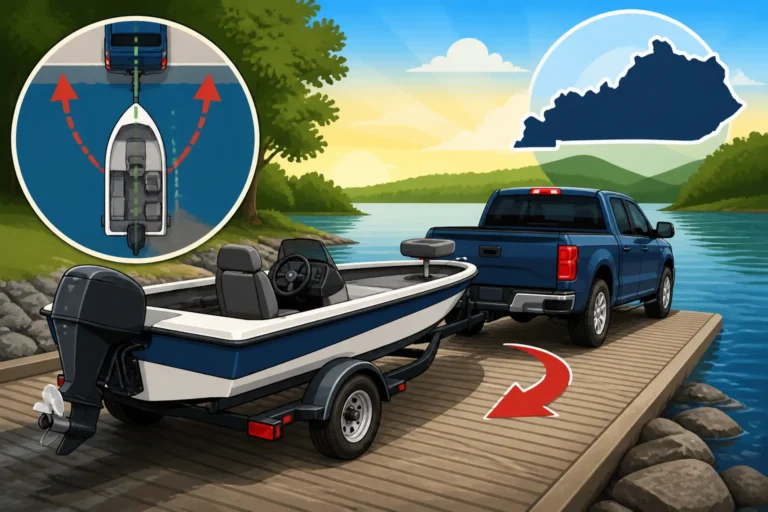
The absolute golden rule of boat ramp usage is to do as much preparation as possible before you ever get into the launch lane. This means ensuring your drain plug is securely in place, loading all your fishing gear, coolers, and safety equipment, untying all but the stern tie-downs, removing your boat cover, and checking that your boat lights are operational (especially for early morning or late evening launches). Nothing holds up a line of eager anglers faster than someone fumbling with their battery cables or realizing their anchor is still in the truck bed once they’re backing down. For specific guidance, review Boat Trailer Tips for Launching on Lake Barkley, as many of these tips apply universally.
Once you're in the launch lane, efficiency and courtesy are paramount. This is a shared space, and everyone wants to get on the water quickly. Have your driver ready to back down smoothly, and your co-angler or passenger ready to guide the boat off the trailer and move it to a courtesy dock, if available. Once your boat is in the water, retrieve your vehicle and trailer promptly and move it to a designated parking spot. Don't linger at the ramp, chatting or organizing your tackle, while others wait to launch.
When parking your truck and trailer, be mindful of others. Park efficiently and avoid taking up multiple spots, especially at crowded ramps. If a lot is particularly packed, consider whether there might be alternative parking areas nearby. A little patience and adherence to these simple courtesies can create a much more pleasant environment for everyone sharing the ramp.
Handling Crowds and Difficult Ramps
Crowded ramps are an unavoidable reality on prime fishing days, weekends, and holidays across Kentucky's popular lakes and rivers. However, there are strategies you can employ to minimize your wait time and frustration. One of the most effective methods is to simply adjust your timing. Arriving at the crack of dawn, or even earlier, often means you'll beat the rush. Similarly, launching later in the morning or early afternoon, once the initial wave of boaters has dispersed, can also provide a less hectic experience. If your schedule allows, consider fishing on weekdays when ramps are typically much less busy.
Navigating difficult ramps – those that are steep, narrow, slippery, or have limited turnaround space – requires extra caution and perhaps a bit more skill. If you're new to trailering or unsure about a particular ramp, don't hesitate to observe other boaters first. If you have four-wheel drive, engage it for added traction on steep or slick surfaces. Always have a spotter to guide you, especially if visibility is poor or the ramp is tricky. Remember that varying lake or river levels can significantly alter a ramp's difficulty; a gentle slope at high water might become a treacherous drop-off at low water.
Before heading out, consult resources for current conditions. The KDFWR website, local marina websites, and even online fishing forums or social media groups can provide valuable, sometimes real-time, insights into ramp conditions, water levels, and potential closures. Having a reliable flashlight or headlamp (easily found at Bass Pro Shops or Amazon) for low-light launches and a basic emergency kit in your vehicle are always good ideas. Finally, don't be afraid to have a backup ramp in mind. If your primary choice looks too crowded or difficult, having an alternative can save your day and ensure you still get to enjoy Kentucky's fantastic fishing. A Kentucky Fishing License Guide is your first step before even considering ramps! Don't forget your Kentucky Trout Permit Guide if you're targeting those cool water species, either!
| Lake Name | Typical Ramp Characteristics | Common Amenities | Best For | Considerations |
|---|---|---|---|---|
| Kentucky Lake | Multiple concrete lanes, gradual slope | Restrooms, parking, fuel, bait | Large bass boats, family recreation | Can be very crowded, especially peak season |
| Lake Barkley | Concrete, moderate to steep slope | Restrooms, parking, sometimes fuel | Bass, crappie, sauger boats | Water levels can impact accessibility |
| Lake Cumberland | Deep concrete, robust, often steep | Full marinas, large parking, dining | Larger boats, trout, walleye, houseboat access | Very deep water, can be challenging for novices |
| Herrington Lake | Steep concrete, limited turnaround | Basic restrooms, parking | Smaller boats, bass, crappie anglers | Requires careful maneuvering, often tight |
| Ohio River (City) | Wide, concrete, heavy duty | Parking, sometimes restrooms | Catfish, paddlefish, diverse boating | Strong currents, commercial traffic, debris |
| Ohio River (Rural) | Gravel or dirt, less maintained, shallow | Limited to none | Jon boats, kayaks, local access | Highly dependent on river levels, remote |
Disclaimer
This article is for general informational purposes only and does not constitute professional advice. Laws, prices and regulations vary by location and change over time. Consult a qualified professional for guidance on your specific situation.