Kentucky Crappie Daily Limit Rules
There’s nothing quite like a successful crappie fishing trip here in Kentucky. You finally find that perfect brush pile, the bite turns on, and before you know it, you've got a stringer full of those delicious panfish. But then a little anxiety creeps in: "Am I over the limit? Did I remember the size restrictions for this particular lake?" It's a common worry, and one that can easily take the fun out of a great day on the water. This comprehensive guide is here to clear up all the confusion surrounding Kentucky's crappie daily limit rules, ensuring your next trip is both fruitful and regulation-compliant.
Understanding Kentucky's Statewide Crappie Daily Limit
Let's start with the basics, because sometimes it feels like navigating fishing regulations requires a law degree. The good news is, for most of Kentucky's vast and beautiful waters, the crappie daily limit is pretty straightforward. You're allowed a generous number of these tasty fish, but it's crucial to understand the statewide regulation before you even cast your first line.
The Standard Rule for Black and White Crappie
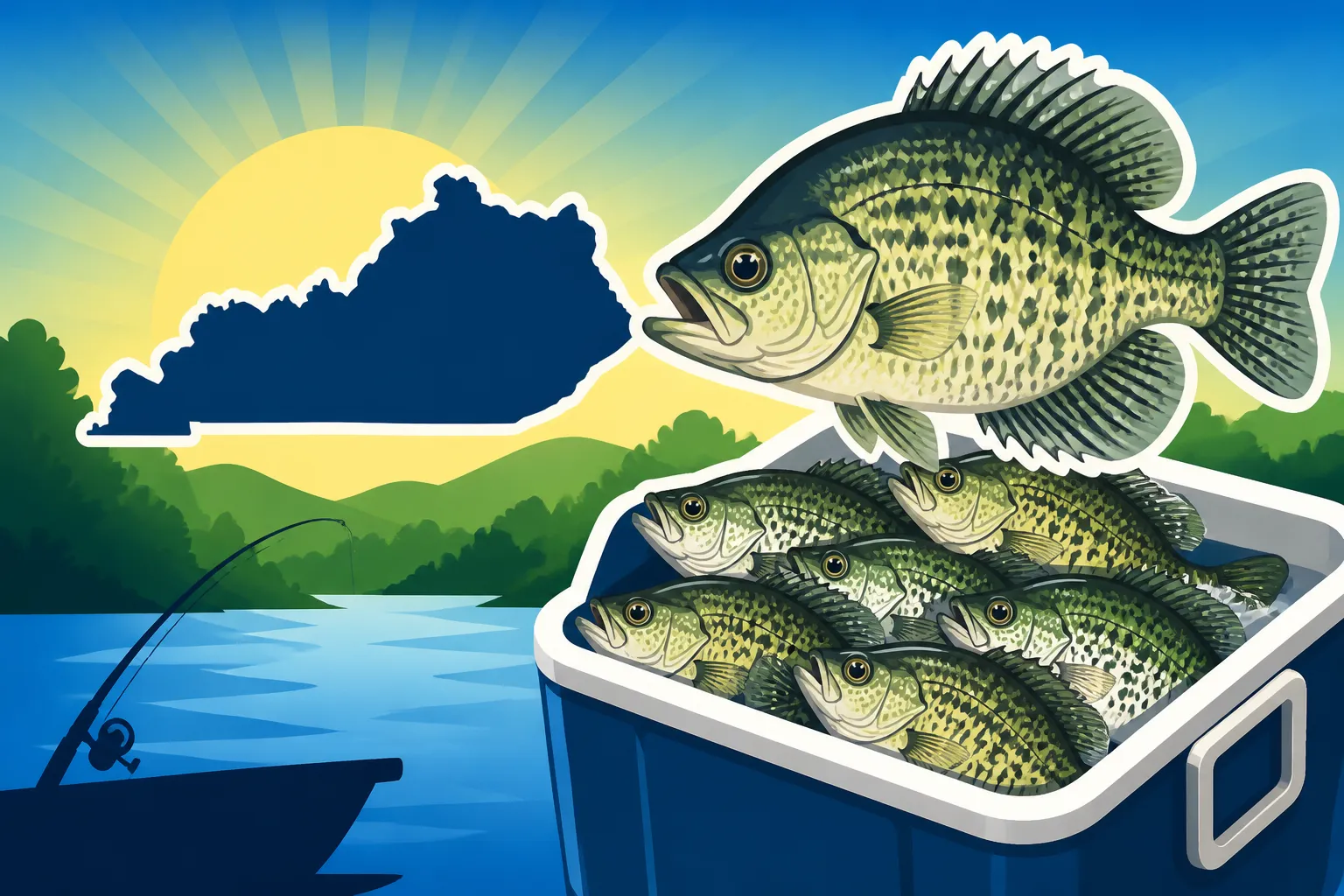
Across the vast majority of Kentucky’s public lakes, rivers, and streams, the statewide daily creel limit for crappie is 20 fish per person. This applies to both black crappie and white crappie, meaning you can mix and match until you hit that 20-fish total. So, if you catch 10 black crappie and 10 white crappie, you've reached your limit. This uniform rule simplifies things immensely for anglers who might move between different bodies of water within the state, as long as they aren't hitting one of the specific exception lakes (which we'll get to shortly). It's a good, solid number that allows for a hearty fish fry without over-harvesting the population.
It's important to remember that this is a daily limit. That means from midnight to midnight, you can keep 20 crappie. If you happen to stay out past midnight, technically a new fishing day begins, and you could start fresh with another limit, though most anglers aren't typically out for that extended period! This straightforward approach is a blessing, especially for new anglers who are just getting their feet wet in Kentucky's fantastic fishing scene. You can easily keep track of your catch, whether you're using a stringer, a cooler, or a livewell. Just be mindful as the day progresses.
Why Daily Limits Are So Important for Conservation
You might wonder why we even have these limits in the first place. It's not just to make things complicated for us anglers, I promise! Daily limits are a cornerstone of fisheries management and conservation efforts. Fish populations, even prolific ones like crappie, aren't endless. Without limits, it would be far too easy for a small number of anglers to deplete local populations, especially during peak spawning seasons when crappie are concentrated and easier to catch.
The Kentucky Department of Fish and Wildlife Resources (KDFWR) biologists spend countless hours studying fish populations, monitoring growth rates, spawning success, and angler harvest. Based on this data, they set limits that aim to ensure healthy, sustainable crappie populations for years to come. These rules help prevent overfishing, protect vulnerable age classes of fish, and maintain the ecological balance of our aquatic ecosystems. So, while it might feel like a hassle to count your fish, know that you're playing a vital role in preserving Kentucky's incredible fishing heritage for future generations. It’s all about balance – enjoying the resource responsibly so that your kids and grandkids can experience the same joy of catching crappie.
Specific Crappie Size Limits and Exceptions
While the 20-fish daily limit is largely consistent across Kentucky, there’s a crucial caveat: size limits. And this is where things can get a little tricky, because not all lakes are created equal when it comes to the minimum length a crappie needs to be before you can put it on your stringer. Ignoring these site-specific rules can land you in hot water, so let's dive into the details. If you're looking for an overarching look at fishing rules, check out our guide on Kentucky Fishing Regulations Explained.
Barren River Lake's Unique Crappie Size Restriction
Alright, pay close attention here, because Barren River Lake is the big exception when it comes to crappie size limits in Kentucky. Unlike most other waters where there's no statewide minimum size for crappie, Barren River Lake has a 10-inch minimum size limit for both black and white crappie. This means any crappie you catch on Barren River Lake must measure at least 10 inches from the tip of its nose to the tip of its tail (with the tail compressed) before you can keep it. If it's even a hair under, it goes right back into the water.
This regulation isn't arbitrary. The KDFWR has implemented the 10-inch minimum on Barren River Lake specifically to enhance the quality of the crappie fishery there. It allows more crappie to reach a larger, more desirable size before they're harvested, leading to better fishing for everyone in the long run. If you're planning a trip to this fantastic lake, remember this rule – it's one of the most important things to know. It’s easy to accidentally keep an undersized fish if you’re not carefully measuring, especially when the bite is hot. So, make sure you have a reliable measuring device on hand. Many anglers find a simple, adhesive measuring tape attached to their cooler lid or boat deck to be incredibly handy. You can even find flexible, waterproof rulers on Amazon that unroll easily.
The Rationale Behind Site-Specific Regulations
So, why would one lake have different rules than another? It all comes down to the unique characteristics of each body of water and its specific fish populations. Lakes vary greatly in their fertility, habitat structure, predator-prey relationships, and fishing pressure. What works to manage crappie in one lake might not be effective in another. For example, a lake with a history of stunted crappie growth might benefit from a minimum size limit to allow fish to grow larger. Conversely, a lake with an overabundance of small crappie might actually benefit from higher harvest limits on smaller fish to reduce competition for food and allow the remaining fish to grow faster.
These site-specific regulations are a testament to the KDFWR's adaptive management approach. They understand that a "one-size-fits-all" rule doesn't always lead to the best outcomes for every fishery. So, while the statewide daily limit of Kentucky Crappie Daily Limit: 20 Fish Statewide is a good starting point, always make it a habit to check the current fishing guide for the specific body of water you're planning to fish. You'll find sections dedicated to Statewide Bag and Size Limits by Fish Species that will detail any specific exceptions like the one at Barren River Lake, or dive deeper into Why Kentucky Fishing Limits Vary From Lake to Lake. It's the best way to stay informed and ensure you're fishing legally and responsibly.
Here’s a quick overview of key crappie regulations in Kentucky:
| Lake/Water Body | Daily Limit | Size Limit | Notes |
|---|---|---|---|
| Most Kentucky Waters | 20 fish | No minimum size | Applies to both black and white crappie |
| Barren River Lake | 20 fish | 10-inch minimum size | Designed to improve crappie growth and quality |
| Private Ponds | No state limit | No minimum size | Owner's discretion, but still adhere to license if applicable |
| Free Fishing Weekend | 20 fish | No minimum size | Daily and size limits still apply even without a license |
Practical Tips for Adhering to Crappie Limits on the Water
It's one thing to know the rules, but it's another to actually apply them when you're out there enjoying the tug of a crappie on your line. A busy day on the water can easily lead to mistakes if you're not careful. Let's talk about some practical strategies to help you stay within the legal limits and avoid any unnecessary headaches.
Measuring Your Catch Accurately
First things first: you absolutely need a reliable measuring device. Don't eyeball it, especially on lakes with a minimum size limit like Barren River Lake. Even an inch can make a difference between a legal fish and a fine. A simple, flat ruler, a bump board, or even a measuring tape affixed to your boat or cooler works wonders. When you catch a crappie, lay it flat against the ruler. Make sure the mouth is closed and it's touching the "zero" mark on the ruler. Then, gently squeeze the tail lobes together (this is called "compressing" the tail) and read the measurement at the longest point.
It’s a good practice to measure every fish if you’re uncertain, especially when you start catching fish that seem to be right on the borderline. Many experienced anglers keep a small, inexpensive measuring tape (you can find multi-packs on Amazon) in various tackle boxes and boat compartments, ensuring one is always within easy reach. This small habit takes only a few seconds but can save you a lot of trouble and ensures you're always on the right side of the regulations. And remember, when in doubt, release it. A safely released fish can grow bigger and be caught another day.
Safely Releasing Undersized or Excess Crappie
Releasing fish is just as important as keeping them, especially when you're dealing with size or daily limits. If a crappie is too small or if you've already reached your daily limit, it's crucial to release it as quickly and gently as possible to maximize its chances of survival. Handle the fish minimally, and with wet hands if possible, to protect its protective slime coat. Avoid touching its gills or eyes.
If the hook is easily removed, do so quickly with a pair of needle-nose pliers or a dehooking tool. If the fish is "gut-hooked" (meaning it swallowed the hook deeply), it's often best to simply cut the line as close to the hook as possible. Attempting to remove a deeply embedded hook can cause more harm than good. Gently lower the fish back into the water, allowing it to swim away on its own. Sometimes, a fish might need a moment to regain its bearings; hold it upright in the water and move it gently back and forth to force water over its gills until it kicks strongly and swims off. Practicing good catch-and-release techniques is part of being a responsible angler and contributes to the overall health of the fishery.
Keeping a Running Tally of Your Catch
When the crappie are biting fast and furious, it's incredibly easy to lose count. One minute you've got five, the next you're not sure if it's 18 or 21. This is where a simple system for keeping a running tally becomes invaluable. Some anglers use clickers, those little handheld counters that advance with each press. Others might move a clothespin from one side of their livewell to another for every fish kept, or mark a chalk board. A simple mental tally works for a few fish, but for 20 crappie, a physical counting method is your best bet.
Another trick is to count your fish as you place them into your cooler or livewell. If you have a separate compartment for your crappie, it’s easier to see how many you’ve accumulated. The moment you hit that 20th fish (or fewer if you're planning a smaller meal), you know it's time to switch to strictly catch-and-release, or perhaps even try for a different species. This discipline not only keeps you compliant with the regulations but also helps you manage your cooler space and ice levels more effectively. It’s better to be overly cautious than to accidentally exceed the limit and face potential penalties.
Common Misconceptions About Crappie Regulations
Fishing regulations can sometimes feel like a maze, leading to common misunderstandings that could put you on the wrong side of the law. Let's bust a couple of myths surrounding crappie limits in Kentucky to make sure you're fully informed. It's often these little details that trip up otherwise well-meaning anglers.
Private Ponds vs. Public Waters: Do Limits Apply Everywhere?
This is a big one, and it trips up a lot of folks, especially those new to fishing. Here's the deal: statewide daily and size limits for crappie generally do NOT apply to privately owned ponds and lakes where you have explicit permission to fish. If you're fishing a pond that is entirely on private property and not connected to public waterways, the owner can set their own rules for harvest. Often, pond owners want you to take home plenty of crappie to help manage their fish population, which can easily become overpopulated with small, stunted panfish.
However, there's a crucial caveat: even if you're fishing a private pond, you still generally need a valid Kentucky fishing license unless you fall under one of the specific exemptions (like being the landowner or a resident landowner's dependent). So, while the crappie limits might not apply, the basic requirement to have a Kentucky Fishing License Guide or a specific Kentucky Resident Annual Fishing License Cost certainly does in most cases. Always confirm with the pond owner about their specific expectations regarding harvest, but understand that state limits typically don't govern private water. The exception to this would be a private pond that has a direct, navigable connection to a public waterway, in which case it might be considered part of the public system for regulatory purposes.
Free Fishing Weekend and Crappie Limits
Kentucky's Free Fishing Weekend is an amazing opportunity for everyone, especially families and new anglers, to experience the joy of fishing without the need for a state fishing license. It's typically held on the first weekend of June, offering two full days of license-free angling. While it waives the license requirement, it's critical to understand that all other fishing regulations, including crappie daily limits and any lake-specific size limits, still apply during Free Fishing Weekend.
This means that during Kentucky Free Fishing Weekend: No License Needed for Two Days, you are still limited to 20 crappie per person per day on most waters, and if you're on Barren River Lake, that 10-inch minimum size limit is still in full effect. The goal of the weekend is to encourage participation, not to promote unrestricted harvesting. So, treat it just like any other fishing day in terms of conservation and regulations. Make sure to check the official KDFWR website for the exact dates of the Kentucky Free Fishing Weekend 2026 Dates if you're planning your trip around this special event, but always plan to abide by all other rules.
What Happens If You Exceed the Crappie Limit?
Nobody wants to imagine this scenario, but it's important to be realistic. Accidents happen, or sometimes, unfortunately, rules are intentionally broken. Understanding the potential consequences of exceeding the crappie limit can be a strong motivator to ensure you're always compliant. Ignoring the regulations isn't just a slap on the wrist; it can have real impacts.
Encountering a Kentucky Game Warden
Kentucky Fish and Wildlife Conservation Officers, often called game wardens, are the frontline enforcers of fishing regulations. They patrol lakes, rivers, and streams, and their job is to ensure everyone is following the rules, protecting Kentucky's natural resources. If you're on the water and a warden approaches your boat or stops you on the bank, stay calm and be cooperative. They have the authority to ask you about your catch, inspect your livewell or cooler, and ask to see your fishing license.
When a warden checks your catch, they will count your fish and often measure any that are subject to a size limit. If they find you have more crappie than the daily limit allows, or fish that are under a specific size limit for that body of water, they will likely issue you a citation. This isn't a friendly warning in most cases; it's a legal document. They're not out to ruin your day, but they are serious about enforcing conservation laws. Being respectful and honest, even if you’ve made a mistake, is always the best approach. Hiding fish or being argumentative will only make the situation worse. Expect a thorough check, especially if you're in a known crappie hotspot or if they observe suspicious behavior. They are well-versed in Game Warden Enforcement and License Checks While Fishing.
Potential Penalties for Violating Crappie Limits
The penalties for violating fishing regulations in Kentucky can vary depending on the severity of the offense, your past history, and the discretion of the court. However, typically, exceeding bag limits or keeping undersized fish is considered a misdemeanor offense. This can result in several consequences:
- Fines: You will almost certainly face monetary fines. These can range from a few hundred dollars to more substantial amounts, especially if you're significantly over the limit or if it's a repeat offense. It's far more expensive than simply buying a good quality fishing reel from Amazon.
- Court Appearance: You'll likely be required to appear in court, which means taking time off work and potentially incurring legal fees if you choose to hire an attorney.
- Loss of Privileges: One of the most significant penalties for serious or repeat violations is the suspension of your fishing (and sometimes hunting) privileges. This means you could be legally prohibited from fishing in Kentucky waters for a period, which for passionate anglers, is a truly painful consequence.
- Confiscation: In some cases, fish, fishing gear, or even your boat could be confiscated.
The exact penalty will be determined by the judicial system, but it's safe to say that getting caught over the crappie limit is not a minor inconvenience. It’s far cheaper and less stressful to simply adhere to the regulations. If you're curious about what other infractions might entail, you can look up articles on Penalties for Fishing Without a License in Kentucky, as similar principles apply to other fishing violations. The bottom line is, understanding and respecting the limits is not just about compliance, it's about protecting yourself and the future of Kentucky fishing.
Local Crappie Hotspots and Their Specific Rules
Kentucky is blessed with an abundance of fantastic crappie fishing opportunities. From massive reservoirs to winding rivers, there's usually a crappie bite happening somewhere. While the statewide 20-fish limit generally applies, it's always smart to double-check for any unique local rules, especially regarding size. Let's look at some of the most popular crappie destinations and what to expect.
Crappie Limits on Kentucky Lake and Lake Barkley
Kentucky Lake and Lake Barkley, often referred to collectively as the "Land Between the Lakes" region, are absolute crappie powerhouses. These vast reservoirs are renowned for their incredible crappie fishing, attracting anglers from all over the country. Millions of crappie are harvested from these waters annually, making their management crucial. Good news for anglers heading to these legendary lakes: the standard statewide crappie daily limit of 20 fish per person applies, with no minimum size limit. This means you can keep any crappie you catch, as long as you don't exceed your 20-fish daily bag.
This straightforward rule makes fishing these lakes a little less complicated when it comes to regulations. However, don't let the lack of a size limit make you lazy about measuring; you still need to count! Anglers often target these lakes during the spring spawn when crappie move into shallower waters, or in the fall and winter when they congregate in deeper brush piles and creek channels. Many anglers use advanced fish finders, which you can find a wide selection of on Amazon, to locate these productive crappie grounds. For an even deeper dive into fishing these specific areas, check out our Kentucky Lake Crappie Fishing: Best Time of Year and Kentucky's Lake Barkley Crappie Fishing Guide articles. Both lakes offer incredible opportunities, but success depends on knowing where to find them and what baits they prefer.
Other Popular Crappie Lakes and Their Nuances
Beyond the big two, Kentucky boasts numerous other lakes that offer fantastic crappie fishing, each with its own character. For most of these, the statewide 20-fish daily limit and no minimum size limit will be the rule. However, it's crucial to always, always verify the most current regulations for your specific destination. Here are a few examples of other crappie-rich lakes and what you might find:
- Lake Cumberland: Known more for its trout and walleye, Lake Cumberland also holds a respectable crappie population. The statewide 20-fish limit applies here, with no size minimum.
- Taylorsville Lake: This popular central Kentucky lake is a favorite for crappie anglers. Expect the standard 20-fish daily limit and no size minimum.
- Green River Lake: Another excellent crappie destination, Green River Lake also adheres to the statewide 20-fish daily limit with no size restriction.
- Herrington Lake: Kentucky's deepest lake also has a good crappie bite, particularly in its upper reaches. Again, the 20-fish daily limit with no size minimum applies.
While these examples typically follow the statewide rule, fisheries management can evolve. New regulations can be introduced if biologists identify a need to protect or enhance a specific fishery. Imagine planning a trip based on old information only to find out the rules changed last year! That’s why a quick check of the KDFWR's annual fishing guide or their website before each trip is the best habit you can form. It ensures you're fishing legally and contributing to the conservation efforts that make Kentucky such an outstanding fishing state.
Disclaimer
Please be aware that fishing regulations, including daily limits and size restrictions, are subject to change. While we strive to provide the most accurate and up-to-date information, it is always the angler's responsibility to consult the official Kentucky Department of Fish and Wildlife Resources (KDFWR) fishing guide or website before heading out on the water. This content is for informational purposes only and should not be considered legal advice.