Penalties for Fishing Without a License in Kentucky
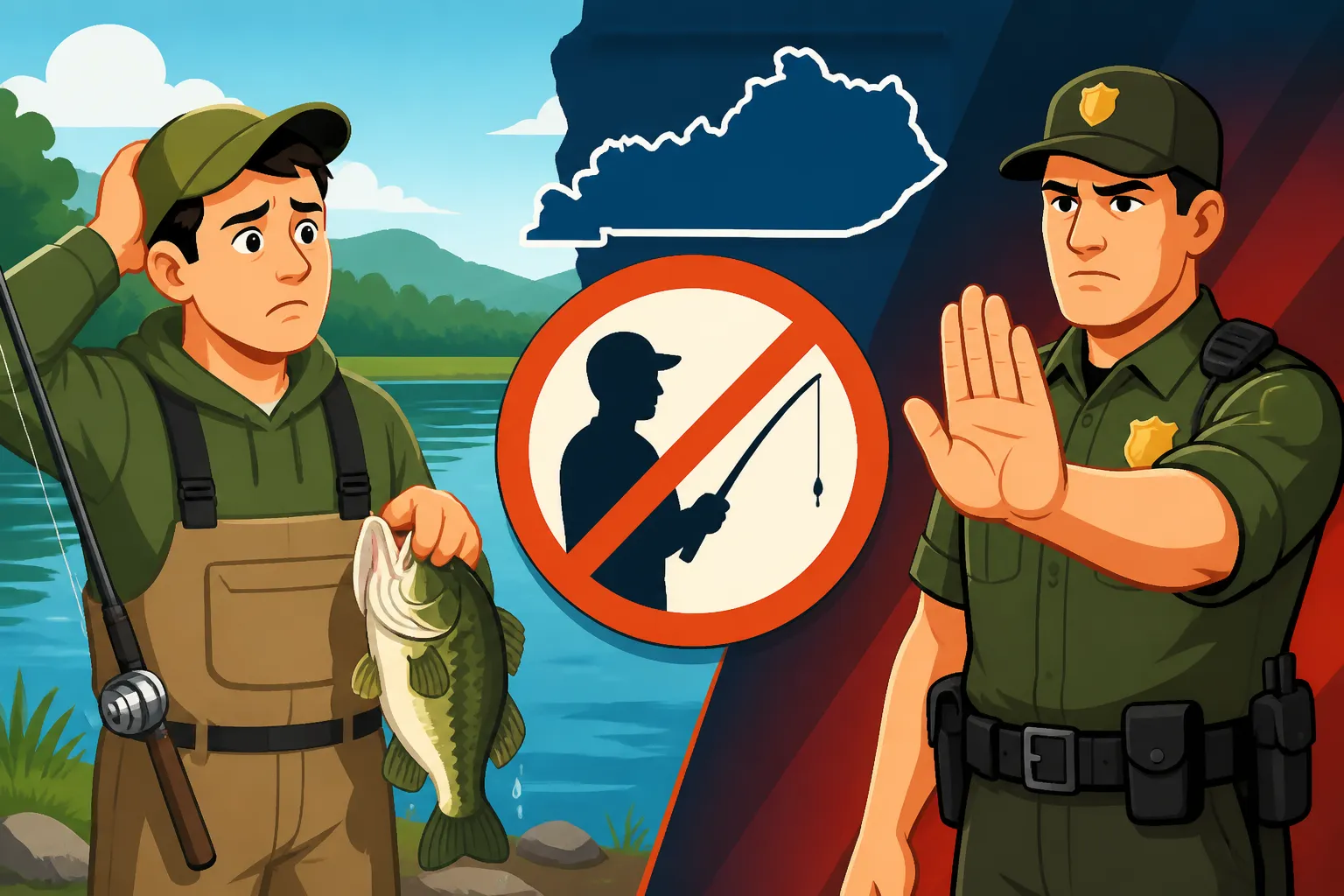
It’s a scenario no angler wants to face: you’re out on the water, enjoying a peaceful day, when suddenly a game warden pulls up. Your heart sinks as you realize you forgot to renew your fishing license, or perhaps you never even bought one. The thought of getting caught fishing without a license in Kentucky can be anxiety-inducing, and it's a mistake that can lead to some pretty significant headaches. This comprehensive guide is here to break down exactly what happens when you’re found without a proper fishing license in Kentucky, outlining the immediate and long-term consequences and, most importantly, how to avoid them.
Understanding the "Why": Why a License is Required in Kentucky
Before we dive into the nitty-gritty of penalties, it’s really helpful to understand why these regulations exist in the first place. It's not just about creating hoops for us anglers to jump through; there's a much larger, more vital purpose behind it all. When you purchase a fishing license in Kentucky, you're not just buying a piece of paper; you're investing in the future of the state's natural resources and the very sport we all love.
The Role of the Kentucky Department of Fish and Wildlife Resources
The Kentucky Department of Fish and Wildlife Resources (KDFWR) is the state agency tasked with conserving, protecting, and enhancing Kentucky's fish and wildlife populations and their habitats. Think of them as the stewards of our outdoor heritage. They manage everything from fish stocking programs in lakes like Lake Cumberland and Lake Barkley to habitat restoration projects along the Ohio River. Their biologists conduct crucial research to ensure fish populations are healthy and sustainable, setting appropriate Kentucky fishing regulations explained that dictate bag limits, size restrictions, and season dates for various species.
This agency is dedicated to making sure that when you cast your line into a Kentucky waterway, there are actually fish there to catch, not just for today but for generations to come. They're the ones ensuring the trout populations thrive in the cold waters and that our bass, crappie, and catfish fisheries remain robust. Without their oversight and the funding generated by licenses, our fishing opportunities would quickly dwindle.
How License Fees Support Conservation
Every single dollar collected from the sale of fishing licenses goes directly back into the KDFWR. This isn't money that disappears into a general state fund; it's earmarked specifically for fish and wildlife conservation and management. These funds pay for essential operations like stocking millions of fish annually, maintaining public boat ramps and access points, conducting scientific surveys, enforcing regulations, and educating the public on safe and responsible angling practices. For example, your license fee helps fund the stocking of rainbow trout in various waters or supports research into the spawning patterns of largemouth bass.
It’s an investment in our shared passion. When you're considering the Kentucky Fishing License Costs and Types, remember that you’re contributing to a system that directly benefits the environment and enhances your own fishing experiences. It’s a small price to pay for the privilege of enjoying Kentucky's abundant natural beauty and diverse fish species, and it helps ensure those opportunities are there for everyone.
The Immediate Consequences: What Happens When You're Caught
So, you're out fishing, and you didn't buy a license. Maybe you genuinely forgot, or perhaps you thought you could sneak by. The moment a Kentucky game warden approaches, that peaceful day can quickly turn stressful. Understanding what might happen next can help you navigate the situation, even if it's an uncomfortable one.
The Game Warden's Authority and What to Expect
Kentucky game wardens, officially known as conservation officers, are highly trained law enforcement officers with specific authority related to fish and wildlife laws. When a game warden approaches you on the water or at a fishing access point, they have the right to request your fishing license, identification, and inspect your catch and gear to ensure compliance with all fishing regulations. They're not just looking for licenses; they're also checking for adherence to Statewide Bag and Size Limits by Fish Species and other rules.
It's crucial to remain calm and cooperative. Getting defensive or argumentative will not help your situation and could potentially lead to further complications. Present your identification and, if asked, your fishing license (or explain why you don't have one). Be honest about your situation. They are professionals and are simply doing their job to uphold the law and protect our natural resources.
Receiving a Citation or Summons
If you are caught fishing without a valid license, the most common immediate consequence is receiving a citation, which is essentially a ticket. This citation will outline the specific violation (e.g., "Fishing without a valid Kentucky Resident Annual Fishing License") and often include a court date and the potential fine amount. This isn't usually a simple roadside warning; it's a formal legal document requiring your attention.
The warden might explain your options, which typically involve paying a fine or appearing in court to contest the charge. In many cases, especially for a first offense of fishing without a license, the officer may issue a Uniform Citation, and you might be able to pay the fine without a court appearance, much like a traffic ticket. However, if there are aggravating circumstances, or if you refuse to cooperate, a mandatory court appearance will likely be required. This could be where you find yourself needing to seek legal advice.
Potential Equipment Seizure
While less common for a simple fishing without a license offense compared to more serious violations like significant poaching, game wardens do have the authority to seize equipment. This can include your fishing rods, reels, tackle, and even your boat or vehicle if it was used in the commission of a serious offense. For a straightforward "no license" citation, this is usually not the first course of action, but it's a power they possess, particularly if you are uncooperative or if there are other, more serious violations at play, such as gross violations of bag limits or illegal fishing methods.
Imagine being on the water with a brand new fishing setup you just ordered from Amazon, only to have it confiscated because you overlooked a small detail like a license. It’s a stark reminder of the importance of being fully compliant before heading out. While rare for a minor infraction, the possibility exists and should serve as a strong motivator to always have your Kentucky Fishing License Guide in order.
Legal and Financial Penalties: Beyond the Initial Encounter
Getting a citation on the spot is just the beginning. The repercussions of fishing without a license in Kentucky can extend far beyond that initial interaction, impacting your wallet, your time, and even your future ability to enjoy the sport.
Fine Amounts and Court Costs
The exact fine for fishing without a license in Kentucky can vary depending on the county, the judge, and whether it's your first offense or a repeat violation. Generally, the base fine for this type of infraction can range from around $50 to $100, but that's rarely the final number. You'll also likely be assessed court costs, which can easily add another $100 or more to the total. So, a simple oversight could quickly cost you upwards of $150-$200, possibly more. When you consider that a Kentucky Resident Annual Fishing License Costs $24.31, paying hundreds of dollars in fines for not having one feels like a pretty bitter pill to swallow.
Many jurisdictions allow you to pay these fines online or by mail before your court date, especially for minor offenses. However, if you choose to appear in court, you might also incur legal fees if you decide to hire an attorney, further increasing the financial burden. This is a situation where prevention is definitely cheaper than the cure.
Possible Jail Time or Probation
While it's highly unlikely that a first-time offense of merely fishing without a license would land you in jail, it's technically a misdemeanor offense in Kentucky. Misdemeanor charges carry the potential for up to 90 days in jail and/or a fine of up to $250. For repeat offenders, or if combined with other serious violations like exceeding bag limits or fishing during a closed season, the penalties can become much more severe, including mandatory court appearances, higher fines, and even probationary periods.
Probation could come with conditions such as not being allowed to fish for a certain period, or requiring you to report regularly to a probation officer. This isn't a scenario anyone wants to find themselves in, all for the sake of a relatively inexpensive license. It’s a serious reminder that these aren't just suggestions; they are laws.
The Impact on Your Fishing Privileges
Perhaps one of the most disheartening penalties for an avid angler is the potential loss of fishing privileges. Beyond the immediate fines and court costs, a conviction for fishing without a license could lead to a suspension of your ability to obtain a fishing license for a period of time. This means you might be legally prohibited from fishing in Kentucky waters for one, two, or even more years.
Imagine planning your annual trip to Kentucky Lake: The State's Top Bass Fishing Destination or a serene day on Lake Cumberland, only to remember you can't cast a line because of a past infraction. This suspension might also extend to hunting licenses, as these are often tied together under state wildlife regulations. It's a penalty that cuts deep for anyone who cherishes their time outdoors.
Long-Term Repercussions: More Than Just a Fine
The immediate financial and legal consequences of fishing without a license are clear, but the impact can stretch much further, affecting your future plans and even how you're perceived by the angling community.
Difficulty Obtaining Future Licenses
Once you've been cited and convicted for fishing without a license, that information enters the KDFWR's system. When you go to purchase a new license in the future, whether it's online or at a local vendor, your past violation might flag your application. While it might not outright prevent you from buying a license forever, it could certainly complicate the process, potentially leading to delays or additional scrutiny. Some states even have systems where repeat offenders face escalating penalties that include longer suspension periods.
It's a black mark on your angling record, and it can make simple tasks like renewing your Kentucky Fishing License Year and Renewal Dates more cumbersome than they need to be. The ease of buying a license from a retailer or through a quick online process is often taken for granted until you're faced with administrative hurdles due to a past mistake.
Reciprocity Issues with Neighboring States
Many anglers enjoy fishing across state lines, especially those living near Kentucky's borders with states like Tennessee, Ohio, or Indiana. While Kentucky doesn't have extensive Tennessee-Kentucky Fishing License Reciprocity Rules or similar agreements with all its neighbors, there are shared waters where understanding licensing is critical. A conviction for a wildlife violation in one state, including fishing without a license, can sometimes be recognized by other states through interstate compacts.
This means that a suspension of your fishing privileges in Kentucky could potentially extend to those neighboring states as well, effectively banning you from fishing in a much larger region. It’s a sobering thought that one mistake could impact your ability to fish in multiple states, cutting you off from beloved fishing spots and planned trips. Always check the rules for Nonresident Annual Fishing License Cost in Kentucky if you plan to fish from out of state.
The "Poaching" Stigma and Public Perception
While fishing without a license might seem like a minor offense compared to commercial poaching operations, it technically falls under the umbrella of unlawful taking of wildlife, which is often broadly referred to as poaching. Within the tight-knit angling and conservation communities, being caught without a license can carry a significant social stigma. Ethical anglers understand that licenses are fundamental to conservation, and those who flout the rules are often viewed as disrespecting the resource and the efforts of others.
This isn't just about legal penalties; it's about your reputation among fellow outdoors enthusiasts. Many anglers take pride in following the rules and supporting conservation. Being associated with violating those rules can damage your standing and the trust placed in you within the community. It's a reminder that responsible angling is about more than just catching fish; it's about respecting the environment and the community around it.
Avoiding the Headache: Easy Ways to Stay Compliant
The good news is that all these potential penalties and long-term headaches are entirely avoidable! Staying compliant with Kentucky's fishing regulations is surprisingly easy and takes just a few minutes of your time.
How to Secure Your Kentucky Fishing License
Getting your fishing license in Kentucky is a breeze, seriously. The most convenient way for many folks is to How to Buy a Kentucky Fishing License Online through the KDFWR website. It’s a quick, user-friendly process where you can purchase and print your license from the comfort of your home, or even save a digital copy to your phone. This means no more worries about losing a paper copy; you’ll have it right there with you, accessible via your smartphone.
If you prefer an in-person touch, licenses are also readily available at hundreds of vendor locations across the state. Think of places like your local Walmart, bait and tackle shops, sporting goods stores like Cabela's, or even some county clerk offices. Just walk in, provide some basic identification, and you'll walk out with your valid license. It’s that simple. Remember, it’s always better to get your license before you head out, not when you’re already at the water.
Understanding License Types and Requirements
Kentucky offers a variety of fishing licenses to suit different needs, so it’s important to pick the right one. For most Kentucky residents, the standard option is the Kentucky Resident Annual Fishing License Cost. This license covers you for a full license year, which runs from March 1st to the last day of February the following year. If you're just visiting for a short trip, a Kentucky Resident 1-Day Fishing License Price might be more economical. Non-residents have similar options, including the Nonresident 1-Day Fishing License Price in Kentucky or a Nonresident 7-Day Fishing License Cost in Kentucky for longer stays.
Don't forget about specific permits if you plan on targeting certain species. For example, if you're chasing trout in any of the state’s designated trout waters, you’ll need to add a Kentucky Trout Permit Guide to your fishing license. Kids under 16 generally don't need a license, but it's always good to double-check the Kentucky Fishing License Requirements for Kids to be sure. Taking a moment to understand these options ensures you're fully covered for your specific fishing plans.
Checking Up-to-Date Regulations
The regulations for fishing in Kentucky can change, sometimes annually, sometimes even mid-season if conditions warrant. It's not enough to just buy a license; you also need to be aware of the rules that govern where, when, and what you can catch. The KDFWR website is your best friend here, offering free access to the most current fishing and boating guide. You can download it as a PDF or view it directly online.
Before every trip, especially to a new lake or river, make it a habit to check the site-specific regulations. Lakes like Barren River Lake or Lake Barkley might have different size or creel limits for certain species compared to the statewide rules. A quick search can help you verify those details, making sure you don't inadvertently break a rule. You can even find specific items on Amazon, like waterproof regulation guides or state-specific fishing maps that highlight these details. This proactive approach ensures you're always fishing legally and responsibly, protecting both yourself and Kentucky's cherished aquatic resources.
Here's a quick look at how various fishing violations stack up in terms of potential penalties:
| Violation Category | Typical Scenario | Common Initial Penalty | Potential Additional Penalties | Impact on Future Fishing Privileges |
|---|---|---|---|---|
| No Valid Fishing License | Fishing without purchasing a license | Fine (~$50-$100) + Court Costs | Misdemeanor charges, license suspension, equipment seizure | Possible temporary suspension |
| Exceeding Bag Limit | Keeping more fish than legally allowed | Fine (per fish over limit) + Court Costs | Misdemeanor, license suspension, equipment seizure, probation | Probable temporary suspension |
| Catching Undersized Fish | Keeping fish below the legal length | Fine (per fish) + Court Costs | Misdemeanor, license suspension, equipment seizure | Possible temporary suspension |
| Fishing in Closed Waters | Fishing during a prohibited season or area | Fine + Court Costs | Misdemeanor, license suspension, equipment seizure | Probable temporary suspension |
| Using Illegal Gear/Methods | Using prohibited nets, trotlines, or snagging | Hefty Fines + Court Costs | Misdemeanor, equipment seizure, license suspension, jail time | Likely long-term suspension |
| Refusing Inspection | Not complying with a game warden's request | Fine + Court Costs | Misdemeanor, obstruction charges, equipment seizure | Possible temporary suspension |
Please note: This table provides general information. Actual penalties can vary based on specific circumstances, jurisdiction, and judicial discretion.
Disclaimer
The information provided in this guide is for general informational purposes only and does not constitute legal advice. While we strive to provide accurate and up-to-date information, fishing regulations and penalties are subject to change. It is always the responsibility of the individual angler to consult the official regulations published by the Kentucky Department of Fish and Wildlife Resources or other relevant authorities before engaging in any fishing activities. If you have received a citation, it is recommended to seek legal counsel to understand your rights and obligations.