Kentucky Crappie Daily Limit: 20 Fish Statewide
It's incredibly frustrating when you're out on the water, having a great day fishing, and suddenly a nagging doubt creeps in: "Am I even allowed to keep this many crappie?" The ever-changing rules and specific lake exceptions can make keeping track of daily limits a real headache, potentially turning a relaxing outing into an anxious one. This comprehensive guide is here to clear up all the confusion surrounding Kentucky's statewide crappie daily limit, ensuring you can fish with confidence and stay on the right side of the regulations.
Understanding Kentucky's Statewide Crappie Daily Limit
For most anglers in the Bluegrass State, the crappie daily limit is a straightforward affair, designed to ensure sustainable fishing for generations to come. When you head out to your favorite lake or river, you're generally expected to adhere to a common standard that applies to these beloved panfish. It's a foundational rule that every Kentucky angler should commit to memory before casting a line.
The Standard 20-Fish Rule
Across the vast majority of Kentucky's public waters, the daily creel limit for crappie is 20 fish per angler. This means that in any given 24-hour period, you are legally permitted to harvest no more than twenty crappie. This limit is crucial for managing the crappie population, preventing overfishing, and allowing the fish to reproduce and grow, maintaining a healthy ecosystem for everyone to enjoy. It's a simple number, but its impact on the long-term health of our fisheries is immense.
It's important to understand that this "20-fish rule" applies to both black crappie and white crappie combined. There isn't a separate limit for each species; they both count towards that same total of twenty. So, if you catch ten black crappie and ten white crappie, you've reached your daily limit. This combined approach makes compliance easier for anglers, as you don't need to be an expert in distinguishing between the two species while rapidly reeling in a hot bite. For more details on the general rules, check out our guide on Kentucky Fishing Regulations Explained to get a broader understanding of what to expect.
How to Count Your Catch
Keeping an accurate count of your crappie catch is more critical than you might think. It's not just about avoiding a fine; it's about being a responsible angler. One common method many seasoned crappie anglers use is a simple clicker counter, which you can easily find on Amazon. Just click once for every crappie you place in your livewell or cooler. This way, you don't have to rely on memory, especially during those fast-paced bites when you're caught up in the excitement.
Another practical tip, especially if you're fishing with multiple people on the same boat, is to have a designated section in the cooler or livewell for each angler's catch, or clearly mark buckets. This prevents confusion and ensures that no one accidentally exceeds their individual limit. Game wardens often encounter situations where groups of anglers inadvertently go over the collective limit because they weren't tracking individual catches properly. Always know your limit before you even head out, and have a system in place to monitor your progress throughout the day.
Site-Specific Exceptions to the Statewide Rule
While the 20-fish statewide daily limit for crappie is a good general guideline, Kentucky is home to numerous diverse water bodies, and some of them have their own unique regulations. Ignoring these specific rules can quickly turn a successful fishing trip into a costly mistake. It's truly essential to do a quick check on the Kentucky Department of Fish and Wildlife Resources (KDFWR) website before you visit any new lake or river.
Barren River Lake's Unique Crappie Size Limit
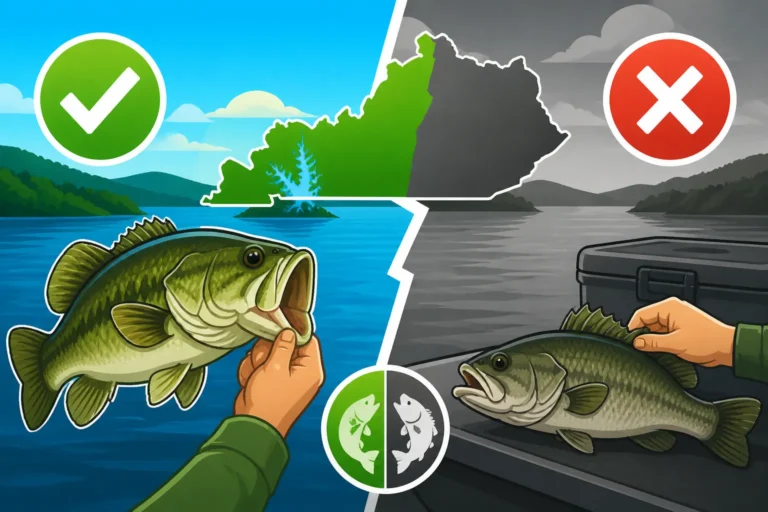
Perhaps the most notable exception to the statewide crappie regulations is found at Barren River Lake. Here, anglers face not only a daily limit but also a 10-inch minimum size limit for crappie. This means that any crappie you catch that measures less than 10 inches from the tip of its nose to the end of its tail must be immediately released back into the water, regardless of whether you've reached your 20-fish daily creel limit. This specific regulation is in place to help protect smaller crappie, allowing them to grow to a more substantial size and contribute more effectively to the lake's breeding population.
The reasoning behind this stricter size limit at Barren River Lake is often tied to local fisheries management goals, such as improving the overall quality of the crappie population, enhancing growth rates, or addressing specific population dynamics within that particular water body. It’s a classic example of how biology and environmental factors can necessitate different rules from one lake to another. It's why we always stress checking specific regulations for different locations, as discussed in our detailed article on Barren River Lake Crappie Size Limit in Kentucky. This specific rule is a clear indicator that while the statewide creel limit is universal, a size restriction is not, and anglers must be diligent.
Why Lake-Specific Rules Exist
You might wonder why some lakes have different rules than others. It really comes down to local ecological factors and targeted fisheries management. Each body of water has its own unique characteristics: water chemistry, habitat availability, predator-prey relationships, and even angler pressure can vary dramatically from one lake to the next. For instance, a lake with abundant forage might support a faster-growing crappie population, potentially leading to different regulations. Similarly, a lake that receives heavy fishing pressure might need stricter limits to prevent depletion.
Fisheries biologists constantly monitor fish populations, growth rates, and spawning success in Kentucky's lakes and rivers. Based on their findings, they recommend specific regulations to ensure the long-term health and sustainability of the fishery. This localized approach is critical because a "one-size-fits-all" rule simply wouldn't work for every lake. So, before your next trip, especially to a new destination, always consult the official KDFWR regulations. It’s important to acknowledge that Does Kentucky Have a Size Limit on Crappie? can be a common question, and as you can see, the answer isn't always a simple "yes" or "no" statewide. Always verify the rules for your specific fishing destination.
| Regulation Aspect | Statewide Crappie Limit | Barren River Lake Crappie Limit |
|---|---|---|
| Daily Creel Limit | 20 fish per angler | 20 fish per angler |
| Minimum Size Limit | None | 10 inches |
| Applicable Species | Black & White Crappie | Black & White Crappie |
| Conservation Goal | Prevent overfishing | Improve population quality, growth |
Practical Implications for Anglers
Understanding the crappie daily limit and any site-specific exceptions isn't just about following the law; it's about being a prepared and ethical angler. The Kentucky Department of Fish and Wildlife Resources (KDFWR) takes these regulations seriously, and so should you. A little bit of preparation can save you a lot of trouble on the water.
Avoiding Common Mistakes and Penalties
Exceeding the crappie daily limit, or keeping undersized fish where a size limit applies, is not just a minor oversight. It's a violation of state fishing regulations and can lead to significant penalties. These can range from substantial fines that can easily run into hundreds of dollars, to the confiscation of your catch, and even your fishing equipment. In some cases, repeated violations could impact your ability to obtain future fishing licenses. Imagine having your prized rod and reel, or even your boat, seized by a game warden—it's a scenario no angler ever wants to face.
The key to avoiding these pitfalls is simple: know before you go. Always double-check the regulations for the specific body of water you plan to fish, especially if you haven't been there in a while or if it's a new spot. Regulations can change periodically, so relying on old information is risky. It's much easier to spend a few minutes reviewing the KDFWR website than to deal with the consequences of a violation. Remember, ignorance of the law is generally not considered a valid excuse. While this article focuses on crappie, understanding enforcement is crucial, and you can learn more about general enforcement practices in our article on Game Warden Enforcement and License Checks While Fishing.
Gear and Techniques for Responsible Crappie Fishing
Responsible crappie fishing goes hand-in-hand with adherence to limits and ethical practices. Having the right gear can actually help you stay compliant and contribute to conservation. For instance, a reliable fishing ruler or a measuring board is an absolute must-have, especially when fishing waters with size limits like Barren River Lake. You can easily find compact, waterproof rulers perfect for tackle boxes on Amazon, ensuring you can quickly and accurately measure your catch. This tool prevents you from accidentally keeping an undersized fish and allows for a quick, safe release if it doesn't meet the minimum length.
When practicing catch-and-release, especially for those crappie that don't meet the size limit or if you've already reached your daily creel, using appropriate techniques and gear is vital for the fish's survival. Consider using barbless hooks, or hooks that are easy to remove, to minimize harm. Handling fish gently, supporting their body weight, and releasing them quickly are all best practices. These small efforts ensure that the crappie you release have the best chance of survival, contributing to healthy populations for future generations of anglers. If you're looking for more tips on targeting crappie, don't forget to check out our guide on How to Rig a Jig for Crappie Fishing.
The Bigger Picture: Conservation and Sustainability
Fishing regulations, including daily limits and size restrictions, are not put in place to make our lives harder. Far from it! They are a critical component of a much larger, vital effort to maintain healthy and thriving fish populations within Kentucky's precious aquatic ecosystems. Every crappie angler, from the seasoned veteran to the beginner, plays an active role in this conservation effort.
The Role of Daily Limits in Healthy Fish Populations
Daily limits are a fundamental tool in fisheries management, specifically designed to prevent overharvesting. Imagine if there were no limits on how many fish an angler could keep; it wouldn't take long for the crappie populations in popular lakes to become severely depleted. These limits ensure that enough fish are left in the water to reproduce successfully, safeguarding the next generation of crappie. This balance is crucial for maintaining the delicate ecosystem, ensuring food sources for other aquatic animals, and keeping our waters healthy and vibrant.
By adhering to these limits, you're directly contributing to the long-term health of crappie fishing in Kentucky. It means that years from now, you, your children, and even grandchildren will still have the opportunity to experience the thrill of a crappie bite. It's a proactive approach to ensure sustainable recreational opportunities, allowing both the fish populations and the sport of fishing to flourish. Understanding the nuances, like whether Statewide Crappie Limit: No Size Minimum Except One Lake applies, helps enforce this crucial balance.
Contributing to Kentucky's Fishing Future
Every time you cast a line, you become a steward of Kentucky's natural resources. Beyond just following the daily limits, practicing ethical angling is about respect for the fish, the environment, and your fellow anglers. This includes proper handling of fish you intend to release, disposing of trash responsibly, and being mindful of other users on the water. It’s these small, consistent actions that collectively make a huge difference in the grand scheme of things.
If you ever witness someone intentionally violating fishing regulations—such as clearly exceeding limits or poaching—it's important to report it to the KDFWR. You can usually do this anonymously. Reporting violations helps protect the resource for everyone and ensures that those who disregard the rules are held accountable. Your active participation in responsible angling and conservation helps secure a vibrant fishing future for all Kentuckians. For more about species-specific fishing, be sure to read our comprehensive guide on Kentucky Crappie Fishing: Spring Spawn Run Guide.
Disclaimer
The information provided in this guide is intended for general informational purposes only and is subject to change. While we strive to offer accurate and up-to-date content, fishing regulations, daily limits, and size restrictions can be updated by the Kentucky Department of Fish and Wildlife Resources (KDFWR) at any time. It is always the angler's responsibility to consult the most current official KDFWR regulations before engaging in any fishing activity. This guide should not be considered a substitute for legal advice or official regulatory documentation.