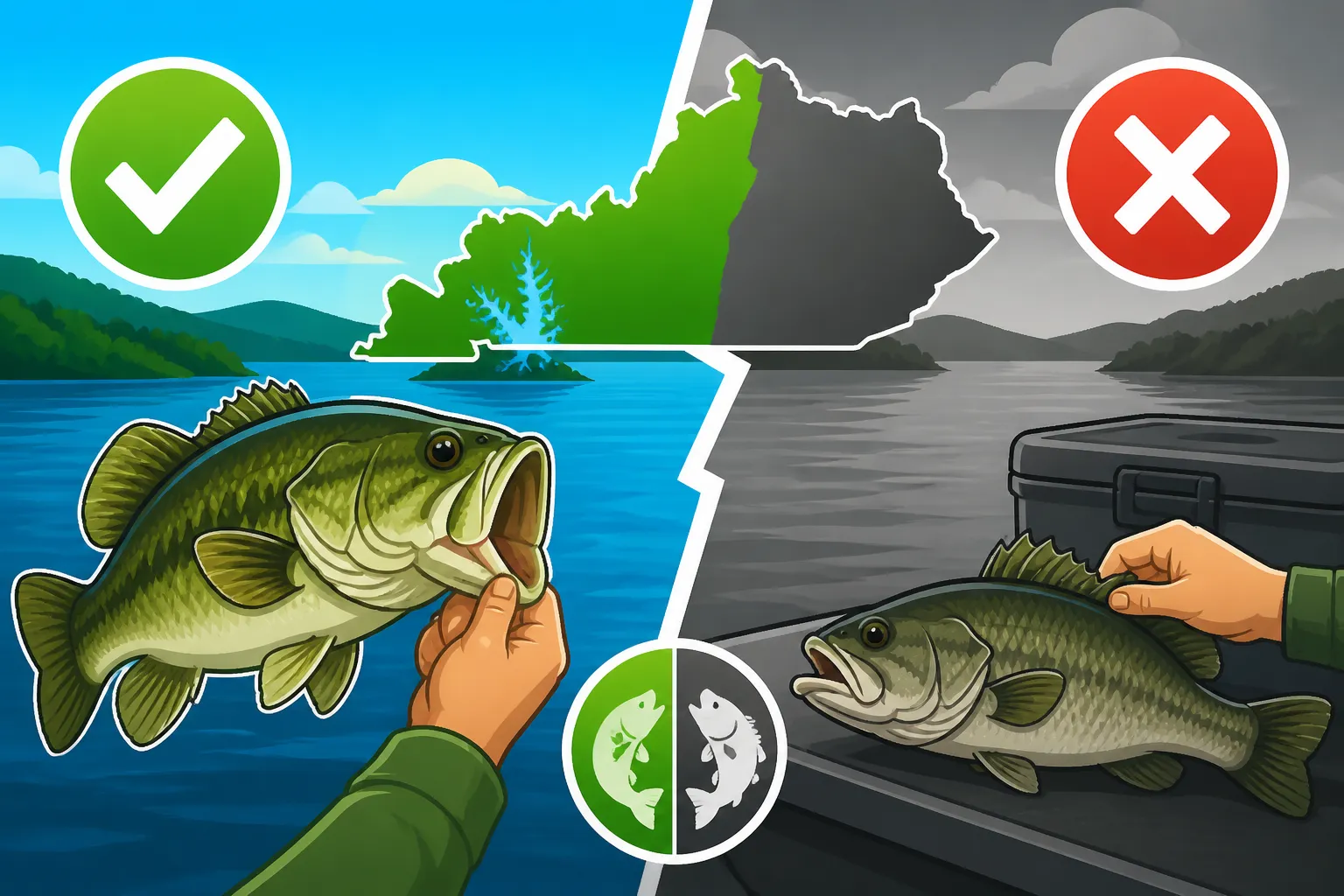
Why Lake Barkley Has a Stricter Bass Limit Than the Rest of Kentucky
It can be incredibly frustrating to head out to your favorite Kentucky fishing spot, only to find out the rules you thought you knew don't apply. Many anglers, especially those new to the area or venturing to different bodies of water, get a bit confused when they discover that Lake Barkley has a distinctly different bass limit compared to most other lakes in the Commonwealth. This guide aims to clear up that confusion, explaining precisely why Lake Barkley has a stricter bass limit and what that means for your fishing trip.
Understanding Kentucky's Statewide Bass Regulations
Before we dive into the specifics of Lake Barkley, it’s really helpful to understand the general framework of bass fishing regulations across Kentucky. The Kentucky Department of Fish and Wildlife Resources (KDFWR) doesn't just pull these numbers out of thin air; there's a lot of science and angler input that goes into managing our incredible fisheries.
The Standard Largemouth and Smallmouth Bass Limits
For the vast majority of lakes and rivers throughout Kentucky, the standard regulation for largemouth and smallmouth bass is pretty straightforward: a 12-inch minimum size limit and a daily creel limit of 6 fish. This means any bass you catch that's shorter than 12 inches needs to go right back into the water, and once you've kept six legal-sized bass, your day of keeping bass is done.
These statewide rules are designed with several goals in mind. Firstly, they help protect young bass, giving them a chance to grow into reproductively mature adults, which is essential for maintaining healthy populations. Secondly, they aim to ensure a sustainable fishery, meaning there are enough fish for everyone to enjoy catching for years to come. And finally, they strive to provide a good fishing experience, balancing the desire for anglers to harvest fish with the need to preserve quality fishing opportunities. You can always dive deeper into the general regulations with our comprehensive guide to Kentucky Fishing Regulations Explained.
Why Regulations Vary from Lake to Lake
It might seem simpler to have one set of rules for all fish across the state, but Mother Nature rarely works that way. Each lake and river system is its own unique ecosystem, with different habitats, food sources (what biologists call the "forage base"), water quality, and of course, fishing pressure from eager anglers. What works perfectly for a deep, clear reservoir in Eastern Kentucky might not be suitable for a sprawling, shallower impoundment in the west.
Fisheries biologists constantly study these factors. They look at fish growth rates, how many fish are in a lake (population density), how many are being caught, and how healthy the overall ecosystem is. If they notice that a particular lake has a booming population of smaller bass but not many larger ones, or conversely, that the bigger fish aren't getting a chance to reproduce effectively, they'll often recommend site-specific regulations. These tailored rules are crucial for optimizing the health and fishing quality of individual water bodies, making sure that each lake can truly thrive. This is why you'll often see unique rules, whether it's for bass, crappie, or even catfish, depending on the specific characteristics of the body of water.
The Specifics of Lake Barkley's Bass Management
Now, let's talk about the star of our discussion, Lake Barkley. This magnificent body of water, along with its twin, Kentucky Lake, forms part of one of the largest man-made lake systems in the world, offering incredible fishing opportunities. However, its unique characteristics require a different approach to bass management.
Lake Barkley's Unique Size and Creel Limit Rule
When you're fishing for largemouth and smallmouth bass on Lake Barkley, you'll encounter a regulation that stands out. The current rule for Lake Barkley is a 15-inch minimum size limit. That's already three inches more than the statewide standard, so you'll be releasing a lot more smaller fish. But it doesn't stop there. The daily creel limit remains 6 bass, but with a critical caveat: only one of those 6 fish may be 18 inches or longer.
Let's break that down with a real-world scenario. Imagine you've had an amazing day on Lake Barkley. You catch and release a bunch of bass under 15 inches. Then, you land a beautiful 16-inch largemouth and decide to keep it. Later, you catch an 18.5-inch smallmouth—what a fight! You can keep that one too. But if you then land another 19-inch bass, you'd have to release it, even if you only had two fish in your livewell. You can, however, keep up to five more bass between 15 and 18 inches, for a total of six. This specific regulation is what we call a "protective slot limit" or sometimes a "reverse slot limit." Its primary goal is not to harvest fish within a certain size range, but rather to protect a specific class of larger fish. For a deeper dive into the species found here, check out our Lake Barkley Fishing Guide for Kentucky Anglers.
| Body of Water | Largemouth/Smallmouth Bass Size Limit | Daily Creel Limit | Special Conditions |
|---|---|---|---|
| Most Kentucky Waters | 12-inch minimum | 6 fish | None |
| Lake Barkley | 15-inch minimum | 6 fish | Only 1 fish may be 18 inches or longer |
| Lake Cumberland | 18-inch minimum (smallmouth) | 2 smallmouth | Only 1 smallmouth may be over 21 inches |
Note: Always double-check the latest KDFWR regulations before heading out, as rules can change.
The Rationale Behind the Stricter Regulations
So, why this particular, seemingly complex regulation for Lake Barkley? It boils down to specific biological and ecological conditions within the lake, combined with the KDFWR's long-term management goals for its bass fishery.
One key factor is the growth rate and population dynamics of bass in Lake Barkley. Historically, biologists have observed that bass in Lake Barkley can have excellent growth potential. However, without specific management, intense fishing pressure could lead to a scenario where too many mid-sized bass are harvested, leaving fewer fish to grow into larger, trophy-quality specimens. The 15-inch minimum ensures that smaller bass are protected, allowing them to reach a more mature size before they can be kept. This is particularly important for allowing them to spawn at least once, contributing to the next generation of bass.
The "only one over 18 inches" rule is where the protective slot truly comes into play. It's designed to protect the larger, prime spawning-age bass while still allowing anglers to harvest some quality fish. These larger bass are often the most effective breeders, contributing significantly to the overall genetic health and abundance of the population. By limiting the take of these big fish, the KDFWR ensures a healthy population of robust breeders remains in the lake. This also helps foster the growth of truly trophy-sized bass, creating excitement for anglers seeking a real lunker. Lake Barkley is renowned for its excellent bass fishing, and these regulations are a direct result of wanting to maintain that reputation. If you're targeting those bigger fish, you might find some specialized gear on Amazon that could give you an edge, from heavier lines to larger baits.
Furthermore, Lake Barkley, being such a popular destination, experiences considerable fishing pressure. Without these tailored rules, the bass population could quickly become overfished for certain size classes, leading to a decline in quality fishing. These regulations are a proactive measure to sustain a world-class bass fishery despite its popularity. It’s a delicate balance of allowing harvest, protecting breeders, and providing opportunities for anglers to catch both quantity and quality. Understanding Why Some Lakes Have Stricter Bass Limits Than Others really sheds light on these management decisions.
How Different Regulations Affect Anglers
Encountering different regulations can feel like a hurdle, but with a little preparation, you can turn it into an opportunity to become an even more informed and successful angler.
Planning Your Trip to Lake Barkley
The absolute most important piece of advice when planning a fishing trip to Lake Barkley (or any new body of water) is to check the current regulations before you leave home. Seriously, don't skip this step! Regulations can change from year to year, and what was true last season might not be true this one. The Kentucky Department of Fish and Wildlife Resources website is your best friend here. You can also stop by a local bait and tackle shop once you arrive; the folks there are usually treasure troves of local knowledge and can give you the most up-to-date information.
Knowing these rules ahead of time will influence your entire trip. It means you'll need to pay closer attention to measuring your catch, and it might even impact the type of fishing you plan to do. For example, if you're primarily interested in harvesting a cooler full of smaller bass for a fish fry, Lake Barkley's limits might steer you towards a different lake that has a more liberal size limit. However, if you're chasing that one trophy fish, knowing that the larger bass are being protected could make Lake Barkley an even more attractive destination. Always be prepared with your Kentucky Fishing License Guide as well, as that's your first step to legal fishing.
Tips for Fishing Under Specific Regulations
Fishing under specific, and often stricter, regulations requires a bit more mindfulness on the water.
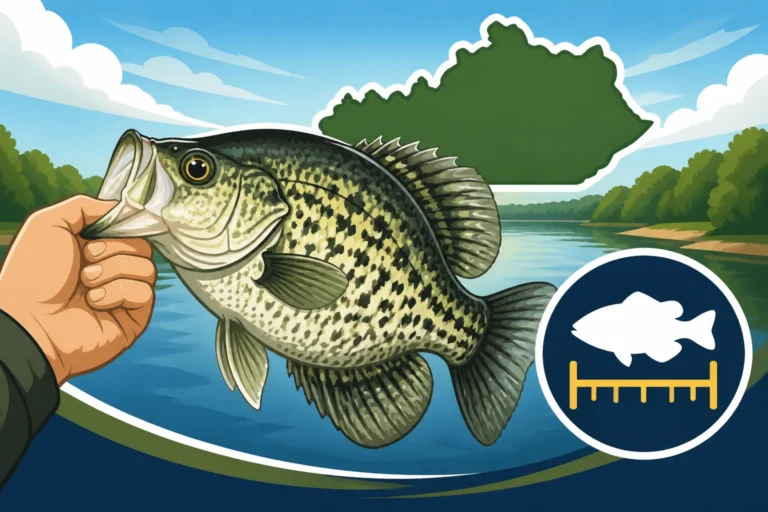
Firstly, always have a reliable measuring device easily accessible in your boat or tackle box. A bump board or a stick-on ruler on your boat's deck makes quick, accurate measurements a breeze. Make sure you know exactly how to measure a fish: typically, it's from the tip of the jaw to the tip of the tail, with the fish laid flat. When you're measuring, be gentle and quick to minimize stress on the fish.
Secondly, for any fish that don't meet the legal size or fall into the protected category (like a second bass over 18 inches at Lake Barkley), practice careful catch-and-release techniques. Wet your hands before handling the fish to protect its slime coat, use a de-hooking tool if the hook is deep, and support the fish horizontally or by the tail and belly, never vertically by the jaw alone. Get it back in the water as quickly as possible. Consider using circle hooks or artificial lures to reduce deep hooking. If you need some better tools for this, you can often find great deals on Amazon for specialized de-hookers and measuring devices.
These specific rules can also influence your fishing strategy. For instance, if you're aiming to harvest fish, you might focus on areas known to hold bass in the 15-to-18-inch range. If you're after a true lunker, you'll still target those big fish, but you'll do so with the understanding that most will be released. It can even make you a better angler, as you'll become more attuned to fish size and the nuances of the fishery. Understanding the Statewide Bag and Size Limits by Fish Species for all of Kentucky will also help you adapt to these changes.
Broader Implications for Kentucky Fishing
The management strategies employed for lakes like Barkley are not isolated decisions. They are part of a much larger, interconnected effort to ensure the long-term health and vitality of all fishing opportunities across the Commonwealth.
Conservation and Sustainable Fisheries
The entire philosophy behind varying regulations, like Lake Barkley's stricter bass limits, is rooted deeply in the principles of conservation and sustainable fisheries management. Without these carefully crafted rules, even the most abundant fish populations can be depleted, leading to a decline in both the number and quality of fish available to anglers. The KDFWR's biologists work tirelessly to ensure that our fishing resources are not just maintained, but actively improved for future generations.
By protecting specific size classes of bass at Lake Barkley, they're helping to create a more balanced ecosystem. Larger, older fish contribute more genetically diverse offspring, which leads to a more resilient population. It’s an investment in the future of the fishery, ensuring that Lake Barkley continues to be a premier destination for bass anglers for decades to come. Every time you release a short fish or an "oversized" bass that falls outside the legal harvest limits, you're directly contributing to this vital conservation effort. These efforts are part of a broader plan for Kentucky Fishing Seasons What to Catch Each Month and overall species management.
The Role of Angler Education and Awareness
Ultimately, the success of any fishing regulation hinges on the education and awareness of anglers. The KDFWR can set the rules, but it's up to each one of us to understand, respect, and abide by them. Taking the time to read the annual fishing guide, checking online resources, and even asking questions at bait shops or to park rangers helps everyone do their part.
Ignorance of the law is never an excuse, and game wardens are out on the water regularly to ensure compliance. Getting caught fishing without a proper license or keeping fish outside of the legal limits can result in fines and other penalties. You can read more about what happens if you're not compliant in Penalties for Fishing Without a License in Kentucky. It’s not about making things harder; it’s about making things better for everyone who loves to fish. By staying informed, you not only avoid potential trouble but also become a more responsible and effective steward of Kentucky's amazing natural resources. After all, we all want to ensure that the joy of reeling in a beautiful Kentucky bass is something that can be experienced by our children and grandchildren too.
Disclaimer
The information provided in this article is for general guidance and informational purposes only. Fishing regulations in Kentucky are subject to change. Always consult the most current Kentucky Department of Fish and Wildlife Resources (KDFWR) official regulations before engaging in any fishing activities.