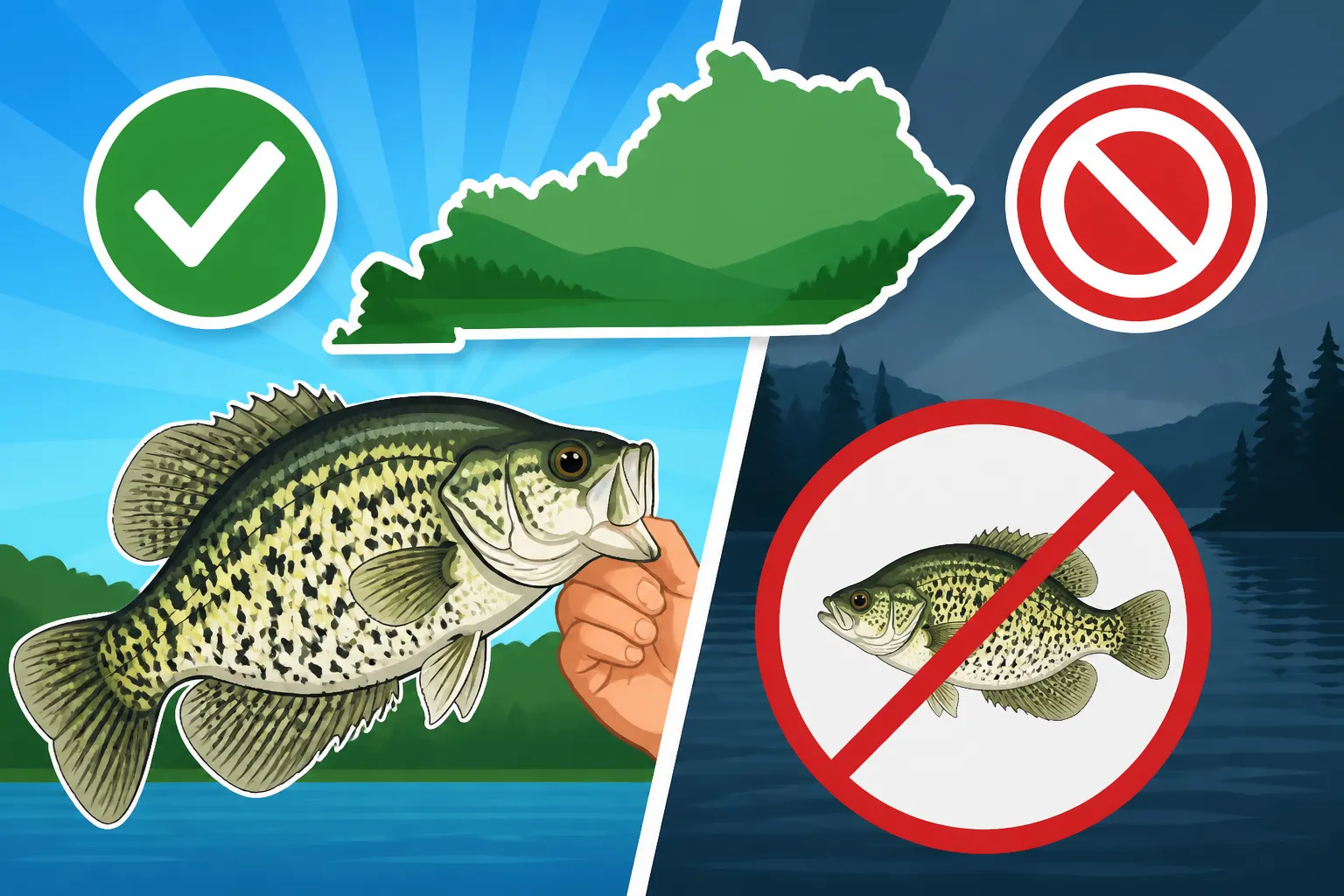
Statewide Crappie Limit: No Size Minimum Except One Lake
It can be incredibly confusing to keep up with all the different fishing regulations in Kentucky, especially when you're targeting a popular species like crappie. You think you've got the statewide rules down, only to hear whispers about a specific lake having its own unique set of requirements. This guide is here to clear up that confusion, explaining Kentucky's statewide crappie limits and shining a spotlight on the one significant exception you absolutely need to know about before heading out on the water.
Understanding Kentucky's General Crappie Regulations
When you're out on most of Kentucky's beautiful lakes and rivers, chasing those tasty crappie, you'll find the regulations are pretty straightforward. The Kentucky Department of Fish and Wildlife Resources (KDFWR) has established rules designed to maintain healthy fish populations while still allowing anglers to enjoy their sport. However, it's those subtle nuances that can trip even experienced anglers up.
The Standard Daily Creel Limit
Across the vast majority of Kentucky's public waters, the daily creel limit for crappie – that's both black crappie and white crappie combined – is a generous 20 fish per person. This means that in a single day, you can legally keep up to two dozen crappie. This limit is set to ensure that while anglers can still bring home a good mess of fish, the overall population isn't overfished. It's a balance act, and for the most part, it works really well for the many productive crappie fisheries in the state, from Kentucky Lake down to Green River Lake. If you want a full breakdown, check out our guide on the Kentucky Crappie Daily Limit Rules.
What's particularly notable about this statewide rule is the absence of a minimum size limit. Yes, you read that right. In most places, if you catch a crappie, regardless of its length, it counts towards your 20-fish daily limit. This can be a boon for anglers, especially those just starting out or taking kids fishing, as it simplifies the process and allows for a more relaxed experience without constantly reaching for a measuring board. It's a key difference when you compare crappie regulations to other popular game fish like bass, which almost always have strict minimum size requirements.
Why No Statewide Size Limit for Crappie?
It might seem a bit odd that crappie don't have a statewide size limit when other species do. There's a solid biological reason behind it. Crappie are known for their fast growth rates and high reproductive potential. They can multiply quickly, and populations often consist of many smaller fish. If there were a statewide minimum size limit, say 9 or 10 inches, many anglers would be releasing a huge number of fish. This could lead to an overpopulation of smaller crappie, which might stunt their growth due to increased competition for food resources.
Fisheries biologists often manage crappie populations by encouraging a higher harvest of smaller fish. This thins out the population, giving the remaining crappie more food and space to grow larger and healthier. It's a scientific approach aimed at promoting overall population health and providing a diverse catch for anglers, from pan-sized fish perfect for the frying pan to larger slabs. This management strategy helps keep crappie fisheries productive and sustainable year after year. For a broader look at all the regulations, our Kentucky Fishing Regulations Explained article is a great resource.
The Barren River Lake Crappie Size Exception
While the general rule of no minimum size limit applies to most of Kentucky's waters, there is one significant and widely known exception that every crappie angler needs to be aware of: Barren River Lake. Missing this specific regulation could lead to an unexpected interaction with a game warden, and nobody wants that.
The Specific Rule for Barren River Lake
At Barren River Lake, located primarily in Barren and Allen counties, the crappie regulations are different from the statewide norm. Here, anglers are subject to a 10-inch minimum size limit for crappie. This means that any crappie you catch at Barren River Lake must measure at least 10 inches from the tip of its mouth to the end of its tail (with the tail compressed) to be legally kept. The daily creel limit, however, remains consistent with the statewide rule at 20 crappie per angler per day.
This exception is not merely a suggestion; it is a hard-and-fast rule that is actively enforced by KDFWR officers. Anglers fishing Barren River Lake often carry a reliable measuring device specifically to ensure they comply with this regulation. It’s a vital piece of information that sets Barren River Lake apart from almost every other crappie fishery in Kentucky. Our dedicated guide, Barren River Lake Crappie Size Limit in Kentucky, provides even more detail on this specific rule.
Why Barren River Lake Has a Different Rule
The decision to implement a specific minimum size limit at Barren River Lake is rooted in local fisheries management objectives. Often, such site-specific regulations are put in place following extensive biological surveys and data analysis by KDFWR scientists. For Barren River Lake, the goal is typically to enhance the quality of the crappie fishery by promoting the growth of larger, more desirable fish.
This type of regulation can help prevent overharvest of smaller, immature crappie, allowing them to mature and contribute to the breeding population, as well as providing bigger fish for anglers to catch. By giving crappie more time to grow, the lake can develop a reputation for producing more "slab" crappie, which can be a significant draw for anglers. It's a targeted strategy to address specific conditions and achieve particular outcomes for that particular body of water, making it a unique and often rewarding fishing destination for crappie enthusiasts willing to adhere to the rule.
Essential Tips for Crappie Anglers in Kentucky
Knowing the regulations is just the first step. To be a successful and compliant crappie angler in Kentucky, you need to develop good habits and be prepared. This goes beyond just having the right bait and tackle; it means understanding how to stay on the right side of the law and contribute to conservation.
Always Check Current Regulations
One of the most crucial pieces of advice for any angler in Kentucky is to always check the most current regulations before you head out. Fisheries management is dynamic; rules can and do change from year to year, or even within a season, based on population surveys, environmental factors, and management goals. Relying on outdated information, or even what a friend told you last year, can lead to costly mistakes.
The best places to find up-to-date information are the official KDFWR website or their annual fishing and boating guide. You can often download a digital copy, or pick up a physical copy at most bait shops, sporting goods stores, and county clerk offices. It's wise to have it handy, either on your phone or a printed version, while you're fishing. Having a quick reference can be a lifesaver. You might even find a waterproof version of the KDFWR regulation guide online, perhaps on an e-commerce platform like Amazon, that's perfect for keeping in your tackle box without worrying about water damage. For a complete look at all species, our Statewide Bag and Size Limits by Fish Species guide is a fantastic resource.
Proper Measurement and Release Techniques
When you're fishing a lake with a minimum size limit, like Barren River Lake, knowing how to properly measure your catch is paramount. The standard method is to lay the fish flat on a measuring board or against a tape measure, with its mouth closed and touching the zero mark. Then, gently squeeze the tail fin together to get the maximum length. The measurement is taken to the furthest tip of the tail. If your crappie falls even a fraction short of 10 inches at Barren River Lake, it needs to go back into the water.
Releasing undersized fish properly is just as important as measuring them correctly. Minimize the amount of time the fish is out of the water. Handle crappie with wet hands to protect their delicate slime coat, which is their primary defense against infection. Avoid squeezing them tightly, especially around their internal organs. If the fish is deeply hooked, it's often better to cut the line as close to the hook as possible rather than trying to remove the hook, which can cause more damage. A quick, gentle release back into the water gives the fish the best chance of survival. You can find specialized fish grippers and measuring tapes designed for easy use and fish safety on Amazon, making the process smoother.
Gear for Compliance and Success
Having the right gear isn't just about catching fish; it's also about staying compliant with the rules. For crappie fishing, especially on waters with size limits, a reliable measuring device is non-negotiable. This could be a sturdy, floating measuring board or a simple, waterproof tape measure. Some anglers even mark their boat or a tackle box lid with the legal crappie length, though a dedicated measuring tool is usually more accurate.
Beyond the measuring tools, consider tackle that helps minimize harm to fish you intend to release. Using single, barbless hooks or crushing the barbs on your hooks can make unhooking and releasing fish much easier and less traumatic. Of course, you'll still need your usual crappie essentials: light action rods and reels, small jigs, minnows, and appropriate fishing line. If you're looking to stock up on these items, many reputable brands offer a wide selection of crappie fishing gear, from various jig colors and sizes to specialized crappie rods, readily available through retailers like Amazon. Our guide on Kentucky Crappie Fishing: Spring Spawn Run Guide has more on specialized tackle.
Consequences of Non-Compliance and Warden Checks
No angler wants to find themselves on the wrong side of the law, especially when it comes to fishing regulations. Ignorance of the rules is never an excuse, and violating limits can lead to consequences that can quickly ruin a peaceful day on the water.
Penalties for Violating Limits
Being caught with undersized crappie at Barren River Lake, or exceeding the 20-fish daily limit anywhere in Kentucky, can result in significant penalties. Typically, these violations are treated as misdemeanors and can lead to fines, court costs, and potentially even the forfeiture of your fishing equipment. The exact amount of the fine can vary depending on the severity of the offense and the discretion of the court, but it's safe to say it will be far more expensive than any fish you might have illegally kept. Repeated offenses can lead to even harsher penalties, including the suspension of your fishing privileges. It's a serious matter, and the KDFWR takes these regulations seriously to protect the state's valuable fisheries. You can learn more about this in our article Penalties for Fishing Without a License in Kentucky, which covers other types of violations as well.
It's not just about the monetary cost; it's also about the ethical responsibility we have as anglers. Following regulations helps ensure there are plenty of fish for future generations to enjoy, supporting the long-term health and sustainability of Kentucky's aquatic ecosystems.
What to Expect During a Warden Check
Game wardens, officially known as conservation officers, are out on the water to ensure everyone is following the rules and that our natural resources are protected. A warden check is a routine part of fishing in Kentucky, and it's best to be prepared and cooperative. When a warden approaches your boat or fishing spot, they will typically identify themselves and politely ask to see your fishing license and check your catch.
During a check, the officer will verify your Kentucky Fishing License Guide is valid and current, and then inspect any fish you've kept to ensure they comply with species-specific bag and size limits. If you're on Barren River Lake, they will certainly be checking crappie for the 10-inch minimum size. They might also check for other required safety gear on your boat, such as life jackets and fire extinguishers. The best approach is always to be polite, answer their questions truthfully, and comply with their requests. A smooth and quick check allows everyone to get back to enjoying their day. Remember, they are there to protect the resources we all value. For more insights on what game wardens look for, read our Game Warden Enforcement and License Checks While Fishing article.
Here's a quick comparison of crappie regulations in Kentucky:
| Regulation Aspect | Statewide Crappie Rules (Most Waters) | Barren River Lake Crappie Rules |
|---|---|---|
| Daily Creel Limit | 20 fish per angler | 20 fish per angler |
| Minimum Size Limit | None | 10 inches (mouth closed, tail squeezed) |
| Species Included | Black and White Crappie | Black and White Crappie |
| Primary Goal | Maximize harvest of abundant fish | Promote growth of larger crappie |
Disclaimer
The information provided in this guide is for general informational purposes only and is subject to change. While we strive to offer accurate and up-to-date content, fishing regulations in Kentucky can be complex and are periodically updated by the Kentucky Department of Fish and Wildlife Resources (KDFWR). It is always the angler's responsibility to consult the most current official KDFWR Fishing and Boating Guide or their official website before engaging in any fishing activities. Compliance with all federal, state, and local regulations is mandatory.