Why Some Lakes Have Stricter Bass Limits Than Others
It can be incredibly frustrating to head out for a day of fishing, thinking you know the rules, only to discover that the bass limits are completely different for the specific lake you’re on compared to the statewide regulations. You might wonder why the Kentucky Department of Fish and Wildlife Resources (KDFWR) makes things so complicated, especially when you're trying to keep everything straight. This guide will dive deep into the real reasons behind these varying bass limits, explaining the science and local factors that lead to stricter rules on some Kentucky lakes.
Understanding the Basics of Fisheries Management
Before we tackle why some lakes have stricter bass limits, it’s helpful to understand the overall goal of fisheries management. It’s not about making rules just for the sake of it, but rather about ensuring healthy fish populations for today and for future generations of anglers. The KDFWR employs biologists and researchers who constantly monitor fish populations, their habitats, and the impact of fishing pressure.
The Role of KDFWR Biologists
These dedicated folks are out on the water year-round, conducting surveys, sampling fish, and analyzing data. They're looking at things like the average size of fish, their growth rates, how many survive to adulthood, and how many are being harvested by anglers. When they notice a particular fishery struggling, or if they identify the potential to grow bigger, healthier fish, they propose changes to the regulations. This scientific approach helps prevent overfishing and ensures that our favorite lakes remain productive. Without their hard work, we might see a rapid decline in the quality of fishing.
Balancing Angler Pressure and Fish Health
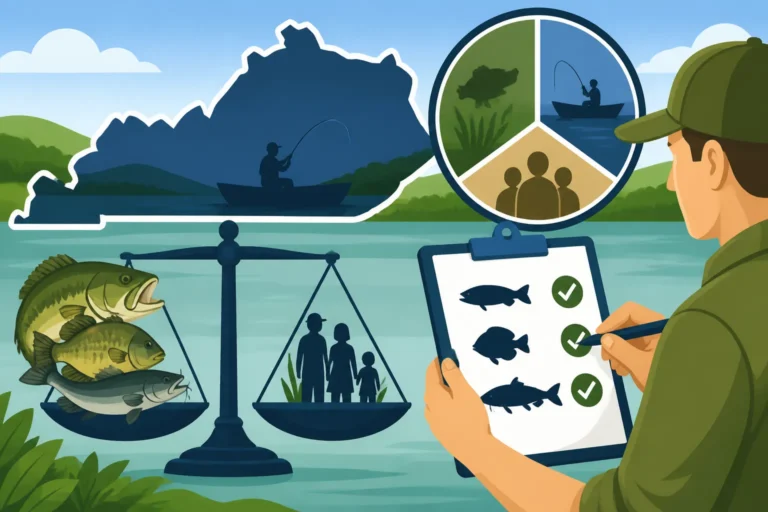
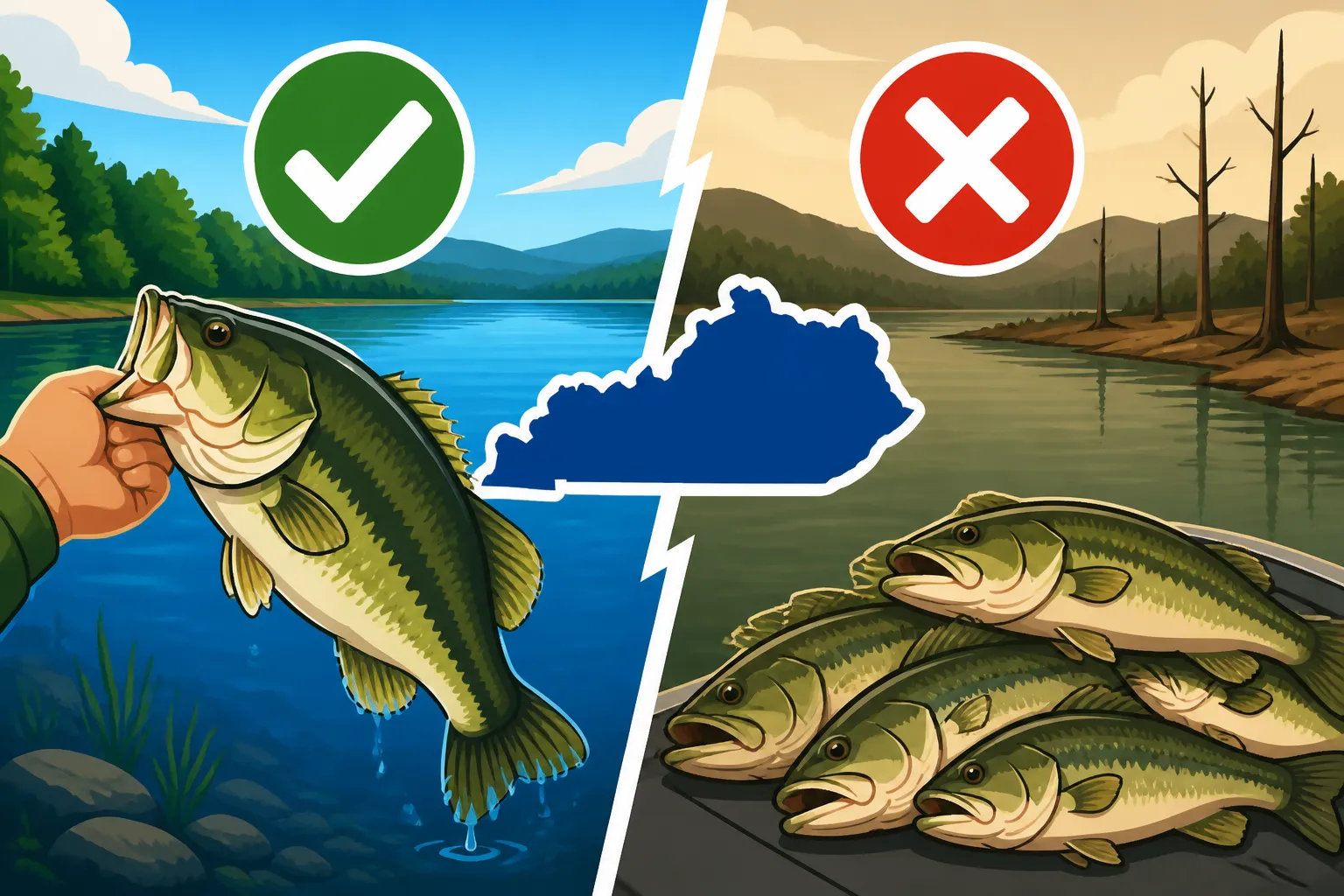
Kentucky is a popular state for fishing, and with that popularity comes significant angling pressure. Every time an angler casts a line, they're impacting the fish population, whether they keep their catch or release it. Stricter bass limits on certain lakes are often a direct response to this pressure. Imagine a smaller lake that receives a lot of attention from local anglers every weekend. If the statewide limit were applied universally, the bass population in that smaller, heavily fished lake could be depleted much faster than in a vast, less-pressured reservoir. The goal is to strike a delicate balance, allowing anglers to enjoy their sport while giving the fish enough breathing room to reproduce and grow. It's a constant juggling act, but one that's essential for sustainable fishing.
Specific Factors Influencing Bass Limits
When you see a lake with a slot limit, or a lower daily creel limit for bass, it’s usually because of specific environmental conditions, fish population dynamics, or unique management goals for that particular body of water. These aren't arbitrary decisions; they're based on detailed assessments.
Habitat Quality and Forage Base
The health and abundance of a lake’s bass population are intricately linked to its habitat and the available food sources. A lake with excellent underwater structure – think submerged timber, rock piles, and healthy aquatic vegetation – provides ideal spawning grounds and hiding spots for bass. Equally important is the forage base, which means the smaller fish and invertebrates that bass eat.
If a lake has a limited forage base or degraded habitat, bass might struggle to grow to larger sizes. In such cases, stricter limits, like a slot limit (where you can only keep fish within a certain size range, or only fish outside a certain size range), might be implemented. This encourages anglers to harvest smaller, more abundant bass to reduce competition for food, while protecting larger, healthier bass that are crucial for reproduction. Conversely, if a lake has an incredibly rich forage base, biologists might impose a minimum size limit to protect juvenile bass and allow them to grow into larger, trophy-sized fish that have plenty to eat. Keeping these larger, reproductive fish in the water ensures the future of the fishery. You can often find detailed lake reports that explain these factors on the KDFWR website, which can be a valuable resource before your trip.
Spawning Success and Genetic Factors
The reproductive success of bass in a given lake is another critical driver for localized regulations. Some lakes might have specific challenges during the spawning season, such as fluctuating water levels, poor water quality, or heavy fishing pressure on spawning beds. If bass aren't reproducing effectively, biologists might introduce stricter limits to protect the existing adult population and ensure they have more opportunities to spawn.
Furthermore, genetics can play a subtle but important role. Some lakes might have bass populations known for producing larger, faster-growing individuals. In these "trophy fisheries," the KDFWR might implement a higher minimum size limit or a lower daily creel limit to encourage the growth of truly exceptional fish. The idea is to allow those genetically superior bass to remain in the water, contributing their genes to future generations and giving anglers a chance to catch that once-in-a-lifetime lunker. Protecting those bigger, older fish is key, as they are often the most prolific spawners.
Angling Pressure and Social Considerations
As mentioned earlier, how many people are fishing a particular lake, and how they fish, makes a huge difference. A lake that’s easily accessible from a major population center will likely experience much higher angling pressure than a remote, hard-to-reach reservoir. High pressure can quickly deplete a bass population if not managed correctly.
In these situations, stricter limits are a direct tool to manage harvest. A lake close to Louisville or Lexington, for instance, might have more restrictive rules simply because so many people are drawn to it. This isn't just about fish biology; it's also about maintaining a quality fishing experience. No one wants to fish a lake where it's nearly impossible to catch anything because it's been overfished. Sometimes, stricter limits are also a response to angler feedback, aiming to create a particular type of fishery – perhaps one known for quantity of catches, or one that consistently produces trophy-sized fish. It's a community effort to manage these resources effectively.
Case Study: Lake Barkley Bass Limits vs. Statewide Rules
Let’s look at a concrete example to really understand how these factors play out. Kentucky has a general statewide bass limit, but then you have specific exceptions like Lake Barkley, which famously has a stricter size limit for largemouth bass.
Kentucky's Statewide Bass Limits
For most public waters in Kentucky, the statewide bass regulations are fairly straightforward. Typically, there's a 12-inch minimum size limit for largemouth and smallmouth bass, and a daily creel limit of six fish. This provides a good baseline that allows for reasonable harvest while generally protecting juvenile fish and ensuring a healthy population across the state. This general rule makes it easier for anglers moving between various lakes, but it's important to remember it's not universal. You can find more details about these general rules in our guide to Kentucky Statewide Bass Size and Daily Limit Rules.
Why Lake Barkley Has a Stricter Bass Limit
Lake Barkley is a prime example of a lake with site-specific regulations, particularly for largemouth bass. While the statewide minimum is 12 inches, Lake Barkley often has a 15-inch minimum size limit. You might be wondering, "Why Lake Barkley has a stricter bass limit than the rest of Kentucky?" The primary reason is to enhance the quality of its bass fishery and produce larger, more desirable fish.
Biologists at Lake Barkley have found that by protecting bass up to 15 inches, these fish have more time to grow, mature, and contribute to the overall population. Lake Barkley is a massive, productive reservoir with an excellent forage base, including an abundance of shad. By allowing bass to feed and grow for longer, the KDFWR aims to create a fishery known for producing larger bass, making it a premier destination for anglers seeking bigger catches. This stricter limit directly supports the goal of developing a trophy bass fishery, and it’s a strategy that has proven successful over the years. You can read more about this specific exception in our Lake Barkley's 15-Inch Bass Size Limit Explained article.
How Anglers Can Stay Informed and Comply
The sheer number of regulations and their variations can feel overwhelming. Nobody wants to accidentally break the law, especially when it comes to something as enjoyable as fishing. Here's how you can stay on top of the rules.
Always Check the Latest KDFWR Regulations
The absolute best way to stay informed is to consult the official Kentucky Department of Fish and Wildlife Resources (KDFWR) fishing guide or their website. They update their regulations annually, and it's your responsibility as an angler to know the current rules. Don't rely on old information or what you heard from a friend last year. Regulations can change based on the latest scientific data and management goals.
I can't stress this enough: always double-check before you go. You can easily download the most current fishing guide as a PDF from their website, or pick up a physical copy wherever you purchase your fishing license. Many sporting goods stores, bait shops, and even some Walmarts carry the official printed guide. Having a physical copy in your tackle box or boat can be a lifesaver if you're ever unsure while out on the water. For more details on compliance, check out our guide on Kentucky Fishing Regulations Explained.
Utilize Online Resources and Apps
In today's digital age, staying informed is easier than ever. The KDFWR website is a treasure trove of information, including specific regulations for individual lakes. Many anglers also find third-party fishing apps useful, although you should always cross-reference with official sources. Some apps even allow you to mark specific lakes and quickly pull up their unique regulations.
Furthermore, a quick search on Amazon can often yield laminated regulation cards or small, waterproof guides tailored to specific regions of Kentucky. These can be incredibly handy for quick reference while you're actually fishing, ensuring you don't miss any critical details about size or creel limits. When in doubt, a quick check on your phone or a glance at a printed guide can save you from potential fines or, more importantly, ensure you're fishing responsibly and helping to conserve Kentucky's precious fisheries. You can also learn how to Buy a Kentucky Fishing License Online and get immediate access to these digital resources.
Talking to Local Anglers and Bait Shop Owners
While official sources are paramount, don't underestimate the value of local knowledge. Chatting with experienced anglers at the boat ramp or striking up a conversation with the folks who run your local bait shop can often provide valuable, real-time insights into specific lakes. They often know about recent regulation changes, local nuances, or particular hot spots where adherence to specific rules is especially important.
These local experts can sometimes point you towards specific pages in the regulation guide or highlight particular rules that new anglers often miss. Just be sure to verify any information you receive informally with the official KDFWR guide, as rumors or outdated advice can sometimes circulate. However, combined with official resources, local insights can provide a richer understanding of a fishery and its unique regulations.
Here's a quick comparison of statewide vs. a specific lake's bass limits:
| Regulation Aspect | Kentucky Statewide Largemouth Bass Rule | Lake Barkley Largemouth Bass Rule (Example) |
|---|---|---|
| Minimum Size Limit | 12 inches | 15 inches |
| Daily Creel Limit | 6 fish | 6 fish |
| Primary Goal | General conservation | Enhance trophy potential, reduce harvest |
| Why Different? | Baseline for most waters | Specific fisheries management goal (larger fish) |
Remember, this table is an example for illustrative purposes. Always consult the most current KDFWR regulations for exact, up-to-date information for the specific body of water you intend to fish. Details about specific limits can even be found on product descriptions for fishing maps or guides on Amazon. When preparing for your trip, checking resources like Checking Current Regulations Before a Fishing Trip is a smart move. And if you're ever curious about the legal repercussions of not adhering to these rules, our article on Penalties for Fishing Without a License in Kentucky is an eye-opener. Even with a license, breaking other regulations can lead to trouble.
Conclusion: Fishing Smart and Responsibly
Understanding why some lakes have stricter bass limits than others is crucial for any responsible angler in Kentucky. It's not just about avoiding a fine; it's about being an active participant in conservation and helping to ensure that the joy of fishing continues for generations to come. Each regulation, whether it’s a statewide minimum or a lake-specific slot limit, is a carefully considered tool designed to maintain healthy fish populations and enhance your angling experience.
By staying informed through official KDFWR resources, leveraging online tools, and even tapping into local knowledge, you can navigate these regulations with confidence. Remember, a little preparation before you hit the water goes a long way. So, grab your gear, double-check those local rules, and enjoy the incredible bass fishing opportunities Kentucky has to offer! If you're looking for more general information, our comprehensive Kentucky Fishing License Guide is a great place to start, or if you're planning a full trip, consider reading How to Plan a Trip for Kentucky Free Fishing Weekend for tips on making the most of those special days.
Disclaimer
The information provided in this guide is for general informational purposes only and is not intended as legal advice. Fishing regulations can change frequently. Always consult the official Kentucky Department of Fish and Wildlife Resources (KDFWR) publications and website for the most current and accurate regulations before engaging in any fishing activities.