Why Kentucky Fishing Limits Vary From Lake to Lake
It’s a common scenario: you’ve spent countless hours learning the ins and outs of fishing your favorite Kentucky lake, meticulously memorizing the size and creel limits for bass, crappie, or catfish. Then, you decide to try a new spot, maybe just an hour down the road, and boom – suddenly, all those rules you knew so well are different. It’s enough to make you scratch your head and wonder, "Why on earth does Kentucky make it so confusing?" This guide is here to unravel that mystery, explaining why fishing limits vary so much from one Kentucky waterbody to another, and how these seemingly complex rules actually help create better fishing for everyone.
The Essential Need for Varied Fishing Regulations
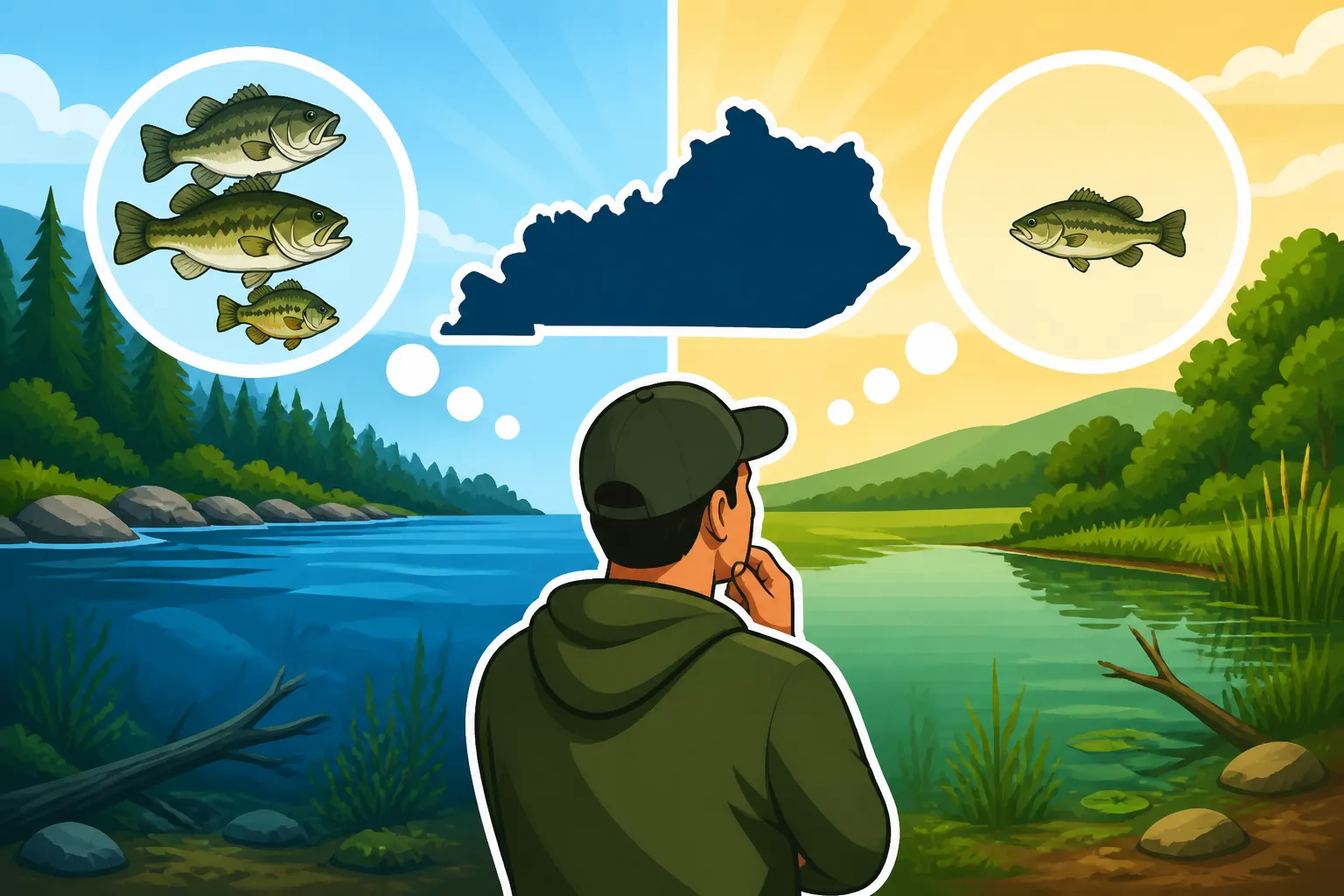
You might think a blanket "one-size-fits-all" approach would be simpler for Kentucky fishing regulations, but the truth is, our lakes and rivers are incredibly diverse, each with its own unique ecosystem, fish populations, and challenges. Imagine trying to manage a small farm pond the same way you manage a massive reservoir like Kentucky Lake; it just wouldn't work. The Kentucky Department of Fish and Wildlife Resources (KDFWR) uses these varied limits to be really specific in how they protect and enhance our fisheries. It’s not about making things complicated for you, but about ensuring healthy fish populations thrive for generations to come.
Balancing Harvest and Sustaining Growth
One of the primary reasons for different limits is the fundamental need to balance angler harvest with the sustainable growth of fish populations. If too many fish of a certain size are removed from a lake, it can lead to a decline in the overall population, reduce the average size of fish, or even create an imbalance in the food chain. Think about a lake where everyone keeps every bass they catch. Eventually, you’d only find very small bass, or worse, very few bass at all.
By setting specific daily creel limits—the number of fish you can keep—and minimum or maximum size limits, fisheries biologists can manage how many fish are taken out of a particular waterbody. For instance, some lakes might have a more robust fish population that can handle a higher daily limit, while others, perhaps smaller or with slower-growing fish, need stricter limits to prevent overharvest. It’s like a careful accounting system, ensuring that enough fish are left to reproduce and grow, maintaining a vibrant fishery year after year. This nuanced approach is why understanding regulations is crucial, as detailed in our comprehensive guide, Kentucky Fishing Regulations Explained.
Protecting Spawning Aggregations
Another critical aspect of these regulations revolves around protecting fish during their most vulnerable times, especially during spawning. When fish gather to reproduce, they can be much easier to catch, making them susceptible to overfishing. If anglers remove too many fish during this crucial period, it directly impacts the next generation, potentially leading to a significant drop in future fish numbers.
Different fish species spawn at different times of the year and under varying conditions, and these timings can even shift slightly from one lake to another based on water temperature and geographic location. For example, crappie typically spawn in spring when water temperatures reach a certain range, often congregating in shallow areas. Some regulations, like seasonal closures or specific size limits during the spawn, are designed to give these fish the best chance to reproduce successfully. It's about ensuring that the natural cycle isn't disrupted by human activity, safeguarding the long-term health and abundance of the fishery.
Factors Influencing Lake-Specific Regulations
So, what exactly are the underlying characteristics that cause these regulations to differ so much from one body of water to the next? It’s not random, I promise. Fisheries biologists conduct extensive research, collecting data on fish populations, habitat quality, and angler usage for each major lake and river in Kentucky. This data then informs the tailored regulations you see in place. It's a scientific approach to managing a living resource.
Size and Depth of the Waterbody
The sheer physical characteristics of a lake or river play a monumental role. A vast, deep reservoir like Lake Cumberland, with its diverse habitats and expansive open water, can support different fish populations and fishing pressures than a smaller, shallower lake such as Taylorsville Lake. Larger lakes often have more complex food webs and a greater capacity to dilute the impact of angler harvest. They can also have more varied structures, from deep rocky ledges to expansive flats, which offer different types of habitat for various species.
Conversely, a smaller lake might have a limited carrying capacity, meaning it can only support a certain number of fish before resources become scarce. In these cases, stricter limits might be imposed to prevent overpopulation of smaller fish or to encourage growth to larger sizes. The depth influences water temperature stratification, oxygen levels, and available habitat, all of which directly affect fish behavior, growth rates, and survival. Therefore, the physical dimensions of the water body are fundamental to setting appropriate, site-specific regulations.
Forage Base and Prey Availability
What the fish eat is just as important as where they live. The "forage base" refers to the smaller fish and invertebrates that game fish prey upon. A healthy and abundant forage base, like shad in many Kentucky reservoirs, allows game fish to grow quickly and reach larger sizes. If a lake has a robust population of shad or other baitfish, its predator fish—like bass or striped bass—will likely grow faster and larger, potentially allowing for more liberal harvest limits or specific trophy management rules.
However, if the forage base is stressed or limited, perhaps due to environmental factors or an overabundance of predators, then the game fish might grow slower and not reach impressive sizes. In such scenarios, biologists might implement stricter size limits to protect larger, faster-growing fish, or daily limits to reduce pressure on the struggling population. It's a delicate balance; maintaining a strong prey population is crucial for sustaining healthy, catchable game fish. Sometimes, you'll even find regulations designed to protect baitfish populations indirectly.
Fishing Pressure and Angler Success
Let’s be honest, some lakes are just more popular than others. High fishing pressure, meaning a large number of anglers frequently targeting a specific species, can quickly deplete a fish population if limits are too generous. The KDFWR keeps a close eye on creel surveys and angler reports to gauge how much pressure each waterbody receives. A heavily fished lake near a major metropolitan area, like those around Louisville or Lexington, will naturally require different management strategies than a more remote, less-accessed lake.
If a particular lake is known for exceptional fishing and attracts a lot of attention, limits might be adjusted to spread out the harvest, ensuring that everyone has a fair chance to catch fish and that the resource isn’t quickly exhausted. Conversely, if a fishery is underutilized or needs a boost, more liberal limits might be put in place to encourage anglers to visit and harvest fish. This dynamic factor is always being evaluated, aiming to provide a good fishing experience while protecting the resource. It’s why you should always be checking current regulations before a fishing trip, especially if you're exploring new waters.
Water Quality and Habitat Conditions
The overall health of the water and its habitat is another critical piece of the puzzle. Factors like water temperature, dissolved oxygen levels, clarity, and the presence of aquatic vegetation or submerged timber all impact a fish's ability to survive, grow, and reproduce. Pollution, sedimentation, or rapid changes in water levels (often due to hydropower generation or flood control) can stress fish populations, making them more vulnerable.
Lakes with excellent water quality and abundant, diverse habitat can often support healthier, more resilient fish populations, which may allow for more flexible fishing limits. On the other hand, a lake suffering from environmental stress might require more conservative regulations to help its fish populations recover or merely survive. For example, if a lake has experienced a significant fish kill due to low oxygen, stricter limits might be implemented for a few seasons to allow the population to rebound. These environmental considerations are constantly monitored and can trigger changes in regulations.
Understanding Key Species Exceptions
Kentucky has statewide regulations for many popular species, but it's the site-specific exceptions that often trip anglers up. These exceptions are prime examples of the factors we just discussed being applied in real-time. Knowing these specific differences is key to staying legal and contributing to conservation. Many anglers find it helpful to keep a printed copy of the regulations, perhaps purchased from Amazon, in their tackle box or boat.
Bass: Statewide vs. Special Regulations
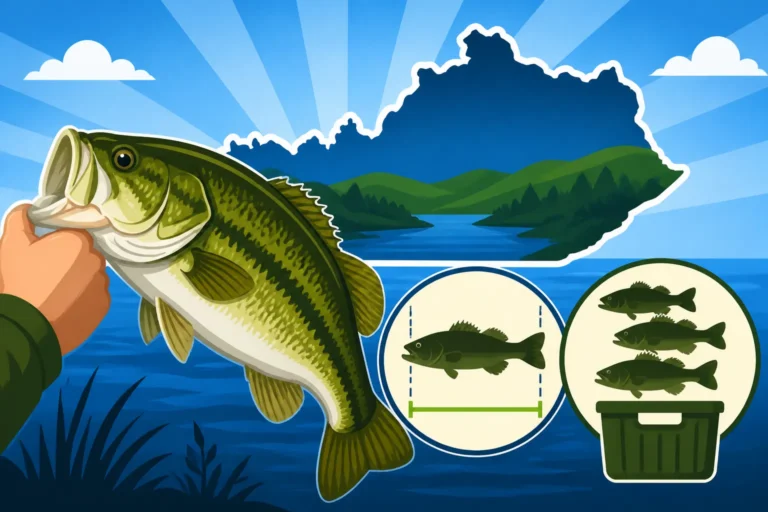
For most of Kentucky’s public waters, the statewide bass limit is pretty straightforward: you can keep up to 6 bass per day, and they must be at least 12 inches long. This applies to largemouth, smallmouth, and spotted bass combined. This general rule is designed to ensure a sustainable population across most of our diverse waters. You can learn more about this in Kentucky Statewide Bass Size and Daily Limit Rules.
However, some lakes have very specific regulations due to their unique fisheries. Take Lake Barkley, for instance. Because of its exceptional productivity and unique biological characteristics, Lake Barkley has a more protective slot limit for bass. Specifically, on Lake Barkley, you can only keep one bass over 15 inches as part of your daily limit. This is often part of a management strategy to protect the middle-sized "trophy potential" fish, allowing them to grow larger and contribute to the gene pool. It’s a very different approach from the statewide rule, and missing this detail could land you in hot water. Our article on Lake Barkley Bass Size Limit Exception in Kentucky delves deeper into this. These targeted rules aim to produce even bigger fish for future enjoyment, even if they seem a bit restrictive in the short term.
Crappie: General Rules and Lake-Specific Size Limits
Crappie fishing is incredibly popular in Kentucky, and generally, the statewide daily limit allows you to keep 20 crappie (black and white combined) per day, with no minimum size limit. This is great news for many anglers who enjoy filling a stringer with these tasty panfish. However, just like bass, there are specific exceptions that you need to be aware of. Our guide on Kentucky Crappie Daily Limit Rules covers the basics.
Barren River Lake is a prime example of a lake with a unique crappie regulation. Here, you'll find a 10-inch minimum size limit for crappie. This particular rule is in place because biologists have determined that a size limit helps manage the population, ensuring crappie have a chance to grow to a more desirable size before being harvested. It's often implemented to prevent "stunting," where a large population of small crappie crowds out resources, leading to many small fish but few larger ones. Understanding this particular nuance is crucial, and you can read more about it in Barren River Lake Crappie Size Limit in Kentucky. Always double-check regulations before heading out, especially for these popular panfish.
Catfish: Daily Limits and Trophy Fish Rules
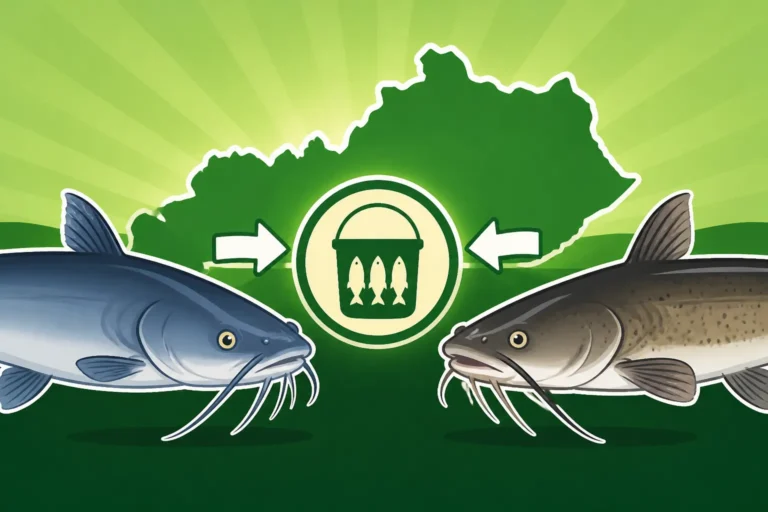
Catfish are another beloved species in Kentucky, offering fantastic fishing opportunities across a wide range of waterbodies, from the mighty Ohio River to countless smaller lakes. The statewide daily limit for catfish (channel, blue, and flathead combined) is generally 15 fish, but there’s an important caveat: only one of those can be over 25 inches long. This "trophy fish rule" is designed to protect the largest, most productive breeding catfish, ensuring that these genetic giants continue to contribute to the population. Our detailed article on Kentucky Catfish Daily Limit and Trophy Fish Rule explains this further.
This particular regulation helps maintain a healthy distribution of sizes and ensures that those impressive, record-breaking catfish have a chance to grow to their full potential. Imagine catching a true monster blue cat, like those found in the Ohio River! The statewide limit ensures that while you can still take home a nice meal of smaller catfish, those really big ones are largely protected for the future. Of course, specific lakes or river stretches might have minor adjustments to these rules, especially for flatheads, which are managed a bit differently in some areas due to their unique life history and slower growth rates.
Here's a quick comparison of some common species limits in Kentucky:
| Species | Statewide Daily Limit | Statewide Size Limit | Lake Barkley Bass Exception | Barren River Lake Crappie Exception |
|---|---|---|---|---|
| Bass | 6 fish | 12 inches minimum | Only 1 over 15 inches | N/A |
| Crappie | 20 fish | No minimum | N/A | 10 inches minimum |
| Catfish | 15 fish | Only 1 over 25 inches | N/A | N/A |
Note: Always consult the official KDFWR regulations for the most current and complete information.
How Anglers Can Stay Informed and Adapt
Given all these variations, it’s understandable if you sometimes feel overwhelmed. But staying informed is easier than you might think, and it’s truly the key to responsible and successful fishing in Kentucky. Every angler, from a seasoned veteran to someone just starting out, needs to take responsibility for knowing the rules of the water they plan to fish. You can even find waterproof regulation guides or fishing logbooks on Amazon that help keep track of your catches and the rules.
Utilizing Kentucky Fish and Wildlife Resources
The Kentucky Department of Fish and Wildlife Resources (KDFWR) is your absolute best friend for current and accurate information. They publish a yearly fishing and boating guide, available in print at most license vendors and bait shops, or as a free PDF download from their official website. This guide is a treasure trove of information, clearly outlining all statewide and lake-specific regulations, including daily limits, size restrictions, and any special conditions. Always grab the latest version, as rules can occasionally change from year to year. You can also explore their website for detailed fishing reports and interactive maps that might highlight specific regulations for particular areas.
Beyond the printed guide, the KDFWR website is a fantastic digital resource. They often have dedicated pages for specific lakes or regions, where you can delve into even more detailed management plans or see recent changes. Remember, buying your fishing license, whether it's an annual or a 1-day pass, means you're supporting the work of the KDFWR in managing these valuable fisheries. Our guide on Kentucky Fishing License Guide can help you navigate the process of obtaining one. Also, keeping an eye on the Kentucky Fishing License Year and Renewal Dates ensures you're always legal.
Pre-Trip Planning and Verification
The best habit any angler can adopt is making regulation verification part of their pre-trip planning, especially when heading to an unfamiliar body of water. Before you even pack your tackle box, take a few minutes to look up the specific rules for the lake or river you intend to fish. Don't rely solely on what you remember from last season, or what your buddy told you about "a different lake." Even within the same river system, different stretches might have different rules. This diligent approach is exactly what we discuss in Checking Current Regulations Before a Fishing Trip.
It might sound like a hassle, but a quick check can save you a lot of grief, including potential fines and citations from a Kentucky game warden. Many anglers keep a small, laminated copy of the relevant lake rules, or even a screenshot on their phone, easily accessible while on the water. This is particularly important for those unique exceptions, such as How Kentucky's Statewide Limits Differ From Lake Barkley's Rules or when fishing for specific species where limits can vary widely. Make it a routine, and you’ll find that navigating Kentucky’s diverse fishing regulations becomes second nature, allowing you to focus on the joy of the catch. Sometimes, even small items like a waterproof regulations card that fits in your wallet, readily available on Amazon, can make all the difference.
Disclaimer
Please remember that fishing regulations can change. While this guide provides comprehensive information, it is always your responsibility to consult the most current official Kentucky Department of Fish and Wildlife Resources (KDFWR) regulations before engaging in any fishing activity. This article is for informational purposes only and should not be considered legal advice.