Best Catfish Fishing Spots on Kentucky’s Ohio River
Trying to pinpoint the absolute best spots for hauling in monster catfish along the sprawling Kentucky stretch of the Ohio River can feel incredibly overwhelming. This isn't your local farm pond; we're talking about a massive, ever-changing waterway with currents, depths, and structures that hide incredible angling opportunities if you only know where to look. This comprehensive guide is here to cut through the confusion, offering a deep dive into proven hotspots, essential techniques, and crucial safety advice to help you land those trophy blue, channel, and flathead catfish.
Understanding Ohio River Catfish: Species and Behavior
The Ohio River is a true gem for catfishing enthusiasts, boasting a robust population of three primary species that grow to impressive sizes. Each species has its own unique preferences for habitat, diet, and behavior, understanding which is key to successful angling. Knowing your target and its tendencies will dramatically increase your chances of a memorable catch.
Blue Catfish: The River's True Giants
Blue catfish are the undisputed heavyweight champions of the Ohio River. These incredible fish are known for their immense size and powerful fights, with trophy specimens easily exceeding 50 pounds, and the Kentucky state record hitting a staggering 106 pounds 14 ounces. They prefer deep, open water, often congregating in strong currents, channel edges, and around structural elements that disrupt the flow. You'll find them particularly active in the main river channel, especially in areas with deep holes and scour marks. Blue cats are primarily piscivorous, meaning they love to eat other fish. Their diet includes shad, skipjack herring, drum, and smaller baitfish. When targeting blues, you're often looking for schools of baitfish, as the blues won't be far behind. Their sheer size and strength mean you need robust gear and a solid strategy to bring them in.
Channel Catfish: Abundant and Accessible
Channel catfish are perhaps the most widespread and recognizable catfish species in the Ohio River, offering consistent action for anglers of all skill levels. While they don't reach the gargantuan sizes of their blue cat cousins, channels are still excellent fighters and delicious table fare. They are far less picky about their habitat, thriving in a wider range of conditions from shallow flats to moderate depths, and can be found in both fast and slow-moving water. Channel cats are opportunistic feeders, with a diet that includes insects, crustaceans, small fish, and just about any decaying organic matter they can find. This makes them highly responsive to a variety of baits, from traditional stink baits to cut bait and worms. You'll often find them closer to shore than blues, especially during warmer months, making them a fantastic target for bank anglers.
Flathead Catfish: Ambush Predators of Structure
Flathead catfish are the stealthy, solitary predators of the Ohio River, renowned for their voracious appetites and preference for live bait. Unlike blue and channel cats, flatheads are rarely caught in large numbers together; they are ambush predators that stake out prime pieces of cover and wait for unsuspecting prey. They absolutely love structure: submerged timber, rock piles, log jams, old bridge pilings, and anything that offers them a dark, secure hiding spot from which to launch an attack. You'll often find them tucked right into the densest cover imaginable, requiring careful bait presentation and strong gear to pull them out. Flatheads are almost exclusively piscivorous, preferring live bait such as bluegill, sunfish, or even small carp. They can grow quite large, often reaching 30-50 pounds, with the Kentucky state record weighing in at an impressive 97 pounds. Targeting flatheads is a patient game, focusing on specific pieces of structure rather than broad areas.
Key Factors for Finding Catfish on the Ohio River
The Ohio River is a dynamic environment, and successful catfishing hinges on understanding how different factors influence fish location and feeding behavior. You can’t just drop a line anywhere and expect results; a little knowledge about river dynamics goes a long way. This massive waterway offers countless opportunities, but knowing what to look for will save you a lot of fruitless casting.
River Structure and Current Breaks
Structure is king when it comes to catfishing on the Ohio River. Catfish, especially flatheads and larger blues, gravitate towards areas that offer cover, ambush points, or relief from the main current. Look for features like submerged rock piles, old bridge footings, log jams, downed trees, and sudden depth changes like ledges and drop-offs. These structures provide vital hiding places for predators and often attract baitfish, creating a perfect feeding scenario. Current breaks are equally important. The Ohio River often has strong currents, and fish conserve energy by positioning themselves in seams or eddies where the water flow is reduced, but still close enough to ambush prey swept by the main current. This can be behind a large rock, on the downstream side of a submerged island, or in the calmer water adjacent to a swift current. Pay close attention to navigation charts or your fish finder to identify these critical structural elements.
Depth, Bottom Composition, and Food Sources
The depth and bottom composition of the riverbed play a significant role in where you'll find catfish. Blue catfish, in particular, favor deeper channels and holes, especially during colder months or periods of intense sun. They often suspend near the bottom, but might also patrol mid-depths if baitfish are present there. Channel catfish, being more adaptable, can be found in shallower flats, particularly where the bottom is soft or muddy, indicating potential food sources. Flatheads are typically found right on the bottom, in or immediately adjacent to heavy cover in varying depths.
Regarding bottom composition, catfish often prefer areas with a mix of gravel, rock, and mud. Muddy bottoms often hold worms, insect larvae, and other invertebrates that channel cats love, while rocky bottoms provide hiding spots for baitfish and crawfish, attracting all species. Perhaps most crucially, catfish are inextricably linked to their food sources. If you can locate schools of shad, skipjack herring, or other baitfish, you’re often very close to hungry catfish. Using your fish finder to locate bait schools, especially in deeper channels or near structure, is a highly effective strategy.
Seasonal Movements and Water Conditions
Catfish behavior on the Ohio River is heavily influenced by the seasons and prevailing water conditions. In spring, as water temperatures rise, catfish become more active and begin their spawning migrations. Channel cats will move into shallower areas, while blues might be found on flats adjacent to deeper channels. Flatheads will also be more active, seeking out woody cover for nesting. Summer sees all three species actively feeding, with blues often in deeper, cooler water during the day, moving shallower at night. Channel cats are prolific in shallower areas and current breaks, while flatheads remain tied to their structure. Check out our guide on Summer Catfish Fishing on the Ohio River in Kentucky for more detailed insights on warmer weather strategies.
As fall approaches and water temperatures begin to drop, catfish will often embark on a feeding frenzy, bulking up for winter. Blues will school up in deeper main river channels, following baitfish. Flatheads might remain in their cover, but will be more aggressive feeders. In winter, activity slows, and catfish will typically hold in the deepest, most stable pools and channels, often near thermal discharges from power plants. Water levels, clarity, and current also impact fishing. High, muddy water can disperse fish, but it also creates excellent opportunities near tributary mouths or slack water areas where clearer water enters. Low, clear water can make fish more wary, requiring subtler presentations.
Top Catfish Fishing Zones on the Kentucky Side of the Ohio River
The Ohio River forms Kentucky's northern border, offering hundreds of miles of prime catfishing territory. While the entire river holds potential, certain stretches are known for consistently producing big numbers and trophy fish due to their unique characteristics and accessibility.
The Metropolitan Stretch: Louisville and Surrounding Areas
The section of the Ohio River around Louisville is a fantastic hotspot for catfish, largely due to the presence of the Falls of the Ohio and the McAlpine Dam. This area creates a natural bottleneck and a highly oxygenated environment that concentrates baitfish and, consequently, large catfish. Below the dam, the turbulent water and complex current breaks are absolutely ideal for blue catfish, which thrive in strong currents. The sheer volume of structure here, including bridge pilings (like those under the Clark Memorial Bridge and Kennedy Bridge), rock ledges, and deep holes, provides ample ambush points for all three species.
Public access points are relatively abundant, with various boat ramps and bank fishing opportunities. For those looking to launch a boat, ramps in Jeffersonville (on the Indiana side, but easily accessible for fishing the Kentucky waters) and around Louisville offer good options. Bank anglers can find success along the waterfront parks, particularly below the dam area, although safety precautions due to strong currents are paramount. Many anglers specifically target this area for trophy blue cats, often anchoring strategically upstream and drifting large cut baits into the turbulent waters. This area is also popular for its convenience, making it easier for many anglers to find an experienced guide or arrange a trip through services like FishingBooker, which can connect you with local experts who know these waters intimately.
Western Kentucky Hotspots: Paducah to Henderson
Moving west along the Ohio River, the stretch from Henderson down to Paducah offers a different, but equally productive, catfishing experience. This region is characterized by broader river sections, numerous islands, and significant tributary confluences, particularly the Cumberland and Tennessee Rivers near Paducah. The influx of water from these major tributaries introduces a wealth of nutrients and baitfish, creating incredibly fertile fishing grounds.
Near Paducah, the convergence of the Ohio, Cumberland, and Tennessee Rivers is an exceptional area for blue and flathead catfish. The deep channels, extensive log jams, and current breaks around these confluences are prime locations. Boat ramps like the one at Paducah’s riverfront provide excellent access. Further upstream towards Henderson, you'll find numerous smaller creek mouths and industrial outfalls that attract channel catfish, especially during warmer months. The slacker water behind islands and in large embayments can also be highly productive for all three species. The area around Newburgh Lock and Dam near Henderson is another prime location, with plenty of turbulent water and structure below the dam similar to the Louisville area, though perhaps with less fishing pressure. Exploring the backwaters and slack pools created by the numerous islands in this region can also yield excellent flathead fishing if you focus on heavy, submerged timber.
Northeastern Reaches: Maysville to Ashland
The northeastern stretch of the Ohio River, from Maysville up to Ashland, provides yet another distinct catfishing environment. This section tends to be narrower in parts, with steeper banks and different current dynamics. While it might not have the same reputation for sheer monster blue cats as the western portions, it offers consistent action for channel catfish and respectable flatheads, with blues certainly present.
Key areas include the pools above and below the various locks and dams, such as the Meldahl Lock and Dam near Maysville and the Greenup Lock and Dam near Ashland. These structures create current breaks and deep holes that concentrate fish. The mouths of tributaries like the Licking River near Covington/Newport and the Big Sandy River near Ashland are also excellent spots, as they wash in food and provide diverse habitat. Public boat ramps and bank access can be found in towns like Maysville, Augusta, Covington, and Ashland. This region is often popular with local anglers who know the specific nuances of each stretch. Look for natural rock formations, deep bends in the river, and any industrial discharge areas (which often create warmer water, attracting baitfish and therefore catfish, especially in cooler months). While perhaps less famous for trophy blue cat opportunities than the western river, this stretch is ideal for consistent action and offers beautiful scenery.
Specific High-Producing Catfish Spots and Access Points
Now that we've covered the general regions, let's drill down into some specific types of locations and access points that consistently produce excellent catfish action on the Ohio River. Knowing where to cast is just as important as knowing how.
Below Major Dams and Power Plants
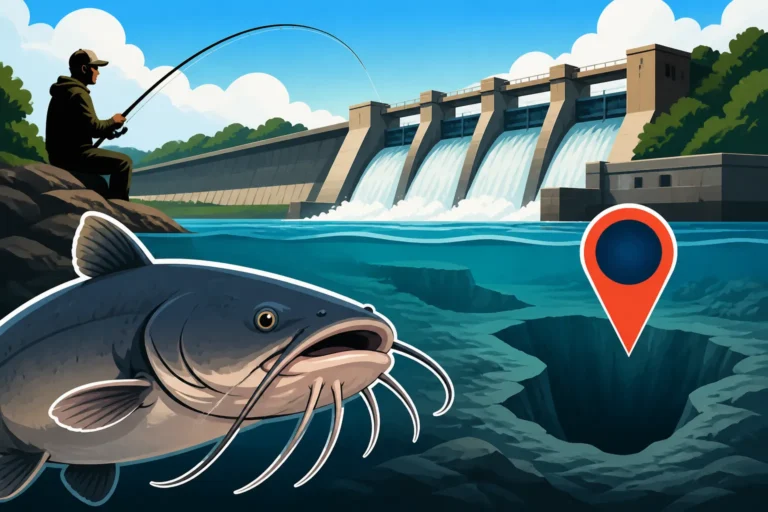
Areas immediately downstream from major dams are arguably the most productive catfish spots on the Ohio River. Dams like McAlpine (Louisville), Newburgh (Henderson), Meldahl (Maysville), and Greenup (Ashland) create highly oxygenated, turbulent water and strong current breaks. These conditions are a magnet for baitfish, which are disoriented and pushed through the dam gates, creating a ready buffet for hungry catfish. Large blue catfish are particularly fond of these turbulent, current-rich environments.
Anglers often anchor upstream and drift cut bait downstream into the swirling currents, or position their boats in eddies just out of the main flow. The deeper scour holes created by the immense power of the dam discharge are prime holding areas. Bank fishing can be excellent below dams as well, though extreme caution must be exercised due to swift currents and potential water level fluctuations. Always observe safety signs and wear a life jacket, especially if fishing from a boat in these chaotic waters. Many of these areas also have industrial power plants nearby, whose warm water discharges can attract fish, particularly in colder seasons, making them year-round hotspots.
Tributary Confluences and Creek Mouths
Wherever smaller creeks or major rivers (like the Cumberland, Tennessee, Licking, or Big Sandy) flow into the Ohio River, you'll find prime catfishing territory. These confluences act as natural highways for baitfish and wash in nutrients, creating fertile feeding grounds. During periods of high water or after heavy rains, the incoming water from tributaries might be muddier or clearer than the main river, creating a distinct "mud line" or "seam." Catfish often patrol these seams, ambushing baitfish that hesitate at the change in water conditions.
The mouth of the Cumberland and Tennessee Rivers near Paducah, for instance, is world-renowned for its trophy blue catfish. Similar conditions can be found at the mouths of smaller creeks along the entire length of the Kentucky Ohio River border. Flathead catfish often hold in the submerged timber that accumulates at these junctions, while channel catfish will be found both in the main river influence and further up into the creek mouths. Boat anglers can position themselves to drift through these areas or anchor strategically. Bank anglers can often access the banks at creek mouths, casting into the deeper channels created by the confluence.
Public Docks, Piers, and Riverbank Access
For anglers without a boat, or those just looking for a convenient spot to wet a line, the Ohio River offers numerous public docks, piers, and designated bank fishing access points. While these spots might not always yield the absolute biggest trophy fish, they are excellent for consistent action, particularly for channel catfish and smaller blues. Locations in cities like Louisville, Covington, Maysville, Ashland, and Paducah often feature riverfront parks with developed fishing access.
These areas provide easy access to the main river channel or calmer backwater sections. Look for spots near bridge pilings, submerged rip-rap, or any noticeable change in the bank contour. Casting out into the main channel current with bottom rigs is a popular and effective technique. The convenience of these spots also means they can be busier, especially on weekends. When fishing from a public pier or bank, always be mindful of other anglers and boat traffic. These spots are fantastic for a relaxed day of fishing, and many offer amenities like restrooms and parking. Before you head out, make sure you have your Kentucky Fishing License Guide handy, as licenses are almost always required for public waters.
Essential Gear and Techniques for Ohio River Catfishing
Successfully battling the powerful catfish of the Ohio River requires the right tools and a solid understanding of effective techniques. Trying to land a 50-pound blue cat with a flimsy panfish rod is a recipe for heartbreak! Investing in quality gear and mastering a few key approaches will significantly improve your chances.
Rods, Reels, and Line: Built for Battle
For Ohio River catfishing, durability and strength are paramount. You're dealing with big fish, strong currents, and often heavy cover.
- Rods: Look for heavy-action or medium-heavy action rods, typically 7 to 10 feet long. Shorter rods (7-8 feet) are good for boat fishing and casting heavy rigs, while longer rods (9-10 feet) excel for bank fishing, allowing for longer casts and better line control over obstacles. Fiberglass or composite rods are often preferred for their strength and backbone.
- Reels: Baitcasting reels are the preferred choice for serious catfishing on the Ohio River. They offer superior cranking power and line capacity compared to spinning reels. Look for models with a strong drag system, a comfortable handle, and a bait clicker (or "strike alarm") to alert you when a fish takes the bait. Many anglers swear by brands like Abu Garcia, Penn, or Shimano for their reliability.
- Line: Monofilament line in the 20-50 lb test range is a good all-around choice for its shock absorption. However, many experienced anglers, especially those targeting trophy blue cats in heavy current, prefer braided line (50-100 lb test) for its incredible strength, sensitivity, and lack of stretch. A heavy-duty fluorocarbon leader (50-80 lb) is often tied to the braided main line for abrasion resistance. For a deeper dive into what kind of tackle you'll need, check out our guide on Best Catfish and Paddlefish Gear for Kentucky's Ohio River.
Best Baits and Rigs for Different Catfish Species
Choosing the right bait and rig for the specific catfish species you're targeting is crucial.
- Blue Catfish: Fresh cut bait is king. Skipjack herring, shad, gizzard shad, or even pieces of carp or drum are highly effective. The fresher the bait, the better. Use large, sturdy circle hooks (8/0 to 12/0) with a slip sinker rig or a Santee Cooper rig. The Best Bait for Blue Catfish Fishing often involves a chunk of fresh skipjack.
- Channel Catfish: These opportunists will eat a wide variety of baits. Stink baits (dough balls, pre-made dips), chicken livers, worms (nightcrawlers), shrimp, and small pieces of cut bait all work well. Use smaller circle hooks (2/0 to 5/0) with a simple Carolina rig or a three-way swivel rig.
- Flathead Catfish: Live bait is almost exclusively preferred for flatheads. Live bluegill, sunfish, or small carp (check local regulations on baitfish size and species) are irresistible to these ambush predators. Hook the live bait through the back or lips. A sturdy live bait hook (6/0 to 10/0) on a heavy-duty slip sinker rig is effective. If you're struggling, read up on Best Bait for Flathead Catfish on the Ohio River for more tips.
Common Rigs:
- Slip Sinker Rig (Carolina Rig): A weight slides freely on the main line above a swivel, to which a leader and hook are attached. This allows the fish to pick up the bait without feeling the weight.
- Santee Cooper Rig: Similar to a slip sinker, but includes a peg or float just above the hook to lift the bait slightly off the bottom, making it more visible.
- Three-Way Swivel Rig: A heavy weight is tied to one eye of the swivel, the main line to another, and the leader with the hook to the third. Good for presenting multiple baits or fishing in current.
Boat vs. Bank Fishing Strategies
The Ohio River offers excellent opportunities for both boat and bank anglers, but each requires a different strategic approach.
Boat Fishing:
Boats offer the ultimate advantage on the Ohio River, allowing you to access prime spots like deep channels, distant structure, and the turbulent waters below dams that are unreachable from shore.
- Anchoring: Learning How to Anchor for Catfish on a River effectively is crucial. Use a heavy anchor (river anchor or mushroom anchor) and plenty of rope. Position your boat upstream of your target area and let out enough rope so your boat settles directly over or just upstream of the spot, allowing your bait to drift naturally into it. This is particularly effective below dams or near current breaks.
- Drifting: Sometimes, drifting with the current can be highly effective, especially when trying to cover a large flat or channel edge where fish might be dispersed. Use a drift sock (sea anchor) to slow your boat's drift speed, allowing your baits to stay in the strike zone longer. This is a great way to locate active fish.
- Electronics: A good fish finder with GPS is invaluable for boat fishing. It helps you locate deep holes, submerged structure, baitfish schools, and even large catfish. Mark productive spots on your GPS for future reference.
Bank Fishing:
Don't underestimate bank fishing on the Ohio! While you might not reach every hotspot, many accessible areas hold plenty of catfish.
- Public Access: Utilize public parks, piers, and boat ramps that offer bank access. Look for areas with rip-rap, bridge pilings, or sudden drop-offs close to shore.
- Casting: Long, accurate casts are essential. Use longer rods (9-10 feet) to achieve maximum casting distance and to keep your line clear of snags near the bank. Cast multiple lines with different baits and rigs to cover more water and test what the fish are biting.
- Structure from Shore: Target visible structure like downed trees, log jams, or rock piles near the bank. Cast your bait as close as possible to these areas, as flatheads especially love to hide in them. Fishing near tributary mouths from shore can also be very productive, especially after rains.
| Catfish Species | Preferred Habitat | Best Baits | Recommended Rig |
|---|---|---|---|
| Blue Catfish | Deep channels, strong currents, below dams | Fresh cut shad, skipjack, carp | Slip Sinker, Santee Cooper |
| Channel Catfish | Shallow flats, moderate currents, creek mouths | Stink bait, chicken liver, worms, cut bait | Carolina Rig, Three-Way Swivel |
| Flathead Catfish | Heavy submerged cover, log jams, rock piles | Live bluegill, sunfish, small carp | Slip Sinker (heavy-duty) |
Safety, Regulations, and Conservation on the Ohio River
Fishing on the Ohio River is an incredible experience, but it comes with responsibilities. Knowing the rules, prioritizing safety, and practicing good conservation habits ensures a sustainable fishery for everyone. The river can be powerful and unpredictable, so always be prepared.
Navigational Hazards and River Safety Protocols
The Ohio River is a busy commercial waterway with barges, towboats, and recreational traffic. Always be aware of your surroundings.
- Barge Traffic: Barges create massive wakes and strong currents that can be dangerous for smaller boats. Give them a wide berth and never assume they see you.
- Currents and Eddies: The river's currents can be deceptively strong, especially below dams or around bridge pilings. Learn to read the water to identify safe areas and potential hazards. Strong eddies can pull small boats into dangerous situations.
- Debris: The river carries a lot of debris, especially after heavy rains. Watch out for floating logs, branches, and other obstacles that can damage your boat or become navigation hazards.
- Weather: River weather can change rapidly. Always check the forecast before heading out and be prepared for sudden storms, strong winds, or fog.
- Life Jackets: This isn't optional; it's essential. Make sure everyone on board has a properly fitting, Coast Guard-approved life jacket, and children under 12 are required to wear one at all times while underway. Familiarize yourself with all Life Jacket Rules for Boats in Kentucky. Even strong swimmers can be overwhelmed by currents if they unexpectedly fall into the cold, turbulent water.
- Communication: Carry a fully charged cell phone or, even better, a marine radio. Let someone know your float plan, including where you're going and when you expect to return.
Kentucky Catfish Daily Limit and Trophy Fish Rule
Kentucky has specific regulations for catfish on the Ohio River to ensure a healthy and sustainable population. It's crucial to be aware of these before you go out.
- Statewide Regulations: Generally, for blue and channel catfish, the statewide daily limit is 15 fish in aggregate, with only one fish over 25 inches allowed per angler. For flathead catfish, the daily limit is 5 fish, with only one fish over 25 inches allowed. These limits are designed to protect larger, trophy-sized fish and ensure breeding stock remains plentiful. If you're aiming for a true monster, understand the Kentucky Catfish Daily Limit and Trophy Fish Rule.
- Ohio River Specifics: While most statewide regulations apply, always double-check the current Kentucky Department of Fish and Wildlife Resources (KDFWR) fishing guide for any Ohio River specific exceptions or updates. Reciprocity agreements with Ohio might also affect rules if you're fishing border waters.
- Measurement: Know how to properly measure your fish (total length, from the tip of the jaw to the tip of the tail) to ensure compliance.
- Possession Limits: The possession limit is usually twice the daily creel limit, meaning you can have up to two days' worth of fish in your possession after fishing, but not while still on the water.
Ignorance of the law is no excuse, and wardens regularly patrol the Ohio River. Make sure you have your Kentucky Fishing Regulations Explained and your fishing license handy. If you haven't bought one yet, our guide on How to Get a Fishing License in Kentucky will walk you through the process.
Responsible Catch and Release Practices
While many anglers keep catfish for their delicious meat, practicing responsible catch and release for larger, trophy-sized fish is vital for the long-term health of the fishery. These large fish are often the prime breeders and have taken many years to reach their size.
- Minimize Fight Time: When you hook a large catfish, try to bring it in as quickly as possible without over-stressing the fish or breaking your line. Prolonged fights can exhaust a fish beyond recovery.
- Proper Handling: Handle large catfish carefully. Use a large, wet net to bring them into the boat. Avoid dragging them onto dry surfaces. If you must lift them for a photo, support their body horizontally, especially heavier fish, rather than holding them vertically by the jaw, which can damage internal organs.
- Quick Release: Have your camera ready for a quick photo, then release the fish promptly. If the fish seems sluggish, hold it gently in the water, facing into the current, until it regains its strength and can swim away on its own.
- De-hooking: Use appropriate de-hooking tools like needle-nose pliers or hook removers to minimize damage, especially if the hook is deep. Using circle hooks can significantly reduce gut hooking, making releases easier and safer for the fish.
Planning Your Ohio River Catfish Adventure
Embarking on a catfishing trip on the Ohio River is an exciting prospect, but a little planning goes a long way. From choosing the right time to considering guided trips, thoughtful preparation can turn a good day into a truly unforgettable one.
Best Times of Day and Year to Fish
Understanding the seasonal and daily rhythms of catfish can significantly impact your success.
- Spring (March-May): As water temperatures climb, catfish become very active, moving into shallower areas to spawn. This is an excellent time for both quantity and quality. Catfish will be hungry and aggressive, making them easier to target.
- Summer (June-August): Catfish are highly active in summer. Channel cats will be abundant in various areas. Blue and flathead cats often feed heavily at night or during low-light conditions (dawn and dusk) when water temperatures are cooler, moving to deeper, cooler holes during the day. Night fishing is particularly popular and productive for trophy blues and flatheads in summer.
- Fall (September-November): This is a prime time for trophy hunting. Catfish go on a major feeding binge to build up fat reserves for winter. They will often be found in deeper channels, following schools of baitfish. The bite can be aggressive and consistent.
- Winter (December-February): Fishing slows down, but large blue catfish can still be caught, often congregated in deep holes, especially near power plant discharges that offer slightly warmer water. This is a more challenging time but can yield huge fish for dedicated anglers.
As for the best time of day, generally, low-light conditions (dawn and dusk) are excellent, especially in warmer months. Night fishing is also incredibly productive for large blue and flathead catfish during summer. However, fish below dams can bite all day long due to the constant food supply.
Finding Local Expertise and Guided Trips
The Ohio River is vast, and its nuances can be complex. Don't underestimate the value of local knowledge.
- Local Bait Shops: These are often goldmines of current information. Shop owners and regulars can tell you what's biting, what baits are working, and where to go. They often have maps and can point you to specific access points.
- Online Forums and Social Media Groups: Many dedicated Ohio River fishing groups exist online where anglers share tips, reports, and connect with one another.
- Guided Trips: For a truly immersive and productive experience, especially if you're new to the Ohio River or targeting trophy fish, consider booking a guided catfishing trip. Local guides spend countless hours on the water, know the river intimately, understand seasonal patterns, and have all the necessary specialized equipment. Services like FishingBooker are fantastic resources for finding reputable, experienced catfish guides who operate on the Kentucky side of the Ohio River. They can put you on fish faster than you might on your own, and it’s a great way to learn advanced techniques. Many guides will provide all the gear, bait, and local know-how, ensuring you have a fantastic chance at landing a giant.
Accommodations and Nearby Amenities
Planning for amenities around your chosen fishing spot can make your trip much more comfortable.
- Lodging: Kentucky offers a range of lodging options along the Ohio River, from hotels in cities like Louisville, Paducah, and Ashland to quaint bed and breakfasts in smaller river towns. Consider booking accommodations that are conveniently located near your preferred fishing zones and boat ramps.
- Camping: For those who prefer a more rustic experience, there are numerous state parks and private campgrounds along the Ohio River and its tributaries that offer camping facilities. These can be a cost-effective and enjoyable way to extend your fishing adventure.
- Dining and Supplies: Ensure you know where to find local restaurants, grocery stores, and bait shops. Many small towns along the Ohio River thrive on tourism, offering charming local eateries. Pack plenty of water, snacks, sunscreen, and insect repellent for your trip. Remember to properly dispose of all trash to keep the river beautiful for everyone.
By carefully considering these factors, from the species you're after to the conditions you'll face, you can significantly enhance your chances of a successful and enjoyable catfishing adventure on the mighty Ohio River.
Disclaimer
The information provided in this guide is for general informational purposes only. Fishing regulations, conditions, and recommended techniques can change. Always consult the most current Kentucky Department of Fish and Wildlife Resources (KDFWR) regulations before fishing. Exercise caution and adhere to all safety guidelines when on or near the water.