Best Remote Coves on Kentucky Lake for Bass Fishing
On a lake as vast and legendary as Kentucky Lake, known worldwide as a premier bass fishing destination, it's easy to feel overwhelmed by the sheer size and the number of anglers vying for the same hot spots. You might dream of those serene mornings, pulling a trophy bass from a quiet cove, far from the roar of high-speed boats and the constant pressure of fellow fishermen. The good news is, those tranquil, productive remote coves absolutely exist on Kentucky Lake, offering a much-needed escape and some incredible fishing opportunities. This guide will help you navigate past the crowds and discover those hidden gems where the bass are less wary and the scenery is simply breathtaking.
The Undeniable Appeal of Remote Bass Coves on Kentucky Lake
Let's be real, sometimes fishing on a popular lake feels less like a peaceful pastime and more like a competitive sport. Everyone's heard about the famous brush piles, the well-known ledges, and the prominent points that hold fish. But what about the spots where the bass haven't seen a hundred different lures already this week? That's where remote coves come into their own, offering a distinct advantage for savvy anglers.
Escape from Fishing Pressure
The most significant draw of a remote cove is the lack of fishing pressure. Bass are smart creatures, and they quickly learn to associate certain sounds, shadows, and lure presentations with danger. In heavily fished areas, they become more wary, harder to entice, and often move to deeper, more complex cover. When you slip into a secluded cove that doesn't see much traffic, you're fishing for bass that are more likely to behave naturally. They're feeding on instinct, not constantly on high alert, making them more receptive to your offerings. This can translate directly into more bites and a better chance at landing those larger, less-pressured fish that call these quiet waters home.
Opportunity for Unspoiled Natural Beauty
Beyond the fishing itself, there's an undeniable allure to being surrounded by nature's tranquility. Kentucky Lake is renowned for its expansive waters, but in a remote cove, you'll often find yourself in a world apart. The sounds of distant highway traffic fade, replaced by the chirping of birds, the gentle lapping of water against the bank, and perhaps the rustle of wildlife along the shoreline. These coves are often framed by untouched forests, bluffs, or wetlands, providing a scenic backdrop that enhances the entire fishing experience. It’s a chance to truly disconnect, breathe in the fresh air, and appreciate the raw beauty of Kentucky's outdoors while pursuing your passion.
Discovering Uncharted Waters
There's a thrill in exploration, isn't there? While some anglers prefer to stick to the well-known spots, there's a unique satisfaction in discovering your own productive pocket of water. Remote coves often hide secrets – a forgotten log jam, a subtle depth change, or a patch of submerged vegetation that isn't marked on any map. These are the kinds of features that can hold a lunker bass, and when you find one in an out-of-the-way spot, it feels like a personal victory. Learning to "read the water" and identify potential bass hideouts in these less-traveled areas hones your skills and builds a deeper understanding of the lake's ecosystem, making you a more versatile angler in the long run.
Key Characteristics of a Productive Remote Bass Cove
Finding a truly "remote" cove isn't just about picking the furthest one from the boat ramp. It's about understanding what makes a cove a productive bass habitat, especially when it's tucked away from the main lake thoroughfares. You're looking for a combination of factors that provide food, shelter, and comfort for bass.
Ideal Depth and Bottom Structure
Even in a secluded cove, depth changes and bottom structure are crucial. Bass rarely sit on a flat, featureless bottom, especially bigger ones. Look for coves that offer a mix of depths. The mouth of the cove might be deeper, gradually tapering back into shallower spawning or feeding flats. Key structures to seek out include:
- Submerged Timber: Old trees that have fallen into the water, brush piles, or even standing timber can be absolute magnets for bass. They provide shade, ambush points, and protection from predators.
- Rock Piles and Boulders: These offer hard cover, absorb heat, and often attract crawfish, a favorite bass meal. They also create current breaks if the cove has even a slight flow.
- Transition Zones: Where a hard bottom meets a soft, mucky bottom, or where rock transitions to sand. Bass often patrol these edges looking for prey.
- Creek Channels: Many coves are actually old creek beds that were flooded when the lake was formed. If you can find the old creek channel running through a cove, especially where it swings close to a bank or crosses a main point, you've found a highway for bass movement.
Abundant Cover and Forage Opportunities
Cover isn't just about big timber; it's about anything that gives a bass a place to hide, rest, or ambush prey. Forage is what draws them there in the first place.
- Laydowns and Overhanging Branches: Trees that have fallen into the water or branches that dip low create excellent overhead cover and shade. Bass will position themselves in these spots, waiting to ambush baitfish.
- Lily Pads and Aquatic Grass Beds: While Kentucky Lake isn't as famous for vast grass flats as some other southern lakes, patches of lily pads, hydrilla, or milfoil offer incredible cover, oxygenate the water, and hold countless baitfish and invertebrates. These are prime hunting grounds for bass.
- Docks and Pontoons (if any): Even in remote areas, you might find a lone dock or an old pontoon left behind. These man-made structures provide excellent shade and cover, especially during bright, sunny days.
- Baitfish Presence: If you see schools of shad flickering on your fish finder, or notice minnows darting around, you're in a good spot. Bass follow their food, so finding abundant forage is paramount.
Understanding Water Conditions
The water itself plays a huge role in whether a cove will hold bass. Remote coves can have different water characteristics than the main lake.
- Water Clarity: Remote coves might be clearer or murkier than the main lake depending on their location and recent weather. Bass in clear water tend to be warier and require more subtle presentations, while those in stained or muddy water might be more aggressive and respond to noisier baits.
- Water Temperature: Shallower coves, especially those with dark bottoms, will warm up faster in the spring and cool down faster in the fall. This makes them crucial staging areas during seasonal transitions. In summer, deeper coves or those with cooler springs feeding into them might offer a thermal refuge. For more on how water temperature impacts fish, check out our guide on What Water Temperature Triggers the Crappie Spawn in Kentucky.
- Current (or lack thereof): While the main lake has distinct current patterns, remote coves are often more stagnant. However, some might have subtle inflows from creeks or springs. Bass often position themselves in areas of very light current, as it brings food to them without requiring much energy expenditure.
Navigating to and Fishing Kentucky Lake's Secluded Spots
Accessing these quieter waters requires a bit of planning and the right approach. It’s not always about having the biggest boat, but sometimes the most nimble.
Preferred Boat Types for Remote Access
While your big bass boat is fantastic for covering open water and fishing main lake points, some remote coves on Kentucky Lake can be tricky to get into. You might encounter shallower depths, narrow passages, or hidden stumps.
- Kayaks and Canoes: These are arguably the ultimate stealth machines for remote coves. They allow you to slip silently into the shallowest reaches, past submerged obstacles, and get right up to prime bank cover without spooking fish. Many anglers swear by Best Fishing Kayaks for Big Lakes for this very reason.
- Jon Boats or Smaller Aluminum Rigs: With a shallow draft and a modest outboard or even a powerful trolling motor, these boats can navigate tighter spaces and shallower water than larger fiberglass vessels. They're rugged and can take a bump or two.
- Trolling Motor Dominance: Regardless of your boat type, a good quality electric trolling motor is essential. It provides quiet propulsion, precise boat positioning, and allows you to cover water efficiently without the noise and disturbance of a gas engine.
Once you’re in a remote cove, remember that stealth is your biggest ally. Use your trolling motor sparingly, keep noise to a minimum, and make long, accurate casts to avoid spooking fish.
Specific Remote Areas and Their Charms
Kentucky Lake is absolutely massive, and identifying specific "remote coves" by name can be tricky because true remoteness often means they don't have prominent names or easy access. However, here are some broader areas and types of coves within them that often offer solitude and excellent bass fishing:
- The Upper Reaches of the Big Sandy River Arm: As you head further up the Big Sandy, away from the main lake, the water narrows, and you’ll find countless small, unnamed pockets and feeder creeks. These areas are typically shallower, often have more submerged wood, and receive less pressure than the main lake. You'll also find some fantastic Best Catfish Fishing Spots on Kentucky's Ohio River further upstream and in connected river systems.
- Blood River Area: While Blood River is a well-known larger bay, it has numerous smaller fingers and indentations that can feel very remote, especially on weekdays. Look for pockets with standing timber or dense lily pad fields. The key here is to venture beyond the main channels of Blood River itself.
- Panther Creek and White Oak Creek: These are large creek arms, but like Blood River, they have smaller, less-traveled coves and pockets within them. Focus on the very back of these creek arms, or seek out smaller indentations that require navigating through some shallow water or sparse timber. These are often great spots for Kentucky Crappie Fishing: Spring Spawn Run Guide as well.
- The "Pocket Coves" of the Main Lake: These aren't necessarily in creek arms but are small, almost hidden indentations along the main lake shoreline that are often overlooked. They might be nestled between two points, or just past a prominent feature that draws most of the attention. These often require a keen eye on your map and a willingness to explore. They usually have shallow, stained water and a good amount of bank cover like fallen trees.
Effective Tactics for Remote Cove Bass
Fishing these untouched waters requires a slightly different mindset than bombing a deep crankbait on a main lake ledge.
- Shallow Water Dominance: Many remote coves are shallower than the main lake, making shallow water techniques paramount. Think spinnerbaits, chatterbaits, square bill crankbaits, and topwater lures early and late in the day.
- Soft Plastics and Jigs: When bass are holding tight to cover like brush piles, laydowns, or dense grass, nothing beats a weedless Texas-rigged plastic worm, creature bait, or a jig. Pitch and flip these baits precisely into the densest cover. For more specific lure advice, check out Best Lures for Largemouth Bass on Big Water.
- Patience and Persistence: Bass in remote coves might not be as active as those aggressively chasing bait on main lake points. Work your baits thoroughly through all potential holding spots. Make multiple casts to the same piece of cover from different angles.
- Adjust to Conditions: If the water is stained, use brighter colors or baits with more vibration. If it's clear, opt for natural colors and subtler presentations. Always pay attention to the Best Time of Day to Catch Bass in these quieter spots, which often means dawn and dusk.
| Feature | What to Look For | Why it Matters for Bass | Ideal Lure Types |
|---|---|---|---|
| Submerged Timber | Fallen trees, brush piles, old stumps, standing timber | Ambush points, shade, protection, holds baitfish | Jigs, Texas Rigs, Spinnerbaits |
| Aquatic Vegetation | Lily pads, hydrilla, coontail, sparse grass | Oxygenation, baitfish habitat, excellent cover | Frogs, Soft Plastics, Bladed Jigs |
| Depth Changes | Gradual slopes, creek channels, small drops | Travel routes, feeding zones, thermal refuge | Crankbaits, Carolina Rigs |
| Feeder Creeks | Small inflows, stained water after rain, muddy bottoms | Brings in nutrients, often warmer water in spring, current breaks | Spinnerbaits, Chatterbaits |
| Bank Irregularities | Undercut banks, rock outcroppings, small points | Ambush points, current breaks, shade | Wacky Rigs, Jerkbaits |
Planning Your Remote Cove Bass Fishing Trip
Venturing into less-traveled areas requires a bit more foresight and preparation than just heading to a popular marina. Safety, accessibility, and being self-sufficient are key.
Essential Gear and Safety Considerations
When you're off the beaten path, you need to be prepared for anything.
- Navigation Tools: Don't rely solely on your phone. Bring a reliable GPS unit with detailed mapping of Kentucky Lake, or even a good old-fashioned paper map and compass as a backup. Knowing your way around, especially if weather rolls in or you venture deep into a winding creek arm, is crucial.
- Safety Gear: Ensure your boat is equipped with all required safety gear, including life jackets for every occupant, a throw cushion, a fire extinguisher (if applicable), and a whistle or horn. Always tell someone your float plan – where you're going and when you expect to return. This is especially important when exploring remote areas. You can find more details on requirements in our Kentucky Boat Safety Certificate Requirements guide.
- Emergency Kit: A small first-aid kit, extra water and snacks, a headlamp, a multi-tool, and a fully charged power bank for your phone are non-negotiable. Breakdowns happen, even with well-maintained equipment, and being prepared means a minor inconvenience doesn't turn into a major problem.
- Appropriate Clothing: Dress in layers, and always have rain gear packed. The weather on a large lake like Kentucky Lake can change quickly.
Maximizing Your Chances: Local Knowledge and Resources
Even with the best maps and gear, there's no substitute for local knowledge. Remote coves, by their nature, can be fickle, and their productivity might shift with the seasons or water levels.
- Talk to Local Anglers: Strike up conversations at bait shops, marinas, or even online forums. While no one will give away their secret spots, you can often gather general information about productive areas or common patterns in less-fished regions.
- Consider a Fishing Guide: If you're really serious about learning the ins and outs of Kentucky Lake's hidden gems, hiring a local fishing guide is an invaluable investment. They know the lake like the back of their hand, often have decades of experience, and can take you directly to productive remote areas that would take years to find on your own. Platforms like FishingBooker can help you find experienced guides who specialize in bass fishing on Kentucky Lake. They can not only put you on fish but also teach you the nuances of fishing these specific types of locations.
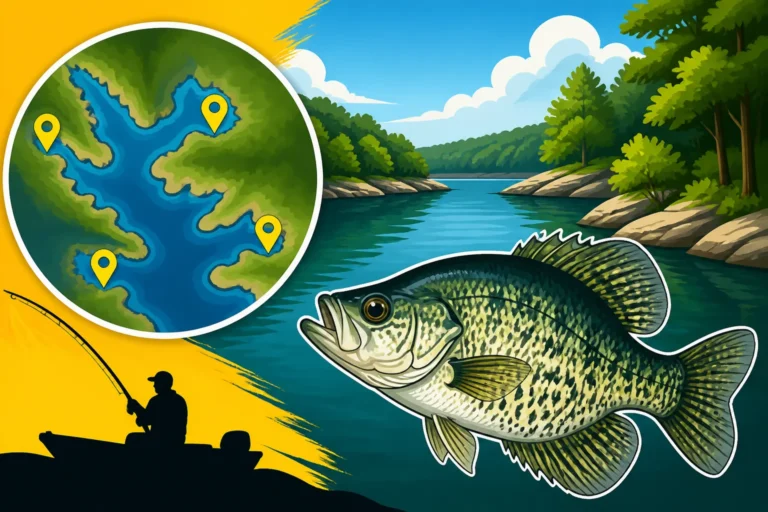
- Study Maps and Satellite Imagery: Before you even launch your boat, spend time studying detailed lake maps and satellite imagery (Google Maps, Navionics, etc.). Look for subtle creek channels, areas where the contour lines are tight (indicating a steep drop), and any visible cover like submerged trees or docks that might be overlooked. Pay attention to Best Boat Ramps on Kentucky Lake for Bass Anglers that might give you quicker access to these remote zones.
- Respect the Rules: Always make sure you have your Kentucky Fishing License Guide in order and are familiar with all current Kentucky Fishing Regulations Explained, including any site-specific rules that might apply to certain coves or creek arms.
Ultimately, the pursuit of remote coves on Kentucky Lake for bass fishing is about more than just catching fish; it's about the adventure, the tranquility, and the satisfaction of finding those special places where nature and angling truly connect. So, load up your gear, plan your route, and get ready to discover a whole new side of Kentucky Lake!
Disclaimer
The information provided in this guide is for general informational purposes only and is not intended as legal or professional advice. Fishing regulations, conditions, and fish behavior can change rapidly. Always consult the official Kentucky Department of Fish and Wildlife Resources (KDFWR) regulations before any fishing trip. Exercise caution and practice safe boating procedures at all times.