Green River Lake Fishing Guide and Best Spots
Green River Lake is an absolute gem for Kentucky anglers, but with its vast expanse and intricate shoreline, knowing where to start—or where the fish are truly biting—can feel like searching for a needle in a haystack. Many of us have spent countless hours crisscrossing the lake, wondering if we're missing those hidden honey holes. This comprehensive guide is designed to cut through that frustration, offering you the insider knowledge on Green River Lake's best fishing spots, prime seasons, and essential techniques to make your next trip a resounding success.
Getting to Know Green River Lake: A Kentucky Gem for Anglers
Green River Lake, nestled in the heart of Kentucky, is more than just a body of water; it’s a vibrant ecosystem that offers diverse fishing opportunities. Understanding its unique characteristics is the first step to unlocking its secrets and consistently finding fish.
Lake Overview and Key Features
Spanning over 8,200 acres with nearly 200 miles of shoreline at summer pool, Green River Lake is one of Kentucky's largest and most popular reservoirs. It's an Army Corps of Engineers flood control impoundment on the Green River, which means its water levels can fluctuate. This fluctuation, combined with its geography, creates a dynamic environment. You’ll find a mix of clear, deep main lake sections, especially near the dam, contrasting with stained, shallower creek arms further upstream.
What truly sets Green River Lake apart is its abundance of standing timber and submerged brush. These natural structures provide incredible cover for all kinds of fish, offering both ambush points for predators and safe havens for baitfish. Imagine acres of partially submerged trees, creating underwater forests that are absolute magnets for bass and crappie. The lake's depths can reach over 100 feet in some areas, particularly in the main channel, providing cool, oxygenated water for fish during the warmer months. Its location, just a short drive from towns like Campbellsville and Columbia, makes it easily accessible for a day trip or a longer fishing vacation.
Prime Fishing Seasons on Green River Lake
Green River Lake offers exciting fishing year-round, but understanding the seasonal patterns of its key species is crucial for planning your trips.
- Spring (March-May): This is arguably the most anticipated season for many anglers, especially for bass and crappie. As water temperatures rise into the 50s and 60s, both species move into shallower water for their annual spawn. Bass will be found around rocky points, shallow coves, and submerged brush, aggressively feeding before and during the spawn. Crappie move into incredibly shallow water, often right into the standing timber and brush piles in the backs of creeks. This is prime time for jigging and casting small crankbaits. For more detailed insights into crappie behavior, you might find our guide on Kentucky Crappie Fishing: Spring Spawn Run Guide particularly helpful.
- Summer (June-August): As the heat sets in, fish generally move to deeper, cooler water, but don't let that deter you. Bass will relate to main lake points, humps, and deep creek channel ledges, often holding around deep timber. Early mornings and late evenings can still produce shallow bites. Catfish become very active at night, moving into shallower areas to feed, and are a popular target during the summer months. Panfish like bluegill are also abundant in shallower coves and around docks, providing excellent family-friendly fishing.
- Fall (September-November): The cooler temperatures and shorter days trigger a "fall feeding frenzy" for many species. Bass scatter as baitfish move into creek arms, and you can find them busting shad on the surface or holding on secondary points. Crappie also become more active, often schooling up in deeper timber before winter sets in. This is a fantastic time for covering water with crankbaits and spinnerbaits for bass, and slow-trolling jigs or minnows for crappie.
- Winter (December-February): Don't pack away your gear just yet! Winter can be incredibly productive, especially for species like crappie and even some deep-water bass. Crappie will suspend over deep timber or hold tight to channel swings, requiring vertical jigging or slow-trolling techniques. While less common, deep-water bass can be caught on Alabama rigs, jigging spoons, or blade baits, often in the same areas as winter crappie.
Chasing Bass on Green River Lake: Largemouth, Smallmouth, and Spotted
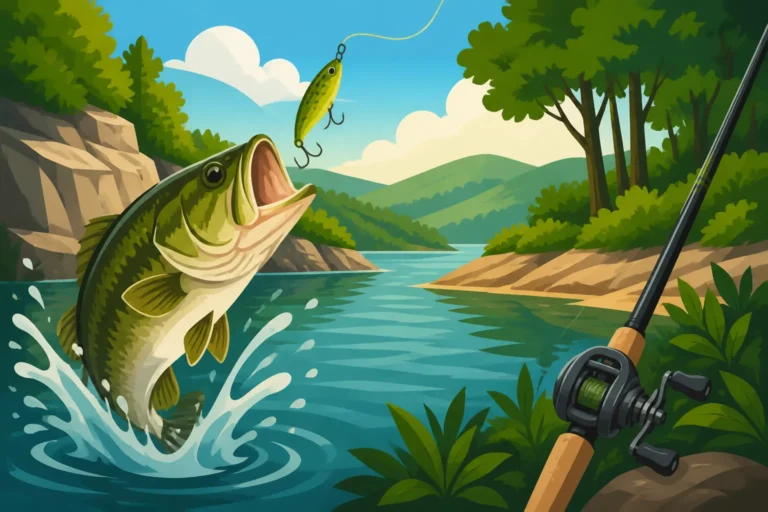
Green River Lake is a formidable bass fishery, home to healthy populations of largemouth, smallmouth, and spotted bass. Each species has its preferred habitat and tactics, offering diverse challenges for anglers.
Top Largemouth Bass Hotspots
Largemouth bass are the kings of cover, and Green River Lake's abundant standing timber, brush piles, and shallow coves provide ideal habitat. In the spring, focus your efforts on the backs of major creek arms like Brush Creek, Robinson Creek, Pitman Creek, and Bacon Creek. These areas warm up faster, drawing baitfish and hungry bass into the shallows. Look for flooded bushes, laydowns, and small pockets off the main channels. A square-bill crankbait or a Texas-rigged soft plastic worked through this cover can be deadly.
As the season progresses into summer, largemouth retreat to deeper structure. Target secondary points, humps, and channel swings, especially those with deep timber or rock piles. A Carolina rig, deep-diving crankbait, or a football jig can effectively probe these depths. Don't overlook the main lake points with access to deep water, particularly during early morning or late evening when bass might push bait to the surface. Flipping jigs or pitching creature baits into thick cover, even in deeper water, can also entice a strike from a big Green River bucketmouth. For a broader understanding of bass fishing in the state, consider reading our Largemouth Bass Fishing in Kentucky: The Complete Guide.
Finding Smallmouth and Spotted Bass
While largemouth prefer the greener, shallower parts of the lake, smallmouth and spotted bass typically gravitate towards rockier, deeper, and clearer water. Smallmouth bass, known for their powerful fights, can be found around the main lake points and steep bluff walls, especially in the lower end of the lake closer to the dam. Look for areas with chunk rock, gravel, and submerged ledges. A tube jig, drop-shot rig, or a shaky head worm are excellent choices for targeting these bronzebacks. They often suspend over deep water, so electronics are invaluable for locating them.
Spotted bass, often mistaken for smallmouth, are also abundant and share similar preferences for rocky habitat. They tend to be more spread out but can be found in many of the same areas as smallmouth, as well as on deep points and humps throughout the lake. Unlike smallmouth, spots are often more willing to chase faster-moving baits, so a small crankbait or a jigging spoon can be effective. They tend to school up, so once you find one, there are likely more. These aggressive biters provide consistent action, especially when other species are finicky.
Crappie and Catfish on Green River Lake: Consistent Action
Green River Lake isn't just a bass haven; it’s also renowned for its excellent crappie and catfish populations, offering different kinds of challenges and delicious rewards.
Crappie Fishing Tactics and Locations
Crappie fishing on Green River Lake is a fantastic experience, especially during the spring spawn and cooler fall months. The lake boasts both black and white crappie, with black crappie often dominating the catch. During the spring, from late March through April (depending on water temperature), crappie move into extremely shallow water, often less than 5 feet deep, to spawn. The key is to find standing timber and brush piles in the backs of creek arms. Brush Creek, Pitman Creek, and the smaller coves throughout the middle section of the lake are prime spawning grounds. Small jigs (1/32 to 1/16 oz) tipped with a minnow or a soft plastic body in chartreuse, white, or black-and-chartreuse are irresistible. You'll often be fishing right in the heart of heavy cover, so a long crappie pole is essential for reaching into the thick stuff. For specific rigging advice, check out our guide on How to Rig a Jig for Crappie Fishing.
As summer progresses, crappie move to deeper water, often suspending over the main river channel or congregating around deep timber and brush piles in 15-30 feet of water. This is when spider rigging (slow-trolling multiple poles with jigs or minnows at varying depths) becomes very effective. In the fall, crappie once again become aggressive, schooling up and feeding heavily before winter. They can often be found in deeper sections of the creek arms, still relating to timber but perhaps a bit more spread out.
Catfish Prowess in Green River's Depths
Green River Lake is an outstanding destination for catfish anglers, with strong populations of channel catfish, blue catfish, and flathead catfish. The lake's deep channels, rocky banks, and abundant submerged timber create perfect habitats for these bottom dwellers.
- Channel Catfish: These are the most common catfish caught and can be found almost anywhere in the lake. They thrive in both the main lake and creek arms. Focus on creek channels, points, and areas with current (if present). Popular baits include stink baits, chicken livers, cut bait, and even worms. Night fishing for channel cats can be particularly productive during the warmer months, as they move into shallower areas to feed.
- Blue Catfish: While not as prevalent as channel cats, Green River Lake has a growing population of trophy-sized blue catfish, especially in the deeper, lower end of the lake. Look for them in the main river channel, around deep holes, and on underwater humps. Cut bait (shad, herring, or skipjack if you can get it) is the go-to bait for blues. Heavy tackle is a must when targeting these big fighters.
- Flathead Catfish: These solitary predators prefer live bait and often hide in heavy cover like log jams, root wads, and deep timber. The upper reaches of the lake and the main river channel are good places to search for flatheads. Live sunfish or shad are prime baits, presented near structure. Night fishing is also prime time for flatheads. For more details on these whiskered giants, consult our Catfish Species in Kentucky: Channel, Blue, Flathead and White guide.
When fishing for catfish, whether from a boat or the bank, a sturdy rod, a robust reel, and strong line are essential. A simple Carolina rig or a slip-sinker rig with a heavy weight to keep your bait on the bottom are standard setups.
Panfish and Other Species: Family Fun and Diverse Catches
While bass, crappie, and catfish steal much of the spotlight, Green River Lake offers much more, especially if you're looking for consistent action or a diverse day on the water.
Bluegill and Shellcracker Havens
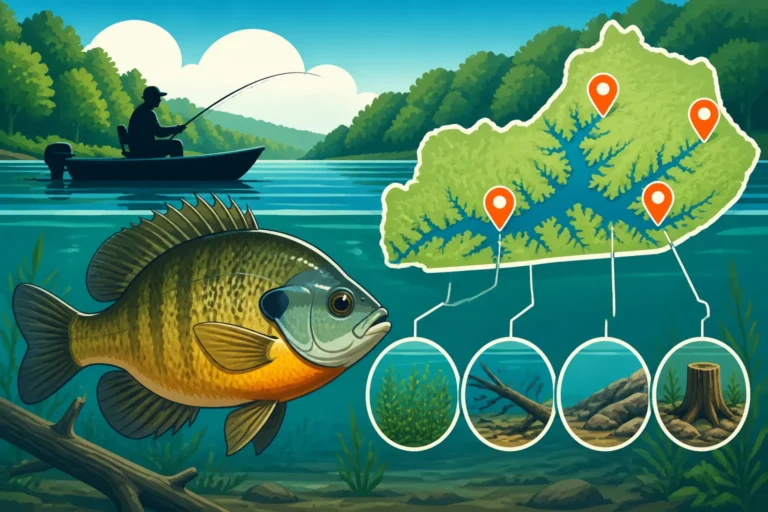
Green River Lake is an excellent destination for targeting panfish like bluegill (also known as bream) and redear sunfish (shellcrackers). These feisty fighters are perfect for introducing kids to fishing or for simply enjoying a relaxing day catching plenty of fish. You'll find them in abundance in shallow, protected coves, around docks, and along weed lines and submerged brush, particularly during the late spring and early summer when they move to beds for spawning.
- Bluegill: Look for bluegill in water from 2 to 10 feet deep, especially around any visible cover. Live crickets, red worms, or small pieces of nightcrawler fished under a bobber are incredibly effective. Tiny jigs or spinners also work wonders. The areas around Green River Lake State Park and many of the smaller coves off the main lake are prime bluegill territory.
- Redear Sunfish (Shellcrackers): These panfish get their nickname from their diet, which largely consists of snails and mussels. They tend to be a bit harder to find than bluegill but are often larger and put up a great fight. Target them in slightly deeper water than bluegill, often near submerged logs or gravel beds. Red worms or small pieces of crawfish fished on the bottom are their preferred meal.
Both bluegill and shellcrackers offer fantastic light-tackle action and are superb table fare, making them a popular choice for family outings.
Occasional Surprises: Sauger, Walleye, and Hybrids
While not as common as the mainstays, Green River Lake does offer the occasional surprise catch of other exciting game fish. These species often require a bit more specialized knowledge or luck but can make for a memorable day.
- Sauger and Walleye: These cool-water predators are present, though not in the same numbers as some other Kentucky lakes. Sauger are typically found in the deeper, cooler sections of the main river channel, especially downstream of the dam in the Green River tailwaters, or in the lake's deeper reaches. Walleye are less common but can be found relating to deep main lake points or humps. Vertical jigging with spoons or blade baits, or slow-trolling crankbaits, are effective methods.
- Hybrid Striped Bass: These hard-fighting fish, a cross between striped bass and white bass, are occasionally stocked or naturally migrate into the lake. They are known for schooling up and aggressively chasing baitfish, often creating exciting surface boils. Look for them in open water, especially around main lake points or humps, particularly during cooler months. Large swimbaits, spoons, or topwater lures can be effective when they are actively feeding. While Green River Lake isn't a primary hybrid fishery, it's always a possibility to hook into one of these powerful fish.
Essential Gear and Techniques for Green River Lake Success
Having the right gear and knowing how to use it effectively can dramatically increase your chances of success on Green River Lake. From basic tackle to understanding access points, preparedness is key.
Rods, Reels, and Line Choices
Your choice of rod, reel, and line should align with the species you're targeting and the techniques you plan to employ.
- For Bass: For largemouth bass, a medium-heavy action casting rod (6'6" to 7'6") paired with a baitcasting reel spooled with 15-20 lb fluorocarbon or 30-50 lb braided line is versatile for most techniques like pitching, flipping, and throwing jigs or heavier Texas rigs. For crankbaits and spinnerbaits, a medium action rod with 12-17 lb fluorocarbon or monofilament offers better casting distance and shock absorption. For smallmouth and spotted bass, a medium to medium-light action spinning rod (6'6" to 7') with a sensitive tip is perfect for drop-shotting, shaky heads, or throwing lighter baits. Pair it with a spinning reel spooled with 8-10 lb fluorocarbon or a braided main line with a fluorocarbon leader.
- For Crappie: A light to ultralight action spinning rod or a dedicated crappie pole (8-12 feet) is ideal. Match it with a small spinning reel spooled with 4-6 lb monofilament or braided line. The lighter line allows for better bait presentation and sensitivity when crappie are barely biting.
- For Catfish: For channel catfish, a medium-heavy action spinning or baitcasting rod (7-9 feet) with a sturdy reel spooled with 15-30 lb monofilament or braided line will handle most situations. For trophy blue or flathead catfish, step up to a heavy action rod and a robust baitcasting reel capable of holding 50-80 lb braided line or heavy monofilament. A good, strong hook is paramount for all catfishing.
Always check your knots, leaders, and line for any fraying, especially when fishing around Green River's abundant timber.
Boat vs. Bank Fishing: Access and Strategies
Green River Lake offers excellent opportunities for both boat and bank anglers, each with its own advantages.
- Boat Fishing: Accessing the vast expanse of Green River Lake is best done by boat, which allows you to reach remote coves, deep-water structure, and expansive timber fields. There are several public boat ramps scattered around the lake, making access convenient. Key ramps include:
- Green River Lake State Park Boat Ramp: Located within the state park, offering easy access to the main lake.
- Holmes Bend Boat Ramp: A popular ramp on the south side, providing access to excellent fishing areas.
- Pikes Ridge Boat Ramp: On the north side, opening up different creek arms.
- Emerald Isle Marina: Offers additional services and boat launches.
Having a good fish finder is incredibly beneficial for boat anglers, helping you locate schools of baitfish, submerged structure, and even individual fish holding tight to cover. You can find useful insights in our Best Boats for Kentucky Lake and Lake Barkley Fishing guide, which offers general advice applicable to most large Kentucky lakes. If you're new to the area or prefer to fish with local expertise, booking a guided trip through a service like FishingBooker can provide invaluable local knowledge and put you on the fish quickly.
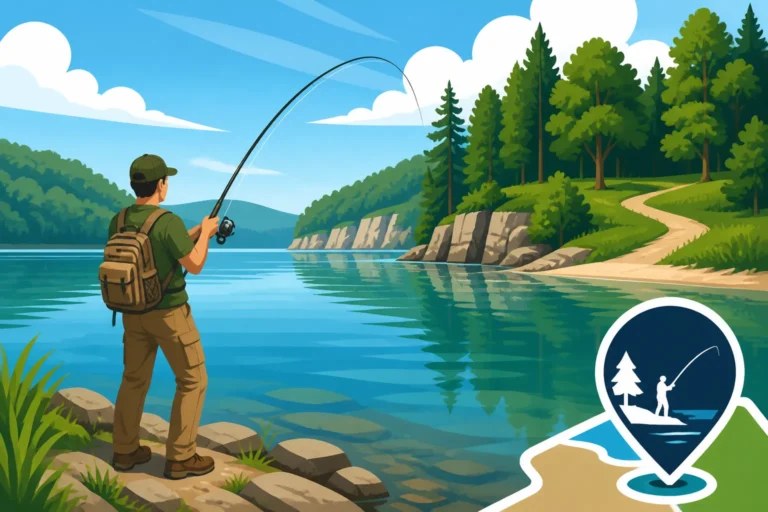
- Bank Fishing: For those without a boat, Green River Lake still offers plenty of action. The most accessible bank fishing is often found at Green River Lake State Park, which has dedicated fishing piers and ample shoreline access. The area around the dam can also provide good access, especially for targeting catfish or even sauger in the tailwaters. Look for public access points along roads that parallel the lake. These often lead to small pull-offs where you can find shoreline to cast from. When bank fishing, focus on areas with natural structure like fallen trees, rocky banks, or shallow points. Simple setups with worms, crickets, or small jigs can yield excellent results, especially for panfish and smaller bass. Our guide on Bank Fishing Techniques for Beginners offers great tips to get you started.
Table: Green River Lake Key Species, Seasons, and Spots
| Species | Prime Season | Best Lures/Bait | Key Areas |
|---|---|---|---|
| Largemouth Bass | Spring, Fall | Jigs, Crankbaits, Soft Plastics, Spinnerbaits | Brush Creek, Robinson Creek, Pitman Creek, Main Lake Points with timber |
| Smallmouth Bass | Spring, Fall | Drop-shot Rigs, Tube Jigs, Shaky Head Worms | Main Lake Points, Deep Bluffs, Rocky Areas near Dam |
| Spotted Bass | Year-Round | Small Crankbaits, Jigging Spoons, Soft Plastics | Deep Points, Humps, Rocky Areas, Channel Swings |
| Black Crappie | Spring, Fall | Small Jigs, Live Minnows | Standing Timber, Brush Piles in Creek Arms (Brush, Pitman) |
| Channel Catfish | Summer, Fall | Stink Bait, Chicken Livers, Cut Bait, Worms | Creek Channels, Points, Anywhere on Bottom (Night Fishing) |
| Blue Catfish | Summer, Fall | Cut Bait (Shad, Herring) | Main River Channel, Deep Holes (Lower Lake) |
| Flathead Catfish | Summer | Live Sunfish, Shad | Log Jams, Root Wads, Deep Timber (Upper Lake) |
| Bluegill | Late Spring, Summer | Crickets, Worms, Small Jigs | Shallow Coves, Docks, Weed Lines, Green River Lake State Park |
| Redear Sunfish | Late Spring, Summer | Red Worms, Small Pieces of Crawfish | Slightly Deeper Coves, Gravel Beds, Submerged Logs |
Navigating Regulations and Responsible Angling
Before you cast a single line into Green River Lake, it's crucial to understand the rules and regulations set forth by the Kentucky Department of Fish and Wildlife Resources (KDFWR). Adhering to these guidelines ensures a safe and sustainable fishery for everyone.
Understanding Kentucky's Fishing Rules
First and foremost, anyone 16 years of age or older needs a valid Kentucky fishing license to fish in public waters. You can easily purchase a license online, at most bait and tackle shops, or at county clerk offices. Our Kentucky Fishing License Guide offers a comprehensive look at how to secure yours.
Beyond the general license, it's vital to be aware of species-specific regulations. While Green River Lake generally follows statewide bag and size limits for bass, crappie, and catfish, it's always best practice to check the current KDFWR Fishing & Boating Guide for any lake-specific exceptions. For instance, sometimes certain lakes have slot limits for bass or different daily creel limits for crappie than the statewide standard. Knowing these limits, which are usually available through our Statewide Bag and Size Limits by Fish Species resource, prevents any issues with local game wardens. Penalties for fishing without a license or exceeding limits can be substantial, so it’s not something to take lightly.
Additionally, if you plan to keep any trout (though not a primary target in Green River Lake itself, you might fish nearby stocked streams or the tailwaters), you'll need a Kentucky Trout Permit in addition to your fishing license. Always keep your license, either a physical copy or a digital one on your phone, readily accessible while fishing.
Preserving Green River Lake's Fishery
As anglers, we all share a responsibility to protect and preserve the natural beauty and ecological health of Green River Lake. This goes beyond just following the rules; it's about practicing good stewardship.
- Catch and Release: While keeping some fish for a fresh meal is part of the joy, consider practicing catch and release, especially for larger breeding fish, to help sustain healthy populations. Learn proper handling techniques to minimize stress and injury to fish you plan to release.
- Respect Private Property: Green River Lake has a mix of public and private land along its shoreline. Always be mindful of property lines and avoid trespassing. If you're unsure, err on the side of caution.
- Leave No Trace: Pack out everything you pack in. Dispose of all trash, including fishing line, bait containers, and food wrappers, properly. Fishing line, in particular, can be incredibly harmful to wildlife.
- Boating Safety: If you're on the water in a boat, always prioritize safety. Ensure you have all required safety gear, including life jackets for all occupants, a fire extinguisher, and proper lighting. Be aware of other boaters, swimmers, and wildlife. Slow down in no-wake zones and areas with heavy traffic. And if you’re fishing from a kayak, remember to always wear your life jacket and consider reflective gear, especially at dawn or dusk.
By being responsible and respectful anglers, we can ensure that Green River Lake remains a fantastic fishing destination for generations to come.
Disclaimer
Please note that fishing conditions, regulations, and fish behavior can change. Always consult the latest Kentucky Department of Fish and Wildlife Resources (KDFWR) regulations before your trip. The information provided in this guide is for general informational purposes only and should not be considered legal advice. Stay safe and enjoy your time on the water!