Where to Find Bank Fishing Access on Small Kentucky Creeks
It’s a classic Kentucky dilemma, isn’t it? You’re longing for that quiet, serene fishing experience—just you, a rod, and a peaceful small creek winding through the landscape. But finding actual public bank access to these hidden gems can feel like trying to solve a riddle wrapped in an enigma. It's frustrating to drive past countless promising stretches of water, only to realize they're all surrounded by private property or dense, impenetrable woods. This guide is here to untangle that mystery, offering practical advice and strategies for uncovering those elusive bank fishing spots on Kentucky's smaller creeks, so you can finally cast your line in tranquility.
Understanding Public Versus Private Land Access
When you’re looking to fish Kentucky’s countless small creeks, the very first hurdle you'll encounter, and often the biggest one, is figuring out who owns the land bordering the water. Unlike major lakes or rivers where public access points are usually well-marked and established, small creeks often meander through a patchwork of private properties. It’s easy to assume that if you can see the water, you can fish it, but that's a common misconception that can lead to some uncomfortable situations, or even legal trouble.
The Importance of Knowing Land Ownership
Kentucky law states that the water itself might be public, but the land underneath and alongside it is very much private unless specifically designated otherwise. This means if you step foot on private land to reach a creek without permission, you're trespassing, plain and simple. Imagine you're out for a leisurely afternoon, you spot a perfect-looking riffle or a deep bend in a creek that just screams "fish," only to be confronted by a landowner who's less than thrilled to see you. It's an awkward encounter that none of us want, and it’s why understanding land ownership is paramount. Always remember the adage: "When in doubt, don't." If you can't definitively confirm public access, it's safer to assume it's private and seek an alternative.
Navigating these waters means being prepared. For instance, knowing the rules is part of being a responsible angler, and if you're ever checked by a game warden, they'll expect you to have your Kentucky Fishing License Guide in order, and knowledge of where you're legally permitted to be. The last thing you want is to be hit with a fine or worse for accidentally trespassing, especially when the goal is just to enjoy nature.
How Public Access Differs on Creeks Compared to Larger Waters
Think about it: when you head to a place like Kentucky Lake or Lake Cumberland, there are numerous state parks, boat ramps, and public access points clearly delineated. These larger bodies of water are major recreational hubs, and infrastructure is built to support public use. Small creeks, however, are a different beast. They often haven't been developed for widespread public access. Their charm often lies in their wild, untamed nature, which unfortunately also means less formal entry points.
You won't find large parking lots, paved trails, or even well-worn paths leading to many of these creek banks. Instead, public access might be limited to narrow road shoulders, bridge crossings, or small, undeveloped parcels of public land that aren't immediately obvious. This makes the hunt for bank fishing spots on smaller creeks more like a treasure hunt, requiring a bit more detective work and respect for boundaries. It also means you’re often walking through rougher terrain, so wearing sturdy boots and packing light are always good ideas.
Key Types of Public Access Points on Small Creeks
Now that we understand the lay of the land, let's dive into where you might actually find those public access points on Kentucky's smaller creeks. It’s rarely as simple as a sign saying "Public Fishing Here," so knowing what to look for is key.
Roadside and Bridge Crossings
One of the most common, yet often overlooked, forms of public access is right where roads intersect creeks. Every bridge that spans a creek has public right-of-way that extends for a certain distance on either side, often including the banks directly under and adjacent to the bridge.
- Under Bridges: The area directly under a bridge and for a short distance along the stream banks is typically public. This can be a goldmine for anglers, as bridge pilings and abutments often create eddies and deeper pockets where fish like to hide. The shade provided by the bridge can also be attractive to fish on sunny days. However, you'll want to assess the safety here. Steep, slippery banks, fast currents, and litter are all potential drawbacks. Always be mindful of traffic overhead and ensure you're not impeding anything.
- Road Shoulders and Right-of-Ways: Sometimes, a public road might run parallel to a creek for a stretch, offering a narrow strip of public right-of-way where you can pull off and access the water. This isn't always wide enough to be comfortable, and you'll need to be hyper-aware of passing vehicles. The key is to look for areas where the vegetation isn't too dense, and the bank isn't too steep. Parking legally and safely is crucial here. These spots often require a bit of bushwhacking, but can lead to some fantastic, undisturbed fishing. For those who enjoy the simplicity of it, these spots are perfect for honing your Bank Fishing Techniques for Beginners.
Public Parks and Greenways
Many towns and counties, even small ones, have local parks or greenways that run alongside creeks or small rivers. These are often developed with walking trails, picnic areas, and sometimes even designated fishing access.
- Local Parks: Check the websites of smaller towns and counties. Many have municipal parks that hug a creek. These parks often provide easy, well-maintained access, sometimes even with piers or cleared bank areas. While these spots might see more fishing pressure than truly remote locations, they're fantastic for a quick trip or for fishing with kids. They offer amenities like restrooms and playgrounds, making them ideal for a family outing. When you’re looking for a good spot to take the family, consider checking out the Best Fishing Spots for Beginners in Kentucky to ensure a positive experience.
- Greenways and Nature Trails: Increasingly, communities are developing greenway systems that follow natural corridors like creek banks. These multi-use trails often pass through areas where fishing is permitted. Always look for signage indicating fishing regulations or restrictions. These spots usually offer pleasant walks and a chance to explore different stretches of the creek, giving you more options to find where fish might be holding.
Wildlife Management Areas and State Lands
Kentucky boasts an impressive network of Wildlife Management Areas (WMAs) and other state-owned lands managed by the Kentucky Department of Fish and Wildlife Resources (KDFWR). These areas are managed for wildlife and public recreation, including hunting and fishing.
- Wildlife Management Areas (WMAs): WMAs are fantastic resources. Many of these areas contain significant stretches of creeks and rivers, and fishing access is explicitly permitted. You can find detailed maps of WMAs on the KDFWR website. These maps often show parking areas, trails, and water bodies. While some WMAs might have designated fishing lakes or ponds, many also encompass miles of natural creek systems. Access can still be rugged, requiring some hiking, but you'll have the peace of mind knowing you're on public land. A good example might be portions of the Yellowbank WMA or Kleber WMA, which have creeks running through them.
- State Forests and Natural Areas: Similar to WMAs, state forests and other state-managed natural areas can offer creek access. These areas are usually less developed than state parks but are open to the public for passive recreation. Again, checking official maps and websites for these specific locations is crucial.
| Type of Access | Typical Features | Pros | Cons |
|---|---|---|---|
| Roadside/Bridge | Pull-offs, under bridges, narrow right-of-ways | Easily identifiable, often less crowded than parks | Limited space, traffic noise/danger, steep banks, potential litter |
| Local Parks/Greenways | Paved trails, restrooms, picnic areas, cleared banks | Easy access, family-friendly, amenities | Higher fishing pressure, less "wild" feel |
| WMAs/State Lands | Undeveloped trails, natural banks, designated parking | Abundant, undisturbed water, legal peace of mind | Can require significant hiking, rugged terrain, limited amenities |
| Utility Easements | Cleared paths for power lines/pipelines | Can offer direct, unobstructed paths to water | Often overgrown, sometimes restricted, no amenities |
| Old Railroad Beds | Elevated, flat paths | Easy walking, often follow water for long distances | Can be privately owned, limited parking, sometimes very remote |
Less Obvious Public Access Points
Sometimes, you have to think a little outside the box to find those elusive spots.
- Utility Easements: Power lines, gas pipelines, or other utility corridors often cross creeks. These easements are typically cleared, providing a path to the water. While the utility company owns the easement, public access for recreational purposes is sometimes allowed, but it's always wise to confirm local rules. These spots can be rough, but they offer direct access.
- Old Railroad Beds: Abandoned railroad lines, especially those converted into rail-trails, often follow river and creek corridors. These can provide miles of flat, easy walking access to various points along a waterway. Always verify if the specific rail-trail allows fishing access and if the adjacent land is public.
Tools and Strategies for Discovering Hidden Creek Access
Finding these spots isn't always as simple as following a sign. It often requires a bit of detective work and leveraging modern tools alongside old-fashioned local knowledge.
Leveraging Online Mapping Resources
Your computer or smartphone can be your best friend in this quest. Online mapping tools have revolutionized how anglers find new spots.
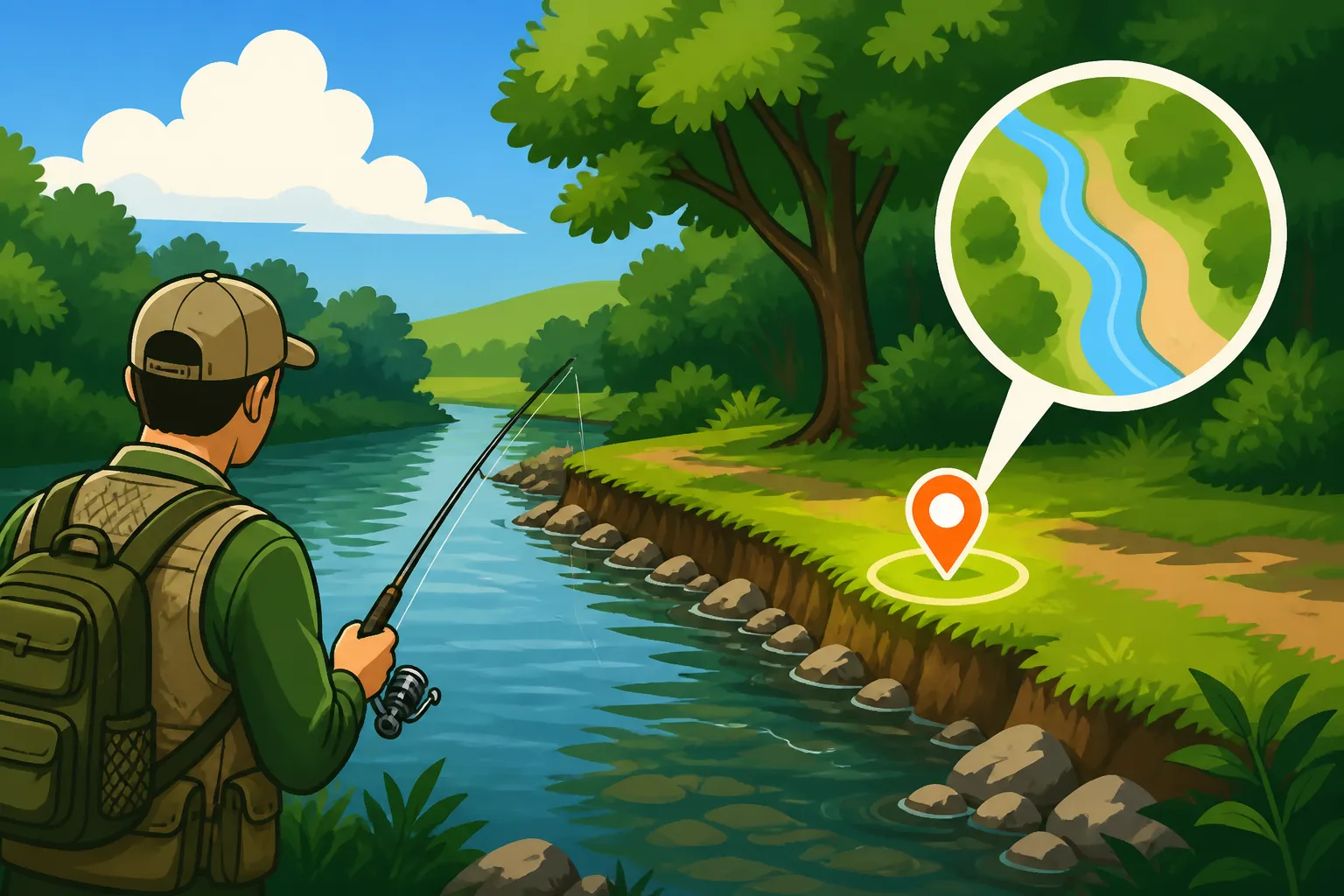
- Google Maps (Satellite View): This is your primary weapon. Start by zooming in on an area you're interested in, then switch to satellite view. Look for blue lines (creeks) that intersect roads. Trace the creek's path and look for any breaks in the tree cover along the banks, or anything that suggests a path or clearing. You can often spot public parks, bridge structures, and even informal pull-offs on dirt roads. Also, look for sections of the creek that appear to pass through open fields or areas without dense housing, which might indicate WMA land or other public property.
- KDFWR GIS Maps: The Kentucky Department of Fish and Wildlife Resources website is an invaluable resource. They often have interactive GIS (Geographic Information System) maps that clearly delineate public lands like WMAs, state parks, and even areas where stream access is promoted. These maps are designed for hunters and anglers and often include property boundaries, making it much easier to identify legal access points. Spend some time exploring these maps, as they might reveal public land you never knew existed along a particular creek.
- County Property Records (Online): Many county property assessor websites offer online tools to look up parcel ownership. While this can be time-consuming, if you're seriously considering a particular spot and can't determine ownership otherwise, this is a definitive way to find out if a specific stretch of bank is public or private. This might seem extreme, but for a truly dedicated angler, it's a solid strategy.
Talking to Locals and Bait Shops
Sometimes, the best information isn't found online, but through good old human interaction.
- Local Bait and Tackle Shops: These places are goldmines of local knowledge. The folks working there, and the regulars hanging out, usually know the creeks like the back of their hand. They can tell you about popular spots, hidden gems, and, crucially, where not to go due to private land issues. They often know about the local quirks and unwritten rules that don’t show up on any map. Be friendly, buy some bait or a new lure, and strike up a conversation. You might be surprised by the insights you gain. For instance, they might tell you about a particular creek where the Best Bait for Trout Fishing in Streams works wonders, and exactly which bridge to access it from.
- Community Forums and Social Media Groups: Online groups dedicated to Kentucky fishing can also be a great source of information. Post your query, but be respectful and understand that some anglers might be hesitant to share their most secret spots. You might not get exact coordinates, but you can gather general areas or types of access to investigate further.
- Park Rangers or KDFWR Biologists: If you're looking at a specific WMA or state park, a quick call to the park ranger's office or a KDFWR biologist can provide clear, official guidance on where you can and cannot fish from the bank. They are the ultimate authority on regulations and access within their jurisdiction.
Ground-Truthing and Scouting
No matter how good your map research, there's no substitute for seeing it with your own eyes.
- Pre-Trip Drives: Before you commit to a full fishing trip, do a scouting drive. Drive the roads that run near the creeks you're interested in. Look for pull-offs, trails, or any signs of previous angler activity. It's much easier to assess access and safety from your car than with a fishing rod in hand.
- Walking the Banks (Where Permitted): If you find what appears to be a public access point, walk a bit of the bank to see how far it goes. Sometimes, public access might be very limited to just a short stretch around a bridge, quickly giving way to private land. You need to know these boundaries. Remember, when exploring new waters, checking Kentucky Fishing Regulations Explained is crucial, as site-specific rules can vary wildly. And if all your efforts to find that perfect hidden creek spot are still falling short, don't forget that services like FishingBooker can help you connect with local fishing guides who already know all the best spots, sometimes even having private access agreements or boats to reach less accessible areas. It’s a great way to guarantee you get on the fish without the scouting hassle.
Essential Etiquette and Safety for Creek Bank Anglers
Once you've successfully located a promising public bank fishing spot on a small Kentucky creek, your adventure is just beginning. However, it's incredibly important to remember that these environments, and the access points to them, require a significant amount of respect and responsible behavior. Not only does this ensure your safety, but it also helps preserve these precious resources for everyone.
Practicing Leave No Trace Principles
This one cannot be stressed enough. Small creeks are often more delicate ecosystems, and informal access points can quickly become eyesores if not treated with care.
- Pack It In, Pack It Out: This is the golden rule. Whatever you bring with you – bait containers, empty drink bottles, snack wrappers, fishing line, old lures – must leave with you. Even biodegradable items should be packed out, as they still take time to decompose and can attract wildlife or simply look messy. Leaving trash behind not only pollutes the environment but also jeopardizes future access. Landowners and public land managers are far more likely to close off access if they constantly find litter.
- Stay on Existing Paths: When you find a small, informal trail leading to the water, stick to it. Bushwhacking new paths can lead to erosion, damage delicate plant life, and even disturb wildlife. These small creeks are often part of larger natural habitats, and minimizing your impact is key to preserving their health.
- Respect Vegetation: Don't break branches, clear brush unnecessarily, or otherwise damage streamside vegetation. These plants play a crucial role in preventing erosion, filtering water, and providing habitat for insects and small animals that are part of the fish's food chain.
- Proper Waste Disposal: This goes beyond just trash. If nature calls, ensure you are well away from the water and bury human waste properly. Use proper disposal methods for any fish entrails if you decide to clean your catch on site, or better yet, take them home for disposal.
Navigating Safety Hazards
Creek fishing, especially in less developed areas, comes with its own set of unique safety considerations.
- Slippery Banks and Uneven Terrain: Creek banks are notoriously slick. Wet clay, moss-covered rocks, and loose gravel are common hazards. Wear appropriate footwear with good grip, like wading boots or sturdy hiking shoes, and always watch your step. A small fall can lead to a sprained ankle or worse, especially if you're in a remote location.
- Water Conditions: Small creeks can rise rapidly after heavy rains, turning calm trickles into raging torrents. Always check local weather forecasts and recent rainfall before heading out. Fast currents can be dangerous, making wading precarious. Murky water also makes it harder to see hazards beneath the surface. Knowing How Rain Affects Fishing and What to Do About It can literally save your trip, or even your life.
- Wildlife Encounters: Kentucky is home to various wildlife, including venomous snakes like copperheads and timber rattlesnakes, especially in wooded creek bottoms. Be aware of your surroundings, wear long pants, and watch where you step and place your hands. If you see a snake, give it a wide berth. Other critters, from raccoons to deer, are generally harmless but can be startling if you're not expecting them.
- Solo Fishing Safety: If you're venturing out alone, always let someone know where you're going and when you expect to be back. Consider carrying a fully charged cell phone (though service can be spotty in remote areas), a basic first-aid kit, a whistle, and plenty of water.
- Checking for Posted Signs: Even if you believe you’re on public land, always keep an eye out for "No Trespassing" or "Private Property" signs. Boundaries can shift, and conditions can change. If you encounter such a sign, respect it immediately and find another spot. Ignoring these signs can lead to serious legal consequences, and no fish is worth getting into trouble over. Remember, What Happens If You Fish Without a License in Kentucky can involve significant penalties; imagine those compounded by trespassing charges.
Respecting Other Anglers and Property Owners
Courtesy goes a long way in ensuring continued access to these precious spots.
- Give Space: If another angler is already at a spot, especially on a small creek, give them plenty of room. Don't crowd them or cast over their line. There's usually enough water for everyone, and a polite "How's the fishing?" can often lead to friendly conversation.
- Keep Noise Down: Small creeks are places of peace and quiet. Keep voices low, and avoid loud music or disruptive activities that might disturb wildlife or other visitors.
- Be a Good Neighbor: If you're accessing a public creek spot near private homes, be extra mindful. Park courteously, don't block driveways or access roads, and keep noise to a minimum. A positive relationship with local residents can indirectly contribute to keeping these access points open.
- Consider Alternatives: If you simply cannot find public bank access on a small creek, or you find the terrain too challenging, remember that Kentucky offers a wealth of other fantastic fishing opportunities. Maybe exploring Best Shore Fishing Spots on Kentucky Lake or Lake Barkley's 1,000 Miles of Shoreline: Where to Find the Best Access could be a great alternative, offering easier and more defined public access. Sometimes, shifting your focus to a different type of fishing can still deliver that peaceful outdoor experience you're craving.
Finding and fishing small creeks in Kentucky from the bank can be an incredibly rewarding experience, offering solitude and a connection to nature that’s hard to beat. By doing your homework, using the right tools, and practicing responsible angling, you'll uncover those hidden spots and create lasting memories on the water.
Disclaimer
Please note that fishing regulations, property ownership, and access rules can change. Always consult the official Kentucky Department of Fish and Wildlife Resources (KDFWR) website or local authorities for the most up-to-date information before planning your trip. The information provided in this guide is for general informational purposes only and should not be considered legal advice regarding property access. Always respect private property and obtain permission before entering private land.