Bottom Fishing Techniques for Channel Catfish
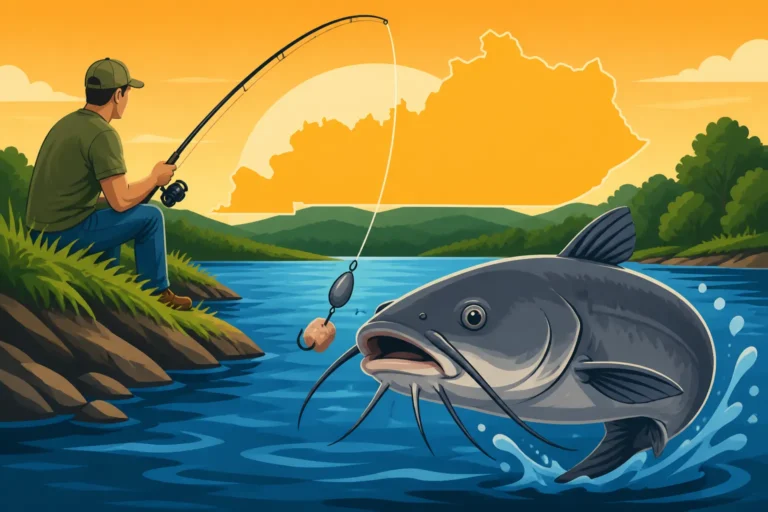
There’s nothing quite like the anticipation of a good catfish bite, but let's be honest, trying to connect with those whiskered giants when they're hugging the bottom can sometimes feel like you’re fishing in a black hole. You cast out, wait, and wait some more, only to reel in an empty hook, leaving you wondering if they're even down there! This guide is all about cutting through that frustration, diving deep into the most effective bottom fishing techniques for channel catfish in Kentucky, ensuring your next outing is packed with more bent rods and less head-scratching.
Understanding Channel Catfish Behavior for Bottom Fishing Success
Before we even talk about hooks and lines, it’s crucial to get inside the head of a channel catfish. These aren't just random dwellers of the deep; they have preferences, habits, and a certain rhythm to their lives that, once understood, can dramatically improve your bottom fishing game here in Kentucky.
Habitat Preferences and Feeding Patterns
Channel catfish, while adaptable, aren't just swimming aimlessly. They seek out specific environments that offer food, shelter, and comfort. Think about those hidden sanctuaries in Kentucky’s beautiful lakes and rivers. They love the deeper holes, especially those with some kind of current break, where food might naturally funnel in. Submerged structures like fallen trees, brush piles, old bridge pilings, and rocky ledges are absolute magnets for them. These spots offer cover from predators, a place to ambush prey, and a respite from strong currents.
Beyond just resting, these areas are prime feeding grounds. Channel catfish are opportunistic omnivores, meaning they'll eat just about anything they can get their mouths on, from small fish and crawfish to insects, worms, and even aquatic vegetation. They have an incredible sense of smell and taste, using those distinctive whiskers (barbels) to detect food particles in even the murkiest water. This sensory prowess is why stink baits and cut baits are so effective – they create an irresistible scent trail along the bottom. When you're bottom fishing, you're essentially placing a tempting treat right in their living room, hoping they pick up on that scent and follow it to your hook.
Seasonal Movements and Prime Times
Understanding the calendar and the clock is just as important as knowing their underwater address. Channel catfish movements in Kentucky are heavily influenced by water temperature and the changing seasons.
- Spring: As the water warms in early spring, channel catfish begin to shake off their winter sluggishness. They’ll start moving shallower, seeking out warmer water and actively feeding to prepare for the spawn. During this pre-spawn period, you'll often find them along flats adjacent to deeper channels, or moving into tributary creeks and shallower coves. They are very active and aggressive feeders then.
- Summer: This is prime time for many anglers, but it requires a bit of nuance for bottom fishing. During the scorching heat of midday summer, channel catfish will retreat to deeper, cooler waters – think main lake channels, deep bends in rivers, or under heavy cover. However, as evening approaches and into the night, they often move shallower to feed. Night fishing techniques for catfish can be incredibly productive during the warmer months, as they come out of their deep-water haunts to scour the shallows for an easy meal.
- Fall: As water temperatures begin to drop, channel catfish go on a feeding frenzy. They know winter is coming, and they need to pack on the pounds. You'll find them actively moving and feeding throughout the day, often along drop-offs, creek channels, and submerged humps as they transition between shallow feeding areas and deeper wintering grounds. This is a fantastic time for consistent bottom fishing action.
- Winter: While many anglers pack it in, dedicated catfish enthusiasts know that channel cats can still be caught in winter, though their metabolism slows considerably. They'll typically congregate in the deepest, slowest-moving sections of rivers and lakes, such as large holes or main lake basins. The bites will be much more subtle, requiring patience and sensitive gear.
As for the best time of day, generally, low-light periods are excellent. Dawn and dusk are always good bets, but during the summer, night fishing often produces the biggest hauls. On overcast or rainy days, they might feed more actively throughout the day. Paying attention to these natural rhythms will help you put your bait in the right place at the right time.
Essential Gear for Effective Channel Catfish Bottom Fishing
You wouldn't show up to a fancy dinner without the right attire, and you shouldn't show up to a serious bottom fishing trip without the right gear! Having the appropriate tackle isn’t just about making things easier; it’s about ensuring you can handle a hard-fighting catfish and detect those often-subtle bottom bites.
Rods, Reels, and Line Selection
For bottom fishing channel catfish in Kentucky, you're generally looking for a setup that offers both power and sensitivity.
- Rods: A medium-heavy to heavy action rod, typically 7 to 10 feet long, is your best friend. The extra length helps with casting heavier weights, managing longer leaders, and provides better leverage when fighting a strong fish or steering it away from snags. Look for rods with a good backbone but a relatively sensitive tip, which will help you detect those gentle taps and pulls that often signal a catfish bite. Ugly Stik rods are a popular choice among catfish anglers for their legendary durability and sensitivity.
- Reels: You'll want a sturdy reel with a smooth, reliable drag system. Baitcasting reels are very popular among serious catfish anglers for their power and precision, especially when casting heavier weights or using large baits. However, a good quality spinning reel in a 4000-6000 size range can also do the job, particularly for lighter setups or if you prefer ease of use. Ensure your reel can hold a good amount of line, as those big cats can make powerful runs. If you're looking for Best Reels for Catfish Fishing, you'll find plenty of options that cater to different budgets and preferences.
- Line: This is where you don't want to skimp. Monofilament line in the 15-30 lb test range is a classic choice. It offers good abrasion resistance, some stretch (which can be forgiving during a hard fight), and is relatively affordable. However, many experienced anglers are switching to braided line of similar test strengths. Braided line offers superior sensitivity (you feel every little bump!), incredible strength for its diameter, and virtually no stretch, which translates to powerful hook sets. The downside is it's less forgiving, more expensive, and can be harder to cut or tie. A good compromise is to use braided mainline with a fluorocarbon or monofilament leader for abrasion resistance and to make the line less visible.
Hooks, Sinkers, and Swivels
These small but mighty components are what connect you directly to the fish.
- Hooks: For channel catfish, the most ethical and often most effective choice is a circle hook. Sizes 1/0 to 5/0 are common, depending on your bait size and the typical size of fish you're targeting. Circle hooks are designed to hook the fish in the corner of its mouth, leading to fewer gut-hooked fish and healthier releases. With a circle hook, you don't "set" the hook; instead, you let the fish take the bait and then slowly tighten the line as it swims away. Treble hooks are also used, especially with certain prepared baits, but they do increase the risk of foul-hooking.
- Sinkers: You need weight to get your bait to the bottom and keep it there. The type and weight of your sinker depend heavily on the current and depth. Egg sinkers are popular for slip sinker rigs, allowing the line to run freely. Pyramid sinkers are great in current, as their shape helps them dig into the bottom. No-roll sinkers are ideal for still water or very light currents. You might need anywhere from 1 ounce in calm waters to 4 ounces or more in strong river currents, especially if you're fishing on the Ohio River.
- Swivels: Barrel swivels or snap swivels are crucial for preventing line twist, especially when using cut baits that might spin in the current. They also create a secure connection between your main line and leader, which is essential for most bottom rigs. A good quality swivel will ensure your line stays intact and your presentation remains natural.
Must-Have Accessories for the Catfish Angler
Beyond the basics, a few accessories can make your bottom fishing trip much more enjoyable and productive.
- Rod Holders: Whether you’re bank fishing or on a boat, a sturdy rod holder is indispensable. Catfish bites can range from subtle taps to aggressive rod-bending pulls that can snatch an unattended rod right into the water! There are various types available, from simple spike holders for the bank to sturdy boat-mounted versions you can easily find on Amazon.
- Landing Net: Don't underestimate the power of a large channel catfish, especially boat-side. A sturdy, wide-mouthed landing net with a rubberized mesh is critical. The rubberized mesh is gentler on the fish's slime coat and less likely to tangle hooks.
- Pliers/Hook Remover: Catfish have tough mouths and sharp fins. A good pair of long-nosed pliers or a dedicated hook remover will protect your hands and allow for quick, safe hook extraction.
- Headlamp: If you plan on doing any night fishing techniques for catfish, a reliable headlamp is a game-changer. It frees up your hands for baiting, re-tying, and landing fish.
- Cooler and Bait Bucket: A cooler for keeping your catch fresh (if you plan to keep them within the Kentucky Catfish Daily Limit and Trophy Fish Rule) and a separate insulated bait bucket with an aerator for live bait are non-negotiable. Fresh bait is potent bait!
- First-Aid Kit: Accidents happen. Always have a basic first-aid kit on hand, especially when dealing with hooks, knives, and sharp fish fins.
Having these accessories thoughtfully packed will make a big difference, allowing you to focus on the fishing rather than scrambling for missing items.
Mastering the Rigs: Bottom Fishing Setups for Channel Catfish
Now that you've got your gear sorted, let's talk about the various ways to rig your line to present your bait effectively on the bottom. Each rig has its strengths, making it suitable for different situations you might encounter in Kentucky waters.
The Classic Carolina Rig
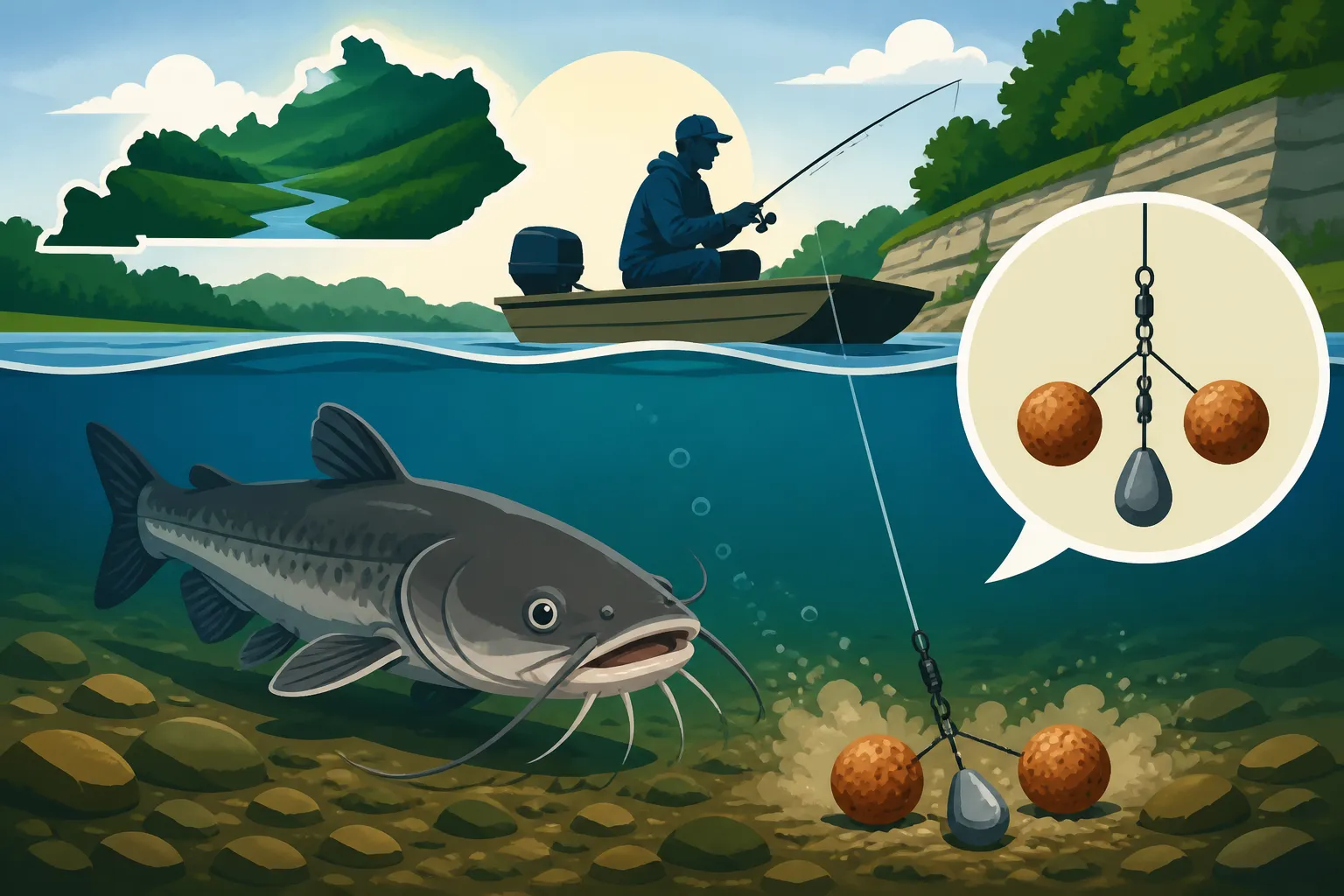
Ah, the Carolina Rig. It's a staple for many species, and channel catfish are no exception. This rig is particularly effective when you want your bait to sit on the bottom but still have some natural movement.
To set it up, you'll first slide your sinker onto your main line. An egg sinker works wonderfully here, allowing the line to pass through it freely. Next, slide a small bead onto your main line, right behind the sinker. The bead serves as a buffer, protecting your knot from the constant banging of the sinker. After the bead, tie on a sturdy barrel swivel. To the other end of the swivel, you'll attach your leader line. The leader can be anywhere from 12 inches to 3 feet long, depending on how much natural movement you want your bait to have. Finally, tie your hook to the end of your leader.
The beauty of the Carolina Rig is its simplicity and effectiveness. When a channel catfish picks up your bait, the main line can slide through the sinker, meaning the fish doesn't immediately feel the weight. This allows them to take the bait more confidently, leading to better hookups. It's an excellent choice for still water, areas with light current, or when you suspect fish are being particularly finicky and need a subtle presentation. It’s also surprisingly good at detecting those light bites, as the line sliding through the sinker will often give you a subtle twitch at the rod tip.
The Slip Sinker Rig (Fish Finder Rig)
Often considered the ultimate bottom fishing rig for catfish, the slip sinker rig, sometimes called a fish finder rig, shares similarities with the Carolina Rig but with a key difference: how the sinker is secured.
Here's how to tie it: You'll slide your sinker directly onto your main line, but unlike the Carolina Rig, there’s no bead immediately behind it. The sinker is free to slide up and down the main line. After the sinker, you'll tie your main line to one eye of a barrel swivel. To the other eye of the swivel, attach your leader (again, 12 inches to 3 feet is typical), and then your hook.
The primary advantage of the slip sinker rig is its ability to allow the fish to take the bait without feeling the resistance of the sinker. This is particularly crucial when fishing in heavy current, such as on the Ohio River, where you might need a substantial sinker to hold bottom. If the fish felt that heavy weight, they'd likely drop the bait. Instead, they can run with the bait for a few feet before encountering the resistance of the swivel, which then allows you to set the hook. This rig is fantastic for larger baits and for targeting bigger, more cautious channel catfish. It's a go-to for many anglers, especially when aiming for those trophy-sized catfish that Kentucky is known for.
The Santee Cooper Rig: A Hybrid Approach
For those times when your bait needs to be slightly elevated off the bottom, perhaps over mucky conditions or submerged grass, the Santee Cooper Rig comes to the rescue. It's a clever hybrid that combines elements of both the Carolina and slip sinker rigs but adds a buoyant twist.
You start just like a slip sinker rig: slide an egg sinker onto your main line. Then, tie your main line to a swivel. The innovation comes in the leader section. Instead of tying your hook directly to the leader, you’ll first slide a small, brightly colored float (a peg float or small cigar float works well) onto your leader. The float should be small enough not to offer too much resistance, but buoyant enough to lift your bait. Then, tie your hook to the end of the leader, with the float positioned anywhere from 3 to 12 inches above the hook.
This float causes your bait to hover just above the bottom, keeping it visible and clean from debris that might conceal it. This can be especially effective in murky water, where visibility is low, or over soft, silty bottoms where your bait might otherwise get buried. The Santee Cooper Rig gives your bait a more natural, suspended appearance, making it an irresistible target for cruising channel catfish. It's a less common rig, but one that can make a huge difference in specific conditions.
| Rig Type | Best Use Case | Pros | Cons |
|---|---|---|---|
| Carolina Rig | Still water, light current, subtle bites | Natural bait presentation, good bite detection | Bait can get buried in soft bottom |
| Slip Sinker Rig | Heavy current, larger baits, cautious fish | Fish don't feel weight, better hookups | Bait can still get buried |
| Santee Cooper Rig | Murky water, mucky bottom, over submerged cover | Lifts bait off bottom, improved visibility | More components, can snag more easily |
Baiting Up: Top Choices for Kentucky Channel Catfish
You can have the fanciest rod and the most perfectly tied rig, but if your bait isn't enticing, those channel cats aren't going to bite. Channel catfish are renowned for their varied diet, but some baits consistently outperform others, especially when bottom fishing in Kentucky.
Natural & Cut Baits
These are often the undisputed champions when it comes to attracting hungry channel catfish, appealing to their strong sense of smell and their natural predatory instincts.
- Shad: Gizzard shad and threadfin shad are like gold to catfish. If you can catch fresh shad, cut them into chunks or use whole smaller ones. The oil and blood they release create a powerful scent trail that catfish simply cannot resist. Many anglers on Kentucky Lake swear by fresh cut shad.
- Skipjack Herring: Found predominantly in the Ohio River, skipjack are another top-tier bait. Their oily flesh and robust scent make them incredibly effective. If you’re fishing for Kentucky Catfish Fishing: Ohio River and Kentucky Lake Guide, skipjack will often be mentioned as a premier choice.
- Bluegill/Sunfish: Small bluegill or other sunfish, either used whole (if legal for bait in your area, check regulations) or cut into chunks, are fantastic natural baits. Their natural scent and oily texture are very attractive.
- Nightcrawlers/Redworms: The classic worm is still a winner, especially after a good rain when the ground has washed fresh worms into the water. A ball of nightcrawlers on a hook can be irresistible. They're also an excellent choice for beginners and offer a lot of wiggling action.
- Chicken Livers: This is arguably the most famous catfish bait. The strong scent and soft, bloody texture are legendary. The downside is they are messy, prone to flying off the hook during a cast, and can attract smaller panfish. However, their effectiveness is undeniable. Threading them carefully onto a hook or using a bait holder hook can help them stay on.
Using fresh, natural bait is key. The fresher the bait, the stronger the scent, and the more likely it is to attract channel catfish from a distance.
Prepared & Stink Baits
Sometimes, convenience and concentrated scent are what you need, and that's where prepared baits shine. These are engineered to create a powerful olfactory signal that catfish can detect from far away.
- Commercial Stink Baits: Brands like Sonny's Super Sticky Bait, Ugly Stik Catfish Bait, and Danny King's Punch Bait are incredibly popular. These baits come in various consistencies, from thick pastes to dough balls, and are loaded with potent scents designed to mimic decaying organic matter that catfish naturally seek out.
- Punch Baits: These are usually thick, sticky concoctions that you apply to a specialized hook (often a treble hook with a spring or a small sponge) by "punching" the hook into the bait. The bait adheres to the hook, creating a compact, super-scented offering.
- Dip Baits: Similar to punch baits, dip baits are usually softer and are applied by dipping a small plastic worm, tube, or sponge onto the hook and into the bait. These baits are designed to slowly dissolve and release scent in the water, creating a continuous chum trail.
While often messy, prepared baits are incredibly effective, especially in murky water where visibility is low. They are generally easy to use and can be found readily at most tackle shops and on Amazon. If you're wondering about the Best Bait for Channel Catfish Fishing, these prepared options are always high on the list, especially for sheer convenience and consistent attraction.
Bait Presentation Tips
It's not just what you use, but how you use it. Proper bait presentation can make or break your bottom fishing success.
- Hooking Techniques: For cut bait, ensure your hook is exposed for a solid hook set. With circle hooks, thread the bait on so the hook point remains completely clear. For chicken livers, try threading them onto the shank of the hook or even using a small piece of nylon stocking to secure them. For worms, a worm blower can inflate them, making them float just off the bottom, increasing visibility.
- Keeping Bait Fresh: If you're using live bait or cut bait, keep it chilled and fresh. A dedicated cooler or insulated bait bucket is essential. Stale bait loses its potency quickly.
- Varying Bait Sizes: Don't be afraid to experiment with different sizes of bait. Sometimes a small chunk of shad is all it takes; other times, a larger piece will attract bigger fish.
- Scent Enhancement: For some natural baits, a little extra punch can help. Adding a small amount of commercially available fish attractant or even garlic juice can sometimes make the difference, especially in colder water.
Remember, channel catfish are primarily scent-driven feeders on the bottom. The more potent and appealing your bait’s aroma, the better your chances of a bite.
Strategic Spot Selection and Techniques
Knowing where to cast your line is just as critical as what's on it. Kentucky's diverse waterways offer countless opportunities for channel catfish, but certain locations and techniques will dramatically improve your odds.
Key Locations in Kentucky Waters
Kentucky boasts some truly fantastic catfish fisheries. Understanding the structure and characteristics of these bodies of water will help you pinpoint those honey holes.
- Rivers: The Ohio River is a legendary hotspot for all catfish species, including channel cats. Look for current breaks caused by wing dams, rock piles, bridge pilings, and the mouths of tributary creeks. Deep holes and ledges along the river channel are prime locations. The Green River, with its slower currents and abundant structure, also holds a healthy population of channel catfish. When fishing the Ohio River, target areas where there's a seam between fast and slow water; catfish will sit in the slower water, waiting for food to wash by. For Best Catfish Fishing Spots on the Ohio River in Kentucky, you’ll find that slack water and structure are repeatedly emphasized.
- Lakes: Kentucky's large reservoirs are also fantastic for channel catfish.
- Kentucky Lake and Lake Barkley: These interconnected lakes are renowned for their incredible fishing. Focus on the main lake channels, especially along old creek beds, submerged timber, and brush piles. Humps and points that drop off into deeper water are also excellent. Catfish often congregate in these areas during the day and move up onto shallower flats at night.
- Lake Cumberland: While famous for trout, Lake Cumberland also holds a good population of channel catfish. Look for them in the deeper arms and coves, especially around submerged trees and rock formations.
- Barren River Lake: This lake offers excellent channel catfish fishing, particularly in the river channels and areas with submerged timber.
- Other Lakes: Smaller lakes and even farm ponds across the state can hold surprisingly large channel catfish. Look for deeper sections, weed lines, and areas with fallen trees.
Regardless of the specific water body, remember that structure is key. Catfish use structure for cover, ambush points, and as resting areas. If you're fishing from a boat, a good fish finder and GPS unit can be invaluable for identifying these submerged features. For instance, on Kentucky Lake: The State's Top Bass Fishing Destination, many of the same structural elements that hold bass will also attract catfish.
Casting, Waiting, and Hook Setting
Catfishing, especially bottom fishing, often requires a healthy dose of patience, but there are techniques to maximize your chances.
- Casting Accuracy: Don't just cast blindly. If you've identified a specific piece of structure – a log pile, a ledge, a channel bend – try to cast your bait as close to it as possible without getting snagged. This puts your bait right in the strike zone.
- The Waiting Game: Once your bait is out, let it sit. Channel catfish aren't always aggressive biters, and they might take their time to locate your bait by scent. Having multiple rods out (within legal limits) increases your coverage and your chances. Place your rods in sturdy rod holders and keep a keen eye on the tips.
- Detecting Bites: Catfish bites can vary wildly. Sometimes it's a gentle tap-tap-tap, other times a slow, steady pull that bends your rod over significantly. In strong currents, it might just be a subtle twitch or slackening of your line. Pay close attention to any unnatural movement of your rod tip or line.
- Setting the Hook (or not): This is crucial, especially with circle hooks. With a circle hook, resist the urge to violently jerk the rod. Instead, when you feel a bite, slowly pick up the rod, reel down to remove slack, and then sweep the rod smoothly to the side. The hook is designed to turn and catch in the corner of the fish’s mouth as tension increases. For J-hooks or treble hooks, a firm, upward snap of the rod is usually needed to drive the point home. If you're new to this, practicing your hook set on a snag can give you a feel for it.
Adapting to Conditions
Fish aren't static; they respond to their environment. Being able to adapt your techniques to changing conditions is a hallmark of a successful angler.
- Water Temperature and Clarity: As discussed earlier, water temperature dictates seasonal movements. In colder water, bites will be more subtle, and fish might be less active. In warmer, murkier water, strong-scented baits become even more critical. After a heavy rain, runoff can bring in nutrients and cool surface temperatures, sometimes triggering a feeding spree, but it can also muddy the water, making scent crucial.
- Current Strength: This is especially important in rivers like the Ohio. If the current is strong, you'll need heavier sinkers to hold bottom. You might also shorten your leader to keep your bait closer to the weight, preventing it from washing too far downstream. Conversely, in still water, you can lighten your sinker and use a longer leader for a more natural presentation.
- Adjusting Bait and Rig: If you're not getting bites with one type of bait, switch it up. Try cut bait if stink bait isn't working, or vice versa. Experiment with different rig types if you suspect your bait isn't being presented optimally. If you notice your bait is getting picked clean by smaller fish, try a larger, tougher bait.
- Fishing After a Cold Front: Cold fronts can shut down fishing, making fish lethargic. When this happens, slow down your presentation, use smaller baits, and focus on deeper, more stable water. Patience becomes even more vital.
Bottom fishing for channel catfish in Kentucky is a rewarding pursuit that combines knowledge, patience, and the right techniques. By understanding their behavior, equipping yourself properly, mastering your rigs, and strategically selecting your spots, you'll be well on your way to consistent success. Whether you're chasing that next big catch or simply enjoying a relaxing day on the water, these techniques will put you in a prime position for some fantastic Kentucky catfishing action.
Disclaimer
Fishing regulations and licensing requirements can change, so it's always your responsibility to check the most current Kentucky Department of Fish and Wildlife Resources (KDFWR) guidelines before heading out. This information is for general guidance only and should not be considered legal advice. Stay safe and happy fishing!