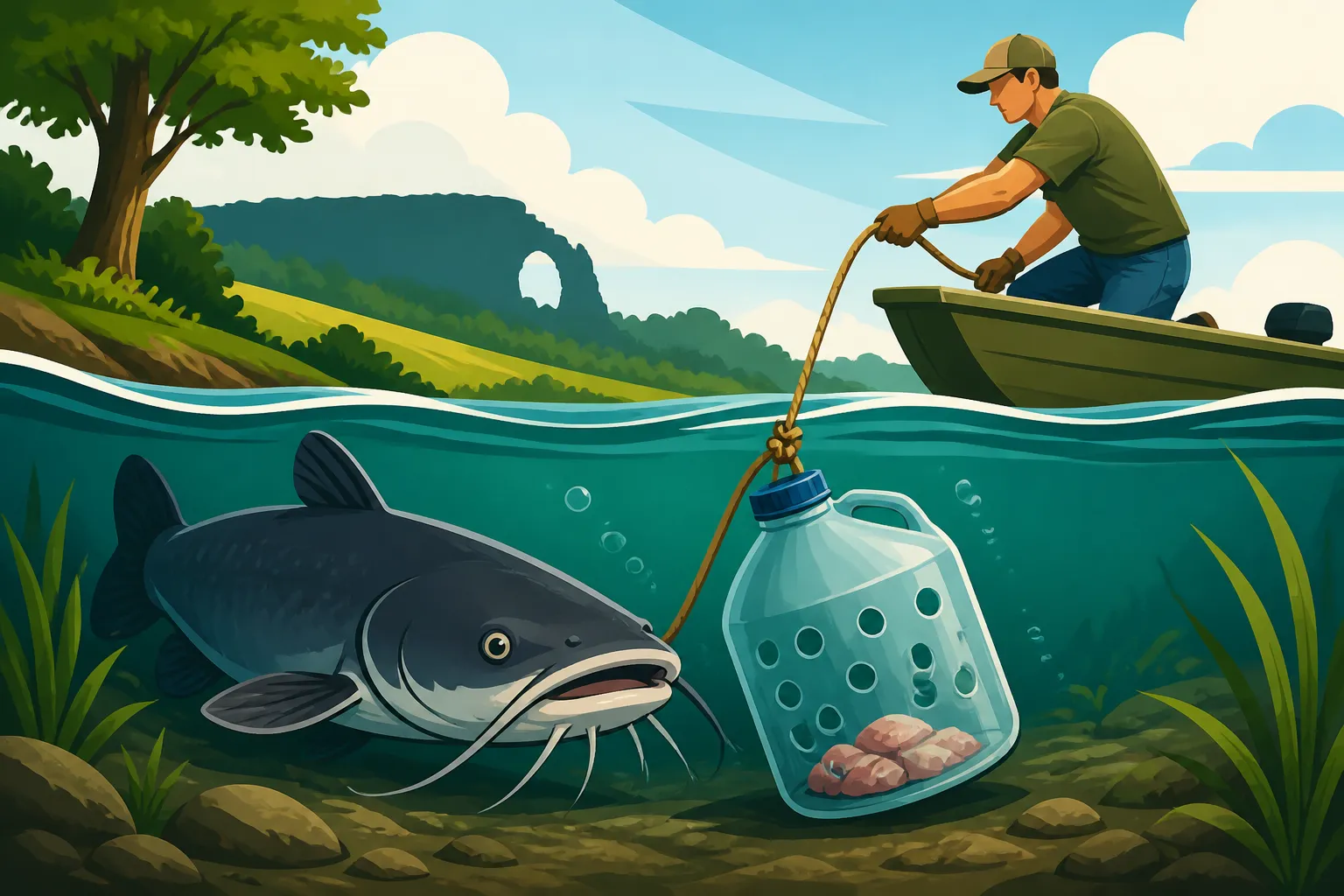
Jug Fishing for Catfish: A Beginner’s Guide
Anyone who's spent a long day on the water, rod in hand, waiting for that tell-tale tug knows how much effort and patience goes into traditional catfishing. Sometimes, you want a method that allows you to cover more water, set multiple lines, and honestly, kick back a little more while the fish come to you. That's where jug fishing for catfish comes in, offering an exciting, hands-off approach that's incredibly effective, especially in Kentucky's abundant waters. This guide will walk you through everything you need to know to get started with this unique and rewarding fishing technique.
What Exactly is Jug Fishing? Understanding the Basics
Jug fishing, at its heart, is a passive fishing method where baited hooks are suspended from free-floating devices, or "jugs," that drift with the current or wind. It's a fantastic way to target catfish, which are opportunistic feeders and often patrol vast areas of water looking for a meal. For many Kentucky anglers, it's not just a fishing technique; it's a cherished tradition, particularly during the warmer months when catfish are most active.
The Concept of Passive Fishing for Catfish
Imagine setting out several baited lines and letting the water do the work for you. That's the core idea behind jug fishing. Instead of constantly casting and retrieving, or watching a bobber, you're allowing your baits to travel naturally through the water column, often presenting them to fish that might never encounter a stationary bank-set line or a constantly moving lure. It's incredibly efficient because you can deploy many lines simultaneously across a broader area, increasing your chances of a bite. This method is particularly effective for species like channel catfish, blue catfish, and even flathead catfish, which are known to roam large sections of rivers and lakes.
This isn't to say it's entirely hands-off. There's still skill involved in choosing the right locations, baits, and understanding how currents and wind affect your jugs. But once they're deployed, your main job shifts to monitoring and retrieving. It's a method that works wonders on big reservoirs and mighty rivers like the Ohio, where covering a lot of ground is key to finding those big cats. You'll quickly learn to spot the tell-tale sign of a jug dancing across the water, indicating a fish has taken the bait and the fight is on!
Why Jug Fishing is So Popular in Kentucky
Kentucky's landscape, crisscrossed with large rivers and massive reservoirs, is practically tailor-made for jug fishing. We're talking about expansive bodies of water like Kentucky Lake, Lake Barkley, and the Ohio River – places where catfish thrive and have plenty of room to roam. The sheer size of these waterways often makes traditional methods less efficient for covering prime catfish territory. Jug fishing solves this by allowing anglers to spread out their efforts, effectively scouting for active fish without being tied to one spot.
Beyond efficiency, there's a certain thrill to jug fishing. It’s less about the immediate fight of a rod and reel and more about the anticipation and the hunt. You're constantly scanning the horizon, looking for that one jug that's suddenly moving with purpose, often a clear sign that a substantial catfish has found your offering. This method allows for a more relaxed social outing too, as you can chat with friends or family while keeping an eye on your spread of jugs. For many, it's a communal experience, passing down techniques through generations, and enjoying the serene beauty of a Kentucky sunset while waiting for the next big bite. It's a method that perfectly complements the rich angling tradition found throughout the Bluegrass State.
Kentucky Regulations and What You Need to Know
Before you even think about putting a jug in the water, it's absolutely crucial to understand Kentucky's fishing regulations. Trust me, the last thing you want is a run-in with a game warden because you overlooked a simple rule. Jug fishing, like trotlining or limb lining, falls under specific "commercial gear" or "set line" regulations, even for recreational anglers. These rules are in place to ensure fair chase, prevent overfishing, and maintain safety on our shared waters. It’s a good idea to always consult the current Kentucky Fishing Regulations Explained guide or the Kentucky Department of Fish and Wildlife Resources (KDFWR) website for the most up-to-date information, as regulations can change.
Legalities and License Requirements for Jug Fishing
This is where many beginners can get tripped up. While standard hook-and-line fishing requires a basic Kentucky fishing license, jug fishing often has additional requirements. As a recreational angler, you'll definitely need a valid statewide fishing license. If you're looking for information on how to get yours, check out our guide on the Kentucky Fishing License Guide. Beyond that, for jugging, you'll need to pay close attention to any specific permits or stamps required for using set lines. For instance, sometimes a "Commercial Gear License" or a specific "Set Line Tag" might be necessary, even if you're not selling your catch. Always double-check with the KDFWR.
It's not just about what you need to buy; it's also about understanding who can use this method. There are usually age restrictions, and sometimes, specific rules apply to non-residents. Don't assume your friend's Tennessee fishing license works here; Kentucky has its own set of rules, and interstate reciprocity generally doesn't extend to set lines in the same way it might for border water rod-and-reel fishing. Remember, ignorance of the law is no excuse, and getting caught fishing without a license or the proper permits for your gear can lead to fines and even confiscation of your equipment.
Number of Jugs and Identification Rules
Kentucky takes identification seriously, and for good reason. Imagine a lake full of unmarked jugs, drifting freely, becoming hazards to navigation or just abandoned gear. That's why every single jug you deploy must be clearly marked. Usually, this means affixing a tag or label that displays your name and address, or your KDFWR license number. This helps enforcement officers identify who the gear belongs to and ensures accountability.
As for the number of jugs, there's a strict limit. You can't just throw out a hundred jugs and call it a day. Typically, recreational anglers are limited to a specific number of jugs, often around 50, but this can vary by water body and by regulation year. Each jug can only have a certain number of hooks attached – usually one or two. Make sure you know these exact numbers for the body of water you intend to fish. Exceeding the hook limit or the number of jugs is a quick way to earn a citation. These rules are in place to manage the fishing pressure and ensure the resource remains healthy for everyone. Always keep your eye on the prize, but make sure it’s a legal prize!
Specific Waterbody Restrictions
Here’s another critical point: not all waters are created equal when it comes to jug fishing. While many of Kentucky's larger reservoirs and rivers permit jugging, there are often specific restrictions or outright prohibitions on certain lakes, rivers, or sections of waterways. For example, some state park lakes or smaller impoundments might ban jug fishing entirely to prevent conflicts with other recreational users like swimmers or kayakers, or to manage smaller fish populations differently.
It's also common for certain areas to have different regulations regarding what kind of bait you can use or even specific times of day or year when jugging is allowed. For instance, the mainstem Ohio River might have different rules than a smaller tributary or a secluded cove on Lake Cumberland. Before you head out, do your homework and check the KDFWR website's "Kentucky Fishing Regulations Explained" section, or even call their local office. Don't rely on word-of-mouth from a buddy, because rules can change. Knowing these site-specific regulations ensures you're not breaking any laws and that your day on the water is both productive and compliant.
Gathering Your Gear: Essential Jug Fishing Equipment
Now for the fun part: getting your gear together! While jug fishing might seem simple – just a jug and a hook – having the right setup makes all the difference. You'll want durable, reliable equipment that can withstand powerful catfish and the elements. And good news, many of these essentials are easily found, including on platforms like Amazon.
Building or Buying Your Jugs
The "jug" part of jug fishing is literally any buoyant object that can float and suspend your line. Traditionally, folks used empty plastic milk jugs, soda bottles, or bleach containers. These are cheap, readily available, and effective. The key is to make sure they're clean, sealed tightly (you don't want them filling with water and sinking), and highly visible. Bright colors like orange, yellow, or even reflective tape can make them easier to spot, especially at dawn, dusk, or when scanning a large area.
However, if you're looking for something more robust and reusable, you can also buy purpose-built fishing jugs. These often come in durable foam or heavy-duty plastic, sometimes with integrated line wraps or weighted keels for better stability in choppy water. Many anglers swear by pool noodles cut into segments or sections of PVC pipe capped at both ends. The beauty of jug fishing is its versatility – you can go as DIY or as high-tech as you like. Just remember the identification rules; whether it's a reused milk jug or a fancy foam jug, your name and address or KDFWR number must be clearly marked on each one.
The Right Line, Hooks, and Weights
This is where your connection to the fish truly lies, so don't skimp on quality.
- Line: You need strong, abrasion-resistant line. Monofilament fishing line in the 30 to 80-pound test range is common. For really big blue or flathead catfish, some anglers go even heavier. The length of your line should be adaptable to the depth you're fishing. Typically, you'll want enough line to reach the bottom plus some extra, but you might also suspend baits in the middle of the water column. You can find excellent bulk spools of strong fishing line on Amazon, which can save you money if you're making many jugs.
- Hooks: Catfish have tough mouths and are strong fighters, so sturdy, sharp hooks are essential. Circle hooks are a fantastic choice for jug fishing because they are designed to hook the fish in the corner of the mouth, leading to fewer gut-hooked fish and easier release if you're not keeping them. Sizes typically range from 5/0 to 10/0, depending on the size of the catfish you're targeting and the bait you're using.
- Weights: You'll need weights to get your bait down to the desired depth. Bank sinkers or pyramid sinkers are popular because they help hold the bait in place against currents. The amount of weight depends on the current and how quickly you want your bait to sink. Some anglers use a simple slip sinker above a swivel, with a leader down to the hook, allowing the fish to take the bait without immediately feeling the full weight of the jug.
Consider also a sturdy leader material, especially if you're targeting flatheads, which often hang out near abrasive cover. A 50-80 pound fluorocarbon or heavy monofilament leader can provide an extra layer of protection against break-offs.
Best Baits for Kentucky Catfish on Jugs
Choosing the right bait is paramount to success in jug fishing. Catfish are primarily scavengers with an incredible sense of smell, so pungent baits often work wonders. However, different species and different seasons call for different approaches.
Here’s a quick rundown of top choices for Kentucky catfish:
| Bait Type | Target Species | Pros | Cons | Where to Buy |
|---|---|---|---|---|
| Cut Bait | Blue, Channel, Flathead Catfish | Extremely effective, strong scent, durable on hook. | Can be messy, requires fresh fish. | Local bait shops, or catch your own shad/carp |
| Live Bait | Flathead, Blue Catfish | Irresistible to flatheads, mimics natural prey. | Requires live bait well, more expensive, can be harder to keep alive. | Local bait shops, seining |
| Chicken Livers | Channel Catfish | Very strong scent, easily accessible, cheap. | Can be very soft and fall off the hook easily, messy. | Grocery stores |
| Stink Baits | Channel Catfish | Designed specifically for catfish, long-lasting scent. | Can be very messy, less effective for larger blue/flathead. | Local bait shops, Amazon (e.g., Catfish Charlie) |
| Shrimp | Channel, Smaller Blue Catfish | Readily available, decent scent, easy to hook. | Not as durable as cut bait, can be picked at by smaller fish. | Grocery stores |
| Hot Dogs | Channel Catfish (beginner) | Cheap, easy to use, decent for kids or smaller cats. | Low scent profile, less effective for larger, more discerning catfish. | Grocery stores |
For blue and channel catfish, cut bait like shad, skipjack herring, or even small pieces of carp are incredibly effective. The oil and blood trail attract them from a distance. If you're targeting trophy blue catfish, bigger pieces of fresh cut bait are the way to go. You can find great information on Best Bait for Blue Catfish Fishing if you're serious about landing a monster.
Flathead catfish are unique; they primarily prefer live bait. A live bluegill, sunfish, or even a small carp hooked through the back or lips is often irresistible to a hungry flathead. Just make sure your live bait is legal to use and of an appropriate size for the flathead you're after.
Chicken livers are a classic for channel catfish due to their strong scent, but they can be soft and difficult to keep on the hook. "Stink baits" and dough baits (often found in tubs at bait shops or on Amazon) are also popular for channel cats, but usually not as effective for the larger blue and flathead species. No matter your choice, ensure your bait is fresh and has a good scent trail!
Setting Up Your Jugs for Success: Step-by-Step Guide
Once you've got your gear, it's time to put it all together and get those jugs in the water. This isn't just about tossing them out; a methodical approach will significantly increase your success rate and make retrieval much easier.
Preparing Your Bait and Rigging Your Lines
Before you even leave the dock, you should have your lines rigged and ready to go. The last thing you want is to be fumbling with hooks and bait on a rocking boat in the middle of a lake.
- Cut Your Lines: Decide on your maximum depth for the area you'll be fishing and cut your lines to length. Remember, it's always better to have a bit too much line than not enough. A good rule of thumb is to have enough line to reach the deepest part of the area you’re targeting, with an extra 5-10 feet for adjustments.
- Attach Weights: Secure your weight to the end of your main line. For a simple bottom-fishing setup, a heavy bank sinker or pyramid sinker works well. If you want a more advanced rig, you can use a slip sinker above a swivel, then a leader, and finally your hook. This allows the fish to take the bait without feeling the weight immediately.
- Attach Hooks: This is crucial. Use strong knots that won't slip under pressure. A Palomar knot or an improved clinch knot are excellent choices for connecting hooks. If you're using circle hooks (highly recommended!), make sure they're facing the right direction on the line to ensure proper hook sets. You can often attach a sturdy swivel between your main line and a short leader (12-24 inches) to help prevent line twist.
- Baiting Up: Don't be shy with the bait. Ensure your cut bait is fresh and juicy, allowing blood and oils to seep into the water. For live bait, hook it securely but in a way that allows it to swim naturally. For chicken livers or stink baits, make sure they’re firmly attached to the hook, perhaps even using a small piece of nylon mesh or thread to secure them if they are particularly soft.
- Secure to Jugs: Finally, attach your rigged line to the jug itself. Many jugs have a cleat or a line wrap built in. If not, simply tie it securely. You'll want to be able to adjust the depth of your bait easily by wrapping or unwrapping line around the jug. Don't forget to mark each jug with your required identification information!
Deploying Jugs Effectively
Where and how you deploy your jugs can make or break your trip. You can't just randomly throw them out and expect results.
- Current and Wind: Pay close attention to the current and wind direction. You want your jugs to drift through productive areas, not just get blown into a shallow bank or a snag-filled cove. Often, you'll want to set them upstream or upwind of where you expect the fish to be, letting them drift through. On the Ohio River, understanding the current is paramount.
- Depth: Catfish, especially in larger lakes, can be found at various depths. On hot summer days, they might be deeper, seeking cooler, oxygenated water. In spring or fall, they might be shallower. Experiment with different depths. You might set some jugs to fish near the bottom, some suspended in the middle of the water column, and some just a few feet below the surface.
- Structure and Cover: Catfish love structure. Look for submerged creek channels, ledges, humps, old river beds, standing timber, rock piles, or even artificial habitat. These are prime feeding grounds. On a large lake like Kentucky Lake, identifying these underwater features with a good fish finder or knowing the topographical maps is a huge advantage. Deploying your jugs so they drift over or alongside these areas is key.
- Spread: Don't put all your jugs in one tight cluster. Spread them out to cover a wider area, but not so far that you can't easily keep an eye on them. If you notice one jug getting a lot of action, you might consider concentrating more jugs in that productive zone.
When deploying, gently lower the baited line into the water first, then toss the jug. This prevents tangles and ensures your bait settles properly. Remember to keep a mental note (or even a GPS waypoint) of where you started deploying, especially if you're covering a large area.
Monitoring and Retrieving Your Catches
Once your jugs are deployed, the waiting game begins. But it's not truly waiting; it's active monitoring.
- Keep Watch: Your eyes should be constantly scanning the water. A jug that's suddenly moving erratically, dipping, or going under the surface is a clear sign you've got a fish on. This is where bright, easily visible jugs pay off. Binoculars can be a huge asset on large lakes.
- Approach Carefully: When you spot a jug with a fish, approach it slowly and quietly with your boat. You don't want to spook the fish (or others nearby) or tangle your other lines.
- The Fight: Once you grab the jug, the fight is on! Large catfish can pull surprisingly hard, especially with the buoyancy of the jug. Pull the line in hand-over-hand, being careful not to let the fish surge and cut your hands on the line. Gloves can be a good idea. For bigger fish, a large net or a gaff is essential to safely bring them into the boat. Always have these ready.
- Unhooking and Releasing/Keeping: Once the fish is in the boat, unhook it carefully. Circle hooks usually make this process much easier. Decide whether you're keeping the fish or releasing it. Remember to abide by the Kentucky Catfish Daily Limit and Trophy Fish Rule for your specific species and waterway. If releasing, do so quickly and gently. If keeping, place it in a livewell or cooler with ice to ensure the meat stays fresh.
- Re-bait and Re-deploy: After each catch, re-bait your hook and redeploy the jug, ideally back into the same productive drift path.
Maximizing Your Catches: Tips and Tricks for Kentucky Waters
Jug fishing can be incredibly productive, but a few seasoned tricks can turn a good day into a fantastic one. It's about understanding catfish behavior and adapting your strategy to Kentucky's diverse waters.
Best Times and Locations for Jug Fishing
Like all fishing, timing and location are everything. Catfish are generally most active during certain periods.
- Time of Day: Catfish are often nocturnal or crepuscular, meaning they feed heavily from late afternoon through the night, and into the early morning hours. Setting your jugs out in the evening and checking them periodically through the night or at first light can be incredibly productive, especially for larger fish. During daylight hours, look for them in deeper, shadier areas or near cover.
- Time of Year: The warmer months are prime time for catfish in Kentucky. As water temperatures rise in late spring and summer, catfish become much more active. The pre-spawn and spawn periods (late spring/early summer) are often exceptional, as fish are aggressively feeding. Even into late fall, as water temps begin to drop, you can still find good numbers, though they might be in deeper holes.
- Best Locations:
- Rivers: On the Ohio River, target deep channels, the outside bends of river sections, below dams, and any areas with significant current breaks or submerged structure. The confluence of tributaries is also a hotspot, as these areas concentrate baitfish and nutrients. Many anglers find great success on the Best Catfish Fishing Spots on Kentucky's Ohio River.
- Lakes/Reservoirs: On large reservoirs like Kentucky Lake or Lake Barkley, focus on old river channels that wind through the lake bed, especially where they intersect with submerged humps, points, or standing timber. Large flats adjacent to deep water can also be productive. Look for areas where wind and current might concentrate baitfish. Our guide to Best Catfish Holes on Kentucky Lake offers specific insights.
- Creek Mouths and Inflows: After a rain, fresh water flowing into a lake or river can attract baitfish, which in turn attracts catfish. These can be fantastic areas to set jugs.
Species-Specific Strategies: Channel, Blue, Flathead
While jug fishing works for all three major catfish species in Kentucky, understanding their individual preferences can help you dial in your approach.
- Channel Catfish: These are often the most abundant and aggressive, found in a wide variety of habitats from rivers to smaller lakes and ponds. They'll readily take stinky baits, chicken livers, shrimp, and cut bait. They often cruise shallower flats and creek channels. You can use smaller jugs and lighter tackle for them. They respond well to potent scent trails, so "stink bait" or heavily oiled cut bait can be a real magnet.
- Blue Catfish: The giants of Kentucky waters, blue catfish prefer large rivers and big lake main channels. They are primarily piscivorous (fish-eaters), so fresh cut bait (shad, herring, carp) is usually the best choice. For big blues, use larger jugs, heavier line (60-80 lb test or more), and bigger hooks (8/0-10/0). Target deep holes, current breaks, and the main river channel. Remember, the Kentucky Catfish Limit: 15 Fish, Only 1 Over 25 Inches rule is particularly important for these giants!
- Flathead Catfish: These ambush predators have a strong preference for live bait. A lively bluegill, sunfish, or even a small carp is often irresistible. Flatheads love to hide in heavy cover like log jams, submerged trees, and rock piles, waiting to ambush prey. Set your jugs near these areas, allowing your live bait to swim enticingly nearby. You'll need sturdy jugs, heavy line, and large, strong hooks for these powerful fish. They don't typically respond to stink baits.
Safety and Ethical Considerations
Jug fishing is a blast, but it comes with responsibilities.
- Visibility: Always use highly visible jugs, especially if fishing at night or in busy areas. Reflective tape can be a lifesaaver.
- Navigation Hazards: Be mindful of other boaters, kayakers, and swimmers. Avoid setting jugs in narrow channels or high-traffic areas where they could become a hazard.
- Check Frequently: Don't set your jugs and leave them for days. This is unethical and illegal in most places. Check your jugs frequently, ideally every few hours or at least twice a day, to minimize stress on hooked fish and retrieve your gear.
- Clean Up: Never leave jugs or discarded line in the water. Lost gear becomes marine debris and can continue to "ghost fish," harming wildlife. Retrieve all your jugs, even if they didn't catch anything.
- Respect Limits: Always adhere to bag limits and size restrictions. The Statewide Bag and Size Limits by Fish Species vary, so know them for the specific fish you're targeting. These rules are in place to ensure sustainable fishing for everyone.
Troubleshooting Common Jug Fishing Challenges
Even with the best preparation, jug fishing can throw you some curveballs. Understanding how to handle these common challenges will make your experience much smoother and more enjoyable.
Dealing with Snags and Lost Jugs
This is probably the most frustrating part of jug fishing, especially when you're fishing in prime catfish habitat loaded with submerged timber and rocks.
- Prevention is Key: The best way to deal with snags is to avoid them in the first place. Study your maps and fish finder readings carefully. Try to set your jugs to drift alongside known snags rather than directly over them. If you're targeting flatheads in heavy cover, accept that some snags are inevitable, but try to use rigs that are less prone to snagging, like a slip sinker that can slide up the line if the weight gets caught.
- Retrieval Tools: Keep a long pole with a hook or grapple on your boat. This can be invaluable for reaching jugs that have drifted into shallow brush or become lightly snagged. A sturdy boat hook is a must.
- Heavy-Duty Line: Using stronger line (e.g., 60-80 lb test) for your main jug line can often allow you to pull a snagged line free without breaking it, saving your jug and rig.
- GPS Tracking: If you have a fish finder with GPS, mark the location of your jugs as you deploy them, especially if you're spreading them widely or fishing at night. This can be a lifesaver if a jug drifts out of sight or if you need to come back later to retrieve them. Many anglers swear by the utility of modern GPS-enabled units to prevent lost gear.
- Strategic Deployment: If fishing a river, deploy your jugs on the upstream side of a bend or obstruction, so they drift past the snag zone, rather than getting caught in it. If they drift into a snag, they might be easier to pull free from the side they're approaching, rather than directly against the current.
Weather and Water Condition Impacts
Catfish behavior, and thus your jug fishing success, is heavily influenced by environmental factors.
- Rain: Light rain can sometimes improve fishing, as it washes food into the water and can stimulate feeding. Heavy rains, however, can cause rapid rises in water levels, strong currents, and muddy water, which might scatter fish or make them harder to locate. In muddy water, strong-smelling baits become even more crucial.
- Temperature: Catfish are warm-water species, so they're generally most active in water temperatures between 70-85°F. In very hot summer conditions, they might seek deeper, cooler water. In colder months (late fall/winter), they'll become less active and move to deep wintering holes, making jug fishing less effective (though not impossible if you can find those deep concentrations).
- Barometric Pressure: A stable or slowly falling barometric pressure often indicates good fishing conditions. A rapidly falling pressure (before a storm) can trigger a bite, but a rapidly rising pressure (after a storm) can shut it down.
- Wind: While a light breeze can help drift your jugs, strong winds can make jug fishing a nightmare. They can push your jugs too quickly, tangle lines, make it hard to spot bites, and create dangerous boating conditions. Always check the weather forecast before heading out. If high winds are predicted, it might be best to opt for a different fishing method or reschedule.
- Current: On rivers, current is king. Too much current can make your baits wash out too quickly or make it difficult for fish to hold. Too little current, and your jugs might not drift effectively. Look for "sweet spots" where there's just enough current to move your jugs slowly over productive areas.
Avoiding Undesirable Catches
While your primary target is catfish, you might occasionally hook other species that you don't intend to keep or that are protected.
- Non-Target Species: You might catch turtles, gar, carp, or even some game fish like bass or crappie. If you catch something you don't want, handle it gently and release it quickly. This is where those circle hooks come in handy, as they reduce the chance of deep hooking, making release easier.
- Illegal Catches: Always be aware of the size and creel limits for catfish in Kentucky. If you catch a fish that is undersized or oversized (if a slot limit is in place), it must be released. It's also important to know your Kentucky Fishing Regulations Explained regarding specific species. For instance, sometimes paddlefish can be accidentally snagged; these often have very specific regulations about retention and snagging methods.
- Proper Gear: Using the appropriate hook size for your target catfish species can help reduce accidental catches of smaller, non-target fish. If you're constantly hooking tiny fish, your hook might be too small, or your bait might not be selective enough for the larger cats you're after.
- Bait Selection: As mentioned, flatheads prefer live bait. Using cut bait reduces the chance of hooking a flathead if you're not targeting them. Conversely, using live bait will reduce the number of channel cats you might catch if you're solely focused on flatheads. Tailor your bait to your desired catch.
Jug fishing is a rewarding adventure that connects you to a unique part of Kentucky's angling heritage. With the right preparation, knowledge of regulations, and a few smart techniques, you’ll be well on your way to hauling in some impressive catfish.
Disclaimer
Please note: Fishing regulations, license requirements, and safety guidelines can change. Always consult the official Kentucky Department of Fish and Wildlife Resources (KDFWR) website or current printed regulations guide before engaging in any fishing activity. This article is for informational purposes only and should not be considered legal advice.