How to Jig for Sauger in Deep Water
There's nothing quite like the thrill of a sauger bite, but when those fish head for the deep, they can feel like ghosts on the sonar. It’s a common frustration for even seasoned anglers to struggle with jigging successfully in deeper water, feeling disconnected from their lure and missing those subtle takes. This comprehensive guide is here to equip you with the knowledge, gear, and techniques to confidently target and catch sauger when they're hunkered down in the depths of Kentucky’s stunning waterways.
Understanding Sauger Behavior in Deep Water
To consistently catch sauger, especially in deep water, you first have to think like a sauger. These fish aren't just swimming around aimlessly; they're relating to specific conditions, structures, and food sources that dictate their movements and where they choose to hold. Knowing these patterns is your first step to success.
Seasonal Movements and Depth Preferences
Sauger are cold-water predators, which means their depth preferences shift throughout the year, but they generally favor cooler, deeper water compared to many other game fish. In the dead of winter, you'll often find them congregated in the deepest holes and channels of lakes like Lake Barkley, sometimes 30 to 50 feet down, seeking stable temperatures. As early spring approaches and water temperatures begin to rise, they'll make a migration shallower to spawn, but once that's done, many will retreat back to the security of deeper main lake points, ledges, and river channels, particularly during the heat of summer.
During the summer months, sauger often position themselves along the thermocline if one is present, or just above it, finding that sweet spot where oxygen levels are good and cooler water prevails. They might push up to shallower depths during low-light conditions to feed, but their core holding areas will usually be deep. By fall, as water temperatures drop again, they become incredibly active in deeper waters, feeding aggressively to build up reserves for winter, making it a prime time for deep-water jigging. Understanding these broad seasonal movements is key to knowing where to even begin your search.
Structure and Cover Magnets
Sauger are absolute structure hounds in deep water. They love to orient themselves to features that offer ambush points, current breaks, and proximity to baitfish. On big reservoirs like Lake Barkley, this often means focusing on the main lake channel ledges, submerged humps, deep creek channel swings, and the mouths of tributaries where cooler, oxygenated water might enter. You'll find them hugging the bottom along these contours, often just on the edge where the depth changes abruptly.
In river systems, especially on the Ohio River, sauger will concentrate in deep scour holes below dams, in large eddies, and along deep river bends where the current carves out significant depth. Bridge pilings and other man-made structures that extend into deep water can also be magnets, offering current breaks and vertical cover. The key is to find that deep-water structure that provides both shelter from strong currents and an easy feeding lane for passing baitfish. They aren't usually in the dead middle of a flat, open bottom; they want something to relate to.
Forage and Feeding Habits
What sauger eat directly influences where and how you should present your jig. In deep water, their diet primarily consists of baitfish like shad, alewives, and various minnow species. These forage fish will often school up in deep, open water or hug tight to structures, which in turn draws the sauger. Pay close attention to your fish finder for signs of baitfish schools; where there's bait, there are usually predators.
Sauger are ambush predators, often holding tight to the bottom or structure, waiting for an unsuspecting meal to swim by. This means your jig presentation needs to mimic a wounded or vulnerable baitfish. They're not typically going to chase a fast-moving lure over long distances in deep water. Instead, a slow, methodical presentation that keeps the lure in their strike zone for as long as possible is usually most effective. Their feeding window can sometimes be short, so precise placement and a realistic retrieve are paramount.
Essential Gear for Deep Water Sauger Jigging
Tackling deep-water sauger requires a specialized approach, and having the right tools for the job can make all the difference. You need gear that allows you to feel those subtle bites, maintain control of your lure, and effectively battle these feisty fish from the depths.
Rods, Reels, and Line Selection
For deep-water jigging, sensitivity is king. I typically recommend a medium-light to medium-heavy power spinning rod, anywhere from 6'6" to 7'6" in length, with a fast or extra-fast action tip. That fast tip is crucial for detecting the lightest tap or the slightest change in pressure, which often signals a sauger bite in deep water. A good quality graphite rod will transmit vibrations much better than fiberglass. For reels, a size 2000 or 2500 spinning reel is generally perfect, offering a smooth drag and good line capacity without being overly bulky. You can find some excellent options for these setups on Amazon that provide great performance without breaking the bank.
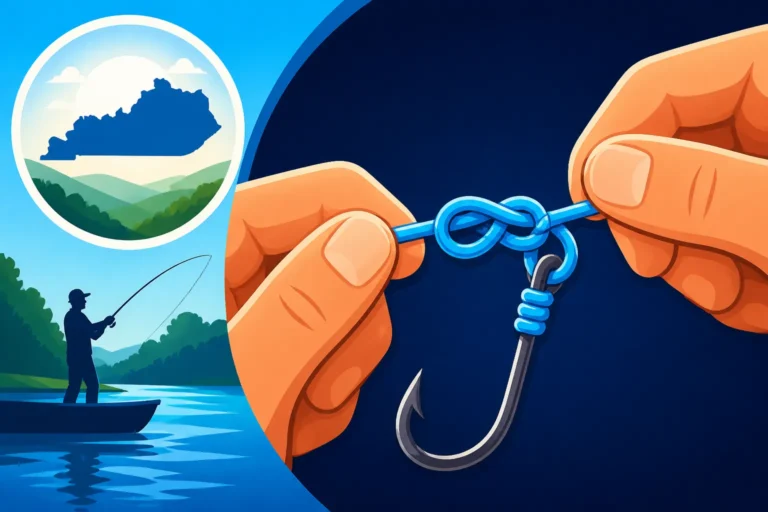
When it comes to line, a braided main line is almost a necessity for deep-water jigging. Braid has virtually no stretch, which significantly enhances sensitivity and helps with solid hooksets from afar. I usually spool up with 10-15 lb test braid, choosing a high-visibility color like yellow or green so I can easily see my line movement, which can sometimes be the only indication of a bite. To the end of the braid, tie a 6-10 lb fluorocarbon leader, typically 3-6 feet long. Fluorocarbon is nearly invisible in water and has excellent abrasion resistance against rocks and mussels, plus a bit of stretch that can be forgiving on sudden head shakes. Make sure your knots between the braid and fluoro are strong, like an FG knot or an Albright knot.
Jigs and Lure Types
The jig itself is the heart of deep-water sauger fishing. Your jig head weight needs to be carefully chosen based on depth, current, and wind conditions. In deeper sections of Lake Cumberland, or the strong currents below the dams on the Ohio River, you might need anywhere from 1/2 ounce up to a full ounce or more to maintain bottom contact. Lighter jigs, say 1/4 to 3/8 ounce, are better for slower currents or slightly shallower deep zones, but always err on the side of using enough weight to confidently feel the bottom.
As for the jig bodies, soft plastic grubs with curly tails, paddle tails, or small minnow profiles are incredibly effective. Popular colors include chartreuse, white, natural shad, and darker patterns like black or purple in stained water. Sometimes, jigs with a touch of glow can be deadly in extremely deep or dark water conditions. Hair jigs, especially marabou jigs, also have their place, offering a subtle, pulsing action that sauger find irresistible. When purchasing, look for quality soft plastics that hold up well to repeated strikes. Many anglers swear by brands like Keitech or Zoom, and these are readily available on Amazon.
Electronics: The Deep Water Advantage
If you're serious about deep-water sauger fishing, a quality fish finder is non-negotiable. It's not just a nice-to-have; it’s your eyes below the surface. Modern fish finders with 2D sonar, Down Imaging, and Side Imaging are invaluable for locating the subtle contours, baitfish schools, and even individual sauger lurking on deep structure. Think of them as your secret weapon for finding fish in Kentucky's sprawling waters.
Start by using your sonar to identify promising structures like ledges, humps, or deep channel bends. Look for baitfish suspended near these structures or tight to the bottom. Once you've found bait, zoom in on the bottom readings to look for "arches" or distinct marks that indicate game fish. Sauger often hug the bottom so tightly they might appear as flattened arches or simply a "blip" on the screen. Adjust your sensitivity to pick up these subtle returns. When you find what looks like a good concentration of fish or bait, you can then deploy your jig directly into their strike zone, dramatically increasing your chances of a bite. Without good electronics, you're essentially fishing blind in the vastness of deep water. For more on this, check out our guide on Fish Finders and Electronics for Kentucky Lake Fishing.
Mastering Deep Water Jigging Techniques
Having the right gear is only half the battle. Knowing how to effectively present your jig in deep water to entice a bite is where true skill comes into play. It requires precision, patience, and a keen sense of what your lure is doing far below the surface.
Vertical Jigging: The Core Technique
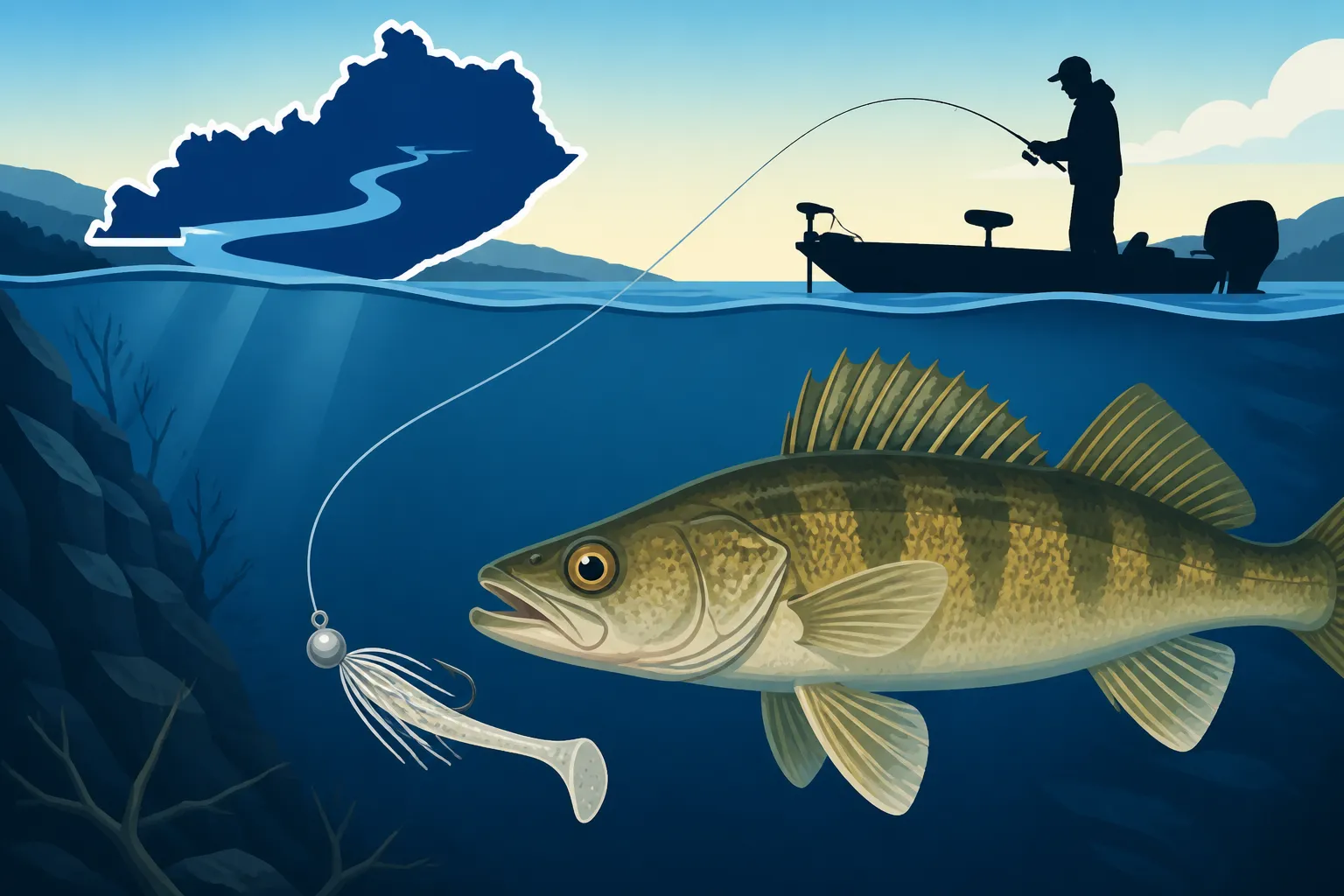
Vertical jigging is the quintessential method for deep-water sauger. The goal is to keep your jig as directly below your boat as possible, allowing for maximum control and sensitivity. Once you've positioned your boat over a promising deep-water structure, drop your jig straight down until it hits the bottom. This is where good boat control, often with a spot-lock trolling motor, becomes crucial to counteract wind and current.
Once on the bottom, reel up a half-turn or just enough to get the jig off the very bottom – maybe 6-12 inches. Then, begin a subtle lift-and-drop motion, often just a few inches, allowing the jig to fall back naturally. The key is to keep the line taut enough to feel the jig hit the bottom again, or to detect any change in weight as a sauger inhales it. Many bites happen on the fall, so pay close attention as your jig descends. This isn't aggressive, high-action jigging; it's a slow, deliberate dance designed to mimic a struggling baitfish. Experiment with the height and speed of your lifts; some days a 6-inch twitch works best, other days a foot-long sweep.
Drifting and Dragging Jigs
While vertical jigging is powerful, sometimes sauger are spread out over a wider deep-water area, or the current is too strong for precise boat positioning. This is where drifting or dragging jigs comes in handy. If you're on a river like the Ohio River or a large lake with a decent current, you can use the flow to your advantage. Let out enough line so your jig is contacting the bottom as your boat drifts with the current.
You can enhance this technique with a drift sock to slow your boat's progress, or by using your trolling motor to control your speed and direction over specific contours. The idea is to keep the jig bouncing or "walking" along the bottom. You’re not aggressively jigging up and down as much as you are letting the current or your drift impart a subtle action. Hold your rod at about a 10 o'clock position, feeling for that tell-tale tap or sponginess as the jig moves. This technique allows you to cover more deep water efficiently, often revealing schools of sauger that might be scattered.
Reading the Bite and Hookset
This is perhaps the most challenging, yet rewarding, aspect of deep-water sauger jigging. Sauger bites in deep water are often incredibly subtle. Forget those bone-jarring strikes you might get from a largemouth bass in shallow water. A sauger bite might feel like a slight "tick," a sudden increase in weight, or simply a feeling of "mushiness" on the line that wasn't there a second ago. Sometimes, your line might just go slack when it should be taut, indicating a fish picked up your jig as it fell.
Because the bites are so subtle and you're fishing with a lot of line out, a swift, powerful hookset is critical. When you feel anything out of the ordinary, even if you're not 100% sure it's a fish, set the hook! It's better to set on a snag than to miss a trophy sauger. Reel down quickly to take up any slack, then snap your rod tip upward with authority. The non-stretch braided line will help transmit that power directly to the hook, ensuring a solid penetration. Once hooked, keep steady pressure on the fish; sauger have soft mouths, so a heavy-handed retrieve can tear the hook out. For more details on catching sauger in colder conditions, check out our guide on How to Fish for Sauger in Cold Water.
Strategic Deep Water Locations in Kentucky
Kentucky is blessed with incredible waterways, and many of them hold fantastic populations of sauger, particularly in their deeper sections. Knowing where to focus your efforts within these vast bodies of water can save you a lot of time and frustration.
Major Lake Systems
When we talk about deep-water sauger in Kentucky, Lake Barkley immediately comes to mind. This sprawling reservoir, especially the lower end closer to the dam, offers extensive deep river channels, submerged timber, and sharp ledges that sauger love to inhabit. The tailwaters below the Barkley Dam are also legendary for sauger, drawing fish from miles around, especially in colder months. Here, the current is often strong, so you'll need heavier jigs, but the concentrations of fish can be incredible. A good resource for exploring these areas is our Lake Barkley Fishing Guide for Kentucky Anglers.
Lake Cumberland, while renowned for trout and smallmouth, also holds sauger in its deeper sections, particularly along the old river channel. Herrington Lake, with its deep, clear waters, also has populations of sauger that will relate to its profound depths and steep drop-offs. The key in these lakes is to use your electronics to meticulously search the main lake channels and any prominent deep-water features.
Riverine Deep Runs and Holes
The Ohio River is arguably Kentucky's premier sauger fishery, especially for those who enjoy chasing them in flowing water. The deep runs, scour holes, and eddy lines below the many locks and dams along the river (like Markland Dam, McAlpine Dam near Louisville, and Smithland Dam further west) are absolutely prime sauger territory. These spots offer consistent current, oxygen, and concentrated baitfish, making them irresistible to sauger.
When fishing the Ohio River, focus your efforts on the seams between slack water and strong current, or the deepest parts of the channel where the river bends. Sauger will often be found just out of the strongest current, conserving energy while waiting for food to drift by. Jigging vertically or using a controlled drift with heavier jigs is crucial here. The river offers different challenges than lakes, but the rewards can be substantial. For broader insights into river fishing, consider our Ohio River Catfish Fishing: Ohio River and Kentucky Lake Guide.
Identifying Productive Depth Ranges
Sauger aren't always at the absolute deepest point. Their preferred depth range can vary by season, time of day, and even water clarity. In winter, they'll often be in the deepest, most stable water available. As spring approaches and during the spawn, they might push up to 15-25 feet. During summer, they could be anywhere from 20 to 40+ feet, often relating to the thermocline. In fall, they might again move a bit shallower in the deep zones, say 15-35 feet, as they chase bait.
It’s always a good idea to start your deep-water search by covering a range of depths, perhaps starting shallower on a deep ledge and working your way down. If you're marking fish at 30 feet, that’s your starting point. If you're not finding them, adjust deeper or shallower in 5-10 foot increments. Pay attention to what your fish finder tells you about where the baitfish are holding, as sauger will rarely be far from their food source.
Seasonal Considerations for Deep Water Sauger
While deep-water jigging is a year-round technique for sauger, the nuances of their behavior and the most productive depths and presentations can change significantly with the seasons. Adapting your approach to these seasonal shifts is key to consistent success.
Winter and Early Spring
Winter is prime time for deep-water sauger. As water temperatures plummet, sauger often congregate in large schools in the deepest parts of lakes and rivers. They seek out stable, slightly warmer water in main river channels, deep holes, and below dams. During these months, the bite can be slow and subtle, requiring a very patient, methodical vertical jigging approach. Your jig should be barely moving, often just ticking the bottom or rising a few inches. Heavier jigs are often necessary to maintain contact in the cold, dense water and any current.
Early spring sees sauger making their spawning run. While they might push into slightly shallower, still deep, areas for this, many will remain accessible via deep-water jigging before and after the spawn. The post-spawn period can be a fantastic time, as hungry sauger retreat to deep-water feeding grounds. Water temperatures in Kentucky will typically trigger these shifts, so always pay attention to current conditions. For general seasonal advice, our guide on Kentucky Fishing Seasons: What to Catch Each Month offers great insights.
Late Spring and Summer Transitions
As late spring turns into summer, sauger will typically settle into their deep-water patterns. They'll often be found along the edges of the main lake or river channels, especially where there are steep drops, humps, or submerged timber. If a thermocline develops, sauger will frequently position themselves just above it, finding the optimal balance of temperature and oxygen.
During the summer heat, their activity can be more concentrated during low-light hours or on overcast days. A slightly faster jigging presentation might be tolerated if they are actively chasing bait, but usually, a slow, controlled retrieve still prevails. Pay close attention to current, as it can often determine where sauger position themselves on deep structures even in warmer water. Finding schools of shad on your electronics is critical during these months, as sauger will be nearby.
Fall Feeding Frenzy
Fall is another outstanding season for deep-water sauger. As water temperatures cool down, sauger become incredibly active and aggressive, feeding heavily in preparation for winter. They will often school up in large numbers along deep ledges, channel swings, and humps, actively chasing schools of baitfish. This can lead to some of the most exciting deep-water jigging action of the year.
During the fall, you might find sauger willing to hit a slightly more aggressive jigging motion, or even a jig retrieved with a slow, steady retrieve if they are truly on the feed. The key is to find those concentrated schools of baitfish. Your electronics will be buzzing with activity when you hit a good fall sauger spot. Experiment with different jig weights and colors to match the local forage and light conditions. Remember, you'll need a current Kentucky fishing license, which you can learn more about in our Kentucky Fishing License Guide.
| Jig Head Weight | Recommended Depth Range | Current Conditions | Best Application |
|---|---|---|---|
| 1/4 – 3/8 oz | 10-25 feet | Light to Moderate | Finesse jigging, slower current, less wind |
| 1/2 oz | 20-40 feet | Moderate to Strong | Versatile, good for most deep lake jigging |
| 3/4 oz | 30-50+ feet | Strong | River current, windy days, very deep structure |
| 1 oz+ | 40-60+ feet | Very Strong | Dam tailwaters, extreme depths, heavy current |
Disclaimer
Fishing regulations, license requirements, and local conditions can change. Always consult the latest Kentucky Department of Fish and Wildlife Resources (KDFWR) regulations before heading out on the water. This guide is for informational purposes only and does not supersede official KDFWR rules. Be sure to understand Kentucky Fishing Regulations Explained before your trip.