What Month Is Best for Bass Fishing in Kentucky
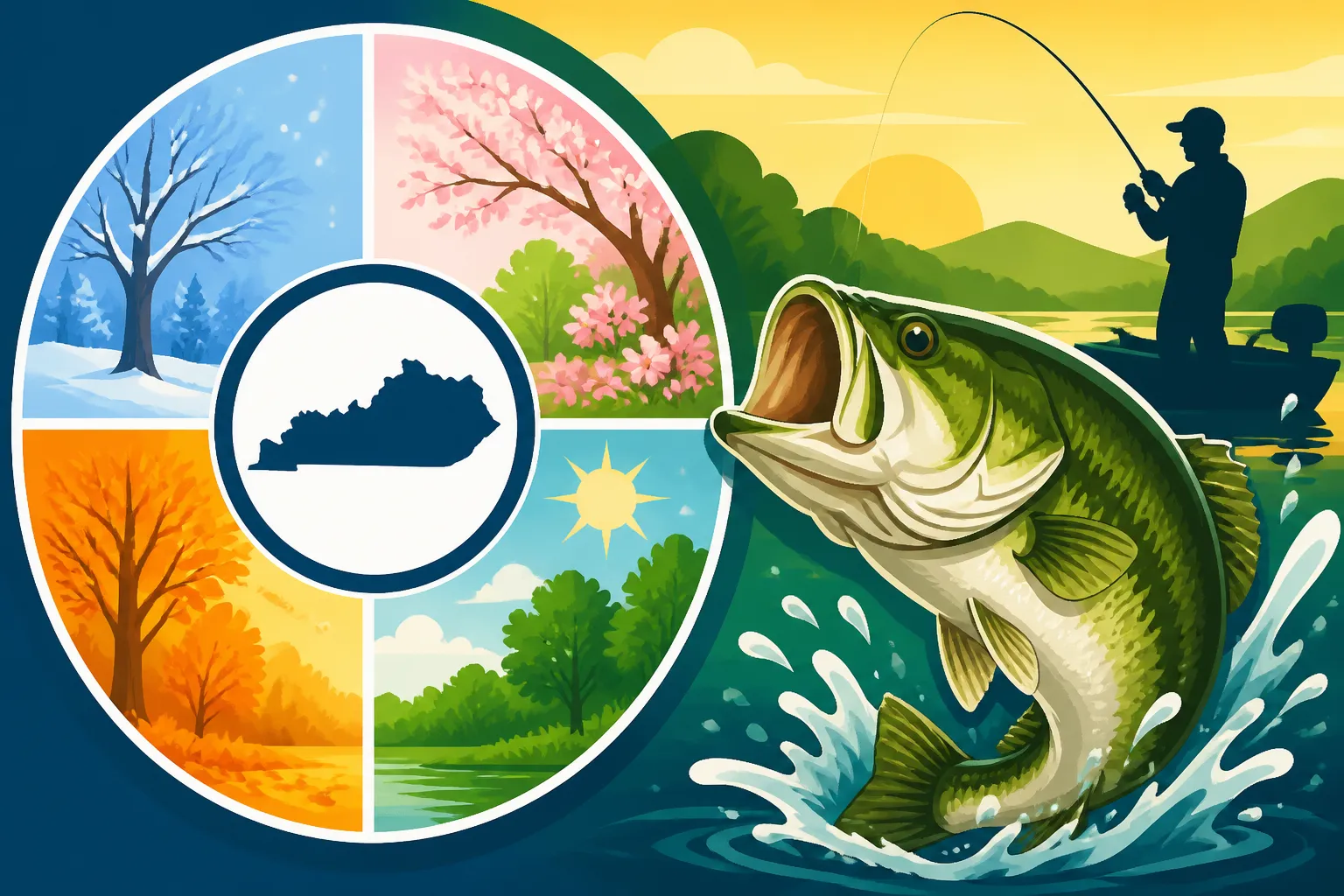
Figuring out the absolute "best" month to chase bass in Kentucky can feel like trying to catch a ghost – one day they're biting everything, the next they've vanished! It's a common frustration for anglers, wanting that golden ticket to guaranteed success. But trust me, Kentucky's diverse waters offer fantastic bass fishing opportunities year-round, if you know what to look for. This guide is going to walk you through each season, helping you understand bass behavior so you can pinpoint those prime times, no matter the month.
Unpacking the "Best Month" Myth for Kentucky Bass Fishing
When folks ask "What month is best for bass fishing in Kentucky?", they're usually hoping for a single, definitive answer like "April!" or "October!" And while certain months definitely see more consistent, aggressive bites, the reality is a little more complex and a lot more exciting. Kentucky's climate and varied water bodies, from massive reservoirs like Kentucky Lake to smaller, clearer impoundments like Herrington Lake, mean bass behavior shifts constantly. It's less about one magic month and more about understanding the seasonal patterns and how they influence the fish. The "best" month often depends on what kind of bass fishing you love doing – shallow water power fishing, deep structure finesse, or even chasing giants in cold water.
Why "Best" Is Subjective and Ever-Changing
Let's be real, the idea of a single "best" month is appealing because it promises simplicity in an often-complex sport. But bass are living creatures, influenced by water temperature, weather fronts, moon phases, and even fishing pressure. What was incredible last April might be sluggish this April if the weather patterns are different. A sudden cold snap in May can push fish back off the beds, making fishing tough, while an unseasonably warm spell in March can kick off the bite early. This dynamic nature is part of what makes bass fishing so captivating, but it also means flexibility and a willingness to adapt are your best friends.
For instance, a lot of anglers swear by April for the spawn, but if you prefer the aggressive pre-spawn bite, then late March or early April might be your best month. If you're into chasing big fish on offshore structure, the deep summer bite could be your jam. This article will help you look beyond the single-month myth and empower you with knowledge for every season.
Key Factors Influencing Bass Behavior Throughout the Year
Understanding the primary drivers behind bass behavior is like unlocking a secret code. The two biggest factors are undoubtedly water temperature and photoperiod (daylight length). As the seasons change, these elements trigger a cascade of biological responses in bass.
- Water Temperature: This is the absolute king. Bass are cold-blooded, so their metabolism directly correlates with water temperature. When the water is cold, they're sluggish, conserving energy. As it warms, they become more active, needing to feed more often. The magical range for largemouth bass is often considered to be between 55-75°F, though they can be caught outside this range. You'll notice this especially when you're out on a lake like Lake Cumberland; even a few degrees can make a world of difference.
- Photoperiod: The increasing or decreasing hours of daylight signal the approach of major biological events like spawning or winter dormancy. While not as immediate as temperature, it's the long-term calendar that bass follow, preparing them for the changes ahead.
- Forage Availability: Where the baitfish are, the bass will be. Shad, sunfish, and other forage species also follow seasonal patterns, moving shallow or deep, schooling up, or dispersing. Knowing what the bass are eating and where that food source is located is critical.
- Weather Patterns: Fronts, wind, rain, and cloud cover can all impact bass behavior on a daily basis. A stable weather pattern usually means more predictable fishing, while sudden changes can make it challenging. This is why having a good understanding of How Weather Fronts Affect Fishing Times is so important.
Spring: The High-Energy Peak for Kentucky Bass
Ah, spring in Kentucky! If there's one season that comes closest to being universally crowned the "best" for bass fishing, it's spring. The warming weather and lengthening days ignite a feeding frenzy and the primal urge to reproduce, making bass more accessible and aggressive than at almost any other time of year.
Pre-Spawn Excitement: March to Early April
This is arguably one of the most exciting times to be on the water. As water temperatures creep from the low 40s into the 50s, usually from late February through March and into early April, bass start to shake off their winter lethargy. They move out of their deep winter haunts and begin migrating towards shallower staging areas – points, secondary creeks, channel swings, and hard bottoms near future spawning grounds. They're looking for warmer water and, most importantly, they're hungry. Really hungry. They need to pack on calories for the upcoming spawn, so they're often willing to chase down a meal.
During this pre-spawn period, you'll find bass in depths ranging from 5 to 20 feet, often relating to cover like submerged timber, rock piles, or old weed lines. Jerkbaits, crankbaits (especially those in shad or crawfish patterns), spinnerbaits, and even slow-rolled swimbaits can be incredibly effective. Consider trying lipless crankbaits, which can cover water quickly and draw reaction strikes. I've had some unforgettable days in March on Kentucky Lake just absolutely hammering fish with a red lipless crankbait around shallow grass beds.
The Spawn Window: Mid-April to Mid-May
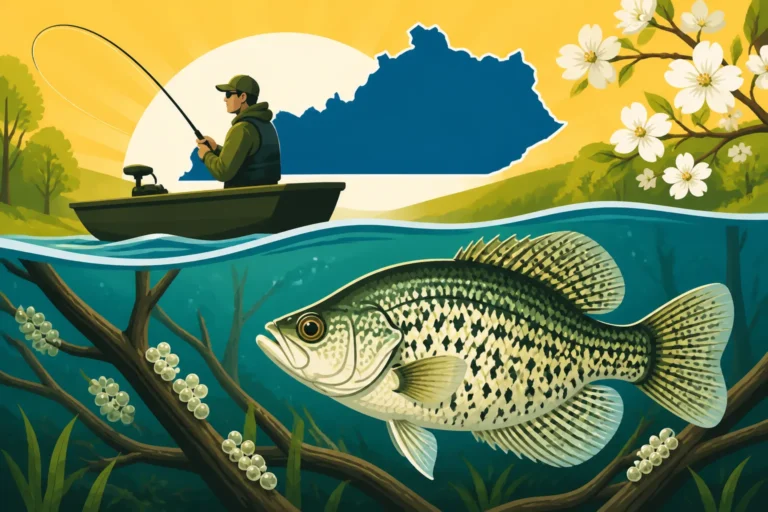
This is what most anglers think of when they talk about "spring bass fishing." Once the water temperatures stabilize in the mid-50s to low 60s, typically from mid-April through mid-May, bass move onto the actual spawning beds. They'll be found in very shallow water, often less than 5 feet deep, in protected coves, pockets, and flats with hard bottoms. They're focused on reproduction, and while they can be finicky, they're also very vulnerable.
During the spawn, sight fishing becomes a popular (and often frustrating) technique, trying to coax a territorial bass off its bed. Soft plastics like lizards, tubes, and wacky-rigged worms are excellent choices, presented right into the bed. But even if you're not sight fishing, understanding that bass are shallow and aggressive, particularly the males guarding the nests, means throwing moving baits like spinnerbaits and chatterbaits in these shallow areas can still yield great results. This is often described as the Kentucky Bass Fishing: The April-May Peak Season, and for good reason. Just be mindful of the fish and practice ethical angling, releasing fish quickly and gently, especially during this critical period.
Post-Spawn Recovery: Late May to Early June
After the exhaustive effort of spawning, bass need to recover. As water temperatures continue to climb into the mid-60s and 70s in late May and early June, some fish will linger shallow, while others will begin to move towards deeper cover, staging in areas where they can feed and recuperate without expending too much energy. This can be a tricky transition period, as fish might be scattered and a bit lethargic immediately after leaving the beds.
However, once they recover, they become incredibly active again, aggressively feeding to regain their strength. This is when you can target them on points, creek channel swings, and deeper cover adjacent to spawning areas. Topwater baits like poppers and walking baits can be phenomenal in the mornings and evenings as bass chase schooling baitfish. Jig-and-pig combinations and Texas-rigged worms become staples for targeting fish that are still shallow but relating to cover. Think about searching for those transitioning fish that are suspended over drop-offs or gathering around boat docks in 8-15 feet of water.
Summer: Adapting to the Kentucky Heat and Deep Waters
Summer in Kentucky brings long, hot days, and with it, rising water temperatures that can push bass into different patterns. While it might not have the explosive shallow bite of spring, summer offers fantastic opportunities for anglers who are willing to adapt and fish at different times of day or target deeper structure. Don't let the heat intimidate you!
Early Summer Patterns: June to Early July
As spring officially transitions into summer, water temperatures typically settle into the high 70s. Bass are done with the spawn and have moved into their summer patterns. Many fish will still be relatively shallow in the mornings and evenings, especially around grass beds, lily pads, and shaded cover. Topwater action can be absolutely phenomenal during these low-light conditions. Frogs over matted vegetation, walking baits over open water, and buzzbaits along shady banks are all great choices.
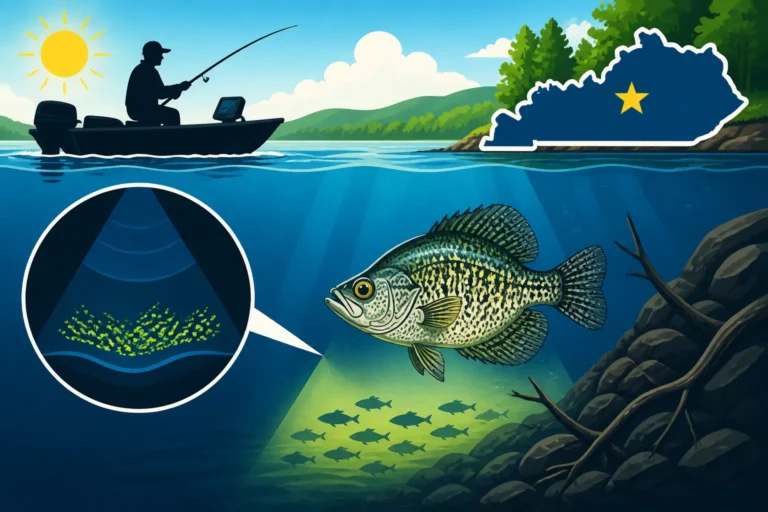
During the brighter, hotter parts of the day, bass will start seeking refuge in deeper, cooler water. They'll relate to offshore structure like ledges, humps, deep points, and brush piles. This is where your electronics, like a good fish finder, become invaluable. You can often find schools of bass ganged up on a specific piece of structure. Heavy Texas rigs, deep-diving crankbaits, and football jigs are excellent for probing these deeper haunts. Remember to check out the Best Time of Day to Catch Bass for more insights into summer fishing schedules.
Mid-Summer Grind: Mid-July to Mid-August
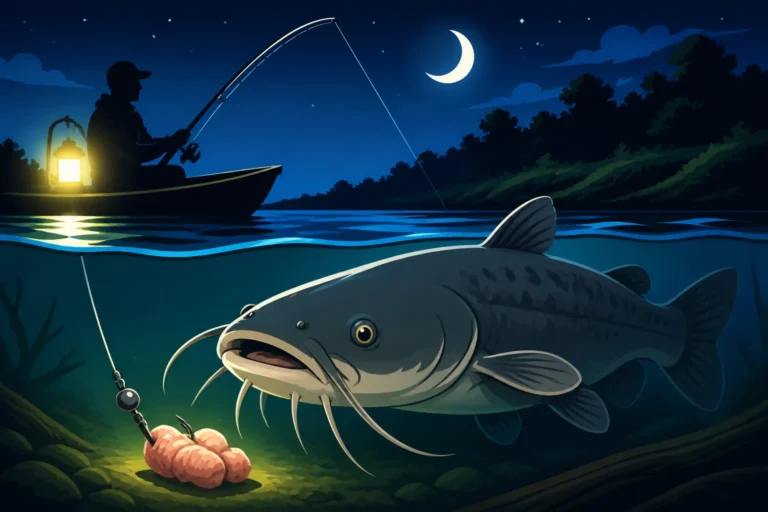
This is often considered the toughest part of the year for bass fishing, as water temperatures can soar into the 80s, and bass become more lethargic during the day. However, "tough" doesn't mean "impossible." It just means you need to adjust your strategy. Early mornings, late evenings, and even night fishing become prime opportunities. Bass will often move shallower under the cover of darkness to feed.
During the day, focus almost exclusively on deep, offshore structure. Look for thermoclines – layers of water at different temperatures – where bass often suspend. Deep ledges on Kentucky Lake or Lake Barkley, especially those with current or abundant baitfish, can hold giant schools of bass. Jigs, Carolina rigs, and large worms like those you might find on Amazon are staples for this deep-water game. Sometimes, a subtle drop shot or shaky head can entice a bite from a reluctant bass. Don't be afraid to fish extremely slow. Remember, a common frustration for anglers is the midday heat, so planning your trips around the cooler parts of the day can make all the difference.
Late Summer Transition: Late August to Early September
As the days start to subtly shorten and nights become a little cooler, even if just by a few degrees, bass begin to sense the upcoming change. Water temperatures might still be warm, but this period sees bass starting to move more. You might see some fish beginning to push baitfish closer to the surface, signaling the start of the fall "feeding frenzy."
This can be a fantastic time for schooling bass action, especially on major reservoirs. Keep an eye out for birds diving or baitfish scattering on the surface – these are tell-tale signs of active bass. Topwater lures, spinnerbaits, and swimbaits are excellent for these schooling fish. You'll still find bass on deep structure, but they may become more active and willing to chase moving baits as they prepare for the cooler months. This is also a great time to start thinking about the Kentucky Statewide Bass Size and Daily Limit Rules to ensure you're compliant with all regulations before you hit the water.
Fall: The Pre-Winter Feeding Frenzy in Kentucky
Fall is another strong contender for the "best" season for bass fishing in Kentucky, especially if you love aggressive fishing. As water temperatures begin to cool and fish sense the approaching winter, they enter a major feeding period to fatten up. This means they are often very active and willing to chase a wide variety of lures.
Early Fall Aggression: September to Early October
Once the water temperatures drop into the low to mid-70s, usually by September, bass really start to turn on. This is often when the famous "fall turnover" happens in many lakes, where cooler surface water mixes with warmer, deeper water. This can temporarily scatter fish, but once it stabilizes, the bite can be incredible. Bass are chasing baitfish with a vengeance, often pushing them to the surface.
This is a phenomenal time for topwater lures, especially in the mornings and evenings. Poppers, walking baits, and prop baits can draw explosive strikes. Crankbaits are also incredibly effective as bass are often shallow, gorging on shad. Spinnerbaits and chatterbaits are excellent search baits for covering water and locating active fish. Look for bass relating to points, coves, and creek channel swings where baitfish are abundant. Many anglers consider this period to be one of the best times for a consistent, active bite.
Mid-Fall Transition: Mid-October to Mid-November
As water temperatures continue to fall into the 60s, bass will follow baitfish into shallower pockets and coves. However, they'll also start to relate more heavily to hard cover like rock piles, stumps, and boat docks. The aggression of early fall is still there, but fish might be a little more localized.
Jigs, Texas rigs, and Carolina rigs become extremely effective as bass hold tight to cover. Squarebill crankbaits that deflect off rocks and wood can also trigger vicious strikes. Don't overlook secondary points and channel bends, especially those with deeper water access nearby. This is a time when the bass are still actively feeding, but they're starting to consolidate, making them a bit easier to pattern once you find them. Check out our guide on Best Lures for Fall Bass Fishing for more specific recommendations.
Late Fall Slowdown: Late November to December
As water temperatures dip into the 50s and even high 40s, typically in late November and into December, the bass bite will slow down. Fish will begin to move towards their wintering areas – deep creek channels, bluff walls, and major lake points. They're still feeding, but their metabolism is much slower, so they're less likely to chase.
This is a time for finesse techniques and slow presentations. Jigging spoons, blade baits, and vertically presented shaky heads or drop shots can be deadly for bass holding tight to deep structure. Work your baits slowly and meticulously. Don't be surprised if a bite feels more like a subtle "thump" or just added weight rather than an aggressive tug. These fish are conserving energy, so a slow, easy meal is what they're after.
Winter: Challenging Yet Rewarding Kentucky Bass Opportunities
Winter fishing in Kentucky is often overlooked, and for good reason – it can be cold, uncomfortable, and the bite can be tough. But for the dedicated angler, winter offers the chance to catch some truly massive bass, as the biggest fish are often less pressured and more concentrated in specific areas. Plus, there's a certain peace to being on the water when most other boats are put away for the season.
Deep Water Tactics: December to February
When water temperatures drop into the low 40s and even into the 30s, bass move into their deepest winter haunts. They often suspend over deep creek channels, gather on bluff walls, or position themselves on the deepest parts of points and humps. Their metabolism is at its lowest, so they feed infrequently, but when they do, it's often for a substantial meal.
This is a game of patience and precision. Vertical jigging with spoons, blade baits (like a Silver Buddy or a Z-Man Chatterbait on Amazon), or even heavy jigs with bulky trailers can be incredibly effective. Look for baitfish schools on your electronics, as bass will often be close by, using the bait as an easy food source. Fishing really slow is the key, sometimes barely moving your bait at all. It might feel like you're not doing enough, but a subtle presentation is often what triggers a strike from a cold, lethargic bass. Our guide on Winter Fishing Techniques for Bass goes into more detail.
Mild Day Opportunities: Anytime
Even in the dead of winter, Kentucky experiences those beautiful, unseasonably warm days, sometimes referred to as "Indian Summer" days. When these warm spells hit, especially if they last for a few days, the shallow water can warm up enough to pull bass out of their deepest winter cover. These fish might only move a few feet shallower, but it can be enough to turn a slow bite into a good one.
On these mild winter days, consider fishing shallow-running crankbaits, jerkbaits, or even spinnerbaits on sunny banks or rock walls that absorb heat. Bass might be looking for a quick meal in these warmer pockets. It's not a consistent pattern, but it's always worth trying if the conditions align. You might be surprised to find some incredibly healthy, fat bass that have been hiding out all winter!
Seasonal Bass Fishing Strategies at a Glance
To make it a little easier to digest, here's a quick overview of what you can generally expect throughout the year for Kentucky bass fishing. Remember, these are guidelines, and flexibility is key!
| Season | Typical Months | Water Temperature (Approx.) | Bass Behavior Highlights | Recommended Lures/Techniques | Amazon Mentions (Examples) |
|---|---|---|---|---|---|
| Early Spring | Mar – Early Apr | 45-55°F | Pre-spawn, migrating, hungry | Lipless crankbaits, Jerkbaits, Spinnerbaits | Rapala Shad Rap on Amazon |
| Late Spring | Mid Apr – May | 55-65°F | Spawning, territorial, shallow | Soft plastics (worms, lizards), Jig-and-pig, Shallow crankbaits | Zoom Lizard on Amazon |
| Early Summer | Jun – Early Jul | 70-78°F | Post-spawn recovery, schooling, some shallow | Topwater, Deep crankbaits, Texas rigs | Strike King KVD 1.5 |
| Mid-Summer | Mid Jul – Aug | 78-85°F | Deep structure, lethargic midday, night fishing | Jigs, Carolina rigs, Drop shots, Large worms | Zoom Magnum Worm on Amazon |
| Early Fall | Sep – Early Oct | 65-75°F | Turnover, chasing bait, aggressive | Topwater, Spinnerbaits, Squarebill crankbaits | Lucky Craft Sammy |
| Late Fall | Mid Oct – Nov | 50-65°F | Following bait, relating to hard cover | Jigs, Texas rigs, Crankbaits | Gamakatsu hooks on Amazon |
| Winter | Dec – Feb | 35-50°F | Deep water, slow metabolism, concentrated | Jigging spoons, Blade baits, Finesse jigs | Z-Man Chatterbait on Amazon |
This table provides a great snapshot, but diving into specifics like How to Fish a Crankbait Around Cover or How to Fish a Plastic Worm for Bass will give you even more detailed tactical knowledge for each season.
Maximizing Your Bass Fishing Success Any Month in Kentucky
While "what month is best" is a common question, a more effective approach is asking "how can I be successful this month?" The key to consistent bass fishing success in Kentucky is continuous learning and adaptation. Kentucky's diverse waterways, from the massive main lake of Kentucky Lake to the smaller, more riverine sections of the Ohio River, all hold bass, but they might require different tactics.
One of the biggest lessons I've learned over the years is that the best anglers aren't necessarily the ones with the most expensive gear (though a good quality rod and reel from a brand like Shimano or Daiwa certainly helps!). They're the ones who pay attention to the details: water temperature, baitfish activity, cover, and structure. They're willing to try different techniques and aren't afraid to move until they find active fish.
Always remember to check the specific regulations for the body of water you're fishing. Even within Kentucky, size and creel limits can vary from lake to lake, especially for popular species like bass. Our Kentucky Fishing Regulations Explained guide is an excellent resource to ensure you're always compliant. Knowing the rules and adapting your approach will not only make you a more successful angler but also a more responsible one.
Ultimately, whether you're out in the blossoming warmth of April, the sweltering heat of August, or the crisp cold of January, Kentucky offers incredible bass fishing. The "best" month is truly the one where you're on the water, learning, adapting, and enjoying the thrill of the chase.
Disclaimer
The information provided in this guide is for general informational purposes only and is not intended as legal advice regarding fishing regulations. Fishing rules and regulations, including license requirements, seasons, and limits, can change frequently. Always consult the official Kentucky Department of Fish and Wildlife Resources (KDFWR) website or current regulations guide before heading out on the water.