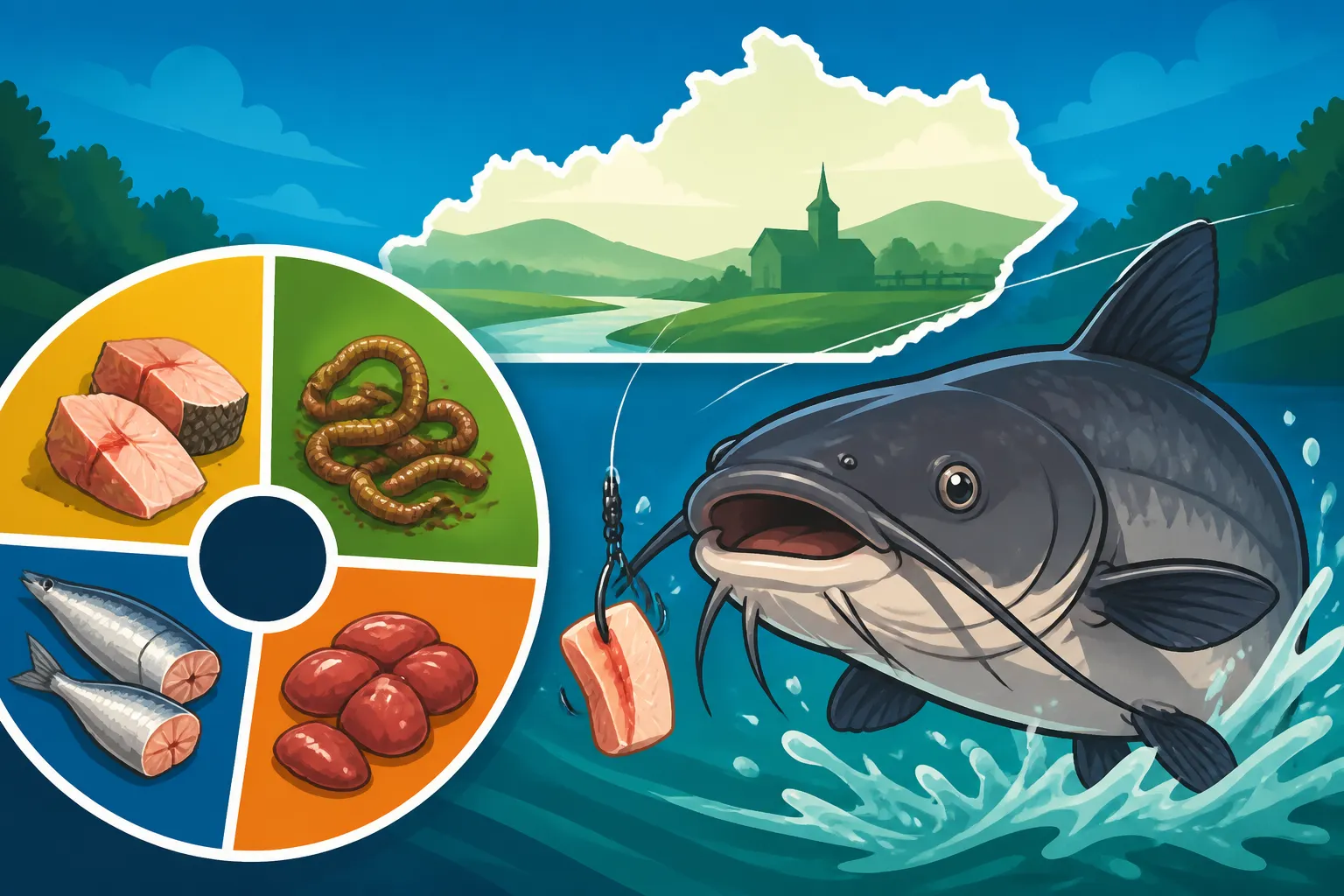
Best Bait for Channel Catfish Fishing
It’s a common frustration for anglers across Kentucky: you head out to your favorite lake or river, convinced today’s the day you’ll land a big channel cat, only to sit there patiently while your bait goes untouched. It can feel like you're speaking a different language than the fish, especially when your buddy next to you is pulling in one after another. This guide is dedicated to translating that language for you, exploring the absolute best baits for channel catfish fishing and the smart techniques to use them, so you can turn those quiet afternoons into memorable catches.
Understanding the Channel Catfish Palate
Before we even talk about specific baits, it's crucial to understand what makes a channel catfish tick when it comes to food. These aren't your picky eaters; they're more like the ultimate opportunists of the aquatic world, always on the lookout for a good meal, often relying on senses beyond sight. Knowing this foundational behavior is key to choosing the right bait for the right situation.
Opportunistic Eaters
Channel catfish are true scavengers and predators wrapped into one whiskered package. They're not just waiting for a perfectly presented lure; they're actively searching for anything that smells, tastes, or looks like an easy meal. This means their diet can be incredibly varied, ranging from decaying organic matter and insects to smaller fish, crayfish, and even berries that fall into the water. If it fits in their mouth and looks remotely edible, a channel cat will likely give it a try. This opportunistic nature is why such a wide array of baits can be effective – it's about appealing to their primal urge to feed. They're not necessarily looking for gourmet cuisine, but rather something substantial and accessible.
Sensory Prowess
What truly sets channel catfish apart in their feeding habits is their incredible sensory system. Unlike many game fish that rely heavily on sight, channel cats are masters of their environment even in murky waters or low light conditions. Their long, sensitive whiskers, or barbels, are packed with taste buds and can detect even minute chemical signals in the water. This means scent and flavor are paramount. A bait that gives off a strong, appealing odor will often outperform a visually attractive one, especially in stained water or during night fishing. Think about it: a potent, stinky bait creating a scent trail in the current is like a dinner bell ringing loudly for a hungry catfish, guiding them right to your hook. This is why when you're thinking about the Best Bait for Channel Catfish Fishing, scent is almost always the trump card.
Natural Baits: The Tried and True Favorites
When it comes to catching channel catfish, sometimes the simplest and most natural options are the absolute best. These baits have stood the test of time for a reason: they perfectly mimic what catfish naturally consume in their environment, appealing directly to their instincts and powerful sense of smell.
Cut Bait & Live Bait
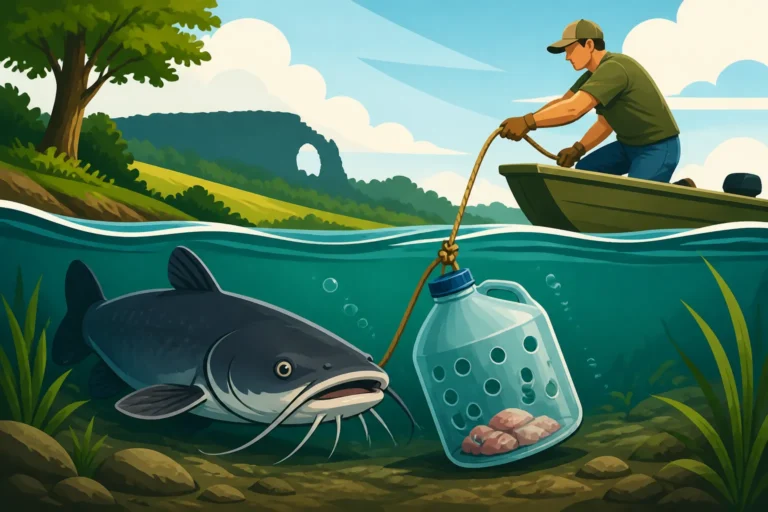
This is a category that nearly every successful catfisherman swears by. Cut bait, particularly from oily fish, is incredibly effective because it disperses a strong, natural scent into the water, drawing in hungry catfish from a distance. Shad, skipjack herring, carp, or even smaller panfish like bluegill work wonderfully. Cut them into chunks about an inch or two square, making sure to expose the flesh and blood for maximum scent dispersion. You can even use the head or tail sections, as these often have strong scents. The oilier the fish, the better the scent trail, making it irresistible to cruising channel cats.
Live bait, on the other hand, offers a different kind of appeal: movement. A struggling minnow, a lively small sunfish, or even a crayfish hooked correctly will attract attention through vibration and visual cues, especially in clearer water. Small bluegill, often found in the same waters as catfish, can be particularly effective. Just be sure to check local regulations on using live fish as bait, as some areas have restrictions to prevent the spread of invasive species. For example, many anglers targeting larger blue or flathead catfish prefer bigger live baits, but for channel cats, something in the 3-5 inch range is usually perfect. The key is to keep them lively on the hook; a dead live bait loses its primary advantage.
Worms and Insects
It's hard to beat a classic, and when it comes to catfishing, the humble nightcrawler or garden worm is absolutely legendary. Earthworms are a natural food source for almost every freshwater fish, including channel catfish. They're easy to get, relatively inexpensive, and their wiggling action combined with the subtle scent they release is often enough to entice a bite. For channel cats, a big wad of several worms on a hook, or a single large nightcrawler threaded on, can be very effective. The key is to present them naturally, allowing them to squirm and release their scent.
Beyond worms, many insects can also be fantastic channel cat baits. Crickets, grasshoppers, and even catalpa worms (if you can find them!) are highly attractive. These baits are particularly effective when fishing near the bank or under overhanging vegetation where insects naturally fall into the water. A good tactic is to suspend a cricket under a bobber near some cover, allowing its chirping or struggling to send out vibrations and attract attention. You can often find packaged crickets at bait shops, or if you're feeling adventurous, you can catch your own.
Small Fish and Frogs
While cut bait and worms are superstars, don't overlook other natural protein sources that channel catfish feast on. Smaller live or dead fish, like shiners, fathead minnows, or even small creek chubs, can be irresistible. These are particularly good when you want to offer a larger meal to a bigger channel cat, or when you suspect they're actively hunting smaller forage fish. Present them on a simple bottom rig, letting the current carry their scent or motion.
Frogs, especially small ones, are also a highly underrated bait for channel catfish, particularly in ponds or sluggish river sections where they are naturally present. The erratic kicking action of a live frog on a hook can be a huge draw. If using live frogs, hook them lightly through the lips or a hind leg to keep them alive and swimming. Again, always double-check local regulations regarding the use of frogs as bait. Their natural appearance and erratic movements often trigger an aggressive strike from a hungry channel cat.
Prepared & Commercial Baits: The Scent Trail Specialists
Sometimes, you need a bait that goes beyond what's naturally available, a bait designed to specifically exploit the channel catfish's incredible sense of smell. This is where prepared and commercial baits shine, often offering potent attractants that can pull fish from a surprising distance, making them perfect for targeting catfish in various conditions.
Stink Baits and Punch Baits
If there's one category of bait synonymous with channel catfishing, it's stink bait. These concoctions are engineered to produce incredibly strong, often pungent odors that channel catfish can detect from far away. They typically come in a dough-like consistency, a dip bait (meant for sponges or specially designed worms), or a solid chunk. Brands like Berkley PowerBait Catfish Bait, which you can often find on Amazon, have been a staple for countless anglers.
- Dough Baits: These are usually pre-formed or moldable and stick directly to your hook. Their scent slowly disperses in the water. They're straightforward to use and less messy than dip baits.
- Dip Baits: These are often very thick, almost gooey, and require a special bait holder, like a ribbed plastic worm or a small sponge, to cling to. You literally "dip" your bait holder into the jar of stink bait. The strong, continuous release of scent is their main advantage.
- Punch Baits: Similar to dough baits but often made with a cheese or blood base. They're usually kept in their container and you "punch" a treble hook into the bait to pick up a chunk. The strong adhesive quality means they stay on the hook well, even in current.
The beauty of these baits is their consistency and potency. When fishing the Ohio River for larger channel cats, a strong stink bait can create a compelling scent trail in the current, drawing fish upstream. For more details on using these, consider guides like Using Stink Bait for Catfish Fishing.
Dough Balls and Processed Meats
Beyond the ultra-stinky options, there are other prepared baits that are highly effective and often more palatable (to human noses, anyway).
- Dough Balls: These are simple, homemade or store-bought mixtures, usually containing flour, cornmeal, garlic, cheese, and sometimes a sweetener or a bit of fish oil. They can be molded around a hook and offer a mild, appealing scent that can be very effective in ponds or lakes where fish might be more accustomed to less aggressive odors. A common recipe involves mixing cornmeal, flour, and water to create a paste, then adding ingredients like garlic powder or parmesan cheese. You can even boil them slightly to make them tougher and stay on the hook better.
- Processed Meats: Many anglers have found great success with everyday processed meats. Hot dogs, cut into small, coin-sized pieces, are incredibly popular. Their texture allows them to stay on the hook well, and their processed aroma is surprisingly attractive to catfish. Other options include small pieces of luncheon meat, chicken liver, or even shrimp. Chicken liver is particularly notorious for its strong scent and soft texture, which can be a double-edged sword: it’s super effective but can be tricky to keep on the hook, especially with aggressive casts or in strong current. Some anglers cure chicken liver with garlic salt or Kool-Aid powder to toughen it up and enhance its appeal. You can often find ready-to-use chicken livers in the bait section of larger outdoor retailers or even local grocery stores.
Presenting Your Bait for Maximum Impact
Having the best bait in the world won't do you much good if you don't present it effectively. The way you rig your line, choose your fishing spot, and even the time of day can make a huge difference in whether a channel catfish decides to bite. It's about combining the right attractant with the right technique to put the odds in your favor.
Rigs for Different Scenarios
The right rig ensures your bait is presented naturally and stays where the fish are.
-
Carolina Rig (Slip Sinker Rig): This is arguably the most popular and versatile rig for channel catfishing. It consists of a sliding sinker (egg sinker or bullet weight), followed by a bead (to protect your knot), a swivel, and then a leader (12-24 inches) tied to your hook. The sliding sinker allows the fish to pick up the bait and move away without feeling immediate resistance, which can often lead to more confident bites. This rig is fantastic for fishing on the bottom in lakes, slow-moving rivers, or even when trying to get your bait past weeds. It lets your bait drift naturally with the current, while the weight holds it in the general strike zone. Learning to tie a good Carolina rig is fundamental for successful catfish outings, whether you're using cut bait or a glob of worms.
-
Santee Cooper Rig: This is a variation of the Carolina rig, mainly used with larger live or cut baits. The key difference is the addition of a small float (often a peg float or cigar float) on the leader, above the hook. This float lifts your bait slightly off the bottom, making it more visible and keeping it out of debris or mud. This can be especially effective when fishing over soft, mucky bottoms or when targeting fish that might be suspended a foot or two off the bottom. It also presents your bait in a more natural, lifelike manner, particularly with a piece of cut shad.
-
Three-Way Swivel Rig (Dropper Rig): Excellent for fishing in current, like on the Ohio River, or when you want to present multiple baits at different depths. One eye of the swivel goes to your main line, another to a short dropper line (6-12 inches) with a sinker, and the third to a leader (12-36 inches) with your hook. You can even tie a second leader and hook off the main line above the swivel for a two-hook setup. This rig keeps your bait stable in moving water and allows for good sensitivity to bites. If you're wondering How to Anchor for Catfish on a River, using a three-way swivel rig is often the perfect complement to keep your bait exactly where you want it.
| Rig Type | Best Use Case | Pros | Cons |
|---|---|---|---|
| Carolina Rig | Lakes, slow rivers, general bottom fishing | Natural bait presentation, minimal resistance to fish | Can get snagged on debris, bait can sink into mud |
| Santee Cooper Rig | Muddy bottoms, keeping bait off debris | Elevates bait, increased visibility | Can be slightly more complex to tie |
| Three-Way Swivel | Strong current, multiple depths, boat fishing | Stable in current, good sensitivity, multiple bait options | More components, can tangle if not tied carefully |
Strategic Placement and Timing
It's not just what you use, but where and when. Channel catfish, like all fish, have preferred habitats and feeding windows.
-
Location, Location, Location: Look for areas with structure. In lakes, this means submerged humps, old creek channels, brush piles, fallen trees, or points that extend into deeper water. For rivers, focus on current breaks, seams where fast water meets slow water, deep holes, eddies, and around bridge pilings or wing dams. Channel cats will often hold in these areas, waiting for food to drift by. Pay attention to changes in depth or bottom composition. A good fish finder can be invaluable for identifying these hotspots. If you're exploring Kentucky Catfish Fishing: Ohio River and Kentucky Lake Guide, remember that specific structure will vary greatly by waterway.
-
Time of Day and Season: Channel catfish are primarily nocturnal feeders, meaning they are most active from dusk through dawn. This is when their superb sensory abilities give them an advantage over prey. Night fishing for catfish can be incredibly productive, especially during the warmer months. As temperatures drop, their activity tends to slow down, but they can still be caught during the day, particularly in deeper holes. Early morning and late evening can also be prime times. For specific insights into when to find them biting, check out What Month Do Kentucky Catfish Bite Best.
-
Patience and Persistence: Catfishing is often a game of patience. Once you've cast your bait into a promising spot, let it sit for a while. Channel cats might take some time to locate the scent trail. Don't be afraid to leave your bait out for 15-30 minutes before checking or re-casting, especially if you're using potent stink bait. A good rod holder and a comfy chair are your best friends here. Occasionally, a slow retrieve or a slight twitch of the rod can also help to re-release scent and attract attention. Sometimes, you just have to give the fish time to find your offering, which is why Night Fishing Tips for Beginners often emphasize patience.
Remember, every fishing trip is a learning experience. Don't be afraid to experiment with different baits and presentations until you find what the channel catfish are biting on that particular day! You might even find some excellent gear for your next trip on Amazon, from specialized catfish hooks to robust rod holders.
Disclaimer
This article is for general informational purposes only and does not constitute professional advice. Laws, prices and regulations vary by location and change over time. Consult a qualified professional for guidance on your specific situation.