How to Set Up a Trotline for Catfish
There’s a unique satisfaction that comes from trotlining for catfish. It feels like a throwback, a nod to old-school fishing techniques that connect you directly with the rhythms of the river or lake. But let's be real, for many anglers, the idea of setting up a trotline can feel overwhelming. You might worry about tangled lines, snags, or even falling afoul of regulations. This guide is here to untangle those worries and walk you through everything you need to know to set up a trotline for catfish effectively and legally in Kentucky, giving you the confidence to chase those big whiskerfish.
Understanding Kentucky's Trotline Regulations and Ethical Considerations
Before you even think about cutting line or tying hooks, the absolute first thing you need to do is understand the rules. Trotlining isn't like casting a single rod; it involves multiple hooks and lines, which means the Kentucky Department of Fish and Wildlife Resources (KDFWR) has specific regulations in place. Ignoring these rules isn't just a minor oversight; it can lead to hefty fines, confiscation of your gear, and a serious dampener on your fishing adventure. I've heard stories of folks losing entire setups because they didn't know the local rules, and trust me, that's a frustration you want to avoid.
Navigating the Legal Landscape of Trotlining in Kentucky
The regulations around trotlines exist for several good reasons: they help manage fish populations, prevent overharvesting, ensure public safety, and maintain fairness among all anglers. Think about it – if everyone could run unlimited, unmarked lines, our waterways would become a chaotic mess of fishing gear, and fish stocks would dwindle quickly.
For newcomers to trotlining, the sheer number of rules can seem daunting. You might wonder if it’s even worth the effort. But once you get the hang of it, these regulations simply become part of your routine. It's about being a responsible angler and contributing to the health of Kentucky's fantastic fisheries. Remember, knowing the rules helps you protect both the fish and your investment in gear. It’s not about being restrictive; it’s about sustainable enjoyment of our natural resources.
Specific Rules for Trotlines: Limits, Marking, and Locations
Kentucky has clear guidelines for trotlines that you absolutely must follow. These vary slightly from the rules for other commercial gear like slat baskets or gill nets, so focus specifically on trotline requirements.
Here are the critical points:
- Number of Lines: Generally, a licensed angler can use up to three trotlines at a time. This limit is crucial for managing effort and ensuring that no single individual dominates a fishing area.
- Hook Limits: Each trotline is typically limited to a certain number of hooks, often around 50. This means you can't just string hundreds of hooks; you need to be strategic with your placement and baiting.
- Length Restrictions: Trotlines also usually have a maximum length. This prevents lines from spanning entire waterways or becoming navigation hazards.
- Tagging Requirements: This is non-negotiable. Every trotline you set must be clearly marked at each end with a visible tag. This tag needs to include your name, address, and your Kentucky fishing license number. This allows game wardens to easily identify the owner and ensures accountability. If a warden finds an untagged line, it's considered abandoned and can be removed, and you could face penalties.
- Time Limits: Trotlines must be checked and all fish removed at least once every 24 hours. This rule is in place for ethical reasons, preventing fish from suffering unnecessarily and ensuring your catch stays fresh.
- Prohibited Waters: Not all waters are open to trotlining. Some lakes or specific areas, especially smaller public ponds or designated fishing areas, might be off-limits to trotlines. Always check site-specific regulations for the body of water you plan to fish. For a comprehensive overview, it's always a good idea to consult the Kentucky Fishing Regulations Explained from the KDFWR. Knowing the nuances of things like the Kentucky Catfish Daily Limit and Trophy Fish Rule for your target species will also help you stay compliant once you start catching fish.
Assembling Your Ultimate Catfish Trotline Kit
Alright, now that we're clear on the rules, let's talk gear! A well-equipped trotline setup isn't just about having a line; it's about having the right line and components that can stand up to powerful catfish, strong currents, and the elements. Skimping on quality here will only lead to frustration, lost gear, and lost fish. You want something that will last season after season, not just a one-and-done setup.
Mainline, Dropper Lines, and Swivels: The Foundation
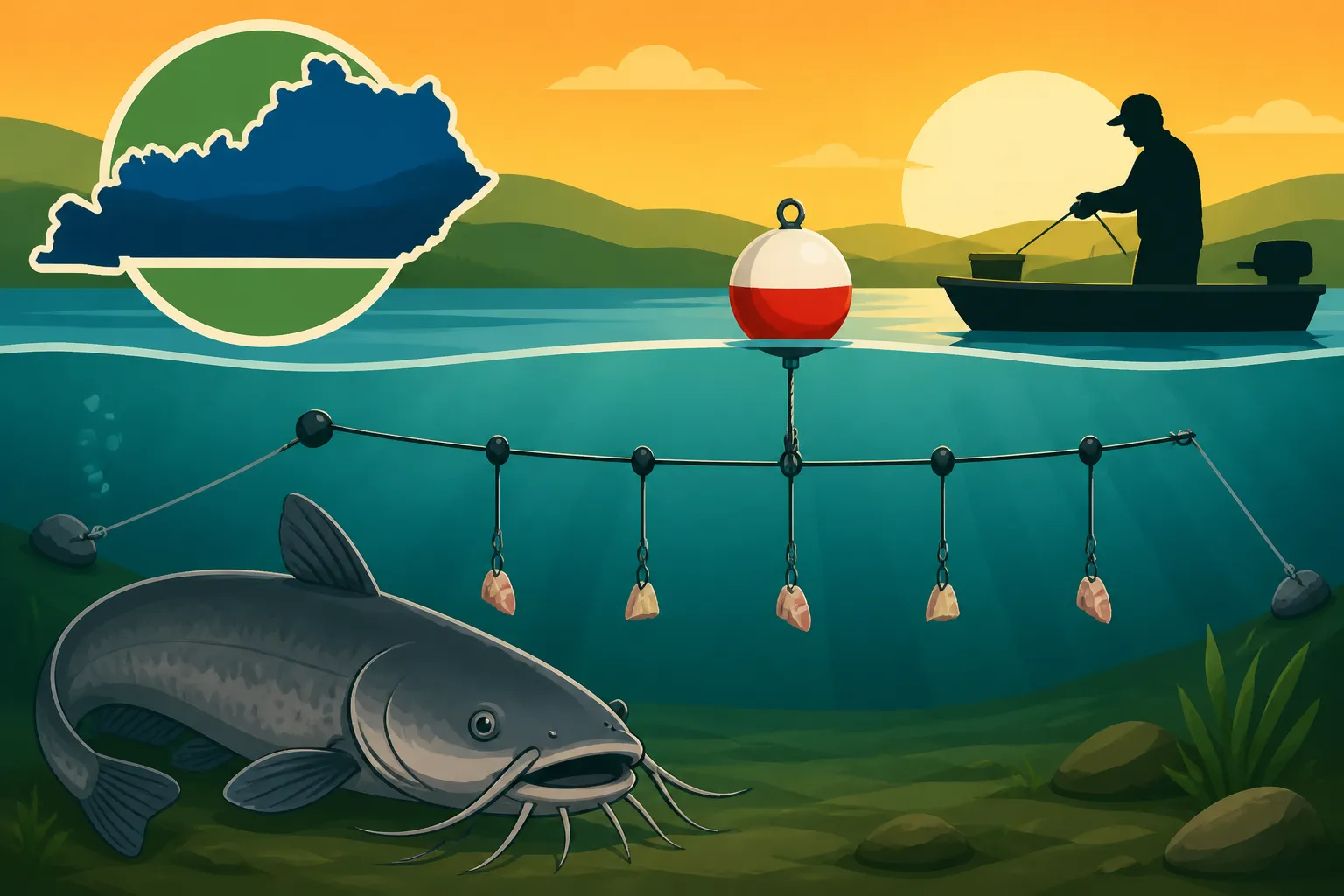
The mainline is the backbone of your trotline, and it needs to be tough.
- Mainline Material:
- Braided Nylon or Polypropylene: These are common choices. Braided nylon is very strong and abrasion-resistant, though it can absorb water. Polypropylene is lighter, floats, and is resistant to rot and mildew, making it easy to handle. Aim for something in the 200-500 lb test range, especially if you're targeting those monster Ohio River blue cats. A line that's too thin will snap under the strain of a big fish or a strong current.
- Length: Consider the size of the water you'll be fishing. A common length might be 100 to 300 feet, but you can adjust based on the specific location and depth you’re targeting.
- Dropper Lines (Leaders): These are the shorter lines that connect your hooks to the mainline.
- Material: Often made from heavy monofilament or braided nylon, usually in the 50-100 lb test range. You want them strong enough to hold a fish but slightly lighter than your mainline so if a hook snags badly, you might only lose the dropper and hook, not the entire trotline.
- Length: Keep these fairly short, typically 12 to 24 inches. Shorter leaders minimize tangles and ensure the bait stays closer to the mainline, which is important when fish are foraging along specific contours.
- Swivels: These are absolutely essential. They prevent your dropper lines and the fish from twisting up your mainline.
- Type: Heavy-duty barrel swivels or ball-bearing swivels are excellent choices. They need to be robust and rust-resistant, as they'll be underwater constantly.
- Attachment: You can tie them directly to the mainline (using strong knots like a palomar or uni knot) or, more commonly, use crimps for a super secure connection. Many anglers find a good selection of durable mainlines and swivels on Amazon, often in bulk, which can be cost-effective.
Hooks, Baits, and Essential Rigging Components
Now for the business end of the trotline – the hooks and what goes on them!
- Hooks:
- Circle Hooks: Many states, including Kentucky, highly recommend or even mandate circle hooks for trotlines and other passive gear. Why? Because they are designed to hook fish in the corner of the mouth, which is much less harmful and makes for easier release if you catch something you don't want to keep, or an undersized fish. This greatly improves the survival rate of released fish.
- J-Hooks: While traditional, J-hooks are more prone to gut-hooking, making release more difficult. Always check current regulations regarding hook types.
- Size: For Kentucky catfish, sizes ranging from 6/0 to 12/0 are common, depending on whether you're targeting eating-sized channel cats or trophy blue and flathead catfish.
- Snaps and Crimps:
- Snaps: Heavy-duty snaps (like longline clips or tuna clips) can be attached to your droppers, allowing you to quickly clip them onto the mainline. This makes baiting, re-baiting, and removing fish much easier.
- Crimps: If you're building fixed dropper lines, crimps provide a very strong and secure connection without weakening the line through knots. You'll need a good crimping tool for this.
- Pliers/De-hookers: Always have a sturdy pair of pliers and a de-hooking tool on hand. Catfish have sharp spines and tough mouths, and these tools will protect your hands and make handling fish safer and easier. For more general catfish gear, you might also want to check out resources on Best Reels for Catfish Fishing, even though a reel isn't needed for trotlines, it shows commitment to quality gear.
Anchors, Floats, and Safety Markers
These components ensure your trotline stays put and is visible to everyone on the water.
- Anchors: You'll need two solid anchors, one for each end of your trotline.
- Types: Common choices include concrete blocks (often DIY with an eye-bolt), sash weights, heavy old engine parts, or even just large rocks securely tied. The key is weight and stability.
- Weight: Each anchor should be heavy enough to hold your line steady against current, wind, and the pulling of fish. Think 5 to 15 pounds per anchor, minimum, depending on the conditions. You can even find specialized trotline anchors on Amazon that are designed to hold well in different bottoms.
- Floats/Buoys: These mark the ends of your trotline and allow for easy retrieval.
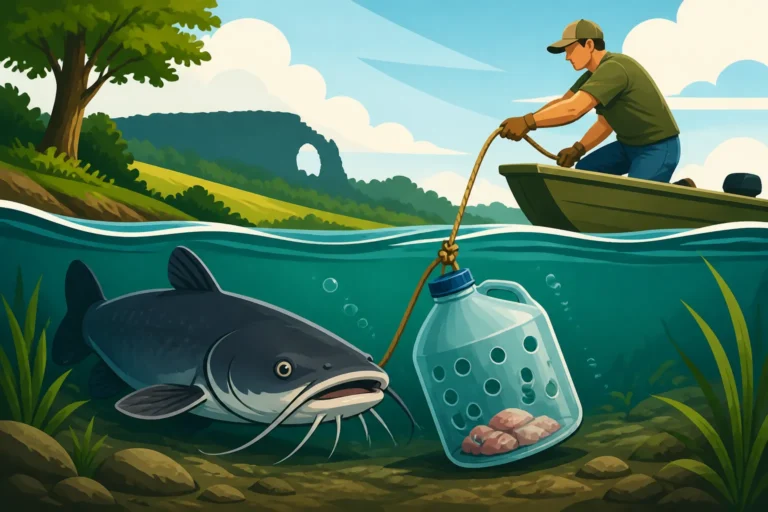
- Visibility: Use brightly colored floats (orange, yellow, or white) that are easily seen from a distance, especially by other boaters. Jugs, large foam buoys, or even repurposed plastic bottles (check local rules for specific float requirements) can work.
- Buoyancy: Ensure they are buoyant enough to support the weight of your mainline, anchors, and any fish you might catch, without sinking.
- Reflective Tape: Adding reflective tape to your floats is a smart move, especially if you check your lines at dawn or dusk, or if you ever need to locate them in low light. Safety is paramount on the water.
| Component | Description | Key Considerations |
|---|---|---|
| Mainline | Heavy-duty line forming the backbone of your trotline. | Strength (200-500lb test is common), UV resistance, appropriate length for your fishing spot. |
| Dropper Lines | Shorter lines connecting hooks to the mainline. | Strength (50-100lb test), abrasion resistance, 12-24 inch length to minimize tangles. |
| Swivels | Attach dropper lines to mainline, prevent line twist. | Heavy-duty barrel or ball-bearing, rust-resistant, strong enough for target fish. |
| Hooks | The actual fish-catching component. | Circle hooks highly recommended/required, sizes 6/0-12/0, sharp points, corrosion resistance. |
| Snaps/Crimps | For attaching dropper lines to mainline or creating secure loops. | Heavy-duty longline clips for quick attachment, or robust crimps with a proper tool for permanent rigging. |
| Anchors | Hold the trotline securely in place at each end. | Weight (5-15+ lbs each), material (concrete block, sash weight), secure attachment points. |
| Floats/Buoys | Mark the ends of the trotline for visibility and retrieval. | Brightly colored (orange, yellow), sufficient buoyancy, durable plastic or foam, reflective tape for low light. |
| Tagging Plate | Required for legal identification of your trotline. | Durable, waterproof material, clearly marked with name, address, and Kentucky fishing license number. |
| Tools | Pliers, de-hookers, knot-tying tools, knife. | Essential for rigging, handling fish safely, and making adjustments. |
Step-by-Step Deployment: Setting Your Trotline for Success
With your gear ready and regulations memorized, it's time for the exciting part: setting your trotline! This isn't just about throwing a line in the water; it's about strategic placement and careful deployment to maximize your chances of success and ensure everything is legal and safe.
Scouting the Perfect Catfish Territory
Catfish, like all fish, aren't just randomly swimming around. They have preferences for where they live and feed, and understanding these patterns is key to successful trotlining.
- Understanding Catfish Behavior:
- Channels and Deep Holes: Catfish, especially larger blues and flatheads, love deeper channels and holes in rivers and large lakes. These areas offer cooler water, cover, and a consistent food source as baitfish move through.
- Structure: Look for submerged structure like old riverbeds, log jams, rock piles, ledges, and drop-offs. These provide ambush points and cover for catfish.
- Current Breaks: In rivers, catfish will often hold in areas where the current is broken, such as behind islands, large rocks, or at river bends. They can rest in these spots while waiting for food to wash by.
- Seasonal Movements: Catfish move with the seasons. In warmer months, they might spread out more, but still prefer deeper, cooler water during the day. During spawning, they might move to shallower, protected areas. In colder months, they often congregate in the deepest holes available.
- Tools for Scouting: Using a depth finder/fish finder on your boat can be invaluable for identifying these prime spots. Look for sudden changes in depth, submerged trees, or schools of baitfish. Even without electronics, studying navigation maps or asking local anglers for general areas can give you a significant advantage. The Best Catfish Fishing Spots on Kentucky's Ohio River is a great resource for identifying known hotspots.
The Art of Laying Your Trotline
Once you've scouted your spot, the actual deployment requires a bit of finesse, especially if you're working alone from a boat.
- Preparation is Key: Before you even leave the dock, make sure your trotline is neatly coiled or placed in a tub, with your hooks secured (perhaps in a separate bucket or on a hook keeper) to prevent tangles during deployment. Have your anchors and floats ready.
- Start Upstream/Upwind: If there's a current or strong wind, it's usually easiest to start by dropping your first anchor at the upstream or upwind end of where you want your line to lay. This allows the current or wind to help you pull the line taut as you move.
- Slow and Steady: As you slowly motor away from your first anchor, gradually feed out the mainline. It's crucial to go slowly and steadily to prevent kinks and tangles.
- Attach Droppers and Hooks: As the mainline pays out, attach your pre-rigged dropper lines with hooks at your desired intervals. Make sure the hooks are secure and facing downwards to avoid snagging on the bottom during deployment.
- Setting the Second Anchor: Once your entire mainline is out and your droppers are attached, move to the desired end point. Gently pull the line taut – you don't want it banjo-string tight, but you also don't want it to sag excessively. Drop your second anchor.
- Avoid Snags: Be mindful of submerged trees, stumps, or rock piles as you deploy. If you see potential snags, adjust your path slightly. A snagged trotline is a nightmare to retrieve. Practicing some strong, reliable knots will ensure your line stays together, so a quick refresher on How to Tie a Fishing Knot for Beginners can be beneficial.
Proper Tagging and Visibility for Compliance and Safety
You’ve set your line, now make sure it's legal and safe.
- Attaching Your Tags: Remember those legal tags with your name, address, and license number? They need to be securely attached to a visible float at each end of your trotline. Don't just tie them on with a thin string; use heavy-duty zip ties or a durable cord that won't break or degrade quickly in the water.
- Visibility is Paramount: The floats you use must be highly visible. Bright colors like blaze orange, neon yellow, or even a contrasting white are excellent. The goal is for anyone on the water, whether it's another angler, a recreational boater, or a game warden, to easily spot your trotline from a distance. This prevents collisions and ensures compliance.
- Float Positioning: Make sure your floats are positioned so they are clearly visible above the water, even in choppy conditions. If they sink too low, they defeat the purpose. Using a larger float than you think you need is often a good idea. For new anglers, understanding all the regulations around licenses, like the Kentucky Fishing License Guide, is foundational to legal fishing activities. You'll need that license number for your trotline tags!
Managing Your Trotline: From Baiting to Harvest
Setting the trotline is just the beginning! The real magic happens when you properly bait, check, and maintain your line. This is where your efforts turn into a cooler full of fresh catfish.
Maximizing Your Catch with Strategic Baiting
The right bait is half the battle when it comes to catfish. They're opportunistic eaters, but some baits are definitely better than others for trotlines.
- Bait Selection by Species:
- Blue Catfish: These are often targeted with fresh cut bait. Shad, skipjack herring, carp, or even small strips of buffalo are fantastic. Blues love oily, bloody baits. Cut them into chunks or strips that fit your hook size.
- Channel Catfish: While they'll eat cut bait, channel cats are also highly attracted to prepared stink baits, chicken livers, and nightcrawlers. Chicken livers are notoriously messy but incredibly effective.
- Flathead Catfish: Flatheads are almost exclusively piscivorous, meaning they prefer live bait. Live bluegill, sunfish, or even small creek chubs are excellent choices. Ensure any live bait used is legal to possess and use in Kentucky.
- Freshness and Presentation:
- Fresh is Best: No matter the bait, freshness makes a huge difference. Stale or frozen-and-thawed-multiple-times bait loses its appeal.
- Securely Hooked: Make sure your bait is securely hooked so it won't wash off in the current or be easily picked clean by smaller fish. For cut bait, threading the hook through a tougher part of the skin can help. For live bait, hook it lightly through the back or lips to keep it lively.
- Re-baiting Strategy: When you check your lines, remove any old, washed-out bait and replace it with fresh bait. This keeps the scent trail strong and continually attracts fish to your line. For more detailed insights into what gets those whiskers twitching, check out resources like Best Bait for Channel Catfish Fishing and Best Bait for Blue Catfish Fishing.
Responsible Checks and Fish Handling
Checking your trotline isn't just about collecting fish; it's about being responsible and ethical.
- Frequency of Checks: Kentucky regulations typically require trotlines to be checked and all fish removed at least once every 24 hours. However, for ethical reasons and to ensure the freshest catch, many seasoned trotliners check their lines more frequently, sometimes every 8-12 hours, especially in warm weather. Fish can spoil quickly, and you don't want to waste a good catch.
- Safety First: When approaching your trotline, do so slowly and cautiously in your boat. Wear sturdy gloves to protect your hands from fish spines and hooks. Have your pliers, de-hooker, and a cooler with ice ready.
- Removing Fish: Carefully bring the mainline alongside your boat. When you encounter a hooked fish, net it if it's large, then use your de-hooker or pliers to remove the hook. If the fish is undersized or a species you don't wish to keep, quickly and gently release it back into the water. Handle fish as little as possible to minimize stress.
- Ethical Considerations: Trotlining is a highly effective method, which means it carries a greater responsibility. Only keep what you can realistically eat or share, and always adhere to bag and size limits. Our Kentucky Fishing License Year Runs March 1 to February 28, so be sure your license is current before you set out!
Troubleshooting Common Trotline Issues and Maintenance
Even the most seasoned trotliners encounter issues. Knowing how to troubleshoot can save your gear and your sanity.
- Dealing with Tangled Lines: The most common frustration! Tangled lines can be caused by strong currents, too much slack, or fish twisting intensely. Prevention is the best cure: ensure your line is taut but not overly stressed, and use good quality swivels. If a tangle occurs, carefully work it out, cutting only as a last resort.
- Lost Hooks/Droppers: It happens. Snags, large fish, or weak connections can cause you to lose hooks or entire droppers. Always carry spare pre-rigged droppers and hooks for quick replacements.
- Strong Currents: If your anchors aren't holding, your line can drift, creating slack and tangles, or moving into prohibited areas. Use heavier anchors, or consider setting your line in areas with less powerful currents.
- Wildlife Interference: Otters, snapping turtles, or other wildlife might try to get at your bait or catch. This is a natural part of the environment, but it can be frustrating. There's not much you can do to prevent it entirely, but keeping your bait fresh and checking frequently can minimize losses.
- Maintenance: After each trip, especially if you're done trotlining for a while, clean your line thoroughly. Rinse off any mud, slime, or old bait. Inspect all components for wear and tear. Store your trotline neatly coiled and completely dry in a cool, dark place to prevent mildew and degradation from UV light. This will significantly extend the life of your gear. Knowing your target species, such as the various Catfish Species in Kentucky: Channel, Blue, Flathead and White, helps you anticipate their fighting power and choose appropriate gear.
Trotlining for catfish in Kentucky offers a rewarding experience, allowing you to connect with the state's rich fishing heritage and harvest some truly delicious fish. By understanding and adhering to the regulations, meticulously preparing your gear, strategically deploying your lines, and diligently maintaining them, you'll find immense satisfaction in this traditional angling method. Tight lines, fellow anglers!
Disclaimer
This article is for general informational purposes only and does not constitute professional advice. Laws, prices and regulations vary by location and change over time. Consult a qualified professional for guidance on your specific situation.