Night Fishing Tips for Beginners
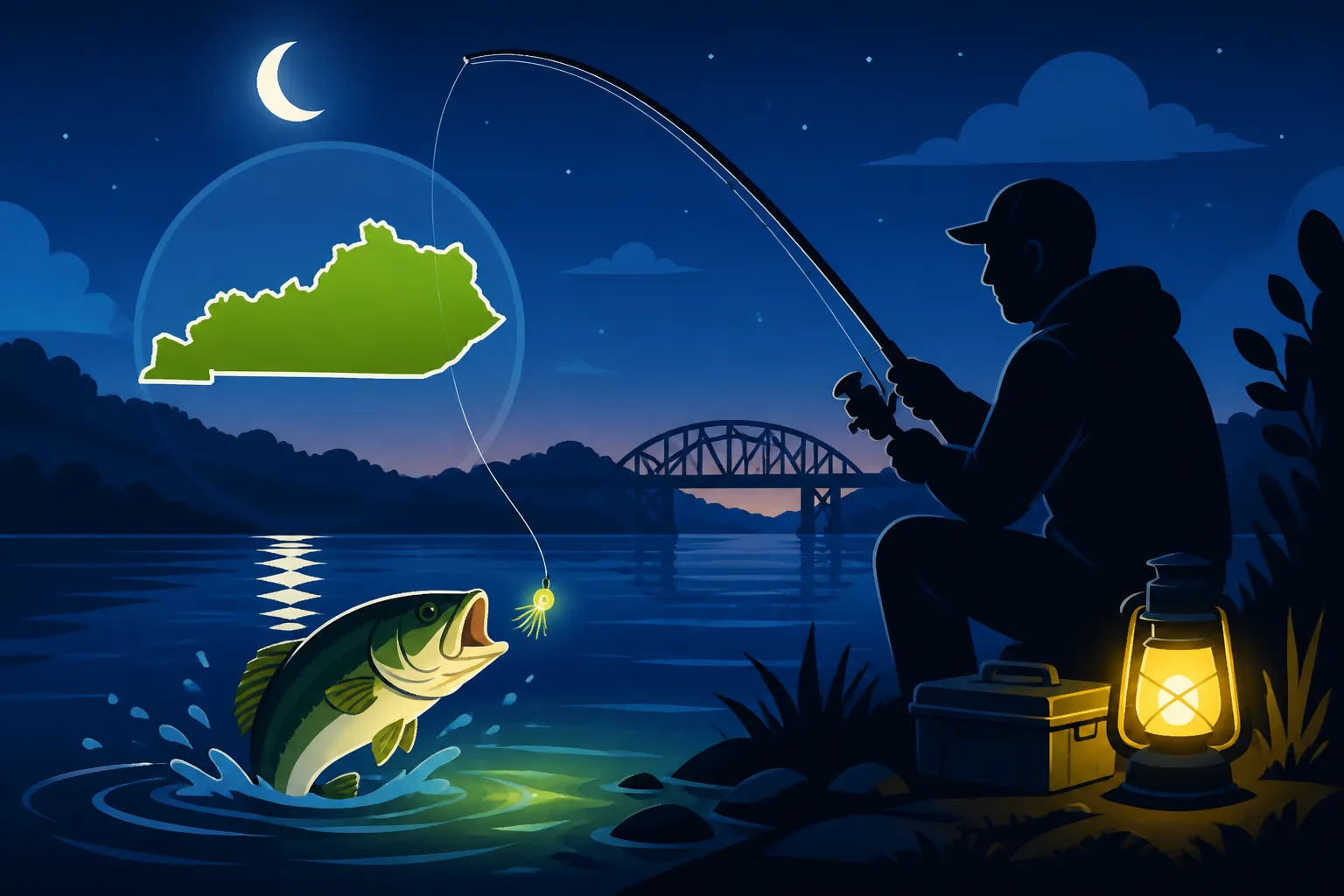
There's a special kind of peace that settles over Kentucky's lakes and rivers when the sun dips below the horizon, but for many anglers, that quiet darkness can feel a bit intimidating. You've heard the whispers of trophy fish biting after dark, but stepping out onto the water when you can barely see your hand in front of your face feels like a whole new ballgame. Don't worry, friend, this guide is here to shine a light (literally!) on how to start night fishing in Kentucky, turning those nighttime uncertainties into thrilling angling opportunities.
Why Embrace the Night: The Allure of After-Dark Fishing in Kentucky
Fishing under the stars might seem like a niche activity, but seasoned anglers across Kentucky know it offers some incredible advantages, especially during the sweltering summer months. If you've ever found yourself baking under the midday sun, wondering why the fish have suddenly vanished, then night fishing might just be your new favorite pursuit.
Escaping the Heat and Crowds
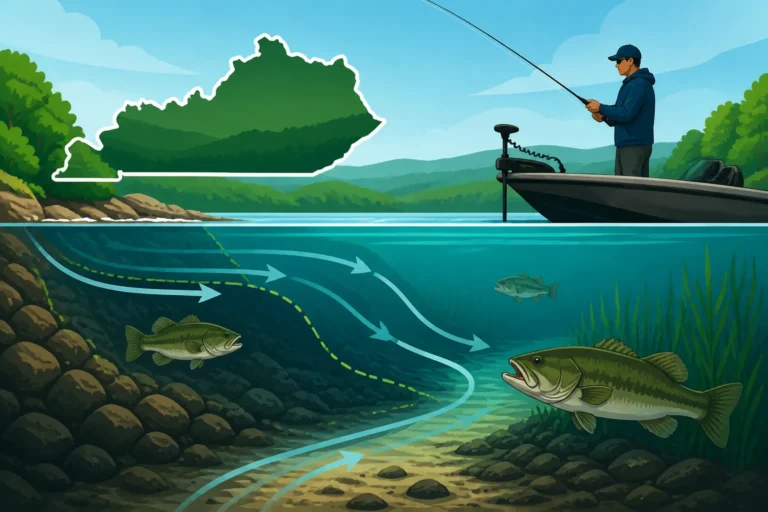
Let's be real: summer in Kentucky can be brutally hot. The scorching sun drives many fish, especially species like bass and crappie, into deeper, cooler waters during the day. As dusk approaches and the air temperature drops, these fish often move into shallower areas to feed. For us anglers, that means more active fish in more accessible locations. Plus, imagine having your favorite fishing spot all to yourself! The daytime crowds on popular lakes like Kentucky Lake or Lake Cumberland thin out considerably, offering a serene experience that's hard to find during peak hours. You can enjoy the peace, the sounds of nature, and the thrill of a bite without the constant drone of jet skis or competing boat traffic. It’s a completely different atmosphere, one that many find incredibly therapeutic.
Targeting Nocturnal Feeders and Larger Fish
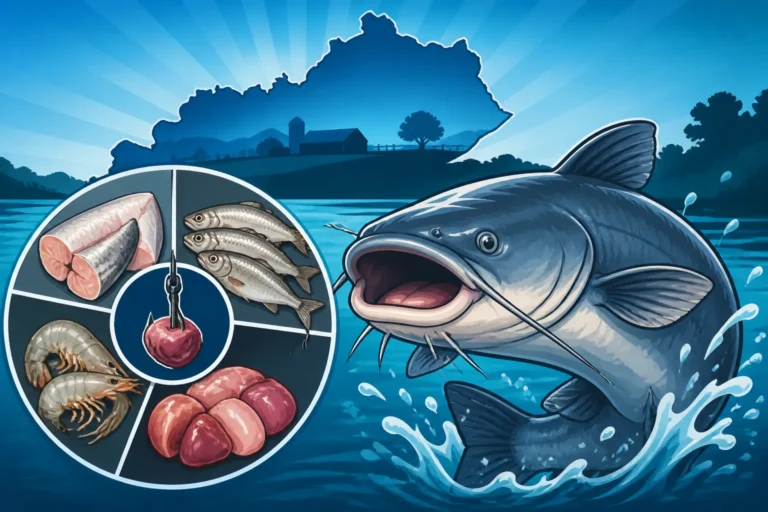
Many of Kentucky's most sought-after game fish become significantly more active after dark. Catfish, in particular, are notorious nocturnal hunters. Channel catfish, blue catfish, and even flathead catfish use their keen senses of smell and touch to navigate and feed efficiently in low light. The Ohio River, for example, comes alive with huge catfish after the sun sets. But it’s not just catfish; crappie often move up into shallow brush piles and around docks under the cover of darkness, making them easier to target. Even largemouth bass, which can be elusive during bright daylight, will often cruise shallow flats and ambush prey more aggressively at night. The biggest fish often feel safer moving into exposed areas under the cloak of night, giving you a better shot at that personal best. It's truly amazing how the dynamics shift once the light fades.
The Unique Ambiance and Sensory Experience
Beyond the practical fishing advantages, there's an undeniable magic to night fishing. The silence is profound, broken only by the chirping of crickets, the splash of a fish, or the hoot of an owl. The air feels different, cooler and often carrying the scent of damp earth or blooming night flowers. Your other senses become heightened; you learn to "feel" the bite more distinctly through your rod, to listen for subtle disturbances on the water's surface, and to navigate by the stars or the outline of familiar landmarks. It’s an immersive experience that connects you to the natural world in a deeper way than daytime fishing ever could. The glow of a bobber under a headlamp, the sudden tug on your line in the dark – these moments create memories that are truly unforgettable.
Essential Gear for Your Kentucky Night Fishing Adventures
Heading out after dark requires a bit more preparation than your typical daytime trip. You can't just rely on the sun to show you the way, and safety becomes an even bigger consideration. But don't let that overwhelm you; with a few key pieces of gear, you'll be well-equipped for a successful and safe night on the water.
Lighting Solutions: Illuminating Your Workspace
The most obvious necessity for night fishing is light, but not just any light. You need hands-free options and strategically placed illumination that won't spook fish unnecessarily.
- Headlamps: These are non-negotiable. A good headlamp with a red-light option is paramount. White light can attract bugs and disrupt your night vision, but a red light allows you to tie knots, bait hooks, and move around without blinding yourself or alerting fish. Many reputable brands offer excellent headlamps, and you can find a wide selection of reliable models on Amazon. Look for something comfortable, waterproof, and with adjustable brightness settings.
- Lanterns: For ambient light in your boat or at your bank fishing spot, a small, battery-powered LED lantern is ideal. Again, consider models with a red-light setting or dimmable options. These provide enough general light to see your tackle box without being overly bright. Just remember to position them carefully to avoid casting shadows that could trip you up.
- Boat Lights & Navigation: If you're on a boat, ensure all your Kentucky Boat Registration Requirements Explained are met, including proper navigation lights (red/green bow lights, white stern light). It's not just about seeing; it's about being seen by other boaters. For specific tasks like netting a fish, a handheld spotlight can be incredibly useful for a quick burst of intense light, but use it sparingly.
Safety and Navigation: Beyond the Light
Even with good lighting, the dark presents challenges. Being prepared for emergencies and knowing your way around is crucial.
- Life Jackets: This isn't just a suggestion, it's a non-negotiable safety item. Always wear a Coast Guard-approved life jacket, especially when boating at night. Accidents can happen quickly, and the dark makes recovery far more difficult. Children under 12 are required to wear them by law, but for anyone fishing after dark, it's simply good practice. Check out this guide on Kentucky Life Jacket Rules for Kids Under 12 for more details.
- GPS or Chartplotter: If you're on a boat, a reliable GPS unit or chartplotter is vital for navigation, especially on large, complex lakes like Kentucky Lake or Lake Barkley. Knowing your waypoints, depth contours, and hazards is essential when visual cues are limited. Even a basic GPS app on your phone can be a lifesaver, but make sure it's fully charged and perhaps bring a portable power bank.
- First-Aid Kit: A well-stocked first-aid kit is always a good idea, but even more so at night when it's harder to see minor cuts or scrapes. Include bug spray, as mosquitoes and other biting insects can be more prevalent after dark.
- Communication Device: A fully charged cell phone is a must for emergencies. Consider a waterproof case, especially if you're on the water.
Fishing Tackle Adaptations for the Dark
While your basic fishing gear will work, a few tweaks can make your night fishing more efficient and enjoyable.
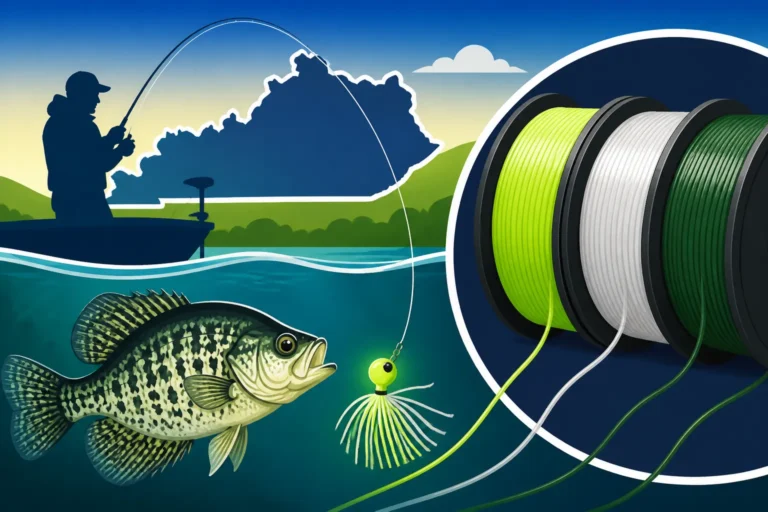
- Glow-in-the-Dark Lures and Lights: Many anglers swear by glow-in-the-dark lures, jigs, and soft plastics for crappie and bass. You can also get small clip-on lights or glow sticks to attach to your bobbers or rod tips, making it easier to detect subtle bites. Amazon has a huge variety of these specialized items.
- Heavy-Duty Line: In the dark, you might not see snags as easily, and fish might fight harder in the low light. Consider using slightly heavier line than usual to minimize break-offs. A good quality braided line can offer increased sensitivity, which is a huge plus when you're relying more on feel.
- Rod Holders: If you're targeting catfish from the bank or a stationary boat, rod holders are invaluable. They keep your rod secure and positioned for easy strike detection, especially if you're using multiple lines.
- Terminal Tackle Organization: Keep your tackle box well-organized. Trying to find a specific hook or sinker in the dark is frustrating. Consider small, clear containers or tackle bags with good internal lighting.
Table: Night Fishing Light Sources for Beginners
| Light Source | Primary Use | Pros | Cons |
|---|---|---|---|
| Headlamp | Hands-free task lighting | Keeps hands free, often has red-light mode, portable | Can attract bugs, can be too bright if not adjusted |
| LED Lantern | Ambient area lighting (boat/bank) | Soft, wide illumination, good for general visibility | Can be bulky, might spook fish if too bright |
| Clip-on Bobber Light | Bite detection (still fishing) | Clearly indicates strikes, small and unobtrusive | Battery life can be short, only for still fishing |
| Blacklight (UV) | Charging glow lures, line detection | Charges glow lures quickly, makes fluorescent line visible | Requires specific line/lures, can be expensive |
| Handheld Spotlight | Temporary, intense illumination | Great for spotting distant objects, netting fish, navigating short distances | Blinding, spooks fish, drains battery quickly if overused |
Master the Techniques: Best Approaches for Night Fishing Success
With your gear squared away, it’s time to talk strategy. Night fishing isn't just daytime fishing after dark; it requires a shift in approach, focusing on different senses and understanding how fish behave when the sun goes down.
Target Species and Their Nighttime Habits
Knowing which fish are most active at night is half the battle. While almost any fish can be caught after dark, some are far more cooperative.
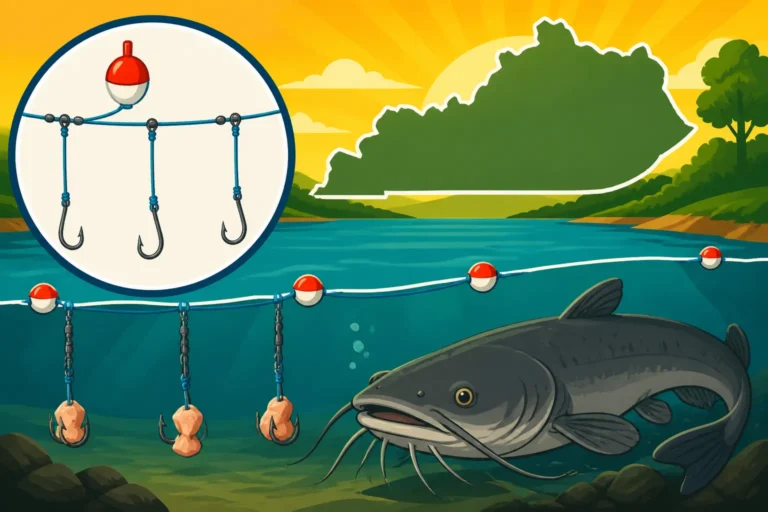
- Catfish: These are the undisputed kings of night fishing in Kentucky. Channel, blue, and flathead catfish are voracious nocturnal predators. They'll often move into shallower areas, flats, and along river channels to ambush prey. For targeting these giants, live bait like shad or sunfish, or prepared stink baits, are incredibly effective. You can learn more about Night Fishing Techniques for Catfish to really dial in your approach. On the Ohio River, for instance, you'll find anglers setting up elaborate trotlines or jug fishing rigs, but even a simple bottom rig with a stout rod can yield impressive results.
- Crappie: As mentioned earlier, crappie often school up around artificial lights (more on this in a moment) or move into shallow brush piles and under docks at night. Small jigs tipped with minnows or soft plastics are deadly. Focus on vertical presentations and slow retrieves, as crappie aren't usually chasing aggressively in the dark.
- Bass: While not as consistent as catfish, bass can offer incredible night fishing action, especially for larger specimens. Look for them cruising shallow points, humps, and weed lines. Dark-colored jigs, spinnerbaits with large thumping blades, and slow-moving topwater lures (like Jitterbugs or buzzbaits) can trigger explosive strikes. The key is to create a strong silhouette and vibration.
- Walleye and Sauger: In some Kentucky waters, particularly below dams or in deeper, cooler lakes like Lake Cumberland, walleye and sauger can be caught at night. They often relate to structure and are attracted to slow-trolled crankbaits or vertical jigging presentations with glow lures. The Best Time to Catch Sauger at Kentucky's Lake Barkley often extends into the evening and early morning hours.
Strategic Use of Light on the Water
This is where it gets interesting. While you need light to see, you can also use light to attract fish.
- Submersible Fishing Lights: These green or white lights are incredibly popular for crappie and sometimes bass. Dropped into the water, they attract plankton, which attracts baitfish (like shad and minnows), which in turn attracts crappie, bass, and even catfish. Position them off the side of your boat or dock and give it some time – sometimes an hour or more – for the ecosystem to build. This method is particularly effective on large reservoirs.
- Avoid Over-Illumination: While some light can be good, too much light, especially bright white light directly into the water, can spook fish. Use your headlamp's red light or a dim lantern for most tasks. When you need a bright light (e.g., to net a fish), use it quickly and efficiently. Think stealth.
Embracing Your Other Senses
Since sight is diminished, you'll need to rely more heavily on feel and hearing.
- Feel the Bite: Use sensitive rods and reels. A medium-heavy spinning or baitcasting combo with a good quality braided line can transmit even the subtlest tap. Instead of watching your line for movement, focus on feeling for any unusual weight, twitch, or slackening. This is a skill that improves with practice, but it's incredibly rewarding when you master it.
- Listen to the Water: Pay attention to any splashes, swirls, or baitfish jumping. These sounds often indicate active predators. On a quiet night, you can often pinpoint exactly where a bass just busted a school of shad or a catfish is slurping something off the surface.
- Slow Down Your Presentation: Fish might be less inclined to chase fast-moving baits in the dark. Slower retrieves, longer pauses, and subtle movements often prove more effective. Give the fish time to locate your bait using their lateral lines and other senses.
Safety and Comfort: Navigating the Darkness on Kentucky Waters
Night fishing, while rewarding, comes with inherent risks. Being prepared for the unique challenges of the dark is paramount for a safe and enjoyable experience. Always prioritize safety over catching fish.
Navigating in Low Light Conditions
Even if you know a lake like the back of your hand during the day, nighttime changes everything. Familiar landmarks disappear, and distances can be deceiving.
- Know Your Water: If you're a beginner to night fishing, start on a body of water you're intimately familiar with during the day. Know where the submerged timber, rock piles, and shallow areas are. Consider marking them on your GPS beforehand. Trying a new lake at night for the first time is just asking for trouble.
- Reduced Speed: If you're operating a boat, drastically reduce your speed. Collisions with other vessels, submerged objects, or even swimming wildlife are far more likely in the dark. Always maintain a vigilant lookout.
- Buddy System: It's always a good idea to fish with a partner, especially at night. There's safety in numbers, and an extra set of eyes and hands can be invaluable in an emergency. If you must go alone, always tell someone where you're going and when you expect to return. This is part of a comprehensive Kentucky Boating Safety Gear Checklist.
Environmental Awareness and Preparedness
The natural environment can be beautiful at night, but it also presents its own set of challenges.
- Weather Changes: Nighttime temperatures can drop quickly, even after a hot day. Always bring extra layers of clothing, a waterproof jacket, and even a blanket. A sudden storm can be disorienting and dangerous in the dark, so always check the forecast thoroughly before heading out.
- Wildlife Encounters: You're sharing the water with more than just fish. Raccoons, opossums, snakes, and even larger animals can be more active at night. Be aware of your surroundings, keep your food secure, and avoid cornering any animals.
- Bug Protection: Mosquitoes and other biting insects thrive in the cool, damp air of the night. Generously apply insect repellent. Some anglers even wear light-colored long sleeves and pants to minimize exposed skin.
Maintaining Comfort and Focus
A long night of fishing can take its toll if you're not comfortable.
- Comfortable Seating: Whether you're in a boat or on the bank, a comfortable seat can make a huge difference, especially during those long waits for a bite.
- Hydration and Snacks: Bring plenty of water and easy-to-eat snacks. Staying hydrated and fueled will help you stay alert and focused throughout the night.
- Recharging Batteries: Ensure all your electronic devices have fresh batteries or are fully charged. Carry spare batteries for your headlamp, flashlight, and any other battery-powered gear. A portable power bank (easily found on Amazon) for your phone or other USB-charged devices is a smart move.
- Know Your Limits: Night fishing can be exhilarating, but it can also be tiring. Don't push yourself too hard. If you start feeling drowsy or disoriented, it’s time to pack up and head home. There's always another night to fish.
Night fishing in Kentucky is an experience unlike any other. It offers tranquility, the thrill of catching active fish, and a unique connection to the wild. By understanding the advantages, equipping yourself with the right gear, adapting your techniques, and prioritizing safety, you'll open up a whole new world of angling opportunities. So grab your headlamp, pack your gear, and get ready to cast your line under the Kentucky stars. You might just find your new favorite way to fish.
Disclaimer
This article is for general informational purposes only and does not constitute professional advice. Laws, prices and regulations vary by location and change over time. Consult a qualified professional for guidance on your specific situation.