Easy Bluegill Fishing Tips for Beginners
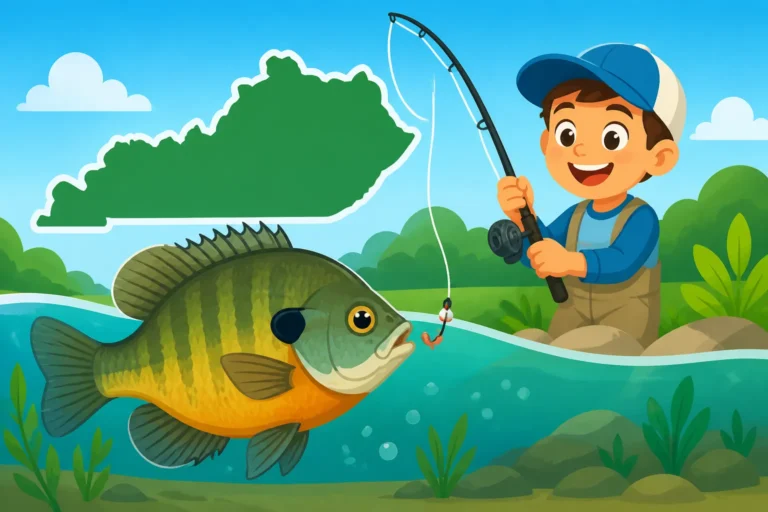
Oh, the humble bluegill! If you've ever tried to take a child fishing, or even just dipped your own toe into the world of angling, you've probably faced the frustration of not knowing where to start or what to use. It can feel overwhelming with all the fancy gear and complex techniques out there. But trust me, bluegill fishing doesn't have to be complicated. This guide is all about taking the guesswork out of it, giving you simple, actionable tips to make your first bluegill fishing adventure in Kentucky a fun and successful one, perfect for any beginner, young or old.
Understanding Bluegill: Why They're Perfect for Beginners
When you're starting out in fishing, you want to catch something, right? There's nothing worse than sitting for hours without a nibble, especially when you have eager kids along. That's where bluegill shine. They are, quite honestly, the unsung heroes of beginner fishing, and Kentucky waters are absolutely teeming with them.
Bluegill Basics: What Makes Them So Accessible?
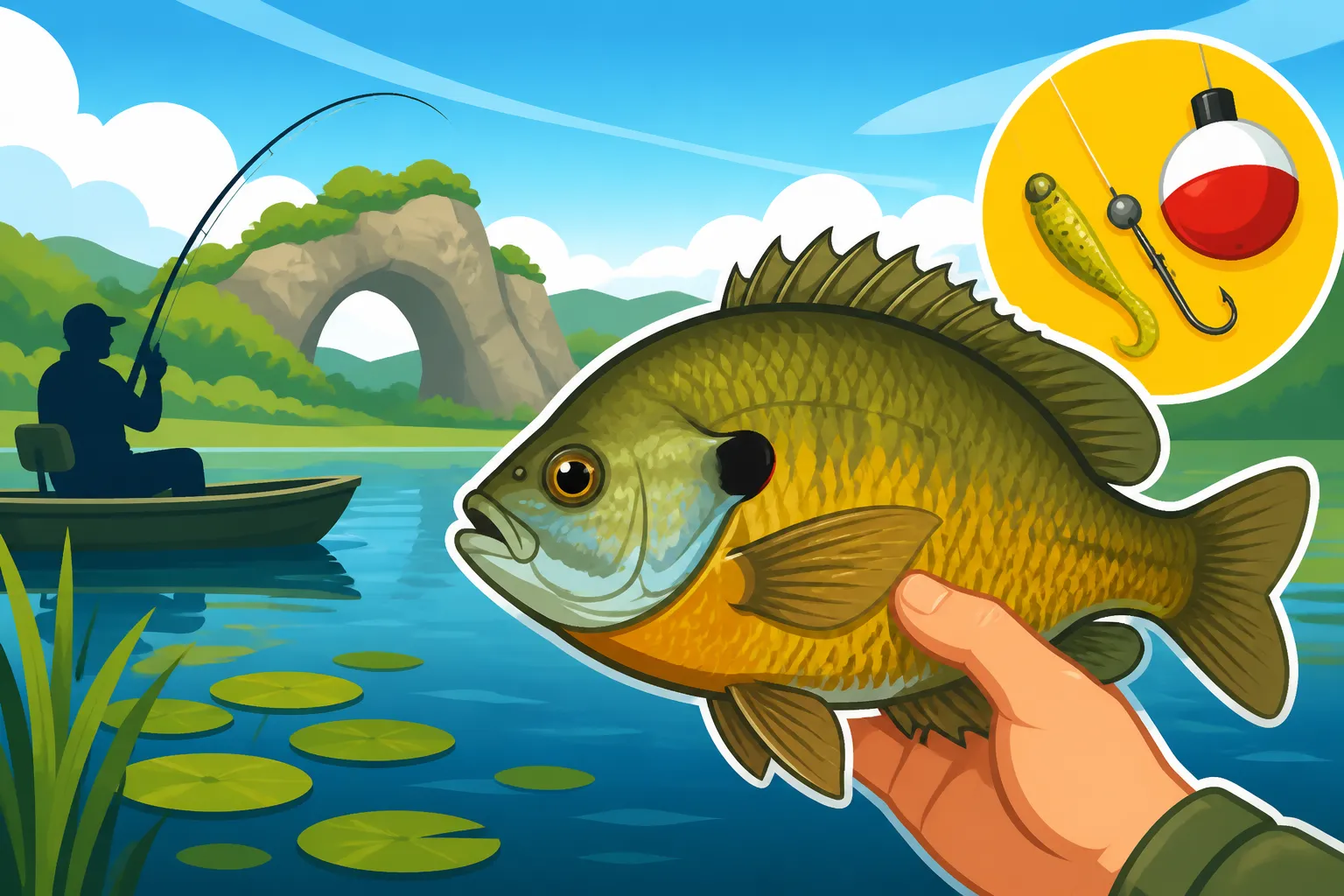
Bluegill are just fantastic little fish. They're part of the sunfish family, known for their distinctive black spot on their gill flap and often a vibrant blue-green hue, especially the males during spawning. What makes them so perfect for new anglers? A few key things:
First, they are incredibly abundant. You'll find bluegill in almost every pond, lake, and slow-moving stream across Kentucky. You don't need to hunt for some elusive, rare species. They're everywhere, and that dramatically increases your chances of getting a bite. This abundance means you're not just casting and hoping; you're casting into waters that likely hold a healthy population of willing biters.
Second, they are notoriously willing to bite. Bluegill aren't finicky eaters. They're opportunistic, and if something edible drifts by, they're usually going to investigate it. This makes them ideal for learning the feel of a bite, how to set the hook, and the thrill of reeling in a fish, without the patience-testing waits often associated with other species. Even small children can experience success quickly, which keeps their enthusiasm high! They might not be the biggest fish in the lake, but for their size, they put up a surprisingly feisty fight, making the catch truly enjoyable.
Where to Find Bluegill in Kentucky Waters
Knowing where to cast your line is half the battle when targeting bluegill. These little sunfish are pretty predictable in their habits, which is great news for beginners. They love to hang out in shallower water, often seeking cover and food sources. Think of them like tiny underwater treasure hunters, always looking for a good snack or a safe hiding spot.
The best places to start your search are typically calmer, shallower coves in lakes and ponds, especially those with some kind of structure. What kind of structure, you ask? Docks, fallen trees, brush piles, lily pads, weed beds, and even rocky banks. These spots provide both food and protection from larger predators. If you're fishing from the bank, look for areas where the water is a few feet deep, but not excessively so, and where there's some vegetation or shade nearby. In state parks or public fishing lakes, often the areas around fishing piers are excellent spots, as they tend to concentrate baitfish and provide structure. For more ideas on easy-access locations, check out our guide on Best State Park Fishing Piers in Kentucky or Best Ponds for Bluegill Fishing in Kentucky. If you're on a larger lake, like Kentucky Lake or Lake Barkley, seek out those quiet, protected pockets away from the main channel where the wind and boat traffic are minimal. Bluegill love to school up in these areas, making it possible to catch several from one good spot.
Essential Gear for Your First Bluegill Trip
One of the biggest misconceptions for beginners is that you need a mountain of expensive gear to go fishing. Not true, especially for bluegill! You can get started with very little, and most of it is pretty affordable and easy to find. The key here is simplicity and functionality, not bells and whistles.
Simple Rod and Reel Setups
For bluegill, you really don't need anything fancy. In fact, sometimes simple is better, particularly for kids.
The ultimate beginner setup is the cane pole. Yes, they still exist, and for good reason! A cane pole is essentially a long, flexible stick with a line tied to the end. No reel, no casting mechanism – just drop your bait in. It's incredibly straightforward and teaches the basics of bait presentation and feeling a bite without the complexity of a reel. If you want to dive deeper into this classic method, read our article on How to Catch Bluegill With a Cane Pole.
For something a little more versatile, an ultralight spinning combo is perfect. These combos come with a lightweight rod and a small spinning reel, often pre-spooled with fishing line. They're designed for lighter lures and baits, which is exactly what you'll be using for bluegill. An ultralight setup allows you to feel even the lightest nibble, making it incredibly satisfying when a bluegill takes your bait. You can find excellent, affordable ultralight spinning combos on platforms like Amazon that are perfect for beginners and won't break the bank. Look for a rod in the 5 to 6-foot range with light action.
When it comes to fishing line, stick to something light. A 4 to 6-pound test monofilament line is ideal. It's thin enough to be subtle in the water, but strong enough to handle bluegill and even the occasional larger surprise catch. This lighter line also pairs well with the ultralight gear, ensuring smooth casting and better sensitivity. If you're looking for more guidance on starting gear, our guide on Best Rod and Reel Combo for Beginners offers some great insights.
Basic Tackle Box Essentials
Your tackle box doesn't need to be overflowing with gadgets. For bluegill, a small assortment of key items will cover all your bases. Think minimalist, yet effective.
Here's what you absolutely need:
- Hooks: Small hooks are crucial for bluegill, as they have small mouths. Look for sizes 8, 10, or 12. Aberdeen hooks are a popular choice because they have a fine wire that straightens out when snagged, making them easier to retrieve without breaking your line. Baitholder hooks, with their small barbs on the shank, are also great for keeping live bait like worms secure.
- Sinkers: You'll only need small split-shot sinkers. These are tiny lead weights that you crimp onto your line to help your bait sink and stay in place. Don't use anything too heavy; a few small split-shots are usually enough to get your bait down without overpowering your light tackle.
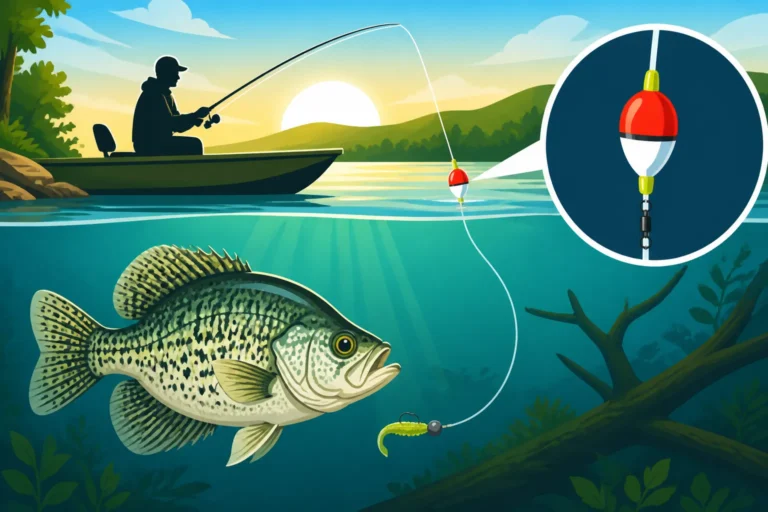
- Bobbers: This is arguably the most exciting part for many beginners! Clip-on bobbers are the simplest – just squeeze and attach to your line. Slip bobbers are a bit more advanced but allow you to fish at a precise, adjustable depth. A slip bobber slides freely on your line until it hits a small knot (a "bobber stop") you've set, allowing you to cast further and fish deeper effectively. Whichever you choose, make sure they're brightly colored so you can easily see them dance when a fish bites. Our article on How to Rig a Bobber for Bluegill Fishing can walk you through the setup.
- Other handy tools: A small pair of pliers or a hook remover is invaluable for safely removing hooks from fish. A small stringer or a bucket to keep your catch fresh if you plan to keep them (always check local regulations first!). And a pair of small clippers for trimming line.
You can often find pre-assembled beginner tackle kits online, for example, on Amazon, which can be a convenient way to get all these basic items in one go.
Best Baits That Bluegill Can't Resist
Bluegill are not picky eaters, which is fantastic news for beginners! They'll go for a wide variety of offerings, both natural and artificial. The key is to present something small enough for their mouth that looks appealing.
Let's break down the most effective baits:
-
Live Bait (The #1 Choice for Beginners):
- Worms: Red wigglers (compost worms) or small pieces of nightcrawlers are bluegill magnets. They wiggle enticingly in the water and are packed with scent. You can often buy them at bait shops or even dig them up in your own backyard after a rain! Just hook a small piece through once or twice, leaving plenty to squirm.
- Crickets/Grasshoppers: These are natural food sources for bluegill, especially around grassy banks. Hook them gently through the collar or behind the head.
- Grubs/Mealworms: Available at pet stores or bait shops, these are excellent small, wiggling baits that bluegill find irresistible.
-
Artificial Bait (For a bit more challenge):
- Tiny Jigs: Micro jigs (1/32 to 1/64 ounce) tipped with a small plastic grub or feather are incredibly effective. You can slowly retrieve them or suspend them under a bobber.
- Small Spinners: Lures like the Rooster Tail or Mepps Aglia in very small sizes (00 or 0) can attract aggressive bluegill. Cast them out and retrieve slowly.
-
Homemade Baits (Budget-Friendly and Effective):
- Corn: A few kernels of canned corn on a small hook can be surprisingly effective. Bluegill are often fed corn in farm ponds, so they recognize it as food.
- Bread Balls: Simply moisten a small piece of bread and roll it into a tight ball around your hook. It's cheap, easy, and bluegill will often gobble it up.
For more detailed information on what bluegill love to eat, check out our guide on Best Bait for Bluegill in Kentucky Ponds.
Easy Techniques for Catching Bluegill
Now that you have your gear and bait ready, let's talk about the fun part: actually catching some fish! These techniques are straightforward and don't require years of experience.
Bobber Fishing: The Classic and Most Effective Method
If there's one technique every beginner should master for bluegill, it's bobber fishing. It’s visual, exciting, and incredibly effective. It's like watching a real-life video game where the bobber is your health bar.
Here’s how it works:
- Rigging: Attach your hook to the end of your line. About 6-12 inches above the hook, crimp on a small split-shot sinker. Then, 1-3 feet above the sinker, attach your bobber. If using a slip bobber, first slide a bobber stop onto your line, then a small bead, then the slip bobber. Tie on your hook, then add the sinker. The bobber stop allows you to adjust the fishing depth by sliding it up or down your line.
- Depth Setting: Bluegill are often in shallower water, especially near cover. Start by setting your bobber so your bait is about 2-4 feet deep. If you're fishing a very shallow area (1-2 feet), adjust it accordingly. You want your bait to be just above any weeds or brush on the bottom.
- Casting: With a cane pole, simply swing your baited hook and bobber gently into a promising spot near a dock, lily pad, or brush pile. If you have a spinning rod, make a gentle cast. You don't need to cast far; often the best bluegill are right near the bank or accessible structure.
- Watching the Bobber: This is where the magic happens! Your bobber will float on the surface. When a bluegill takes your bait, it will often twitch, dip, or suddenly disappear underwater. That's your cue!
- Setting the Hook: When the bobber goes down, give a gentle, quick upward snap of your rod tip. This sets the hook in the fish's mouth. Don't yank too hard, especially with small hooks and light line, or you might pull the hook out.
- Reeling In: Keep steady pressure as you reel the fish in. Bluegill fight surprisingly hard for their size, so enjoy the tug!
Bobber fishing is fantastic because it allows you to easily see when you have a bite, making it perfect for teaching patience and the thrill of the catch.
Simple Bottom Fishing and Light Jigging
While bobber fishing is king, there are other easy ways to catch bluegill, especially if they're holding a bit deeper or are less active.
Bottom Fishing (Tightlining): This method is great for when bluegill are hugging the bottom, perhaps in a slightly deeper hole or on a calm day. Instead of a bobber, you'll simply use a hook, a small split-shot sinker (or a few), and your bait. Cast it out, let it sink to the bottom, and keep a slightly taut line. You'll feel gentle tugs or taps on your rod tip when a fish bites. This method works well from the bank or a boat.
Light Jigging: If you're feeling a bit more adventurous, light jigging can be very effective, especially with those tiny jigs mentioned earlier. Tie on a 1/32 or 1/64 ounce jig, perhaps tipped with a small piece of worm or a plastic grub. Cast it out and let it sink. Then, slowly lift and drop your rod tip, creating a subtle jigging motion that makes the lure "swim." Bluegill often strike as the jig falls. This technique can be done without a bobber, or you can even suspend a small jig under a slip bobber for a combination approach.
Finding Bluegill Beds: A Secret to Success
Here’s a tip that can seriously level up your bluegill game: find a bluegill bed! These are essentially bluegill spawning areas, and when you find one, you've hit the jackpot.
Bluegill typically spawn in late spring and early summer, often coinciding with the full moon cycles during these months. They create circular, shallow depressions in the lake or pond bottom, usually clustered together. Think of them as tiny, saucer-shaped nests.
How to spot them:
- Visually: Look for light-colored, sandy-bottomed circles in shallow water, often in protected coves or along gradually sloping banks. You might even see the bluegill themselves, swimming over the beds, guarding their eggs.
- By smell: This might sound odd, but bluegill beds often give off a distinct, fishy smell, particularly on calm, warm days when you're close to the water. Some anglers describe it as a fresh watermelon scent, others as more distinctly fishy. Once you smell it, you'll know it!
- By activity: If you catch one bluegill from a certain shallow area, keep casting there. Chances are, if there's one, there are many more in a nearby bed.
Once you locate a bed, you can expect consistent action. The bluegill will be actively protecting their nests and aggressively striking anything that comes too close. Just be mindful during this sensitive time and consider practicing catch and release for some of the fish to help ensure future generations. Our article on How to Find Bluegill Beds in Spring has even more detail on this fantastic technique.
Planning Your First Kentucky Bluegill Adventure
Getting out on the water in Kentucky is an experience in itself, and bluegill fishing offers a perfect entry point. A little planning goes a long way to ensure your trip is enjoyable and hassle-free.
Choosing the Right Fishing Spot
Kentucky boasts an incredible array of fishing opportunities, from vast reservoirs to intimate farm ponds. For bluegill, you want somewhere that's easily accessible and not too intimidating.
- Public Ponds and Small Lakes: Many towns and state parks in Kentucky have smaller, well-maintained ponds or lakes that are stocked and managed for easy fishing. These often have good bank access, fishing piers, and amenities like restrooms and picnic areas, making them ideal for families and beginners. These spots are often brimming with bluegill!
- Accessible Coves on Larger Lakes: If you're near a major lake like Lake Cumberland, Lake Barkley, or Taylorsville Lake, look for those calm, sheltered coves. They offer a great chance to experience a larger body of water without dealing with heavy boat traffic or deep-water challenges. Look for areas where the water looks calm and has visible structure like lily pads or overhanging trees.
- Creek Eddies: Even some slow-moving creeks can hold good bluegill, especially in eddies or slower pools where the water isn't rushing.
Always prioritize safety and convenience. Easy parking, safe bank access, and minimal obstacles make for a more relaxing and enjoyable first experience. You can find more specific locations in guides like Best Ponds for Bluegill Fishing in Kentucky or by checking your local county park listings.
Getting Your Kentucky Fishing License
This is absolutely crucial. You must have a valid Kentucky fishing license if you are of a certain age. It's a fundamental responsibility of every angler to support conservation and abide by the law. Fishing without one can lead to fines and spoil your day.
Generally, anyone age 16 and older needs a fishing license in Kentucky. However, there are exceptions for younger anglers, so it's always best to check the specifics. You can easily purchase your license online through the Kentucky Department of Fish and Wildlife Resources website, or at many sporting goods stores, county clerks' offices, or bait shops. It's usually a quick and painless process.
To make sure you're squared away, I highly recommend checking out our comprehensive Kentucky Fishing License Guide. It covers everything you need to know about purchasing and understanding your license. You can also find detailed information on Kentucky Fishing License Requirements for Kids to ensure all your young fishing companions are good to go.
Maximizing Your Enjoyment and Keeping It Simple
The most important tip for any beginner, especially when bluegill fishing, is to focus on the experience, not just the catch count.
- Manage Expectations: It's fishing, not catching. Some days are better than others. Go with the mindset of enjoying nature, spending time outdoors, and learning. If you catch fish, that's a bonus!
- Comfort is Key: Bring plenty of water, snacks, sunscreen, insect repellent, and comfortable seating (a folding chair is a game-changer for bank fishing). A hat and sunglasses are also great for spotting bobber action and protecting your eyes.
- Take Photos: Capture those smiles and first catches! These memories are what fishing is all about.
- Catch and Release (or Keep a Few): Bluegill are delicious! If you plan to keep some for a fresh fish fry, make sure you know the local regulations on daily limits. However, consider releasing some, especially the larger ones, to help maintain a healthy population. If you're fishing with kids, teaching them the importance of responsible angling is a wonderful lesson. For ideas on what other species are fun for kids, check out Kid-Friendly Fish to Catch in Kentucky.
Remember, bluegill fishing is an incredible way to introduce yourself or others to the joys of the outdoors and the simple pleasure of a tug on the line. It's about connecting with nature, creating memories, and experiencing the thrill of the catch without all the pressure. So grab a simple rod, some worms (you can even find tackle, lures, and line on Amazon), find a quiet spot, and get ready to enjoy some easy bluegill fishing in Kentucky!
Bluegill Bait Comparison
Here's a quick comparison of some popular bluegill baits to help you choose for your next trip:
| Bait Type | Pros | Cons | Best For | Cost | Ease of Use |
|---|---|---|---|---|---|
| Red Wigglers | Highly effective, strong scent, affordable | Can be messy, need live storage | All bluegill, especially smaller ones | Low | Easy |
| Nightcrawlers | Larger size, good for bigger bluegill | Can be too big; cut into pieces | Larger bluegill, other panfish | Low | Easy |
| Crickets | Excellent natural bait, enticing movement | Harder to keep alive, can jump off hook | Aggressive bluegill, clear water | Medium | Medium |
| Mealworms/Grubs | Clean, easy to store, good movement | Less common, sometimes harder to find | Picky bluegill, smaller hooks | Medium | Easy |
| Canned Corn | Cheap, clean, easy to use | Less scent than live bait, less action | Farm ponds where bluegill are fed, beginners | Very Low | Very Easy |
| Bread Balls | Very cheap, always available | Can fall off hook easily, less durable | Quick improvised bait, calm water | Very Low | Easy |
| Tiny Jigs | Reusable, can cover water, active fishing | Requires some technique, less scent | Active bluegill, varied depths | Medium-High | Medium |
| Small Spinners | Attracts aggressive fish, covers water | Can snag, requires retrieve technique | Aggressive bluegill, larger water | Medium-High | Medium |
Disclaimer
This article is for general informational purposes only and does not constitute professional advice. Laws, prices and regulations vary by location and change over time. Consult a qualified professional for guidance on your specific situation.