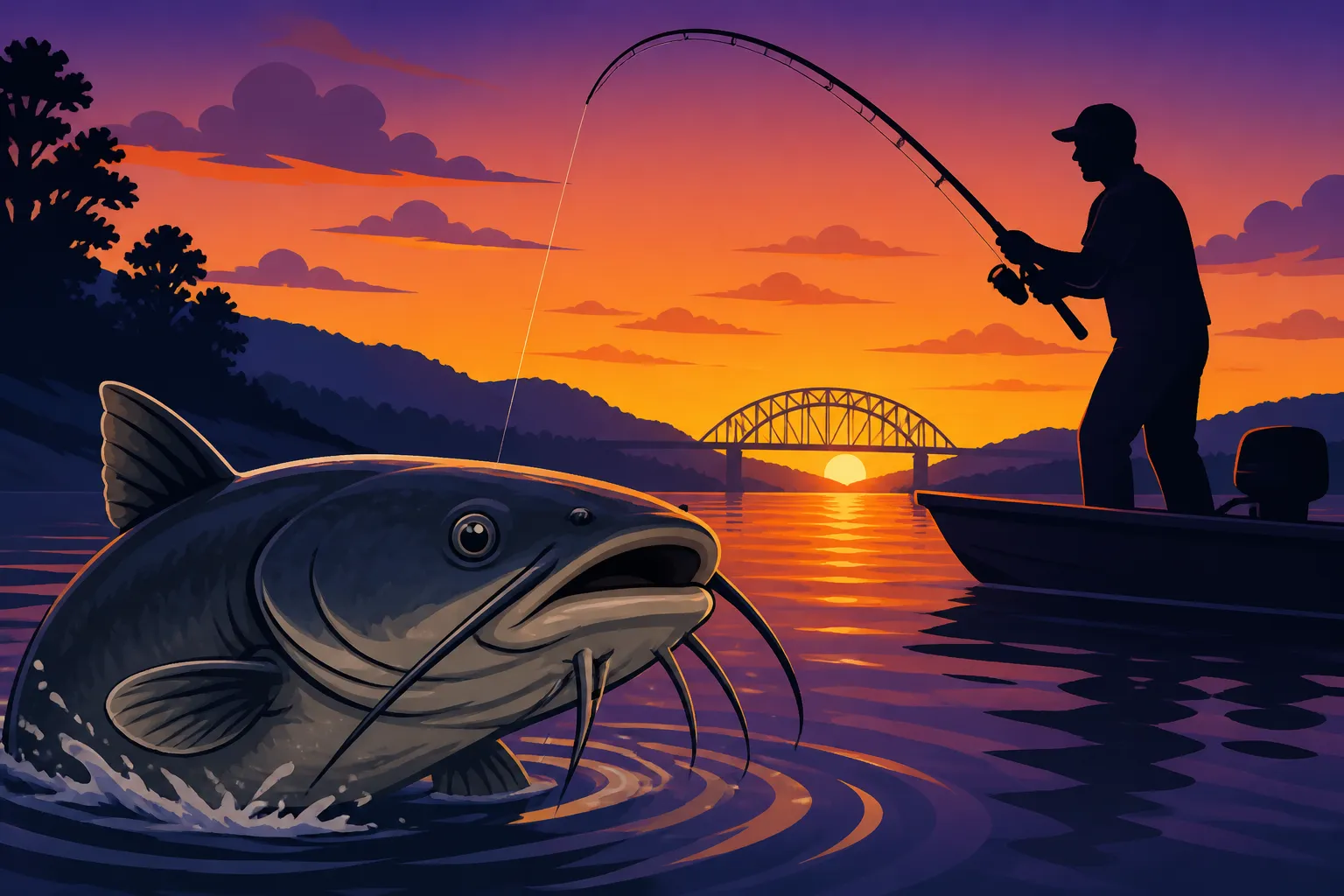
How to Fish for Catfish at Dusk
There's a special kind of magic that settles over Kentucky's lakes and rivers as the sun dips below the horizon, painting the sky in fiery hues. But for many anglers, this isn't just a picturesque moment; it's the beginning of prime time for one of the state's most beloved game fish: the catfish. If you've ever struggled to land those big whisker fish during the heat of the day, or just wondered why your bites slow down as noon approaches, then fishing for catfish at dusk is about to become your new secret weapon. This guide will walk you through everything you need to know to transform those fading daylight hours into your most productive catfishing adventures.
Why Dusk is Prime Time for Catfish
Let's be honest, fishing in the scorching midday sun can be tough. The fish seem to disappear, and the only thing biting is the humidity. But as that golden hour approaches, and the light starts to fade, a switch flips for catfish. They become more active, more aggressive, and generally much more willing to bite your line. Understanding why this happens is key to exploiting it.
Catfish Behavior Shifts After Sundown
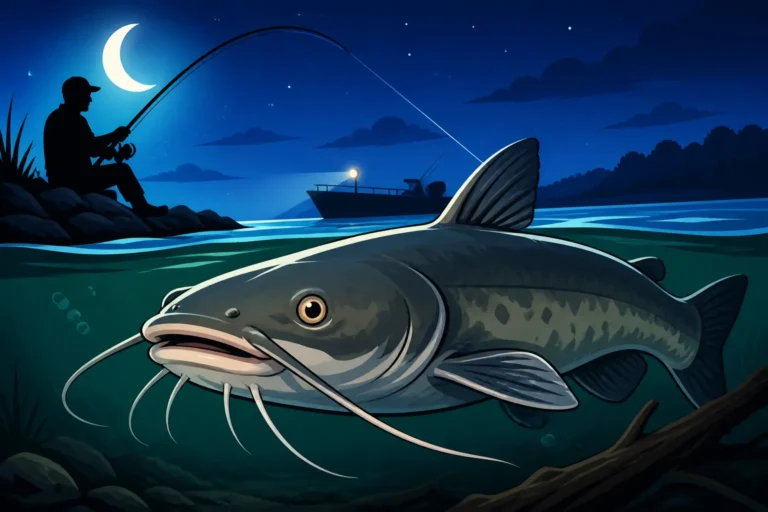
Catfish, particularly the larger channel, blue, and flathead varieties, are largely nocturnal or crepuscular feeders. That's a fancy way of saying they prefer to hunt and eat during low-light conditions, like dusk, dawn, and through the night. Think about it: their senses are perfectly adapted for it. They have those long, sensitive whiskers (barbels) to detect food in murky water or complete darkness, and an incredible sense of smell. When the sun is high and bright, they often retreat to deeper, darker holes, under heavy cover, or to areas with less light penetration. But as dusk falls, that security blanket of darkness spreads across the water, and they feel much more confident venturing out into shallower foraging grounds. This behavioral shift is a huge advantage for anglers who know how to capitalize on it. You're essentially fishing during their dinner rush!
Prey Movement and Water Temperature Changes
It's not just the catfish that respond to the fading light; their prey does too. Smaller baitfish, crawfish, and other aquatic critters often become more active and less cautious as the bright light subsides. This means a buffet is opening up, and the catfish are ready to feast. Picture a school of shad moving into shallower coves on Kentucky Lake as the shadows grow long, or a crawfish scuttling across a rock pile in the Ohio River. These movements create scent trails and vibrations that catfish are acutely tuned into.
Beyond prey activity, water temperature also plays a role, especially during the warmer months. Throughout the day, surface waters can get quite warm, which can make some catfish a bit lethargic. As evening cools the surface, it creates a more comfortable environment for catfish, encouraging them to move up from the deeper, cooler thermocline layers. This vertical movement makes them much more accessible to anglers fishing from the bank or in shallower spots where they might not have been during the middle of the day.
Reduced Angler Pressure
Here's another fantastic benefit of fishing for catfish at dusk: you often have the water mostly to yourself. Many fair-weather anglers pack up their gear as the sun starts to dip, heading home for dinner or to avoid navigating in the dark. This significantly reduces fishing pressure on your chosen spot. Less boat traffic, fewer casting lines, and generally more peace and quiet mean the catfish are less likely to be spooked. On popular spots like those found in a guide to the Best Catfish Fishing Spots on Kentucky's Ohio River, this can make a huge difference. Imagine having that prime river bend or brush pile all to yourself while everyone else is at home. It’s a tranquil and often very productive experience.
Essential Gear and Baits for Dusk Catfishing
Stepping out for a twilight catfishing session means you need to be prepared. While much of your standard catfishing gear will work, there are some specific considerations and items that will make your dusk-to-dark transition much smoother and more successful.
Rods, Reels, and Line Strength
When you're fishing for catfish, especially at dusk, you're often targeting larger, stronger fish that can put up a serious fight. You'll want a heavy-action or medium-heavy spinning or baitcasting rod, typically 7 to 9 feet long. This length gives you good leverage for casting heavier baits and rigs, and for controlling powerful fish. Match this with a sturdy reel that has a smooth drag system and high line capacity. Look for reels in the 4000 to 6000 size range for spinning, or conventional reels with similar line capacity. A good quality reel will be your best friend when a big blue cat decides to make a run for it. You can find excellent options on Amazon for all budgets.
For line, don't skimp on strength. Monofilament lines in the 20-30 pound test range are a popular choice due to their abrasion resistance and shock absorption. However, many anglers prefer braided line for its incredible strength-to-diameter ratio and lack of stretch, which provides excellent sensitivity. If you go with braid (30-65 pound test), consider adding a monofilament or fluorocarbon leader to provide a bit of stretch and invisibility, especially if the water is clearer. You’re going to be pulling against some serious muscle, so make sure your line is up to the task.
Rigs and Terminal Tackle
Simplicity and strength are the names of the game for catfish rigs. The most common and effective setups for dusk fishing include:
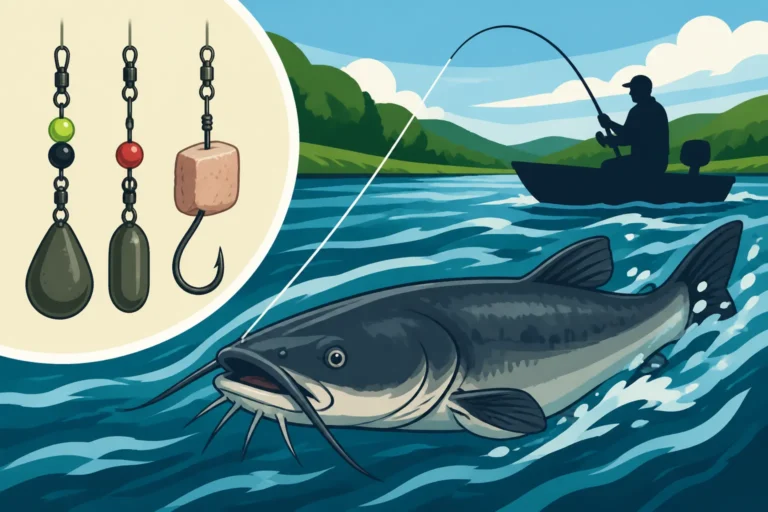
- Slip Sinker Rig (Carolina Rig): This is probably the most popular choice for bottom fishing. It consists of a barrel swivel tied to your main line, with an egg sinker or similar slip sinker sliding freely above it. Below the swivel, you'll have a leader (12-24 inches) tied to a strong hook. The slip sinker allows the fish to pick up the bait and run without feeling the weight of the sinker, giving you a better hookset.
- Three-Way Swivel Rig: Ideal for fishing in current or presenting multiple baits. You tie your main line to one eye of the three-way swivel, a leader with your hook to another, and a short leader (6-12 inches) with a pyramid or flat sinker to the third. This keeps your bait near the bottom but slightly elevated from snags.
- Float Rig (Bobber Rig): While often associated with panfish, a heavy-duty float rig can be incredibly effective for suspending bait just off the bottom or over submerged cover, especially in calmer waters at dusk. Use a large bobber that can support the weight of your bait and sinker.
For hooks, opt for sturdy, sharp circle hooks or octopus hooks in sizes ranging from 4/0 to 8/0, depending on the size of your bait and target species. Circle hooks are fantastic for catfish because they are designed to hook in the corner of the fish's mouth, minimizing gut hooks and making release easier if you’re not keeping your catch.
Baits for the Twilight Feast
Choosing the right bait can make or break your dusk catfishing trip. Catfish are opportunistic eaters and will often hit a variety of offerings, but some stand out as evening favorites. For more in-depth information, check out our guide on the Best Bait for Channel Catfish Fishing or the Best Bait for Blue Catfish Fishing.
| Bait Type | Best For | Key Characteristics | Dusk Appeal |
|---|---|---|---|
| Cut Bait | Blue, Channel, Flathead | Freshly cut pieces of oily baitfish (shad, skipjack, herring, carp). Strong scent trail. | Mimics injured prey, strong scent is irresistible in low light. |
| Live Bait | Flathead, Large Blue | Small bluegill, sunfish, shad, or large minnows. | Flatheads prefer live, struggling prey; visible movement at dusk. |
| Chicken Livers | Channel, Smaller Blue | Soft, bloody, strong scent. Can be messy to work with. | Classic strong-smelling bait, very effective for channel cats moving shallow at dusk. |
| Prepared Baits | Channel, Smaller Blue | "Stink baits" or "dough baits" specifically formulated for catfish. Various consistencies. | Designed for maximum scent dispersion, great for attracting channel cats. Many options on Amazon. |
| Worms | Channel, Bullhead | Nightcrawlers or red worms. | Readily available, effective for smaller channel cats and panfish by-catch. |
For larger blue and flathead catfish, nothing beats fresh cut bait like shad or skipjack herring. The oil and blood create an irresistible scent trail that catfish can follow even in complete darkness. Live bait, such as small bluegill or sunfish, is particularly effective for flathead catfish, which often prefer live, struggling prey.
Lighting and Comfort
Don't forget the essentials for navigating and seeing in the dark! A good headlamp is non-negotiable. It keeps your hands free for rigging, baiting, and handling fish. A lantern (battery-powered or propane) can provide ambient light for your fishing area, making it easier to see your rods and tackle. You'll find a wide selection of reliable headlamps and lanterns for your next fishing trip on Amazon.
Beyond light, consider your comfort. A comfortable chair, bug repellent (dusk often means mosquitoes and other biting insects are out in force!), and a cooler stocked with drinks and snacks will make your experience much more enjoyable. It’s all about creating a pleasant and functional environment for those magical twilight hours.
Mastering Dusk Catfishing Techniques
Knowing when to fish and what to use is only half the battle. The other half is mastering the techniques to effectively present your bait and capitalize on the catfish's dusk feeding patterns. It's about being strategic with your approach and patient with your efforts.
Locating Productive Dusk Catfish Spots
As the sun sets, catfish often move from their daytime haunts to shallower feeding areas. This means your best dusk spots might be different from your midday spots. Focus on areas that offer easy access to deeper water but also provide opportunities for shallow foraging.
- Current Breaks: On rivers like the Ohio or Cumberland, look for current breaks created by wing dams, rock piles, submerged logs, or river bends. Catfish will sit in the slack water, conserving energy, waiting for food to drift by in the current. These areas are excellent for drifting cut bait or anchoring upstream and letting your bait wash downstream.
- Structure and Cover: Submerged timber, brush piles, rock ledges, and creek channels leading into main lake bodies are prime targets. These spots offer both cover and ambush points. On lakes like Kentucky Lake or Lake Barkley, channel catfish might move into coves with brush piles, while blue catfish will cruise along the edges of old creek channels.
- Shallow Flats Adjacent to Deep Water: Especially during warmer months, catfish will move onto shallow flats or humps to feed at dusk. If you can find a flat that drops off sharply into deeper water, that transition zone is often a hotspot.
- Dam Tailwaters: Below dams, the turbulent water and consistent current concentrate baitfish and create oxygen-rich environments that catfish love. Dusk can be incredibly productive in these areas, as catfish aggressively feed on stunned baitfish passing through the turbines.
When scouting, pay attention to any signs of baitfish activity—splashing on the surface, or ripples from schools of minnows. Where the bait is, the catfish won't be far behind, especially as the light fades. For specific location insights, our guides like Best Catfish Fishing Spots on Kentucky's Ohio River or Best Catfish Holes on Kentucky Lake can be invaluable.
Bait Presentation and Patience
Once you've identified your target area, presenting your bait effectively is crucial. The slip sinker rig is a go-to for bottom fishing, allowing your bait to rest naturally on the bottom while the sinker holds it in place. Cast your rig out and let it settle. If you're in a boat, you might consider setting out multiple lines with different baits at varying distances and depths to cover more water and see what the fish are preferring that evening.
Patience is a virtue, especially in catfishing. Unlike bass fishing where you're actively working a lure, catfishing often involves a lot of waiting. Give the fish time to find your bait. Catfish rely heavily on scent, and it takes time for the scent plume from your bait to disperse and attract fish. Don't be too quick to reel in and recast unless you suspect you're in a non-productive spot or have a snag. A good strategy is to cast out, secure your rod in a rod holder, and watch for any subtle tugs or taps. Sometimes, a catfish will just slowly "mouth" the bait before committing. For more on the art of waiting, consider our article on How to Catch Catfish After Dark.
Handling Fish in Low Light
Landing a feisty catfish in low light requires a bit of extra care. Always have a large, sturdy landing net ready. Once you've hooked a fish and fought it to the bank or boat, use your headlamp to illuminate the area. Be cautious with catfish, especially flatheads, as they can have sharp spines on their dorsal and pectoral fins that can cause painful punctures. Gloves are highly recommended for handling.
If you plan to release the fish, minimize its time out of water. Use a dehooking tool or needle-nose pliers to quickly remove the hook. If you're keeping your catch, place it immediately into a livewell or on a stringer. Having a fish gripper can also be a handy tool for securing a slippery catfish without getting poked.
Safety and Comfort for Dusk Fishing
As much as we love the thrill of dusk catfishing, safety should always be your top priority. Fishing as daylight fades into night presents unique challenges that you need to be prepared for, especially on Kentucky's larger waters.
Navigating in Low Light
If you're fishing from a boat, ensure all your navigation lights are in working order before you head out. This isn't just a courtesy; it's a legal requirement and crucial for preventing accidents. Always run at a safe speed, be extra vigilant for other boaters or obstructions, and know the waters you're in. Using a GPS with up-to-date mapping can be incredibly helpful for navigating back to the ramp in the dark, especially on expansive lakes like Kentucky Lake. Even if you think you know a lake like the back of your hand, landmarks can look very different under a moonless sky.
For bank anglers, familiarize yourself with your chosen spot during daylight hours. Identify any potential tripping hazards, steep drop-offs, or uneven terrain. Stick to well-maintained paths and avoid venturing into unknown areas after dark.
Visibility and Personal Safety
Beyond boat lights, consider your personal visibility. Wearing light-colored clothing or even a reflective vest can make you more noticeable to others, whether you're on a boat or fishing from the bank near a road. Always tell someone where you're going and when you expect to return. The buddy system is always a good idea when fishing after dark. Having another person with you means an extra set of eyes and hands in case of an emergency.
Bug Protection and Weather Awareness
As mentioned earlier, dusk is prime time for insects, particularly mosquitoes. A good insect repellent is essential to keep those annoying biters at bay. Long sleeves and pants, even if it's warm, can also offer a layer of protection.
Kentucky weather can change quickly. Even if the forecast looks clear, always keep an eye on the sky as dusk approaches. A sudden thunderstorm can turn a pleasant evening into a dangerous situation very quickly. Have rain gear accessible and know your exit strategy if you need to get off the water or find shelter quickly. A small weather radio can be a lifesaver.
Keeping Your Catch Fresh
If you're planning on keeping your catfish for a delicious meal, you'll need to think about how to keep them fresh until you get home. A cooler filled with ice is your best friend. As soon as you decide to keep a fish, get it on ice. This not only preserves the meat quality but also humanely dispatches the fish. Even if you're only planning to keep a few, having a cooler ready means you won't be caught unprepared. Remember to be mindful of regulations like the Kentucky Catfish Limit: 15 Fish, Only 1 Over 25 Inches to ensure you're fishing legally and sustainably.
Dusk catfishing in Kentucky offers a unique and often rewarding experience. With the right preparation, gear, and techniques, those peaceful twilight hours can become your favorite time to chase those elusive whiskers.
Disclaimer
This article is for general informational purposes only and does not constitute professional advice. Laws, prices and regulations vary by location and change over time. Consult a qualified professional for guidance on your specific situation.