How to Catch Catfish After Dark
There’s a unique frustration that often settles in when the midday sun glares down, making the water still and the fish seem to vanish, especially during those long, hot Kentucky summers. You’ve spent hours sweating on the bank or in the boat, casting repeatedly, only to reel in nothing but your hopes. But what if I told you that the best catfishing often begins just as the sun dips below the horizon? This guide is all about helping you unlock the secrets to successfully catching catfish after dark, transforming those frustrating daylight hours into thrilling, productive night fishing adventures.
Why the Night Shift? Understanding Catfish Behavior After Dark
For many anglers, the idea of fishing in the dark might seem a bit daunting, but for catfish enthusiasts, it's often when the magic truly happens. Catfish, particularly the big ones, are primarily nocturnal feeders. Understanding why they come alive when the lights go out is the first step to becoming a successful night angler.
The Nocturnal Nature of Catfish
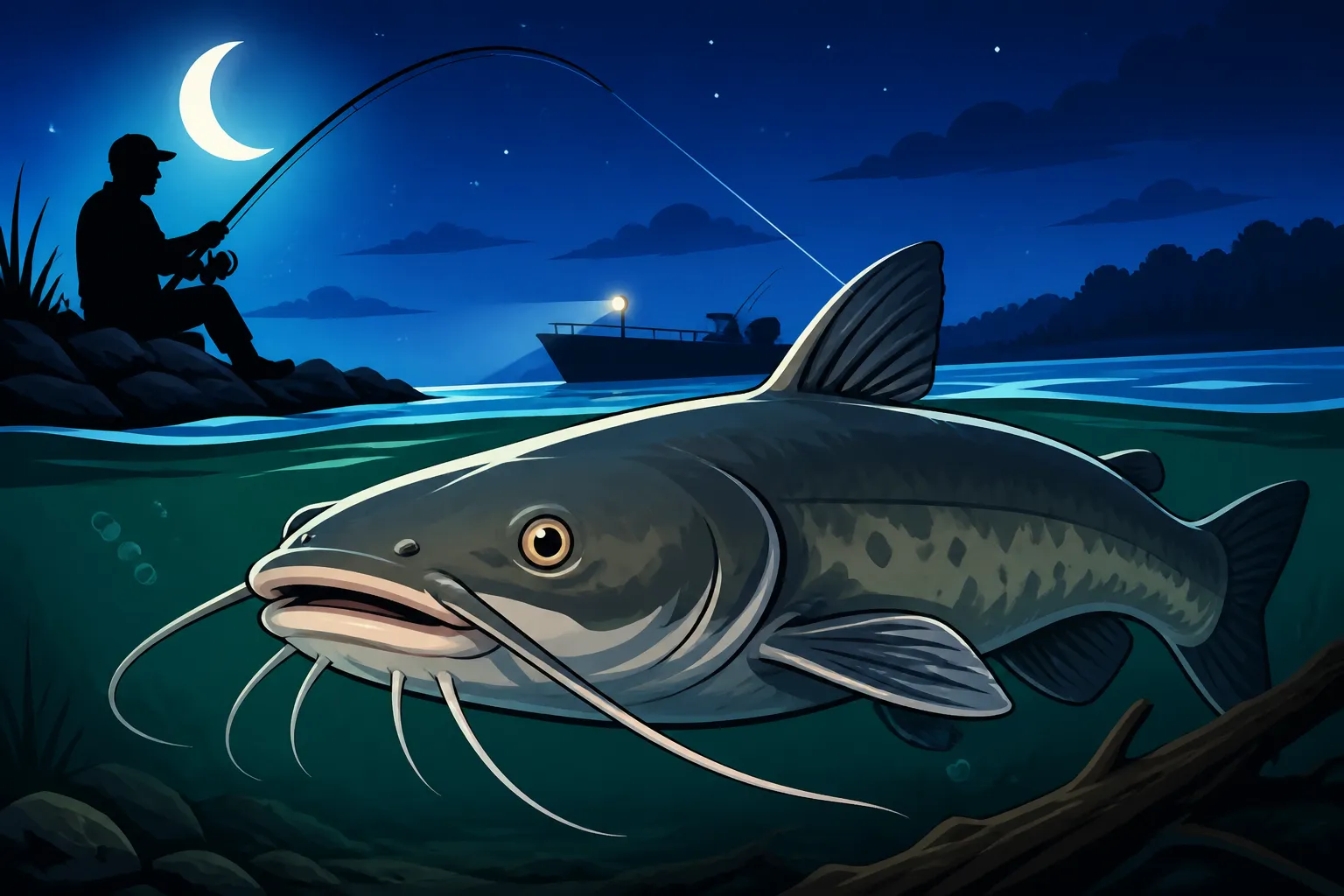
Catfish, especially species like blue and channel catfish, have evolved to thrive in low-light conditions. Their highly developed sense of smell and touch, aided by those distinctive whiskers (barbels), give them a distinct advantage when visibility is poor. During the day, they often retreat to deeper, cooler waters or hide in dense cover, conserving energy and avoiding predators. But as dusk settles and darkness blankets the water, a switch flips. They become more active, moving out of their daytime sanctuaries to forage in shallower areas and along flats. This shift makes them much more accessible and eager to bite. It’s not just a preference; it’s an instinct-driven feeding frenzy that daylight simply can't compete with, especially for those truly trophy-sized fish that become even more wary in broad daylight.
Escaping the Heat and Crowds
Another huge benefit of fishing after dark, especially in the heat of summer, is escaping the scorching Kentucky sun. Not only is it more comfortable for us anglers, but it's also more comfortable for the fish. Cooler water temperatures and the absence of direct sunlight encourage catfish to be more active and less sluggish. Think about it: during a sweltering July afternoon, even a human feels lethargic; fish are no different. The cooler night air and water invigorate them, making them more willing to chase down a meal. Beyond the temperature, night fishing offers a serenity you rarely find during the day. The lakes and rivers, often bustling with pleasure boats, jet skis, and other anglers, become quiet and peaceful. This means less boat traffic to spook fish, fewer lines in the water competing for bites, and a more relaxing, often solitary, fishing experience. It’s a chance to truly connect with the water and the hunt, uninterrupted.
Essential Gear for Your Nocturnal Catfish Adventure
When you’re out on the water after the sun has set, having the right gear isn’t just about comfort; it’s about safety and efficiency. Night fishing demands a slightly different approach to your tackle box and personal setup than your typical daytime excursion. You need to be prepared for reduced visibility and potential hazards.
Lighting the Way: Headlamps and Lanterns
Your number one essential for night fishing is reliable lighting. A good quality headlamp is absolutely non-negotiable. It allows you to keep both hands free for baiting hooks, tying knots, and handling fish, all while illuminating exactly where you need it. Look for headlamps with multiple brightness settings and, ideally, a red light option. Red light preserves your night vision better than white light, which is crucial when you need to switch between tasks and scan the water. You can find excellent, waterproof options on Amazon that offer long battery life.
In addition to your headlamp, a portable lantern can be a game-changer for illuminating your fishing area or boat. A small LED lantern can provide ambient light for your tackle box, cooler, or even a small camp chair, making it easier to see your gear without having to constantly swing your headlamp around. Just be mindful of how much light you're casting directly into the water, as excessive light can sometimes spook fish in shallower areas. Strategically placing your lantern can provide enough visibility without creating a harsh glow on the water.
Rods, Reels, and Line for the Night Bite
For after-dark catfishing, your rod and reel setup should be robust and reliable. You're often targeting larger fish that fight hard, and you need gear that can handle the strain in challenging conditions. Many anglers prefer a medium-heavy to heavy action rod, typically 7 to 9 feet long, paired with a sturdy baitcasting or spinning reel spooled with strong, abrasion-resistant monofilament or braided line. When considering your setup, remember that line visibility isn't as critical at night, so focus on strength and sensitivity. You might find some excellent choices on Amazon if you're looking to upgrade.
A key consideration for night fishing is having rod holders. Whether you're fishing from the bank or a boat, secure rod holders prevent your rod from being dragged into the water by a hard-hitting catfish. They also allow you to set multiple lines, increasing your chances of a bite. For boat anglers, consider using rod holders that are easily adjustable. For bank anglers, sturdy bank sticks or tripod holders are invaluable. You don't want to be fumbling around in the dark trying to adjust your rod or worrying about losing it if a monster strikes. For more on the right tools, check out our guide on the Best Rod and Reel Combo for Catfish Fishing.
Comfort and Convenience on the Bank
Don't underestimate the importance of comfort and convenience when you're settling in for a long night of fishing. A comfortable chair is paramount, especially if you plan to wait out some long stretches between bites. Folding chairs designed for camping or fishing, often with built-in cup holders, can make a huge difference in your enjoyment. A cooler stocked with drinks and snacks is also a must, along with bug spray, because Kentucky nights can bring out the mosquitoes.
A well-organized tackle box or bag is also crucial. At night, you don't want to be rummaging around blindly for hooks, weights, or tools. Consider a tackle box with clear, compartmentalized trays or a bag with multiple pockets. Pre-tying some common rigs, like the ones discussed in Best Catfish Rigs for the Ohio River, before you head out can save you a lot of time and frustration in the dark. Lastly, bring a small landing net or a pair of sturdy fish grippers; safely handling a large catfish in the dark requires careful preparation.
Mastering Baits and Rigs for After-Dark Success
Catfish rely heavily on their sense of smell at night, making bait choice even more critical. They’re less likely to visually identify prey, so a strong scent trail is your best friend. Similarly, your rig needs to present that bait effectively and withstand the powerful runs of a nocturnal cat.
Choosing the Right Night Bait
When the sun goes down, catfish are on the prowl, and they're looking for an easy, pungent meal. This is where smelly, natural baits really shine. Cut bait, like shad, skipjack, or even potent store-bought varieties, is often king. The oils and blood seep into the water, creating an irresistible scent trail that draws catfish from a distance. Experiment with different sizes; sometimes a large chunk of cut bait is what it takes to tempt a trophy blue cat. For more detailed insights, take a look at our guides on Best Bait for Channel Catfish Fishing and Best Bait for Blue Catfish Fishing.
Live baits, such as bluegill, sunfish, or large minnows, can also be incredibly effective, particularly for flathead catfish, which prefer live prey. The distress signals and movements of a live baitfish are hard for a predatory flathead to ignore in the dark. If you're using live bait, make sure it's legal in your area and that your hook presentation allows the bait to swim naturally. Don't forget about prepared baits, often referred to as "stink baits" or "punch baits." These gooey, potent concoctions are specifically designed to attract catfish with their powerful odors. Some anglers swear by their effectiveness, especially for channel catfish. You can find many varieties, like those mentioned in Using Stink Bait for Catfish Fishing, at local tackle shops or online.
Effective Night Fishing Rigs
The best rigs for night catfishing are often the simplest and most robust. The goal is to present your bait in a natural way while ensuring your tackle can handle a strong bite and fight.
Bottom Rigs: These are your bread and butter for night catfishing.
- Carolina Rig (or Slip Sinker Rig): This is probably the most popular rig for catfishing. It consists of a slip sinker (egg sinker or no-roll sinker) on your main line, followed by a bead (to protect the knot) and then a swivel. A leader, typically 12-24 inches long, is tied to the other end of the swivel, and your hook goes on the end of the leader. This rig allows the fish to pick up the bait and run with it without feeling the weight of the sinker, giving you a better hookset.
- Santee Cooper Rig: This is a variation of the Carolina rig that's excellent for fishing cut bait off the bottom. It adds a small float (often a peg float or crappie float) to the leader between the swivel and the hook. This float lifts the bait slightly off the bottom, making it more visible to catfish and keeping it out of debris. This is particularly useful in slightly muddy or snag-prone areas.
Float Rigs: When catfish are cruising shallower areas or suspended, a float rig can be incredibly effective.
- Slip Bobber Rig: This rig uses a slip bobber that slides freely on your main line, allowing you to easily adjust your fishing depth without having to change your entire setup. You tie a bobber stop to your line at your desired depth, then thread on the slip bobber, a bead, and then tie on your hook or a small swivel with a leader. This is fantastic for targeting catfish that are feeding just off the bottom or around submerged structure.
- Fixed Float Rig: For very shallow water or when targeting specific depths near structure, a fixed bobber (like a traditional round or pear-shaped bobber) can work well. The bobber is fixed in place, usually a few feet above your hook, keeping your bait at a constant, shallow depth.
Always use strong, sharp hooks appropriate for the size of catfish you expect to catch. Circle hooks are highly recommended as they greatly reduce gut-hooking, making for healthier releases if you're practicing catch and release.
Where to Find Catfish When the Sun Goes Down
Just because catfish are more active at night doesn't mean they're everywhere. You still need to apply some strategic thinking to locate them. Knowing their preferred nighttime haunts can dramatically increase your success rate.
Identifying Prime Nighttime Catfish Spots
When the sun sets, catfish often move from their deep, daytime refuges into shallower, more accessible feeding areas. Think about where baitfish gather or where current brings food. Shallow flats adjacent to deep channels are prime locations. The catfish will move up onto these flats to forage for smaller fish, crawfish, and other edibles. Points, humps, and submerged islands that are close to deep water but have shallower tops are also excellent spots. These underwater structures act like highways for fish moving between deep and shallow areas, and catfish will often ambush prey along their edges.
Areas with submerged cover are also fantastic. Fallen trees, brush piles, rock piles, and even old bridge pilings provide both ambush points and shelter for baitfish, creating a buffet for hungry catfish. Remember, they have an amazing sense of smell, so they don't need to see the bait. They'll follow the scent right into these snaggy areas. For those fishing on larger bodies of water like Kentucky Lake, knowing the nuances of where catfish congregate can make all the difference, especially when considering the Kentucky Lake Summer Catfish Bite.
River and Lake-Specific Hotspots
Kentucky is blessed with incredible catfishing opportunities, from massive reservoirs to winding rivers. Each body of water will have its own specific characteristics that influence where catfish feed at night.
Rivers (like the Ohio River): On rivers, current is key. Catfish often position themselves in eddies, behind submerged structures, or in deeper holes where they can rest out of the main current but still dart out to grab food flowing by. Confluences (where two rivers or creeks meet), mouths of creeks, and bends in the river that create scour holes are always worth investigating. Also, look for areas downstream of dams or locks, where the turbulent water often disorients baitfish and concentrates them, providing an easy meal for catfish. If you're fishing these areas, learning How to Anchor for Catfish on a River can be incredibly helpful for maintaining your position. Our guide on Summer Catfish Fishing on the Ohio River in Kentucky offers more specific advice for these dynamic waters.
Lakes (like Kentucky Lake, Lake Barkley, or Lake Cumberland): On larger lakes and reservoirs, focus on main lake points, coves, and creek channels that offer access to both deep and shallow water. During the night, catfish will often move from the main lake channels into these coves and along the creek beds to feed. Areas with gradual slopes leading into deeper water are perfect transition zones. Also, look for areas with underwater structure such as old roadbeds, timber lines, or rock formations, which are always magnets for catfish. Marinas can sometimes hold catfish too, as baitfish gather around the docks, though you'll need to be mindful of boat traffic. For a broader overview, consider our Kentucky Catfish Fishing: Ohio River and Kentucky Lake Guide which covers these expansive waters.
Here's a quick reference table for identifying potential night catfishing spots:
| Feature | Why Catfish Like It At Night | Best for (Species) | Considerations |
|---|---|---|---|
| Shallow Flats | Easy foraging, warmer water, high baitfish activity | Channel, Blue | Adjacent to deep water, watch for cover |
| River Bends/Scour Holes | Natural current breaks, concentrate baitfish, deeper water | Blue, Flathead, Channel | Strong current, requires heavier tackle |
| Submerged Structure | Ambush points, shelter for baitfish (e.g., brush piles, timber) | Flathead, Channel | High snag potential, use strong line |
| Creek Mouths | Washed-in food, baitfish congregation | Channel, Blue | Especially after rain, check water flow |
| Main Lake Points | Transition zones, current breaks, baitfish travel routes | Blue, Channel | Look for drop-offs or underwater humps |
| Marinas/Docks | Artificial structure, lights attract baitfish, easy access | Channel | Be mindful of boat traffic and private property |
| Downstream of Dams | Turbulent water disorients baitfish, high oxygen | Blue, Channel | Strong current, regulated access, check local rules |
Safety First: Enjoying Night Fishing Responsibly
Fishing at night offers a unique tranquility and excellent opportunities to catch big fish, but it also comes with increased risks. Prioritizing safety is paramount to ensure your nocturnal angling adventure is both successful and secure.
Navigating in the Dark
Whether you're fishing from a boat or the bank, reduced visibility is the most significant challenge. For boaters, this means extra caution. Always have all required navigation lights in working order, and use a spotlight to scan for debris, other boats, or hazards. Travel at slower speeds, especially in unfamiliar waters, and always be aware of your surroundings. Consider investing in a good GPS unit with detailed mapping if you don't already have one; knowing your location and the underwater topography in the dark is invaluable. Don't forget that Life Jacket Rules for Boats in Kentucky apply just as much at night, if not more so.
Bank anglers also need to be vigilant. Familiarize yourself with your chosen fishing spot during daylight hours. Note any uneven terrain, drop-offs, slippery banks, or obstacles. When you return at night, stick to known paths. A good headlamp will illuminate your immediate area, but it's easy to misstep or lose your footing if you're not paying attention. Keep your gear organized and close at hand to minimize trips back and forth, reducing the chance of an accident.
Personal Safety and Preparedness
Beyond navigation, personal safety requires a few extra considerations when fishing after dark. Always let someone know where you are going and when you expect to return. This is crucial for any solo fishing trip, but especially at night when help might be harder to find. Carry a fully charged cell phone, but don't rely solely on it – signal can be spotty in remote areas. A whistle can be useful for attracting attention in an emergency.
Dress appropriately for cooler nighttime temperatures, even if it was hot during the day. Layering is always a good idea. Bug spray is almost always a necessity in Kentucky during the warmer months, as mosquitoes and other insects are most active at night. Finally, always be aware of local regulations, including specific rules for night fishing or particular waterways, and adhere to any Kentucky Catfish Limit: 15 Fish, Only 1 Over 25 Inches that may be in place. Being prepared ensures your focus can remain on the thrill of the catch rather than unexpected dangers.
Disclaimer
This article is for general informational purposes only and does not constitute professional advice. Laws, prices and regulations vary by location and change over time. Consult a qualified professional for guidance on your specific situation.