How to Adjust Your Technique After a Storm
It’s a scenario every Kentucky angler knows all too well: you’ve planned your fishing trip for days, maybe weeks, only for a sudden storm to roll through and turn your perfect outing into a soggy mess. But a storm doesn't have to mean the end of your fishing day, or even your fishing dreams. In fact, understanding how fish react to these changes and adjusting your technique can often lead to some of the most memorable catches. This guide will help you understand those shifts and give you the tools to adapt your strategy after the weather clears.
Understanding How Storms Impact Fish and Water Conditions
When a storm hits, it's not just about the rain falling from the sky. There's a whole cascade of effects happening beneath the surface that dramatically alters the underwater environment. Ignoring these changes means you’re probably fishing in the wrong spots with the wrong bait, and that’s a recipe for a slow day on the water.
Barometric Pressure Changes and Fish Behavior
One of the biggest, yet often invisible, influences of a storm is the change in barometric pressure. Before a storm, the pressure usually drops. This drop tends to make fish more active and eager to feed. Think of it as their last-minute dinner rush before hunkering down for the storm. They sense the impending change and often feed aggressively. This is why you sometimes hear anglers talk about the "pre-front bite."
Once the storm has passed and high pressure moves back in, fish behavior often flips. They can become lethargic, suspending in deeper water, and less inclined to chase a meal. This post-storm period, especially right after a cold front, can be notoriously tough. However, fish eventually acclimate, and understanding this initial lull is key to patience and strategy. Instead of focusing on fast-moving lures, you might need to slow down your presentation considerably, almost coaxing them into biting. Sometimes, a subtle jig or a slowly retrieved worm is all it takes to entice these hesitant fish.
Water Temperature and Clarity Fluctuations
Rain and storms can significantly impact water temperature and clarity, especially in smaller bodies of water or the shallower parts of large lakes like Kentucky Lake. Heavy rains can introduce cooler surface water, and if the storm is particularly cold, it can drop the overall water temperature, sending fish deeper to find more stable thermal layers. Conversely, a warm summer rain might slightly warm the surface, which could temporarily activate shallower fish if conditions were previously too hot.
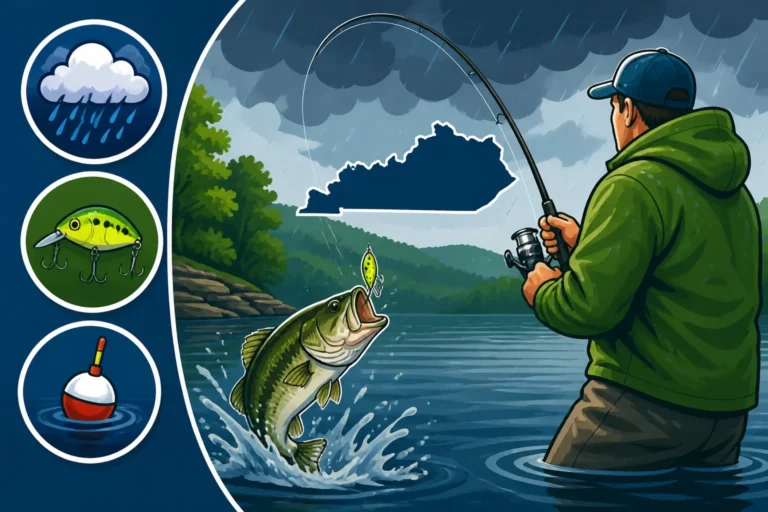
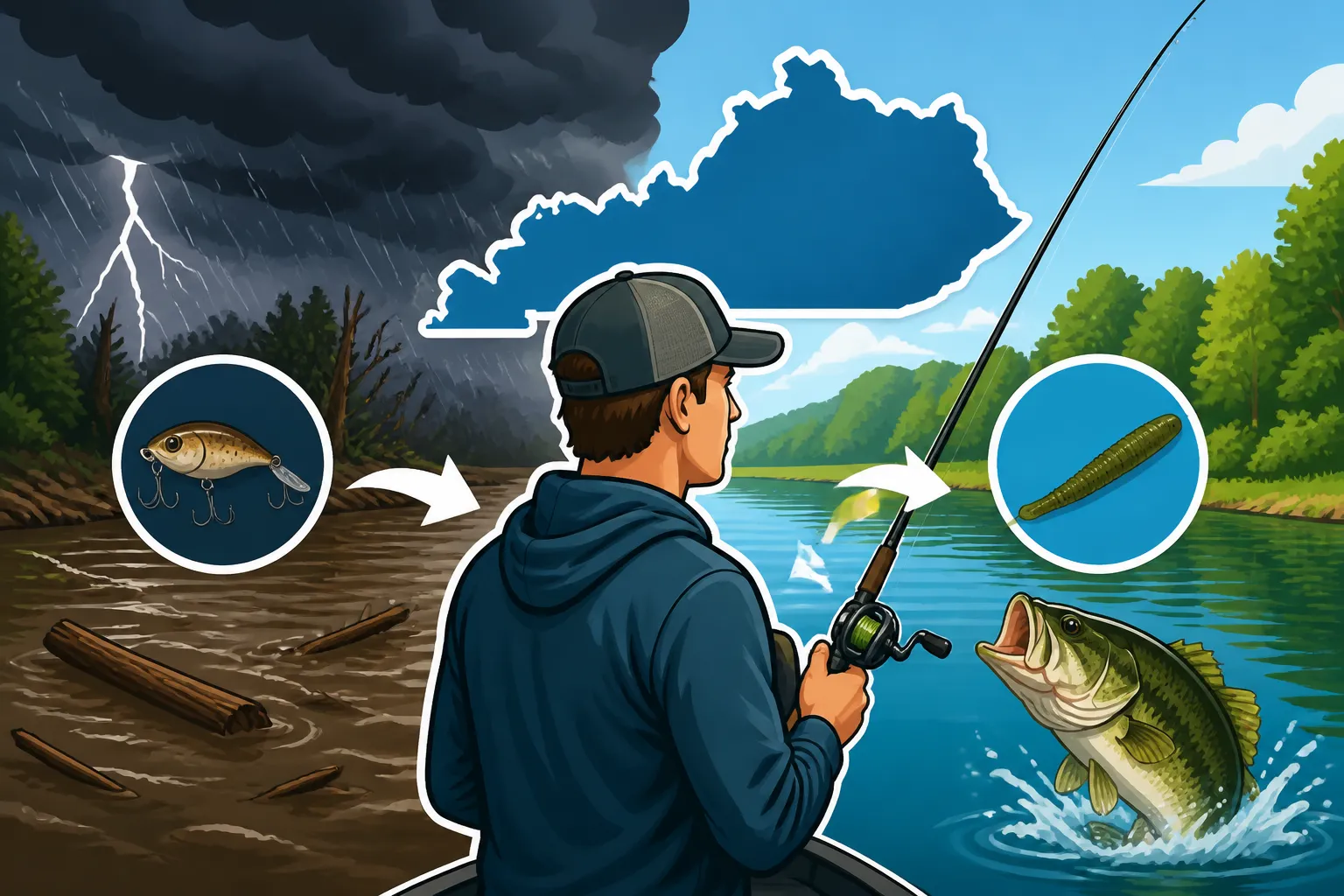
Water clarity is another huge factor, and often the most visible change. Heavy runoff from surrounding land carries sediment, turning clear water into muddy, stained, or even chocolate-milk conditions. This drastically reduces visibility, affecting how fish hunt and how they perceive your lures. For example, bass, which are highly visual predators, might struggle to see a subtle bait. This means anglers need to adapt by using baits that create more vibration, noise, or offer a stronger silhouette. We'll dive into specific lure choices for these conditions shortly. It's a fundamental shift, and if you're still throwing that clear-water finesse bait into murky conditions, you're fighting an uphill battle. If you're wondering How Rain Affects Fishing and What to Do About It, a storm brings all these factors into play simultaneously.
Increased Current and Debris in Waterways
Rivers and streams, and even large reservoirs, will experience increased current and a surge of debris after a significant storm. Heavy rainfall means more water flowing into the system, which can create strong currents, especially in creek channels, river bends, and around dam outflows. This current can wash baitfish and insects into the main flow, creating feeding opportunities for game fish.
However, the current also brings with it a host of natural debris—leaves, branches, logs, and even man-made trash. This debris can be a nuisance for anglers, fouling lines and getting tangled in lures. But it also creates natural current breaks and ambush points where fish will hold to conserve energy and wait for food to drift by. Knowing how to fish these areas effectively is crucial. Areas where current meets slack water, like eddies behind submerged structures or alongside fallen trees, become prime targets. You might also find fish pushed into protected coves or shallow pockets that offer a reprieve from the strong flow.
Shifting Your Strategy for Post-Storm Success
Now that we understand how a storm changes the fishing environment, let's talk about the what and where of adjusting your strategy. This isn't just about picking a different lure; it’s about fundamentally rethinking how and where you present it.
Locating Fish: Where Do They Go?
This is often the million-dollar question after a storm. Fish don't just disappear, but they definitely move. Their movements are largely dictated by the factors we just discussed: pressure, temperature, clarity, and current.
- Seeking Shelter: In rivers and areas with strong current, fish will actively seek current breaks. This means behind large rocks, submerged logs, dock pilings, or along the edges of weed lines and points. These spots offer a place to rest out of the main flow while still having access to food drifting by.
- Following Food Sources: Rain often washes terrestrial insects, worms, and other critters into the water, especially near shorelines. Baitfish might also be disoriented by the influx of fresh water, making them easier prey. Look for fish congregating around these new food sources, particularly in the mouths of creeks and feeder streams where nutrient-rich water is flowing in.
- Depth Adjustments: If the water temperature drops significantly or the clarity becomes extremely poor, fish might move deeper where conditions are more stable. However, if rising water provides new flooded cover (like submerged bushes or grass), fish, especially bass, might move into these shallower, newly accessible areas. You have to consider the specific body of water; for instance, the deeper waters of Lake Cumberland might see fish move to different depths than the shallower bays of Lake Barkley.
- Edge Fishing: Always think about "edges" after a storm. This could be the edge of muddy water meeting clearer water, the edge of a strong current seam, or the edge of newly flooded cover. Fish often patrol these transition zones, waiting for opportunities.
Adapting Your Bait and Lure Choices
With reduced visibility, fish rely more on their other senses—vibration, sound, and scent. This means your tackle box needs a quick reshuffle.
- Vibration and Noise: Lures that create a strong thump or rattle become invaluable in murky water. Think about chatterbaits, lipless crankbaits, or spinnerbaits with large thumping blades. These send out vibrations that fish can detect through their lateral line, even if they can't see the lure. Brands often offer specific "dirty water" colors and designs, and you can easily find a wide selection of these options on platforms like Amazon.
- Profile and Contrast: In stained water, a larger profile can help fish locate your bait. Dark colors like black, blue, or junebug often provide a better silhouette against the murky background. Conversely, sometimes a bright color like chartreuse or orange can stand out effectively, especially if there's any light penetration. Don't be afraid to experiment with combinations. If you're primarily a bass angler, knowing the Best Lures for Muddy Water is crucial after a downpour.
- Scent and Live Bait: This is where things get really interesting. When fish can't see, they rely heavily on smell. Adding scent to your artificial lures can make a huge difference. There are many commercially available scents you can spray or dip your baits in. And of course, live bait is king in these conditions. Worms, minnows, and shiners emit natural scents and movements that are irresistible. For species like catfish, the Best Baits for Channel Catfish Fishing often include strong-smelling options like cut bait or stink baits, which perform exceptionally well when water is discolored.
Adjusting Presentation: Speed, Depth, and Retrieve
How you present your bait is just as important as the bait itself, especially in post-storm conditions.
- Slow Down: Fish are often less active and less willing to chase in the post-storm funk, especially if a cold front has moved through. A slower retrieve allows fish more time to locate your bait, get a good look (or feel), and decide to strike. When you're fishing a jig, a slow drag or hop can be more effective than a fast retrieve.
- Contact with Bottom/Cover: Since visibility is low, fish might be holding tight to cover or the bottom. Bouncing a crankbait off submerged wood, dragging a jig along the bottom, or slowly working a Texas rig through flooded brush will put your bait directly in their strike zone. Remember, they're not going to move far to find a meal. Learning How to Rig a Texas Rig for Bass Fishing can be particularly useful for probing heavy cover effectively.
- Targeting Depth: Based on water temperature and clarity, fish might be pushed deeper or pulled into newly flooded shallow areas. Use your electronics to identify baitfish and target depths where you see activity. Don't be afraid to fish both shallow and deep until you establish a pattern. If you're using a kayak, consider the advantages of Best Fishing Kayaks for Kentucky Lakes and Rivers for stealthy access to various depths.
Species-Specific Adjustments After a Kentucky Storm
Different fish species react differently to post-storm conditions. Knowing these nuances for Kentucky's popular game fish can significantly improve your chances.
Bass Fishing: Largemouth, Smallmouth, and Spotted
Bass are highly attuned to their environment, and storms can really shake things up for them.
- Largemouth Bass: These guys love cover, and post-storm conditions often mean more cover. Rising water floods new vegetation, creating prime ambush points. Look for them in shallow, newly flooded brush, around submerged timber, and in the mouths of feeder creeks where muddy water meets clearer water. Use loud, vibrating baits like spinnerbaits (chartreuse and white or black and blue are great choices), chatterbaits, or large-profile jigs. Slow down your retrieve and make sure your bait is bumping into cover. Sometimes, punching through thick mats of vegetation with a heavy jig or creature bait is the ticket, especially if the new water has pushed them into dense overhead cover. For bigger fish, check out Best Lures for Largemouth Bass on Big Water.
- Smallmouth Bass: Often found in clearer, rocky areas, smallmouth can be a bit tougher after a storm, especially if their typical habitat gets muddied. They might retreat to deeper rock piles, ledges, or current breaks in rivers. If the water has a bit of stain but isn't completely chocolate, crankbaits in crawfish patterns, tube jigs, or small swimbaits can work. In really clear, high-pressure post-storm conditions, a dropshot or a Ned rig fished extremely slowly near deeper structure can entice a bite.
- Spotted Bass: Similar to largemouth in their love for cover, but often found deeper. After a storm, look for them around points, humps, and ledges, especially where current is moving baitfish. Jigs, shaky heads, and deep-diving crankbaits are good bets. They'll often feed on disoriented baitfish in the new current.
Crappie Fishing: Black and White
Crappie are schooling fish and can be quite predictable once you find them, but a storm can scatter them.
- Pre-Spawn/Spawn: If a storm hits during the spring crappie spawn, they might temporarily pull back from the very shallow spawning grounds into slightly deeper staging areas, often suspending around submerged brush or timber. As water warms back up, they’ll move back to the shallower cover.
- Post-Storm: In muddy water, crappie rely heavily on their lateral line. Vertical jigging small jigs or fishing live minnows under a slip bobber in brush piles, standing timber, or around bridge pilings can be highly effective. The key is to find the depth they’re holding at and present your bait right to them. Dark-colored jigs (black and chartreuse, blue and white) or jigs with some flash can work well in stained water. They'll also be drawn to any new structure or cover that the rising water provides.
- Current Breaks: In rivers or areas with current, look for crappie stacked in current breaks, often close to structure. They'll be waiting for food to drift by. Presenting your bait upstream and allowing it to drift naturally into the break can be very productive.
Catfish Fishing: Channel, Blue, and Flathead
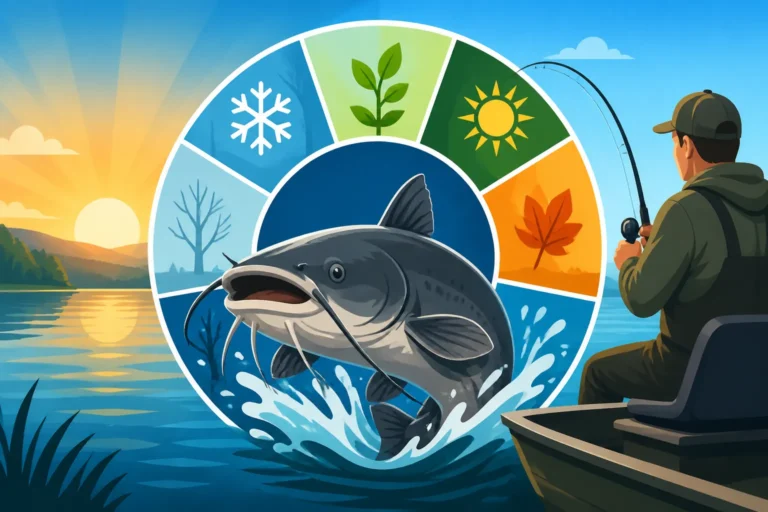
Catfish often thrive in post-storm conditions, especially when water levels are rising and clarity is reduced. This is their wheelhouse!
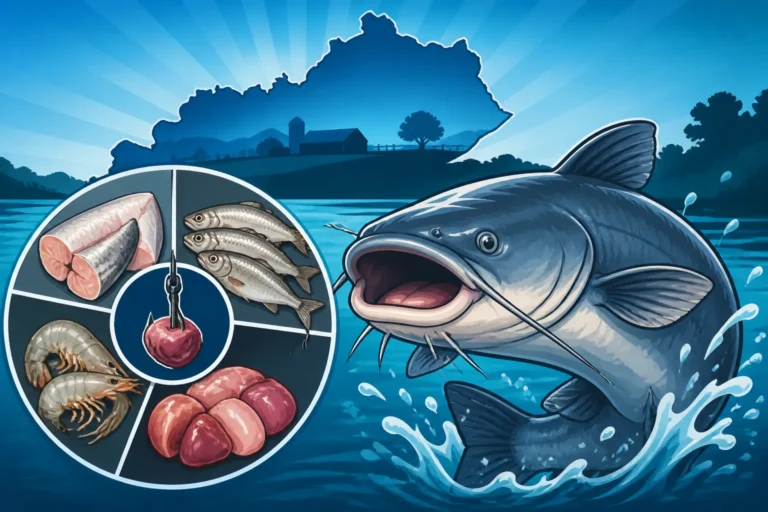
- Rising Water & Current: Catfish are powerful swimmers and masters of using current to their advantage. They will move into newly flooded areas, especially around creek mouths and along river banks, to scavenge for food washed in by the rain. Fresh cut bait (shad, herring, skipjack), chicken livers, or nightcrawlers fished on the bottom are excellent choices.
- Scent Trail: In muddy water, catfish use their keen sense of smell to find food. Strong-smelling baits create an irresistible scent trail. Use stout tackle, like the type you'd find for a Best Rod and Reel Combo for Catfish Fishing, to handle these powerful fish in current.
- Blue Catfish & Flathead Catfish: These larger species often gravitate towards deeper holes and current breaks in major rivers like the Ohio River, or in the main lake channels of Kentucky Lake. They’ll actively feed on large cut bait. Flatheads prefer live bait, so a lively bluegill or shad might be your best bet, again fished close to structure in current breaks. Look for submerged timber or rock piles where they can ambush prey. If you want to fish for the Kentucky Catfish Daily Limit and Trophy Fish Rule you'll need to know where and how to find these giants in adverse conditions.
Safety and Preparedness: Beyond the Bite
While adjusting your fishing technique is important, your safety and preparedness after a storm are paramount. No fish is worth risking your well-being.
Checking Water Levels and Conditions
Always, always, always check current water levels, current speeds, and any advisories before heading out after a storm. What looked like a calm creek bank before the rain might now be a raging torrent, or a lake full of floating debris. The Kentucky Department of Fish and Wildlife Resources website or local news channels often provide real-time updates. Understand that even if the rain has stopped, runoff can continue for hours or days, causing water levels to rise or currents to strengthen.
- Flooded Areas: Be extremely cautious of newly flooded areas. The ground beneath might be unstable, or there could be hidden hazards like submerged fences, sharp debris, or strong undertows.
- Boat Navigation: If you’re boating, be hyper-aware of floating debris. Large logs or even entire trees can be dangerous to navigate around, especially in low light. Always go slower and maintain a vigilant watch.
Essential Gear for Post-Storm Angling
Being prepared with the right gear can make a massive difference, both for your comfort and your safety.
- Rain Gear: Even after the main storm passes, intermittent showers are common, and the air can be damp and chilly. Good quality waterproof rain gear (jacket and pants) is a must. You can find excellent options on Amazon, often with features like breathable fabrics and adjustable hoods.
- Dry Bags: Keep your electronics, wallet, and extra clothes in waterproof dry bags. A sudden splash or unexpected rain can ruin your gear in an instant.
- Life Jackets: If you’re in a boat or kayak, or even wading in strong current, wear a Coast Guard-approved life jacket. High water and strong currents significantly increase the risk of an accident. Familiarize yourself with Life Jacket Rules for Boats in Kentucky before you hit the water.
- First Aid Kit: Always carry a well-stocked first aid kit. Slips and falls are more common on wet, muddy banks, and submerged debris can cause cuts or scrapes.
- Communication Device: Make sure your phone is charged and in a waterproof case, or carry a marine radio if you're on a larger body of water. Let someone know where you're going and when you expect to return.
- Extra Layers: Even if it’s summer, a post-storm cool down can make you uncomfortably cold if you’re wet. Pack extra non-cotton layers that will keep you warm even if they get damp.
Table: Pre-Storm vs. Post-Storm Fishing Conditions and Techniques
Here's a quick overview to help you visualize the strategic shifts:
| Condition / Factor | Pre-Storm (Falling Pressure) | Post-Storm (Rising Pressure / Stabilizing) |
|---|---|---|
| Fish Activity | Highly active, aggressive feeding, often shallower | Lethargic, sometimes inactive, eventually adapting to new conditions |
| Water Clarity | Typically stable, potentially slightly stained | Muddy, stained, or discolored from runoff |
| Water Temperature | Stable or minor drop | Significant fluctuations (cooler surface, deeper stability) |
| Current | Stable | Increased, sometimes strong current in rivers/creeks |
| Location | Active patrols, chasing bait in open water or shallow cover | Current breaks, edges of muddy water, newly flooded cover, deeper |
| Lure/Bait Type | Fast-moving baits, topwater, finesse baits | High-vibration, noisy, large-profile, dark/bright colors, scent, live bait |
| Presentation | Faster retrieves, covering water, aggressive jigging | Slower retrieves, contact with bottom/cover, targeted casts |
| Safety Concerns | Standard boating/fishing safety | Floating debris, strong currents, slippery banks, unstable ground |
Fishing after a storm in Kentucky can be incredibly rewarding if you approach it with knowledge and patience. It’s all about embracing the changes, thinking like a fish, and making those crucial adjustments to your technique and gear. So next time a storm rolls through, don't pack away your rods in frustration. Instead, grab your gear, maybe check out Kentucky Fishing License Guide to make sure you're current, and get ready to unlock a whole new dimension of angling possibilities.
Disclaimer
This article is for general informational purposes only and does not constitute professional advice. Laws, prices and regulations vary by location and change over time. Consult a qualified professional for guidance on your specific situation.