Simple Bank Fishing Tips for New Anglers
Feeling overwhelmed by the sheer amount of specialized gear, boat expenses, and complex techniques you see advanced anglers use? Many aspiring anglers in Kentucky get discouraged before they even cast a line, thinking fishing is only for those with fully-rigged bass boats and decades of experience. But the truth is, some of the most enjoyable and productive fishing happens right from the bank. This comprehensive guide is here to strip away the intimidation, providing simple, actionable bank fishing tips specifically designed for new anglers looking to discover the joy of fishing in the beautiful Bluegrass State.
Why Bank Fishing is Fantastic for New Anglers in Kentucky
Bank fishing often gets overlooked by those chasing the latest high-tech fishing trends, but it's genuinely one of the most rewarding ways to experience the water, especially for beginners. It strips away many of the complexities and costs associated with boat fishing, allowing you to focus on the pure act of fishing and connecting with nature. There's a certain peacefulness that comes with simply walking up to the water's edge, casting out, and waiting for a bite.
Accessibility and Low Barrier to Entry
One of the biggest hurdles for new anglers is often the financial investment. Boats, trailers, gas, specialized electronics – it all adds up quickly. Bank fishing completely sidesteps these issues. You don't need a boat, you don't need a trolling motor, and you certainly don't need a huge budget. All you truly need is a basic rod and reel, some tackle, and a willingness to explore. This makes it incredibly accessible for families, students, or anyone on a budget who just wants to get out and enjoy the outdoors. You can even walk or bike to many local fishing spots.
Beyond the cost, the sheer simplicity is a game-changer. There's no boat launch to navigate, no complex electronics to master, and no worries about boat maintenance. Just grab your gear, find a spot, and start fishing. This low barrier to entry means you can spend more time actually fishing and less time worrying about logistics, which is exactly what a new angler needs to build confidence and develop a love for the sport.
A Great Way to Learn the Ropes
Think of bank fishing as your personal fishing classroom. Without the distractions and demands of operating a boat, you can really concentrate on fundamental skills. You'll learn how to cast accurately, how to identify different types of bites, how to properly set the hook, and how to fight a fish without rushing. These are foundational skills that will serve you well no matter how far you progress in your fishing journey.
Moreover, bank fishing forces you to be observant. You'll start to "read the water" more effectively, looking for subtle signs of fish activity, understanding how current affects your presentation, and identifying potential fish-holding structures like submerged logs or weed lines. Learning How to Read Water for Fish Location is a skill best honed from a stationary position, allowing you to patiently observe and adapt. It's a fantastic way to develop your angling intuition before adding the complexities of boat navigation.
Essential Gear for Your First Kentucky Bank Fishing Trip
Getting started with bank fishing doesn't require emptying your wallet. In fact, many successful bank anglers use surprisingly simple setups. The key is to have reliable, versatile gear that can handle a variety of common Kentucky species like bluegill, crappie, and smaller bass. Don't worry about buying the most expensive items; focus on functionality and ease of use. You can always upgrade later if you find yourself getting really into it.
The Right Rod and Reel Setup
For beginners, a medium-light spinning combo is almost always the best bet. This means a spinning reel attached to a rod that's typically between 6 to 7 feet long. This length offers good casting distance from the bank while still being manageable for younger anglers or those new to casting. The "medium-light" action provides enough backbone to handle a decent-sized fish but is sensitive enough to feel the subtle bites of panfish. You'll want to spool your reel with 6 to 8-pound monofilament fishing line, which is forgiving and easy to work with.
When looking for a Best Rod and Reel Combo for Beginners, consider an all-in-one package. Many outdoor retailers and online stores, like those found on Amazon, offer combo kits that include a rod, reel, and pre-spooled line, making it incredibly convenient. Look for brands known for entry-level reliability. These combos are designed to be user-friendly, durable, and effective for the kinds of fish you'll encounter close to shore.
Basic Terminal Tackle and Bait
Once you have your rod and reel, your terminal tackle is the next crucial step. This refers to all the bits and pieces you tie to the end of your fishing line. For bank fishing, you don't need much:
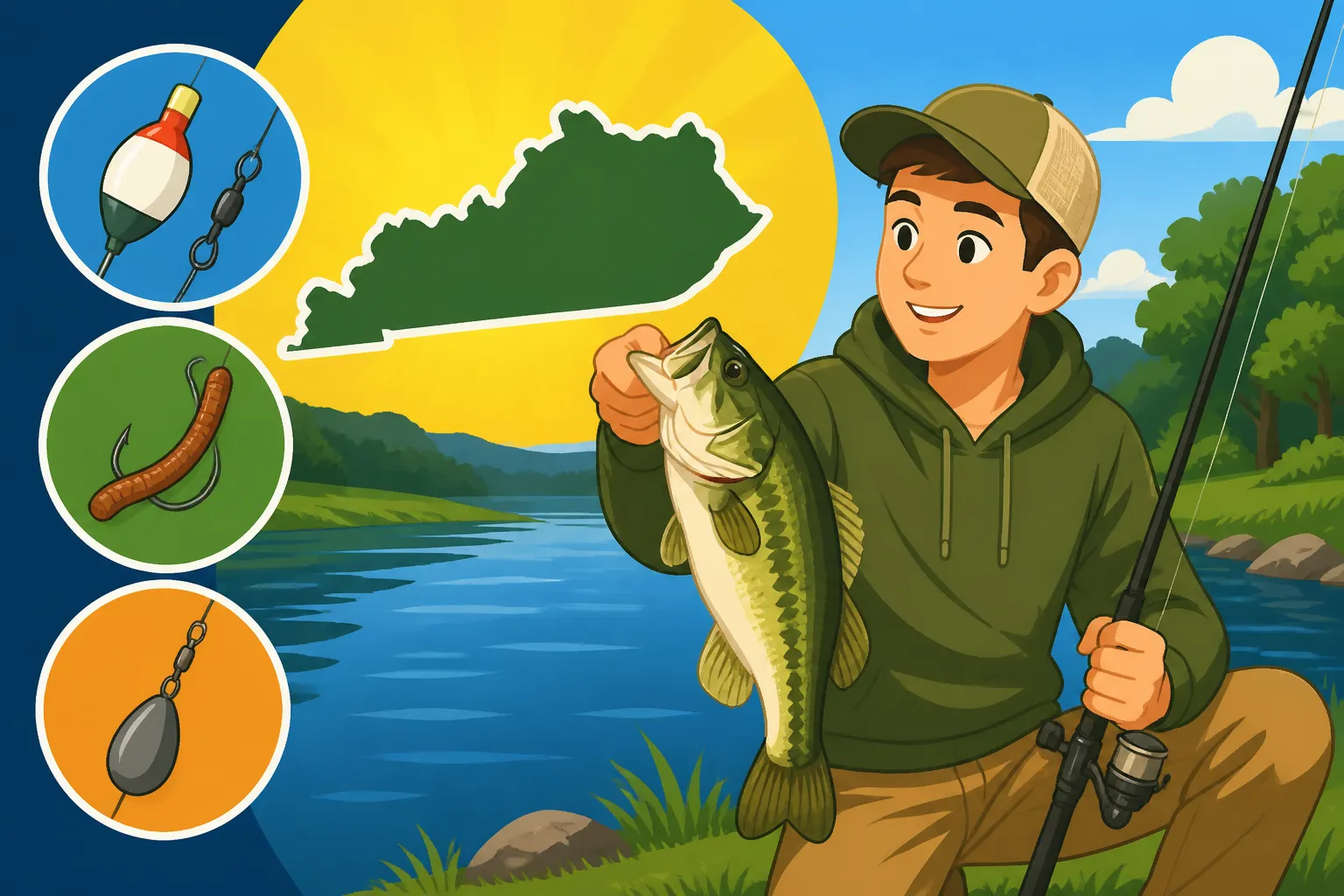
- Hooks: A variety of small hooks (sizes 6-10) for panfish and slightly larger hooks (sizes 1/0-2/0) for bass or catfish.
- Bobbers/Floats: Small clip-on bobbers are fantastic for beginners, as they visibly signal a bite.
- Sinkers/Weights: A selection of split shot weights to help your bait sink to the desired depth.
- Swivels: Small barrel swivels help prevent line twist, especially with live bait.
- Needle-nose Pliers or Hemostats: Essential for removing hooks safely.
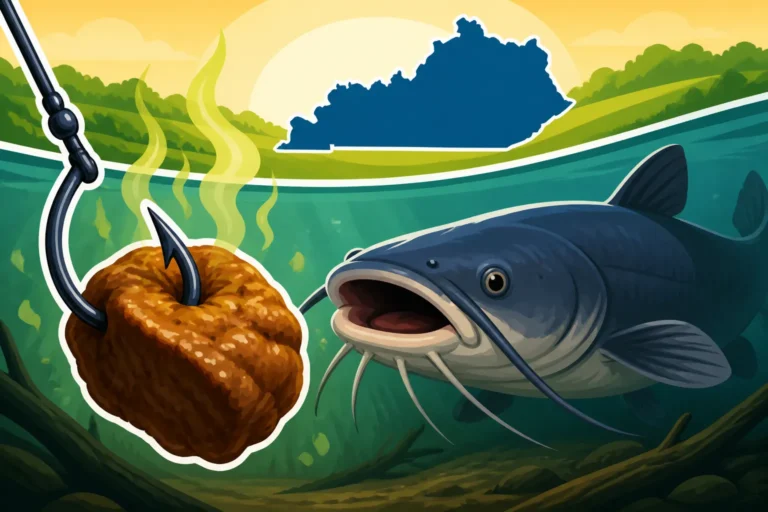
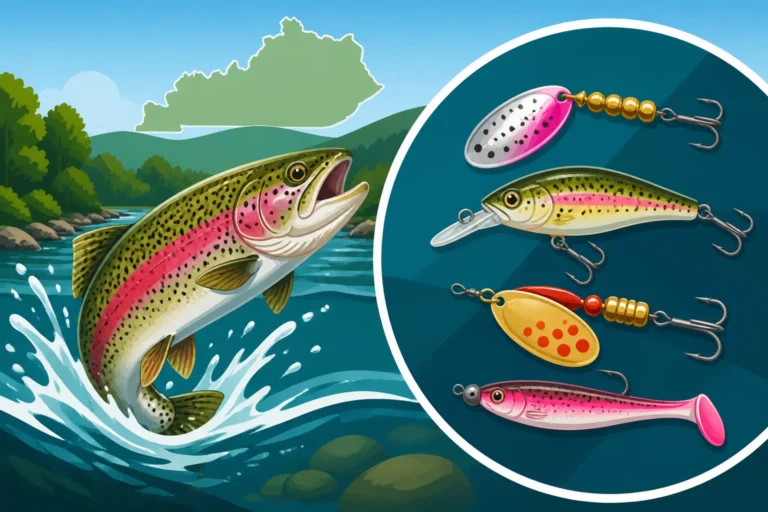
- Bait: This is where it gets fun! Worms are king for bank fishing – easy to find, inexpensive, and effective for almost everything. Crickets, minnows, or even corn can also be great. For lures, a few small jigs (1/16 to 1/8 oz) with curly tail grubs or small inline spinners are excellent choices.
A small tackle box or bag will keep all these essentials organized. You can find pre-made beginner tackle kits on Amazon that provide a good assortment to get you started, covering a lot of what's in a Best Tackle and Gear for Bank Fishing setup. Don't forget that using Best Live Bait for Beginner Anglers like nightcrawlers can often make all the difference, drawing in curious fish with their natural movement and scent.
Comfort and Safety Essentials
Fishing should be enjoyable, so don't forget the creature comforts and safety items. A comfortable, foldable chair can make a long day on the bank much more pleasant. Sun protection is key in Kentucky, so bring a wide-brimmed hat, sunglasses, and sunscreen. Hydration is also important, so pack plenty of water. A small cooler with snacks will keep your energy up.
For safety, a small first-aid kit is always a good idea, especially for minor cuts or hook pricks. If you plan to wade into shallow water, sturdy, non-slip footwear is essential. And always, always make sure you have your current Kentucky fishing license. Remember, Kentucky Fishing License Needed for Public Lakes and Rivers—and often in private waters too, unless you're the owner or guest on private property. Make sure to check the regulations before you go.
Practical Techniques for Successful Bank Fishing in Kentucky
Once you've got your gear, it's time to put it to use! Successful bank fishing isn't about fancy moves; it's about observation, patience, and knowing a few fundamental techniques. These simple strategies will dramatically increase your chances of catching fish from the shore.
Reading the Water and Choosing Your Spot
One of the biggest advantages of bank fishing is the ability to walk and scout different areas. Don't just pick the first spot you see. Take a few minutes to observe the water. Look for:
- Structure: Anything that breaks up the uniform bottom or water flow, like fallen trees (often called "brush piles"), rocks, docks, culverts, or bridge pilings. Fish love to hide around these for cover and ambush prey.
- Vegetation: Weed beds, lily pads, and cattails provide cover, food, and shade. Fish often lurk at the edges of these patches.
- Changes in Depth: Look for drop-offs or deeper pockets near the shore. These can be key ambush points for predatory fish.
- Signs of Activity: Watch for ripples, jumping fish, or baitfish scattering. These are clear indicators that fish are in the area.
Often, the best spots are those with some kind of cover or transition where fish feel safe and can find food. Public access points like those found on a Best State Park Fishing Piers in Kentucky guide can be fantastic starting points, as they often place you right over deeper water or near structure. Don't be afraid to move if a spot isn't producing after 15-20 minutes.
Casting and Presentation Basics
Mastering a basic overhead cast is fundamental. Hold the rod in your dominant hand, open the bail on the reel, and hold the line with your index finger. Bring the rod back over your shoulder, then smoothly bring it forward, releasing the line with your finger as the rod points towards your target. The key is a smooth, fluid motion, not a forceful jerk. Practice in an open area at home without a hook to get the feel for it.
Once your bait or lure is in the water, focus on presentation. If using a bobber, adjust it so your bait is suspended at a depth where fish might be. If you're targeting bottom feeders like catfish, let your bait sink to the bottom. For lures, a slow, steady retrieve is often best for beginners, allowing the lure's natural action to entice bites. Vary your retrieve speed and add pauses to see what works. Remember, the goal is to make your bait look as natural and appealing as possible.
Understanding Bites and Setting the Hook
This is where patience and observation really pay off. When using a bobber, a bite is usually obvious – the bobber will dip, jiggle, or pull completely under the water. When fishing without a bobber, you'll need to feel for it. This can be a subtle tap, a sudden tug, or a feeling of extra weight on your line. Sometimes, it might just feel like your line has gone "mushy."
Once you detect a bite, it's time to set the hook. This isn't a massive yank, especially with lighter tackle. It's usually a quick, firm lift of the rod tip straight up or to the side, enough to embed the hook in the fish's mouth. Don't be discouraged if you miss a few! It takes practice to get the timing right. Learning How to Set the Hook Properly When Fishing will greatly improve your success rate. After you've set the hook, keep steady pressure on the fish and reel it in smoothly, letting the rod bend and absorb the fight.
Where to Find Great Bank Fishing Spots in Kentucky
Kentucky is blessed with an abundance of public waters perfect for bank fishing. From small community ponds to large reservoirs and winding rivers, there's always a place to wet a line. Knowing where to look can make all the difference for a new angler.
Public Ponds and State Park Lakes
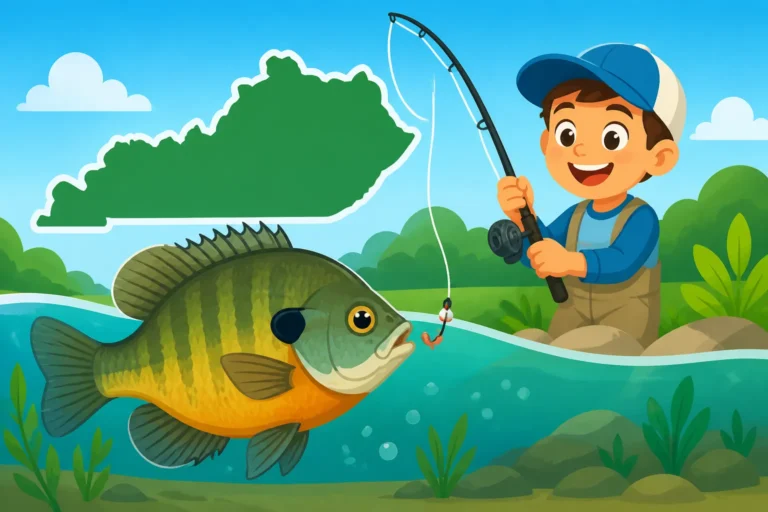
Many Kentucky towns and cities maintain public ponds specifically stocked for recreational fishing. These often have easy access, paved walking paths, and sometimes even fishing piers, making them ideal for beginners and families. Look for local parks or green spaces; you might be surprised to find a great little pond right in your backyard. These smaller waters are fantastic for bluegill, sunfish, and smaller bass, offering plenty of action. For tips on specific species, check out Easy Bluegill Fishing Tips for Beginners.
Kentucky State Parks are another goldmine for bank anglers. Many of these parks feature beautiful lakes with designated fishing areas, accessible shoreline, and excellent facilities. They're typically well-maintained and often have robust fish populations. A quick search for "Kentucky State Park fishing" will reveal numerous options. These spots are often highlighted in guides to Best Bank Fishing Spots for Beginners, providing a safe and productive environment for your first angling adventures.
River Banks and Creek Access
While bigger rivers like the Ohio River can be intimidating, many smaller rivers and creeks across Kentucky offer excellent bank fishing opportunities. These waters often hold a wider variety of fish, including catfish, crappie, and various types of bass. Look for public access points under bridges, at small park areas along the river, or designated wildlife management areas.
When fishing rivers and creeks, pay close attention to slower-moving water, eddies behind rocks, or deeper pools. These are often where fish congregate to escape strong currents and find food. Always be mindful of private property when accessing rivers and creeks; stick to public land or obtain permission from landowners. Remember that specific regulations, like those covered in Kentucky Fishing Regulations Explained, may vary slightly between different bodies of water, so it's always wise to double-check before you cast.
Common Bank Fishing Challenges and How to Overcome Them
Every angler, new or experienced, faces challenges. Bank fishing has its unique set of quirks, but with a little preparation and knowledge, you can easily overcome them. Don't let these minor obstacles deter you from enjoying your time on the water.
Snags and Lost Lures
One of the most common frustrations for bank anglers, especially when starting out, is getting snagged. This usually happens when your hook or lure catches on submerged rocks, logs, or thick vegetation. It's an inevitable part of fishing, so don't let it get to you.
- Prevention: Try to cast into clearer areas, or if fishing near cover, be extra vigilant with your retrieve. Adjust your bobber depth to keep your bait just above snags.
- Retrieval: If you do get snagged, try pulling from different angles. Sometimes, a gentle but firm tug can free your line. If you're using light line, you might have to break it off, losing your hook or lure. This is why bringing extra terminal tackle is so important.
- Budget-Friendly Gear: To minimize the sting of lost lures, start with inexpensive lures and hooks that you won't mind losing. Online stores like Amazon offer great bulk packs of basic jigs and hooks that are perfect for beginners.
Remember that even seasoned anglers lose gear to snags. It's part of the learning curve and teaches you to be more aware of the underwater environment. Consider reading about Beginner Mistakes to Avoid When Fishing to help navigate these early challenges.
Dealing with Weather Changes
Kentucky weather can be unpredictable. A beautiful sunny morning can quickly turn into a cloudy, breezy, or even rainy afternoon. Being prepared for these changes will make your bank fishing trips much more comfortable and safe.
- Layer Up: Dress in layers so you can add or remove clothing as the temperature fluctuates.
- Rain Gear: Always keep a lightweight rain jacket or poncho in your bag. Nothing cuts a fishing trip short faster than getting soaked.
- Wind: Wind can make casting difficult and make it harder to feel bites. Try to find a bank that offers some protection from the wind, or cast with the wind at your back to aid distance.
- Sun Protection: Even on cloudy days, UV rays can be strong. Reapply sunscreen, wear a hat, and consider long-sleeved shirts.
Checking the forecast before you head out is always a good idea, but being prepared for anything will ensure a more enjoyable and extended fishing experience. This proactive approach helps you adapt to conditions and keep fishing even when the weather isn't perfect.
Navigating Regulations and Licenses
Kentucky has clear fishing regulations to protect its natural resources. For new anglers, understanding what's required can seem a bit daunting, but it's simpler than you might think.
- Fishing License: Almost everyone needs a fishing license to fish in Kentucky's public waters. There are exceptions for young children, private ponds, and during the annual Kentucky Free Fishing Weekend Guide. It's crucial to know the rules regarding a Kentucky Fishing License Guide for all ages, including Kentucky Fishing License Requirements for Kids.
- Regulations: Be aware of statewide and site-specific regulations regarding bag limits (how many fish you can keep) and size limits (the minimum or maximum length of fish you can keep). These vary by species and by lake. A good rule of thumb is to look up the regulations for the specific body of water you plan to fish before you go.
- Where to Find Info: The Kentucky Department of Fish and Wildlife Resources website is your best friend for current regulations, license purchases, and stocking schedules. You can also often pick up a printed fishing guide at bait shops or county clerk offices.
Always carry your fishing license with you, either as a printed copy or on your phone. Game wardens frequently check anglers, and being unprepared can lead to fines. Being informed ensures your fishing experience is not only fun but also legal and responsible.
Building Your Skills and Enjoying the Process
Bank fishing is a journey, not a destination. Each trip offers new learning opportunities, from mastering a new knot—like those covered in How to Tie a Fishing Knot for Beginners—to understanding how fish react to different baits and weather patterns. Don't worry about catching a record-breaker on your first outing. Focus on enjoying the peace and quiet, the beauty of Kentucky's landscapes, and the simple thrill of feeling a fish on your line.
Share your passion! Bring a friend or family member along. Teaching someone else is a great way to reinforce your own knowledge and create lasting memories. Many of the most cherished fishing stories happen on the bank, whether it's a child catching their first bluegill or a quiet morning spent with a loved one. Bank fishing offers a direct connection to nature and a wonderful entry point into the world of angling. So grab your rod, find a comfortable spot, and cast away – the adventure awaits!
Disclaimer
This article is for general informational purposes only and does not constitute professional advice. Laws, prices and regulations vary by location and change over time. Consult a qualified professional for guidance on your specific situation.