Best Gear for Bank Fishing
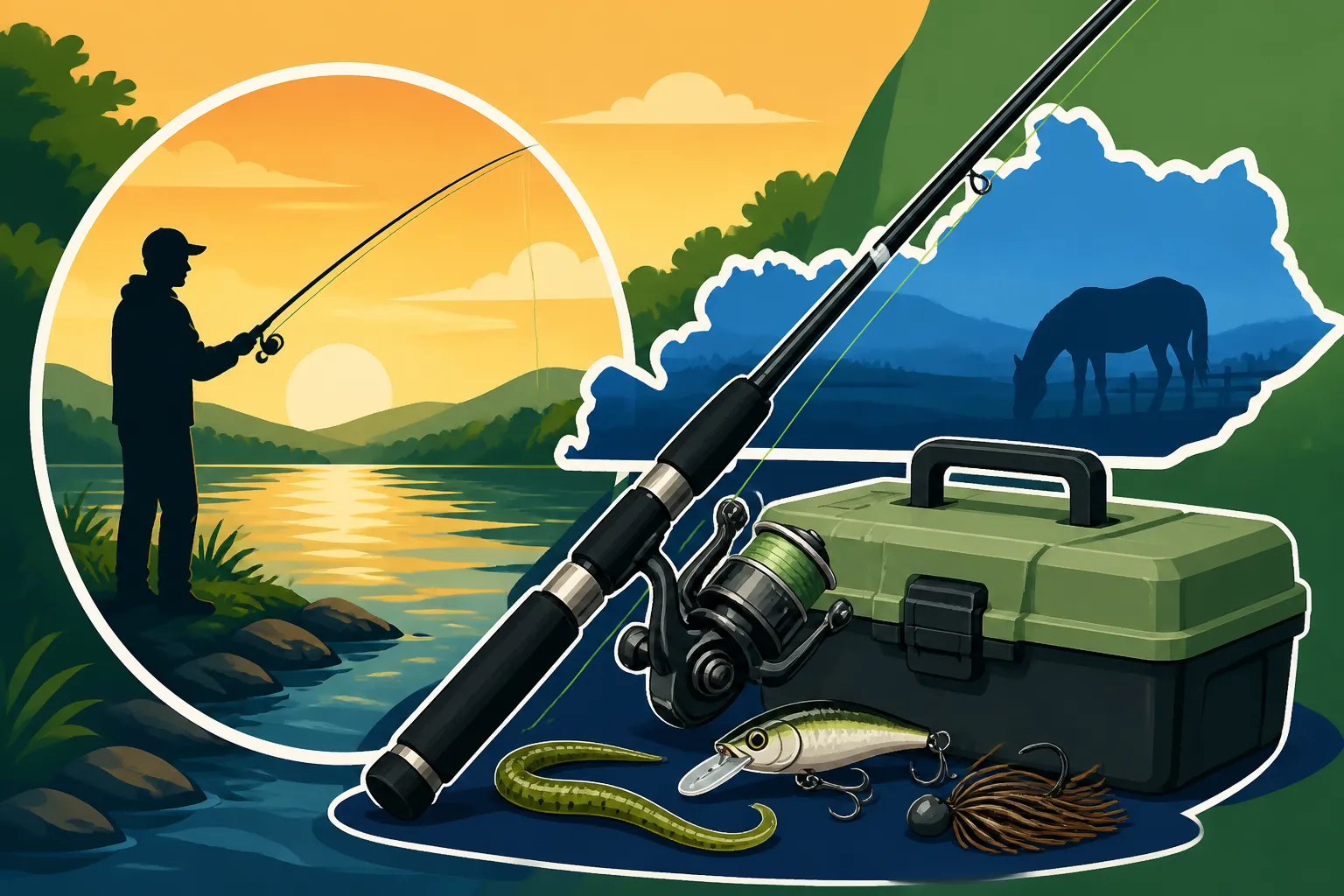
There’s nothing quite like the tranquility of bank fishing, is there? The feeling of solid ground beneath your feet, the gentle sway of trees overhead, and the anticipation of a bite without the hassle of launching a boat. But let's be honest, trying to fish from the shore can also feel limiting if you don't have the right tools. This guide is all about equipping you with the essential gear to transform your bank fishing trips in Kentucky from a hopeful outing into a successful and enjoyable adventure.
Why Bank Fishing is Fantastic and Sometimes Frustrating
Bank fishing is a beloved pastime for many, offering a unique connection to nature and a sense of calm that's hard to beat. Yet, every bank angler knows it comes with its own set of quirks. Understanding these aspects helps us tailor our gear choices for maximum enjoyment and effectiveness.
The Joys of Simplicity and Accessibility
One of the biggest draws of bank fishing is its sheer accessibility. You don't need a boat, a trailer, or a hefty fuel budget. You just grab your gear, maybe a cooler, and find a good spot. It’s perfect for a spontaneous afternoon trip, a quick escape after work, or introducing kids to the sport without a major investment. Public access points, state parks, and numerous county lakes across Kentucky offer fantastic opportunities for shore anglers. There’s a wonderful simplicity to it – just you, the water, and the fish. You can walk the shoreline, explore different coves, or simply pick a comfortable spot under a shade tree and cast away. It's often where the fondest fishing memories are made, free from the complexities of boat navigation and maintenance.
The Unique Challenges of Fishing from Shore
However, bank fishing isn't without its challenges. Your range is naturally limited to how far you can cast, meaning those prime offshore structures or deep channels are often out of reach. Overhanging trees, dense brush, and uneven terrain can make casting difficult or even perilous. Snags are a constant threat, and you often don't have the luxury of maneuvering a boat to free a hung lure. Then there's the sheer inconvenience of carrying all your gear—rods, reels, tackle box, cooler, chair—across varying distances and terrains. Plus, depending on where you're fishing, you might encounter crowds, limiting your choice of spots. It's these frustrations that often lead anglers to abandon bank fishing, but with the right gear, many of these hurdles can be overcome, making your experience far more rewarding.
Essential Rod and Reel Combos for Bank Anglers
Choosing the right rod and reel is paramount for bank fishing success. You need versatility, casting distance, and enough power to handle whatever you might hook into from the shore.
Versatile Medium-Light Spinning Combos
For most bank fishing scenarios in Kentucky, a medium-light spinning rod between 6.5 and 7.5 feet in length, paired with a 2500 or 3000 series spinning reel, is your best friend. This setup offers incredible versatility. The length gives you good casting distance, helping you reach further out from the bank, which is often key when fishing public lakes. The medium-light action is sensitive enough to feel the subtle bites of panfish like bluegill and crappie, yet has enough backbone to handle decent-sized bass or even smaller catfish.
Imagine you're casting small jigs for crappie in a cove at Lake Barkley or dropping a live worm for a bluegill near a weed line at Barren River Lake. This rod will allow you to feel those delicate taps and ensure a good hook set. For line, consider a 6-10 lb monofilament or fluorocarbon, or even a 10-15 lb braided line with a fluorocarbon leader for added sensitivity and strength. Many anglers find high-quality, durable combos like these easily accessible on Amazon, often bundled for convenience. This type of setup is perfect for exploring various species you might encounter, as outlined in our comprehensive Kentucky Fish Species Guide: 265 Types You Can Catch.
Stepping Up for Bigger Fish
While the medium-light setup is great for all-around use, sometimes you know you're targeting bigger game like hefty largemouth bass, channel cats, or even flathead catfish. In these situations, you'll want to step up your gear. A medium-heavy to heavy power spinning or baitcasting combo, generally 7 to 8 feet long, becomes invaluable. This extra length helps with longer casts, crucial when you're trying to reach deeper water or cover from a fixed position on shore, especially on larger bodies of water like Kentucky Lake.
Pair a 4000-5000 series spinning reel or a robust baitcasting reel with this rod, spooled with 15-30 lb monofilament or 30-50 lb braided line. This heavier gear provides the brute strength needed to pull bigger fish out of thick cover or strong currents, common when targeting catfish along the Ohio River. While the initial investment might be slightly more, the ability to confidently fight and land a trophy fish from the bank is well worth it. Just remember to check the specific Kentucky Fishing Regulations Explained for bag and size limits for your target species.
The Core Tackle Box Essentials
Your tackle box is your mobile arsenal when bank fishing. Since you can't just run back to the boat for forgotten items, a well-stocked and organized box is crucial.
Hooks, Sinkers, and Swivels: The Unsung Heroes
These small, often overlooked items are the backbone of any successful fishing trip. For hooks, you'll want a variety:
- Aberdeen or J-hooks (sizes #8 to #4): Perfect for panfish like bluegill and crappie, especially when using live bait like worms or crickets.
- Circle hooks (sizes 1/0 to 5/0): Essential for catfish, promoting lip hooks and safer releases. These are great for rigs mentioned in our Kentucky Catfish Fishing: Ohio River and Kentucky Lake Guide.
- Worm hooks (offset, sizes 1/0 to 3/0): Ideal for Texas rigging soft plastic worms for bass, helping you fish weedless through cover.
- Treble hooks (sizes #4 to #1/0): For replacing hooks on hard lures or creating your own bait rigs.
For sinkers, a selection of split shot (various sizes), bullet weights (1/8 oz to 1/2 oz for bass), and egg sinkers (1/2 oz to 2 oz for catfish or fishing in current) will cover most situations. Swivels, particularly barrel swivels and snap swivels (sizes #10 to #2), are vital for preventing line twist and quickly changing lures. You can easily stock up on these fundamental items from online retailers like Amazon.
Baits and Lures for Kentucky's Common Species
This is where your strategy truly comes alive! Here's a breakdown of what to carry for bank fishing in Kentucky:
- Live Bait: For panfish and catfish, live bait is often unbeatable. Worms (nightcrawlers, red wigglers), crickets, and minnows are highly effective. A small bait container to keep them fresh is a good idea.
- Soft Plastics: These are a must-have for bass fishing. Senko-style stick baits, creature baits, curly-tail worms, and grub tails are incredibly versatile. Different colors (green pumpkin, black and blue, junebug) are crucial. Learn more about optimal timing in our Kentucky Bass Fishing: The April-May Peak Season.
- Hard Lures:
- Crankbaits: Small to medium sizes in natural baitfish patterns or bright colors can attract bass and even walleye.
- Spinnerbaits/Buzzbaits: Great for covering water and triggering aggressive strikes from bass, especially around shallow cover.
- Small Jigs: For crappie, a variety of small (1/32 oz to 1/8 oz) jig heads paired with tiny plastic tubes or curly tails is essential. Don't forget some feather jigs or hair jigs for a classic presentation.
- Spoons: Casting spoons can cover good distance and attract various species when jigged or retrieved.
When choosing lures, consider the water clarity and available light. Darker colors for stained water, natural colors for clear water. Having a diverse selection ensures you're ready for different conditions.
Essential Tools and Accessories
Beyond the hooks and lures, a few crucial tools will make your bank fishing much smoother:
- Pliers/Forceps: Absolutely essential for removing hooks safely from fish, cutting line, and crimping weights. A multi-tool with pliers is a great option.
- Line Clippers: Small, sharp clippers or nail clippers make quick work of fishing line.
- Fish Grips/Net: A small, collapsible landing net or a pair of fish grips can save your hands and help land bigger fish, especially if you're fishing alone.
- Measuring Tape/Scale: To ensure you're adhering to size limits and to brag about your catch (responsibly, of course!).
- First Aid Kit: A small kit with bandages, antiseptic wipes, and pain relievers is vital for minor cuts, scrapes, or hook pokes.
- Headlamp/Flashlight: If you plan on fishing at dawn, dusk, or after dark, this is non-negotiable.
- Multi-tool: A good quality multi-tool can solve countless small problems on the go.
Comfort and Safety Gear for a Productive Day
Bank fishing often means spending extended periods outdoors, sometimes exposed to the elements. Prioritizing comfort and safety not only makes your trip more enjoyable but also allows you to focus on the fishing.
Apparel and Sun Protection
Kentucky's weather can be notoriously unpredictable, swinging from bright sunshine to sudden showers. Being prepared is key.
- Layers: Dress in layers. Even on a warm day, mornings can be cool, and a sudden drop in temperature or a cool breeze can make you uncomfortable. A lightweight, moisture-wicking base layer, a long-sleeved shirt for sun protection, and a packable rain jacket are ideal.
- Sun Protection: This is paramount. A wide-brimmed hat or a baseball cap, polarized sunglasses (to reduce glare and spot fish), and high-SPF sunscreen are non-negotiable. The sun reflecting off the water can be intense, leading to sunburn and eye strain, even on cloudy days. You can find excellent quality polarized sunglasses that make a huge difference in seeing through the water on Amazon.
- Footwear: Choose comfortable, sturdy, and waterproof shoes or boots with good grip. You'll likely be walking on uneven terrain, wet grass, and potentially slippery rocks. Avoid open-toed shoes unless you're absolutely sure of your footing and surroundings.
Seating, Storage, and First Aid
Being comfortable and having your gear organized and accessible makes a world of difference.
- Portable Chair/Bucket: A lightweight, foldable chair or a five-gallon bucket with a padded lid can provide much-needed rest and a convenient spot to sit while waiting for a bite. Some fishing buckets even double as tackle storage.
- Tackle Backpack/Bag: Ditch the heavy, bulky tackle box for a dedicated fishing backpack or shoulder bag. These are designed to distribute weight comfortably, often have external rod holders, and multiple compartments for organized storage. This makes carrying your Best Tackle and Gear for Bank Fishing much easier over longer distances.
- Cooler: A small, insulated cooler is perfect for drinks, snacks, and keeping any harvested fish fresh. Look for one with a shoulder strap for easier transport.
- Water Bottle/Hydration Pack: Staying hydrated is critical, especially during warmer months.
- Bug Spray: Depending on the season and location, mosquitoes, ticks, and other biting insects can be a major nuisance.
- Waders (Optional): If you plan to wade into the shallows to extend your casting range or retrieve hung lures, a pair of chest waders can be a game-changer. Just be sure to always prioritize safety when wading.
Here's a quick overview of essential gear for different scenarios:
| Gear Category | All-Around Bank Fishing | Targeting Larger Bass/Catfish | Comfort & Safety |
|---|---|---|---|
| Rod & Reel | 6.5-7.5 ft Med-Light Spinning Combo (2500/3000 size) | 7-8 ft Med-Heavy/Heavy Combo (4000/5000 or baitcaster) | N/A |
| Line | 6-10 lb mono/fluoro, or 10-15 lb braid w/ leader | 15-30 lb mono/fluoro, or 30-50 lb braid | N/A |
| Hooks | #8-#4 Aberdeen, 1/0-3/0 Worm hooks | 1/0-5/0 Circle hooks, 2/0-4/0 Worm hooks | N/A |
| Sinkers | Split shot, 1/8-1/2 oz bullet weights | 1/2-2 oz egg sinkers, heavier bullet weights | N/A |
| Lures/Baits | Worms, Crickets, Minnows, Small Jigs, Soft Plastics, Spoons | Larger Soft Plastics, Crankbaits, Spinnerbaits, Cut Bait | N/A |
| Tackle Storage | Small tackle box or fishing shoulder bag | Dedicated fishing backpack | Cooler, Water Bottle, Bait Container |
| Tools | Pliers/Forceps, Line Clippers | Fish Grips/Net | First Aid Kit, Headlamp, Multi-tool, Bug Spray |
| Apparel | Hat, Sunglasses, Layers, Sturdy Shoes | N/A | Sunscreen, Rain Jacket, Waterproof Boots |
| Accessories | Portable Chair/Bucket | N/A | Waders (optional) |
Bank fishing offers a fantastic way to enjoy the outdoors and connect with Kentucky's diverse fisheries. With the right gear, the frustrations of limited reach and awkward carrying can fade away, replaced by the pure joy of a successful cast and a strong bite. So, gather your essentials, pack your bag, and head to your favorite shoreline. Don't forget to check if you need a Kentucky Fishing License Guide before you go!
Disclaimer
This article is for general informational purposes only and does not constitute professional advice. Laws, prices and regulations vary by location and change over time. Consult a qualified professional for guidance on your specific situation.