Bank Fishing vs Boat Fishing: Which Catches More
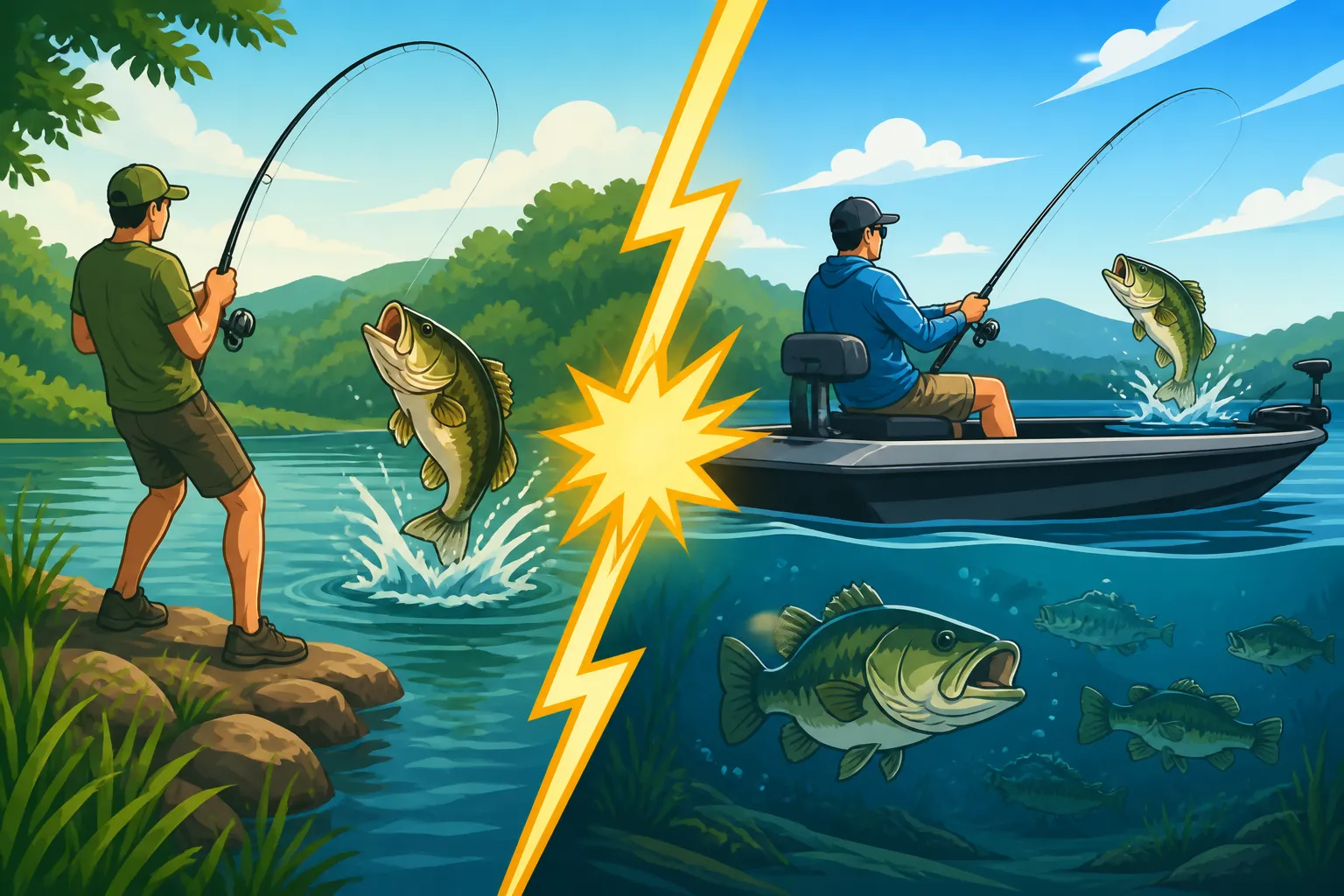
One of the most common debates among Kentucky anglers, especially if you're just getting into fishing or looking to switch things up, is whether you'll have more success fishing from the bank or from a boat. It's a question that brings up a lot of considerations – from cost and accessibility to the types of fish you're targeting and the water you're on. This guide is here to break down the ins and outs of both bank fishing and boat fishing in Kentucky, helping you understand which approach might put more fish in your net for your next adventure on the water.
Understanding the Fundamental Differences in Accessibility and Opportunity
When you're dreaming of a day out fishing, the first hurdle is often just getting to the water and getting your line in. That's where bank fishing and boat fishing diverge dramatically. One offers incredible freedom and minimal fuss, while the other opens up a whole new world of possibilities, albeit with a bit more planning and investment.
The Appeal of Bank Fishing: Simplicity and Low Barrier to Entry
Bank fishing, for many, is the quintessential fishing experience. It's often where we all started, casting a line from a dock, a pier, or the grassy edge of a pond. The beauty of it lies in its sheer accessibility. You don't need a massive budget for a boat, trailer, maintenance, or gas. You can literally walk up to many public access points, grab your rod, and start fishing. Think about those serene moments spent sitting by the water at a local state park, listening to the birds, and waiting for a bite. It's truly a minimalist approach to a sport that can sometimes feel overwhelming with gear.
However, this simplicity comes with its own set of limitations. You're confined to whatever stretch of shoreline is accessible. This means you might be restricted to specific depths, cover, and structures that are near the bank. Fish, especially larger ones, often hang out in deeper waters or around complex structures far from shore that bank anglers simply can't reach. While you can certainly catch plenty of panfish, catfish, and even bass from the bank, your ability to "follow the bite" or target specific underwater features is severely curtailed. This can be a real frustration when you see fish jumping out in the middle of a lake that's completely out of your casting range. Still, for a quick, low-cost outing, or for teaching kids to fish, bank fishing is often the best choice, requiring minimal gear that you can easily find on Amazon. If you're new to the sport, take a look at our Bank Fishing Techniques for Beginners guide to get started.
The Expansive World of Boat Fishing: Unlocking Deeper Waters
Boat fishing, whether it's from a small jon boat, a kayak, or a fully rigged bass boat, fundamentally changes your relationship with the water. Suddenly, the entire lake or river opens up. You can access those hidden coves, troll the main lake points, fish over deep humps, or explore extensive creek channels that are completely out of reach from shore. This mobility is a game-changer, allowing you to adapt to changing conditions, search for actively feeding fish, and target specific species that prefer offshore habitats.
The downside, as you can imagine, is the significantly higher barrier to entry. Boats, even used ones, require a substantial investment, not to mention trailers, launch fees, fuel, maintenance, and storage. There's also the learning curve of operating a boat safely, navigating, and understanding boat ramps and traffic. However, for those serious about consistent success, especially with species like trophy bass, walleye, or deep-water crappie, a boat often becomes an indispensable tool. It transforms fishing from a static activity into a dynamic hunt across vast aquatic landscapes. Our guide to Best Boats for Kentucky Lake and Lake Barkley Fishing can give you an idea of the kind of vessels serious anglers use.
Strategic Advantages: When Each Method Shines Brightest
It’s not just about what you can do, but what each method allows you to do best. Both bank fishing and boat fishing have specific scenarios where they truly excel. Knowing these can help you decide how to approach your next fishing trip.
Maximizing Success from the Bank: Targeting Close-Range Opportunities
Bank fishing truly shines in situations where fish are naturally drawn close to the shore, or in smaller, more contained bodies of water. Think about the spring spawn, when bass and crappie move into shallow water to nest. During these times, bank anglers can often have incredible success, as the fish are right there, often within easy casting distance. Early mornings and late evenings, when fish are more active and less spooky in the shallows, are prime times for bank fishing.
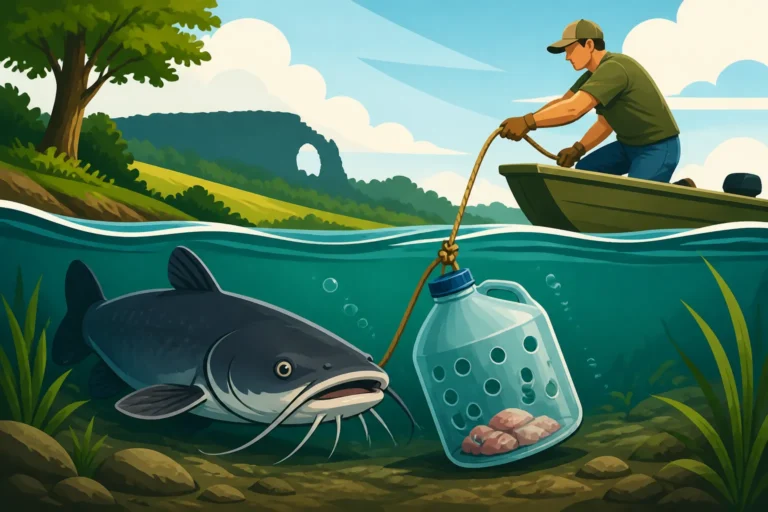
Small ponds, creeks, and urban fishing lakes are also fantastic for bank anglers. In these waters, the entire body of water might be within casting range from various points along the bank, effectively giving you "boat access" without a boat. Catfish often cruise along the banks, especially at night, making them a superb target for shore-bound anglers. You can set up multiple rods with different baits, relax in a chair, and wait for the bite. Similarly, bluegill and other panfish are almost always within reach, especially around any visible cover like fallen trees or lily pads. For success from the shore, focusing on these species and understanding fish behavior in shallow water is key. Don't underestimate the simple yet effective power of a good Best Gear for Bank Fishing setup.
Key Scenarios for Bank Fishing Success:
- Spring Spawning Season: Bass and crappie move shallow, making them highly accessible.
- Smaller Water Bodies: Ponds, small creeks, and urban lakes where the entire body of water is often fishable from shore.
- Night Fishing for Catfish: Catfish often feed actively near banks after dark.
- Targeting Panfish: Bluegill, sunfish, and other small panfish are almost always found in reachable shallow water, especially around cover.
- After Rain: Rising water levels can bring fish closer to flooded vegetation along the banks.
- Public Piers and Docks: These structures extend into deeper water, giving bank anglers a slight advantage in reaching further out.
Unlocking the Full Potential with a Boat: Versatility and Deep-Water Dominance
If your goal is to consistently catch larger, more elusive fish, or if you want the flexibility to adapt to diverse conditions, a boat offers unparalleled advantages. The ability to cover vast amounts of water quickly is perhaps the biggest differentiator. If the bite isn't happening in one spot, you simply pick up and move. This is crucial on large Kentucky reservoirs like Kentucky Lake or Lake Cumberland.
Boat anglers can explore a full range of depths, from shallow coves to deep main lake points and ledges. This means you can target bass holding on offshore structure, troll for walleye or sauger in open water, or chase schools of striped bass that are busting baitfish in the middle of the lake. Fish finders and other electronics become powerful tools, allowing you to locate underwater structures, baitfish schools, and even individual fish that are invisible from the surface. This deep-water dominance and versatility are what often lead to more consistent catches of trophy-sized fish. Learning How to Read Water for Fish Location is amplified significantly when you have the freedom to move and scan with electronics.
Key Scenarios for Boat Fishing Success:
- Offshore Structure Fishing: Targeting bass, crappie, or walleye holding on humps, ledges, and channels in deeper water.
- Trolling: Covering large areas for species like walleye, sauger, or crappie.
- Chasing Schools: Pursuing active schools of white bass or hybrid stripers that are breaking the surface.
- Deep-Water Jigging/Live Bait Fishing: Accessing fish suspended in the water column or holding near the bottom in deep areas.
- Covering Vast Waters: Essential for large reservoirs where fish can be widely dispersed.
- Adverse Conditions: Ability to find sheltered coves or fish specific structure regardless of wind or sun angle.
The Numbers Game: Comparing Catch Rates and Opportunities
So, which one truly catches more fish? It's not a simple answer, as "more" can mean different things – more individual fish, or more trophy fish, or more variety. Let's dig into the reality of catch rates.
Bank Fishing: High Numbers, Smaller Fish, Less Variety
For sheer numbers of fish, especially panfish, bank fishing can be incredibly productive. Imagine a warm spring day on a local pond: you can easily catch dozens of bluegill or small bass in a few hours. These are often smaller fish, but the action can be non-stop, which is fantastic for beginners, kids, or anyone looking for constant engagement. When you're out there teaching a youngster, nothing beats the excitement of a consistent bite, even if they're not giant fish.
However, the variety of species you're likely to encounter is generally lower. You'll primarily catch fish that naturally inhabit or frequent shallow, near-shore environments. Catching a large, suspended crappie or a huge blue catfish from the deep channel of the Ohio River is a rare feat from the bank. The quality of your catches might not be as high, meaning fewer "keeper" sized fish, especially for species with minimum length limits. Still, for a fun, relaxed outing with a good chance of catching something, bank fishing often delivers. You can find simple, effective tackle boxes perfect for this on Amazon.
| Aspect | Bank Fishing | Boat Fishing |
|---|---|---|
| Accessibility | High (walk-on, low cost) | Medium to Low (boat, trailer, launch access, cost) |
| Mobility | Very Limited (confined to shoreline) | High (can move anywhere on the water) |
| Depth Range | Shallow to moderate (casting distance limited) | All depths (shallow to deep offshore) |
| Target Species | Panfish, smaller bass, catfish (near shore) | All species, including trophy bass, walleye, sauger, deep crappie, striped bass |
| Catch Numbers | Can be high for panfish/small fish | Can be high for all species, especially with electronics |
| Trophy Potential | Low to Moderate | High |
| Gear Required | Minimal (rod, reel, tackle, chair) | Extensive (boat, motor, electronics, safety gear) |
| Learning Curve | Low | Moderate to High |
| Cost | Very Low | Very High |
| Ideal Scenarios | Spring spawn, small ponds, night catfishing | Offshore structure, trolling, large reservoirs |
Boat Fishing: Quality, Variety, and the Pursuit of Big Fish
When it comes to consistently catching a wider variety of fish, and more importantly, larger, trophy-class fish, boat fishing generally has the edge. The ability to access prime habitat that fish prefer, coupled with modern electronics, dramatically increases your chances. A boat allows you to actively seek out specific conditions – perhaps a thermocline where fish are holding, a brush pile on a deep point, or a current break in a river channel. This precision translates directly into better quality catches.
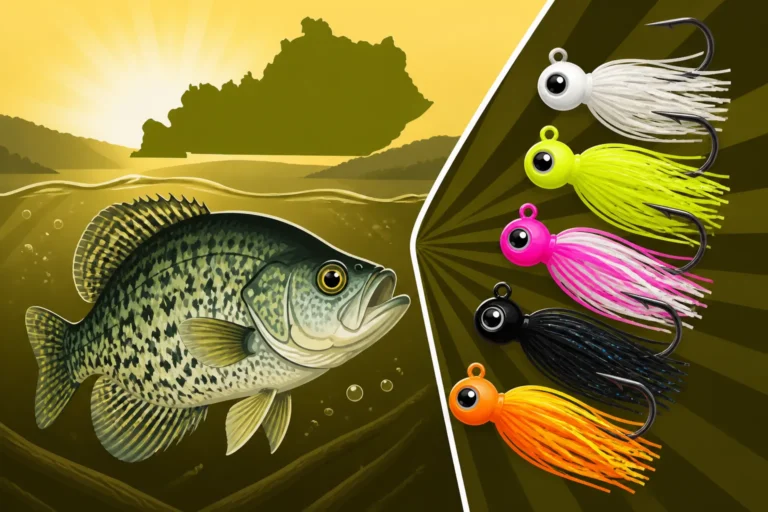
For example, if you're targeting big crappie, they often suspend over brush piles in 15-20 feet of water. You're simply not reaching that from the bank. Or if you're after a monster blue catfish on the Ohio River, you need to be able to anchor on specific ledges or humps in the main channel, something impossible without a boat. While a boat trip doesn't guarantee a limit every time, it significantly expands your opportunities to find and catch the fish that are truly biting, whatever their preferred depth or cover. This is particularly true for Kentucky Crappie Fishing: Spring Spawn Run Guide where boat anglers can follow the fish as they transition from deep to shallow and back again. Even if you're not going all out, a basic jon boat or a Best Fishing Kayaks for Kentucky Lakes and Rivers can drastically improve your odds compared to bank fishing.
Making the Choice: Which Method is Right for You?
Ultimately, the "better" method isn't about an absolute number of fish, but what aligns with your fishing goals, budget, and time commitment. Both have their place in the heart of a Kentucky angler.
Factors to Consider Before Your Next Trip
Before you commit to either the bank or the boat for your next outing, ask yourself a few questions:
- What are you targeting? If it's a casual outing for bluegill with the grandkids, the bank is perfect. If it's a tournament-level bass, crappie, or walleye hunt, a boat is almost a necessity.
- What's your budget? Bank fishing requires minimal investment beyond a basic rod, reel, and tackle, which you can easily acquire from retailers like Amazon. Boats come with significant upfront and ongoing costs.
- How much time do you have? Bank fishing is often quicker to set up and tear down. Boat fishing involves more preparation, launch/retrieve time, and cleanup.
- What kind of experience are you seeking? Are you looking for solitude and simplicity, or the thrill of exploring vast waters and using advanced tactics?
- Where are you fishing? Some bodies of water simply aren't suited for extensive bank fishing due to limited access or deep, steep banks. Conversely, very small ponds might not warrant launching a boat.
For many anglers, the answer isn't "either/or" but "both." You might enjoy the casual simplicity of bank fishing at a local pond during the week, and then take out your boat for a more serious expedition to one of Kentucky's big lakes on the weekend. Both methods offer unique joys and challenges, and both can be incredibly rewarding. The most important thing is to get out there and enjoy the incredible fishing opportunities Kentucky has to offer! Remember to always check the local Kentucky Fishing Regulations Explained for any body of water you plan to fish.
Disclaimer
This article is for general informational purposes only and does not constitute professional advice. Laws, prices and regulations vary by location and change over time. Consult a qualified professional for guidance on your specific situation.