Best Live Bait for Beginner Anglers
Stepping into the world of fishing for the first time, especially in a state as diverse as Kentucky, can feel a bit like trying to solve a puzzle with a thousand pieces. One of the biggest head-scratchers for new anglers is often, "What bait should I even use?" It’s a common frustration, staring at shelves of colorful lures and bins of wiggly things, wondering what's actually going to get a bite. This guide is here to simplify that choice, focusing on the best live baits that are easy to use, readily available, and incredibly effective for beginner anglers across Kentucky's abundant waters.
Earthworms and Nightcrawlers: The Universal Attractors
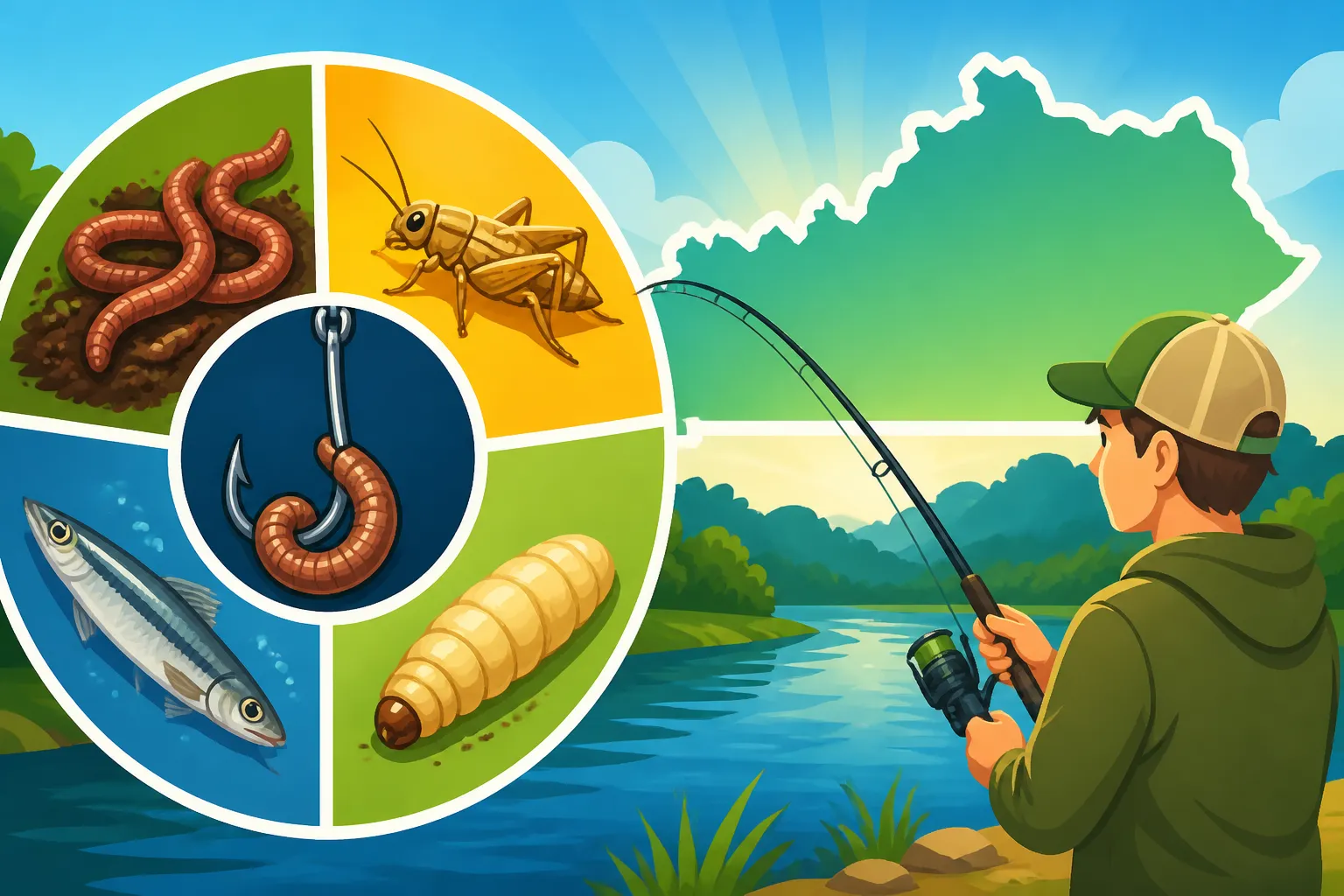
If there's one live bait that every angler, from seasoned veteran to absolute novice, should have in their tackle box (or at least nearby), it's the humble earthworm, particularly the larger nightcrawlers. These guys are the Swiss Army knife of fishing baits: universally appealing, incredibly simple to use, and effective for a staggering variety of fish species you'll encounter in Kentucky. You really can't go wrong starting here.
Why Worms Are a Beginner's Best Friend
Think about it: worms are natural food sources for nearly every freshwater fish out there. They fall into the water from rain-soaked banks, get washed in during storms, or simply wiggle their way into the aquatic ecosystem. Fish are hardwired to recognize and gobble them up. For you, the beginner, this means less time worrying about matching the "hatch" or perfectly mimicking a lure's action. Just put a worm on a hook, and nature does most of the convincing.
Plus, worms are tough. They stay alive on the hook for a good long while, even after a few nibbles, and their constant wiggling creates an irresistible action that fish just can't ignore. You can find them almost anywhere, from your local bait shop to the garden section of a big box store like Walmart, or even ordered in bulk bait containers online from places like Amazon. They’re also inexpensive, which is a huge plus when you're just starting out and might lose a few to snags or missed bites.
How to Rig a Worm for Success
Rigging a worm doesn't require any fancy knots or techniques. For nightcrawlers, a popular method is to thread it onto a hook, leaving a good portion of it dangling and wiggling. You can break larger worms into smaller pieces if you're targeting panfish like bluegill or smaller crappie, but generally, a whole nightcrawler is excellent for bass, catfish, and even some trout.
For a simple setup, try a Carolina rig or a slip-bobber rig. A Carolina rig involves a weight above a swivel, then a leader line to your hook, allowing the worm to drift naturally near the bottom. A slip-bobber rig is fantastic for fishing at various depths – you slide your bobber stopper up or down your line to set your desired depth, then add a small split shot weight a few inches above your hook to get the worm down. This presentation lets the worm do its natural dance, which is often all you need to entice a bite. These methods are straightforward and reduce the chances of your line getting tangled, which is a common frustration for new anglers.
What Fish Species Love Worms in Kentucky
In Kentucky, a wide range of popular game fish will readily strike a worm. Largemouth and smallmouth bass, especially smaller ones, can’t resist a juicy nightcrawler. Catfish, including channel cats and blue cats, are huge fans, often inhaling worms with gusto. Panfish like bluegill, redear sunfish, and even crappie (especially smaller ones) will eagerly take a piece of worm. If you're fishing in stocked trout waters, particularly places like Lake Cumberland or some of Kentucky's cold-water streams, a small worm or half a nightcrawler can be incredibly effective for rainbow trout. It truly is a versatile bait that opens up possibilities for catching almost anything swimming in the water.
Minnows and Small Fish: Predatory Delights
When you're ready to step up your live bait game and target some of Kentucky's bigger, more predatory species, minnows and other small baitfish are your next best friend. These are the natural forage for many of the larger fish we love to catch, offering a more substantial meal that can trigger aggressive strikes. It might seem a little more intimidating than a worm, but the rewards are often well worth it.
Why Minnows Attract Bigger Bites
Minnows mimic the natural diet of many of Kentucky's most sought-after game fish. A lively minnow, struggling on a hook, sends out vibrations and visual cues that scream "easy meal" to a hungry predator. This natural presentation is often far more effective than any artificial lure, especially when fish are finicky or under pressure. If you're aiming for a bigger bass, a chunky crappie, or a hefty sauger, a lively minnow is often the ticket.
Using live baitfish can also help you weed out smaller, nuisance fish and focus on those larger, more desirable catches. While a bluegill might peck at a worm, it’s less likely to swallow a 2-3 inch minnow. This makes your fishing more targeted and potentially more rewarding, especially if you're looking to put some nice fillets in the cooler. Just remember that freshness and liveliness are key; a sluggish minnow won't attract nearly as much attention.
Rigging Minnows for Different Species
The way you rig a minnow depends on what you're targeting and how you want it to swim. For crappie, a common method is to hook the minnow lightly through the back, just behind the dorsal fin, being careful not to hit the spine. This allows the minnow to swim naturally and stay lively. You can fish this under a bobber in shallow brush piles or vertically jig it in deeper water. For bass, you might hook a larger minnow (or shiner) through both lips, which keeps it lively and swimming forward. This can be fished under a bobber, free-lined, or even on a Carolina rig.
Another effective technique, especially for species like sauger and walleye in rivers or large reservoirs like Lake Barkley, is to use a "stinger" hook. This involves a main hook through the minnow's lip and a treble hook trailing near its tail, greatly increasing your chances of hooking short-striking fish. Always check local regulations, as some areas may have specific rules about treble hooks or baitfish size. When buying baitfish, ask the bait shop what they recommend for local waters. Kentucky Fishing Regulations Explained often cover bait restrictions, so it's always smart to check.
Top Kentucky Fish That Love Minnows
Kentucky offers fantastic opportunities for catching fish on minnows. Crappie anglers, in particular, swear by minnows, especially during the spring spawn or when fish are holding in deeper brush. Both black and white crappie find them irresistible. Largemouth and smallmouth bass will also readily hit minnows, particularly larger shiners or chubs. For sauger and walleye, especially in the Ohio River or the tailwaters below dams, live minnows are often the absolute best bait. Lake Barkley's Best Sauger Fishing Spots in Kentucky is a prime example where minnows shine. Catfish, too, especially flatheads, will pounce on a lively minnow or small shad. When you're ready to chase those bigger fish, minnows are a game-changer.
Insects and Larvae: Tiny Treats for Panfish and Trout
While worms and minnows get a lot of glory, sometimes the best things come in small packages. Insects and their larvae—things like crickets, mealworms, and grubs—are absolutely fantastic live baits, especially for smaller panfish and trout. They are often overlooked by beginners in favor of the more common options, but they can be incredibly effective and lead to some fast-paced action, which is perfect for building confidence.
The Appeal of Insect Baits
Insects and larvae are a natural part of any aquatic ecosystem. They fall from trees, hatch from underwater structures, or get swept into the water by currents. Fish, especially panfish and stocked trout, are constantly on the lookout for these high-protein snacks. What makes them so appealing for beginners is their effectiveness and the light tackle needed to fish them. You're not casting heavy lures or dealing with large, squirming bait. It's often a simple, straightforward approach that yields consistent results.
They're also relatively clean to handle compared to some other baits and can be kept easily in small containers. Many bait shops carry crickets and mealworms, and you can even raise your own if you get really into it! For delicate presentations, especially for finicky fish, a small insect bait is hard to beat. They offer a more subtle appeal than a large worm, sometimes making all the difference on a tough bite.
Simple Setups for Small Baits
For crickets, mealworms, or wax worms, simplicity is key. A small, light wire hook (size 8 or 10 is often perfect) is all you need. Hook the cricket once through the thorax or the mealworm once through one end, allowing it to wiggle naturally. A tiny split shot weight a few inches above the hook will help it sink, and a small bobber will indicate bites. This setup is incredibly effective for shore fishing on smaller ponds or casting from a boat in calm waters.
For trout in streams or clear lakes, you might even "drift" a mealworm or wax worm without any weight or bobber, allowing the current to carry it naturally. This "free-drifting" technique often fools wary trout that might shy away from heavier rigs. For panfish, simply dropping a cricket or mealworm next to submerged cover like lily pads or docks can result in an immediate strike. Remember, these baits are small, so light line (4-6 lb test) and a sensitive rod will help you detect those subtle bites. You can find these light fishing setups and tackle boxes on Amazon as well.
Target Species for Insect Baits in Kentucky
When you're fishing Kentucky's numerous ponds, small lakes, and slower-moving streams, insect baits are gold for panfish. Bluegill and redear sunfish absolutely love crickets and mealworms. You'll often find them schooled up around cover, eager to snap up these little morsels. Bluegill Fishing Tips for Beginners will tell you just how effective these baits are.
Stocked trout in places like Lake Cumberland and various Kentucky streams are also huge fans. Rainbow trout, in particular, are often conditioned to feed on insect larvae, making mealworms and wax worms incredibly productive. Even smaller crappie can sometimes be tempted by a cricket or a wax worm, especially if they're feeding on small insects near the surface or around shallow cover. These baits provide an excellent way to introduce kids to fishing, as the action is often fast and consistent.
Leeches: An Underrated Gem for Many Species
When you mention leeches as bait, you might get a few squeamish looks, but don't let their appearance fool you. Leeches are an incredibly effective, hardy, and often underrated live bait, particularly for a wide variety of species that inhabit Kentucky’s waters. For beginner anglers willing to try something a little different, leeches can be a real secret weapon, especially when other baits aren't producing.
The Durability and Attraction of Leeches
What makes leeches so good? First, their incredible durability. They can stay alive on a hook for a very long time, often outlasting minnows and even worms, making them a great choice for longer fishing sessions or when you're covering a lot of water. They're also incredibly tough, able to withstand multiple strikes and keep on wiggling. This saves you time re-baiting and ensures your presentation remains active.
Secondly, their natural swimming and wiggling action in the water is irresistible to many fish. They look like a juicy, easy meal. Unlike some other baits, leeches are less likely to be stolen by nuisance fish, meaning your bait stays in the strike zone longer for the target species. They're relatively easy to store, too, often coming in a small container with just enough water to keep them happy. You can find specialized leech containers or bait buckets on Amazon to keep them lively.
Rigging Leeches Simply and Effectively
Rigging a leech is straightforward. The most common method is to hook it once through the sucker at its head, making sure not to pierce too much of its body. This allows the leech to swim and stretch naturally, maximizing its appeal. For most applications, a plain hook (sizes 4 to 8 work well) with a split shot weight a foot or two above it is all you need. You can cast this setup and slowly retrieve it, let it drift with the current, or fish it under a bobber.
For targeting deeper-dwelling fish, you can use a drop shot rig or a three-way swivel rig, presenting the leech near the bottom. These rigs keep the leech off the bottom slightly, where it can be seen and ambushed by predatory fish. The key is to let the leech do its thing – its natural movement is its biggest draw. Don't overwork it; let it stretch and contract as it would naturally.
Kentucky Fish That Feast on Leeches
Leeches are a fantastic option for several popular Kentucky game fish. Smallmouth bass, in particular, absolutely love leeches. If you're fishing cooler waters or rivers where smallmouth thrive, a leech is often a go-to bait. Largemouth bass will also readily strike leeches, especially bigger ones.
Walleye and sauger are also huge fans, making leeches a great alternative to minnows when fishing the Ohio River or large reservoirs like Lake Barkley. Many anglers find leeches to be more durable and just as effective for these species. Even catfish, particularly channel cats, will devour a leech. And don't forget crappie – a small leech can be incredibly effective when crappie are being finicky or feeding on smaller invertebrates. Leeches are truly a versatile and often overlooked bait that can produce fantastic results for beginners willing to give them a try. Statewide Bag and Size Limits by Fish Species often apply to these catches, so always keep those in mind!
| Live Bait Type | Primary Target Species in Kentucky | Ease of Use for Beginners | Pros for Beginners | Cons for Beginners |
|---|---|---|---|---|
| Earthworms/Nightcrawlers | Bass, Catfish, Panfish, Trout | Very Easy | Widely available, universal appeal, durable, inexpensive, simple rigging. | Can attract smaller nuisance fish. |
| Minnows/Small Fish | Bass, Crappie, Sauger, Walleye, Catfish | Moderate | Attracts larger, more predatory fish, natural presentation. | Requires careful handling, needs aeration, can be more expensive. |
| Insects (Crickets, Mealworms) | Panfish, Trout, Small Crappie | Easy | Great for consistent action, clean to handle, excellent for light tackle. | Smaller fish, can be fragile, not ideal for large game fish. |
| Leeches | Bass, Walleye, Sauger, Catfish, Crappie | Moderate | Extremely durable, very lively, resists nuisance fish, effective on picky fish. | Some find them unappealing, can be less widely available than worms/minnows. |
Mastering the Art of Bait Presentation
No matter which live bait you choose, remember that presentation is often just as important as the bait itself. While live bait does a lot of the work for you, a little effort in how you present it can make a huge difference in your success.
Understanding Your Target Water
Before you even cast, take a moment to understand the water you're fishing. Are you on a deep reservoir like Lake Cumberland, a flowing river like the Ohio, or a calm farm pond? Different environments often call for different approaches. For instance, in a pond, fish might be shallow, hugging the banks or structure. On a big lake, they might be deeper, near ledges or submerged timber. Your bait choice and how you rig it should reflect these conditions.
If you're fishing a pond or small lake for panfish, a simple bobber and worm or cricket near cover is often all you need. For river fishing, a heavier weight might be necessary to keep your bait in the strike zone against the current, especially for species like catfish or sauger. Don't be afraid to experiment with different depths and locations until you find where the fish are holding. Best Shore and Bank Fishing Spots in Kentucky can give you ideas on where to start without needing a boat.
Patiently Observing and Reacting
One of the greatest lessons fishing teaches is patience. Live bait often works best when you let it do its job. Cast your bait, and then watch your line or bobber for any subtle signs of a bite. Sometimes it’s a gentle tug, other times a sudden dive. Don't be too quick to set the hook; let the fish take the bait fully. With worms, for instance, fish often nibble a bit before committing. With minnows, they might grab it and run before swallowing.
Being observant of your surroundings is also key. Are there birds diving for baitfish? Are there ripples on the water where fish are feeding? These cues can tell you where to cast your live bait for the best chance of success. As you gain experience, you'll start to recognize these patterns and become much more effective at reading the water and the fish. It’s a rewarding part of the fishing journey.
Keeping Your Live Bait Lively
The "live" in live bait is crucial! A fresh, active bait is far more enticing than a sluggish or dead one. Taking care of your bait ensures you get the most out of it and maximize your chances of a successful day on the water.
Proper Storage and Handling
For worms and nightcrawlers, keeping them cool and moist is paramount. A breathable container with some moist bedding material (like shredded newspaper or peat moss) in a cooler or shaded spot will keep them wiggling for hours. Avoid direct sunlight, which can quickly cook them. You can buy specialized worm bedding and coolers that double as bait containers on Amazon.
Minnows and other baitfish need clean, oxygenated water. A good bait bucket with an aerator (battery-powered ones are fantastic) is a must. Change their water regularly, especially on hot days, or if it starts to look cloudy. Don’t overcrowd your bait bucket, as this depletes oxygen quickly. If you're keeping minnows for more than a day, a larger container with a continuous aerator in a cool place is ideal. How to Rig a Jig for Crappie Fishing often involves keeping your minnows lively for vertical presentations.
Handling Bait on the Hook
When you're hooking your bait, try to be as gentle as possible. A healthy, lively bait will swim naturally and attract more attention. For worms, piercing them too many times can kill them quickly. For minnows, avoid hitting their spine or vital organs, as this will render them immobile and lifeless. Your goal is to keep them alive and active for as long as possible on the hook.
Always use appropriate hook sizes for your bait. A hook that’s too large can injure small bait, and a hook that’s too small might not hold a larger bait effectively. Having a variety of hook sizes in your tackle box, along with some small split shot weights and bobbers, will prepare you for using different live baits and targeting various species. Getting the right gear for this is an easy process, and you'll find plenty of options online and in local shops.
Disclaimer
This article is for general informational purposes only and does not constitute professional advice. Laws, prices and regulations vary by location and change over time. Consult a qualified professional for guidance on your specific situation.