Is Fishing Better in the Morning or Evening?
The age-old debate among anglers: Is fishing truly better in the morning or in the evening? It’s a question that can keep even the most seasoned Kentucky fisherman tossing and turning at night, or perhaps, setting their alarm for an ungodly hour. The truth is, both ends of the day offer unique opportunities and challenges when you’re out on the water, and often, the "best" time depends on a whole host of other factors. This comprehensive guide will cast a wide net over the environmental and behavioral elements that influence fish activity, helping you strategize your next trip to a Kentucky lake or river for maximum success.
The Science Behind Prime Fishing Times
Understanding why certain times are better can give you a significant edge. It’s not just folklore; there’s some real science behind why fish behave the way they do at different points in the day. It largely boils down to light, temperature, and the movement of their prey.
Light Levels and Fish Activity
This is arguably the most critical factor, especially for many of Kentucky's popular game species like bass, crappie, and walleye. Fish, much like us, respond to light, but often in the opposite way when it comes to feeding.
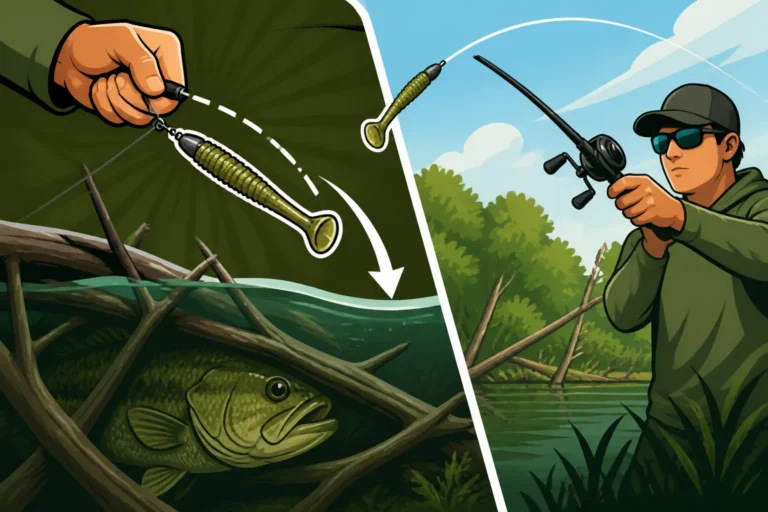
- Seeking Cover from Bright Sun: Imagine standing out in the blazing Kentucky summer sun without shade. You'd probably retreat indoors or under a tree, right? Fish do something very similar. Intense, direct sunlight can drive many species, particularly those with sensitive eyes, deeper into the water column or into the darkest, densest cover they can find – think thick brush piles, submerged timber, or under boat docks. At dawn and dusk, when the sun isn't directly overhead, fish feel more secure moving into shallower areas to feed actively.
- Reduced Visibility for Predators: Low light conditions also offer an advantage to predatory fish. It makes them harder for their prey to spot, leading to more successful ambushes. Conversely, it also provides some protection for the fish themselves from aerial predators like ospreys and bald eagles. Overcast conditions can mimic low light, often extending a good bite throughout the day, as the reduced light penetration makes fish less wary of your lines and lures.
- Species-Specific Preferences: It's important to remember that not all fish are created equal. While bass might prefer dawn and dusk, species like catfish are primarily nocturnal hunters, making the cover of darkness their absolute prime feeding time. They rely more on their incredible sense of smell and touch rather than sight, giving them an edge when the moon is high. Meanwhile, trout in clear, cold streams might tolerate brighter conditions but still appreciate the dimmer, cooler parts of the day.
Water Temperature Swings
Fish are cold-blooded creatures, which means their body temperature directly mirrors the water around them. This makes water temperature a huge driver of their metabolism, activity, and feeding habits.
- Morning Cool-Down: After a long night, especially during the warmer months, the water temperature in the early morning is typically at its coolest. This revitalizing coolness often brings fish from deeper, more stable temperature zones into shallower feeding grounds that might have warmed slightly overnight. Their metabolic rate, which dictates how quickly they digest food and how much energy they have, is often optimal during this gradual warming period after sunrise. This is why you often find fish more active and willing to chase a lure.
- Evening Cool-Off: As the afternoon sun begins its descent, the water temperature, which peaked during the hottest part of the day, starts to gradually drop. This cooling trend can also trigger a surge in fish activity, creating a "second bite" opportunity. Fish become more comfortable moving around and feeding after enduring the mid-day heat, eager to pack in calories before the full darkness of night sets in.
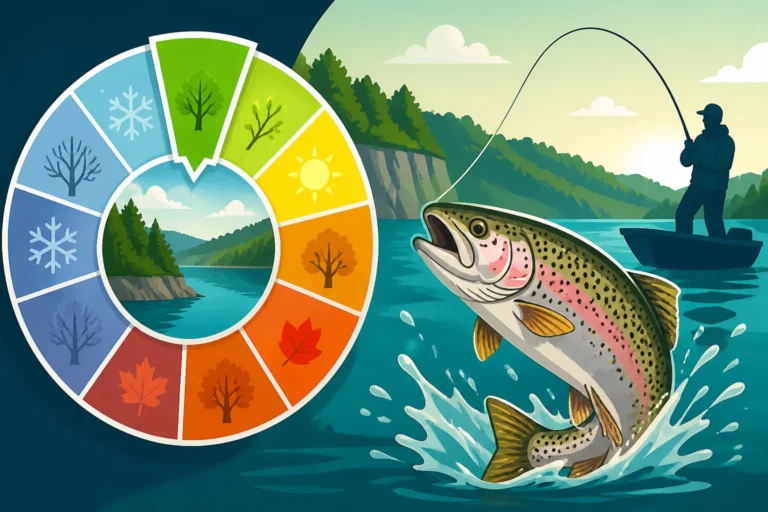
- Seasonal Variations are Key: It's vital to note that these temperature principles shift with the seasons. In the scorching heat of a Kentucky summer, early morning and late evening are almost always your best bet. However, during the chill of winter, the warmest part of the day – often mid-afternoon – might be when fish are most active, seeking out any available warmth to boost their sluggish metabolism. For a deeper dive into seasonal patterns, check out our article on Kentucky Fishing Seasons: What to Catch Each Month.
The Influence of Prey Movement
Fish don’t just randomly decide to feed; they respond to the activity of their food sources. Whether it’s baitfish, insects, or crustaceans, their feeding schedules dictate when the bigger fish will be on the prowl.
- Baitfish Blitz: Many smaller baitfish species, like shad, are highly active during low-light periods. They often rise to the surface at dawn and dusk to feed on plankton, creating visible flickers and boils that signal a buffet for larger predatory fish like bass, stripers, and sauger. Observing this surface activity is a golden clue for anglers. If you spot schools of nervous baitfish, you can bet there are predators lurking nearby.
- Insect Hatches: Fly anglers know this well, but it applies to all fishing: insect hatches often occur during specific windows, frequently around dawn or dusk. Mayflies, caddisflies, and other aquatic insects emerging from the water create an irresistible feast for trout and various panfish. Matching your lure or bait to these natural food sources, often called "matching the hatch," can lead to incredibly productive fishing sessions.
- The Food Chain Effect: When the smaller creatures are out and about, the entire aquatic food chain kicks into gear. This creates a cascade of activity, making these transitional periods extremely dynamic and exciting for anglers. If you're seeing signs of a bustling underwater world, it's a good time to have your line in the water.
Morning Fishing: Pros, Cons, and Best Practices in Kentucky
There’s a special kind of magic about being on the water before the rest of the world wakes up. For many Kentucky anglers, morning is the undisputed champion.
Sunrise to Mid-Morning: The Golden Hours
There’s a reason why so many devoted anglers willingly sacrifice sleep to be on the water at dawn. These initial hours can be some of the most productive.
- Peace and Quiet: One of the biggest advantages of morning fishing, especially on popular lakes like Kentucky Lake or Lake Barkley, is the profound calm. Less boat traffic, smoother water, and a generally serene atmosphere make for a more relaxing and often more productive experience. Fish are less pressured, more comfortable, and often more willing to bite. You’ll also find fewer distractions from jet skis and pleasure boats, allowing you to concentrate fully on your technique.
- Optimal Conditions for Many Species: As discussed, the combination of cooler water temperatures and low light at dawn creates ideal feeding conditions for a wide array of species. Bass, crappie, and many types of panfish frequently move into shallower water during these times, making them more accessible targets. The initial hours of light often yield the most consistent bites. If you're targeting bass, the spring peak season is particularly strong, as detailed in Kentucky Bass Fishing: The April-May Peak Season.
- Topwater Thrills: If you live for the explosive strike of a topwater lure, then morning is your absolute sweet spot. The low light and calm water allow fish to confidently ambush baits on the surface, creating heart-stopping splashes and pulls. Poppers, walk-the-dog baits, and buzzbaits are all excellent choices. The sound of a surface lure ripping across the water in the pre-dawn quiet is an experience every angler should cherish.
Tackling the Mid-Day Lull
While mornings are fantastic, the fishing often slows down dramatically once the sun gets high and bright. This doesn't mean you should pack up, but it does mean you need to change your strategy.
- Fish Retreat to Cover: As the sun climbs overhead and the water warms, many fish species will retreat. They seek out the deepest, coolest parts of the lake or river, or they bury themselves in dense cover and shade, like under boat docks, submerged logs, or thick weed beds. They become less active, conserving energy in the heat.
- Deeper, Slower Presentations: When the mid-day lull hits, your shallow-water, fast-moving tactics likely won't cut it. It’s time to go deep and slow. Switch to jigs, Texas-rigged plastic worms, or deep-diving crankbaits to probe those cooler, deeper haunts. Vertical jigging directly over brush piles, especially for crappie, can be incredibly effective. Sometimes, the key is to literally drop a bait right on a fish's nose and let it sit there for a while.
- Hunt for Shade and Structure: Don't underestimate the power of shade. Any structure that offers refuge from the sun – bridge pilings, steep bluff walls, overhanging trees, or even large boulders – can hold surprisingly active fish, even in the middle of a bright day. Fish will stack up in these areas, waiting for more favorable conditions or an easy meal to pass by.
Gear Up for Early Starts
Being prepared for a pre-dawn adventure is crucial for safety and success. A little planning goes a long way to making those early hours enjoyable.
- Essential Lighting: Navigating in the dark, tying knots, and rigging baits require hands-free lighting. A good quality headlamp is invaluable. Make sure to pack extra batteries, as there's nothing worse than your light dying when you're trying to re-tie in the dark. Keeping your tackle organized on platforms like Amazon with small tackle boxes or magnetic trays can make those dark-hour fumbles less frustrating.
- Layers and Rain Gear: Mornings can be surprisingly chilly, even in the dead of summer, especially out on the water with a breeze. Dress in layers that you can easily shed as the sun rises and the day warms up. A lightweight, waterproof rain jacket is also a smart addition, protecting you from morning dew, an unexpected shower, or even just boat spray.
- Fuel Your Body: A thermos full of coffee or hot tea can be a lifesaver during those pre-dawn hours. Pack some quick, easy-to-eat snacks to keep your energy levels up. Staying hydrated with water is also critical, regardless of the temperature, to maintain focus and comfort throughout your fishing session.
Evening Fishing: Pros, Cons, and Best Practices in Kentucky
As the day winds down and the sun dips below the horizon, a new window of opportunity opens up for Kentucky anglers. Evening and night fishing can be incredibly rewarding, offering a completely different experience.
Late Afternoon to Sunset: The Second Wind
Just like the morning, the evening hours leading up to and through sunset can provide a fantastic bite.
- Cooling Trend Triggers Feeding: As the intense heat of the day begins to subside and the sun’s rays soften, fish that were sluggish or hiding deep during the mid-day often become active again. They move shallower, seeking feeding opportunities before the full blanket of night descends. This creates a "second peak" feeding period that can be just as productive as the morning bite, offering a welcome resurgence of action.
- Declining Boat Traffic: While not always as empty as the pre-dawn hours, evening fishing generally means significantly less recreational boat traffic compared to the peak mid-day hours, especially on weekdays. This reduction in noise and disturbance can lead to a calmer, more peaceful fishing experience and, importantly, less pressured fish that are more willing to bite.
- Prime Time for Specific Species: The evening transition into night is particularly good for certain species. Catfish, for example, become much more active as the sun sets. They use their highly developed senses of smell and touch to hunt effectively in low light. If you’re targeting whiskerfish on the Ohio River, or any of Kentucky's great catfish waters, evening is definitely your time. Our guide on How to Fish for Catfish at Dusk offers great tips for this. Walleye and sauger also tend to be more active in the low light of dusk and into the night.
Night Fishing: A Different Beast
Don't assume fishing stops when the sun goes down. For many, the real fun begins after dark.
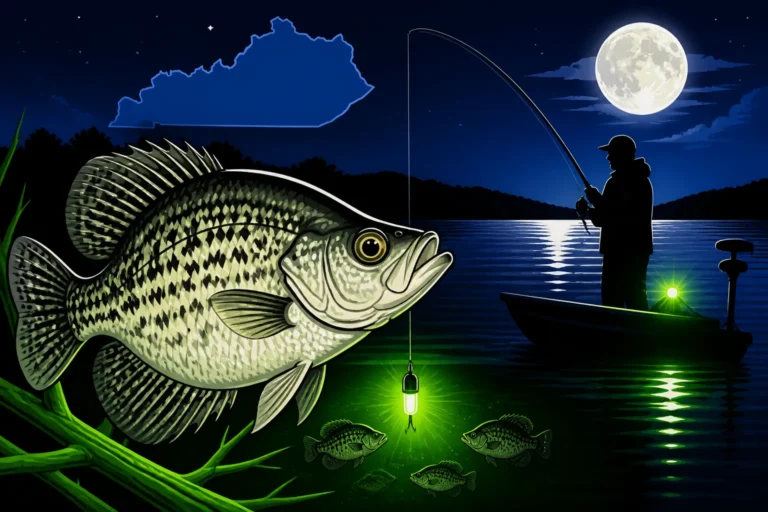
- Catfish and Crappie Heaven: Night fishing is synonymous with catfish for a reason. Using stink baits, cut bait, or even live bait under the cover of darkness can be incredibly productive for channel, blue, and flathead catfish. Crappie also respond remarkably well to submersible lights, which attract plankton, then baitfish, and finally, the crappie themselves. This can be a relaxing, social, and unique way to enjoy your time on the water.
- Surprising Bass Action: While not as commonly pursued as during daylight, bass will absolutely hit topwater lures at night, especially around bright moon phases or under the glow of dock lights. Larger, darker-profile surface baits can be very effective, creating a strong silhouette against the moonlight. Think about bigger baits that displace a lot of water – the commotion can draw them in.
- Unique Challenges and Rewards: Night fishing offers a different kind of thrill, but it comes with its own set of challenges. Navigating in the dark, identifying subtle bites, and dealing with insects can be tricky. However, the reward of a big fish under a starry sky or the quiet camaraderie with fellow anglers makes it all worthwhile. For those new to after-dark adventures, our Night Fishing Tips for Beginners can help you prepare safely.
Safety and Preparation for Dusk and Dark
Being prepared is non-negotiable when fishing after sunset. Safety should always be your top priority.
- Illuminate Your Way: Beyond a personal headlamp, proper lighting for your boat is crucial and legally required. Ensure your navigation lights are functioning, and consider an anchor light if you're stationary. For bank fishing, a lantern or even glow sticks for your rod tips can enhance visibility and help you see strikes.
- Insect Defense: Mosquitoes, gnats, and other biting insects can be a significant nuisance in the evening and at night, especially near water. A high-quality insect repellent is a must-have for comfort. Many effective options are readily available on Amazon, ensuring you can focus on fishing, not swatting.
- Extra Layers and Communication: Even on warm summer days, temperatures can drop significantly after sunset. Bring extra layers of clothing, including a jacket or sweatshirt, to stay comfortable. Always inform someone of your fishing plans, including your location and expected return time, especially if you're fishing alone at night. A fully charged cell phone is a crucial safety item.
Factors That Can Override Time of Day
While morning and evening often present prime fishing opportunities, there are several other powerful influences that can sometimes dictate fish activity more strongly than the time on the clock. Understanding these can prevent frustrating outings and help you adapt your strategy.
Seasonal Shifts and Their Impact
Kentucky's four distinct seasons profoundly affect fish behavior, often trumping the specific hour of the day.
- Spring and Fall Feeding Frenzies: These are generally considered the best fishing seasons because water temperatures are moderate, and fish are often found in shallower water feeding aggressively. In spring, fish are staging for or actively engaged in spawning (think about When Does Crappie Spawning Start in Kentucky or What Month Is Best for Bass Fishing in Kentucky), and in fall, they are frantically "bulking up" for the leaner winter months. During these transition periods, good fishing can often extend throughout much of the day, although mornings and evenings will still provide peak activity.
- Summer and Winter Extremes: Summer fishing often heavily relies on those morning and evening windows due to the intense mid-day heat and bright sun. Fish will seek deep, cool water or dense shade to survive. Adapting your techniques to these conditions is paramount. Conversely, in the depths of winter, the warmest part of the day (often mid-afternoon) might actually be the most productive time, as fish try to absorb any available heat and might briefly become more active.
- Spawning and Migration Patterns: Specific species have very particular seasonal windows where their behavior is predictable. Bass might be active throughout the day during their spawn, while the exciting white bass runs in spring can happen anytime the conditions are right. Knowing the seasonal patterns and life cycles of your target species is often more important than the exact clock time.
Weather Patterns: Fronts, Rain, and Wind
Mother Nature often holds the ultimate sway over fishing conditions. Understanding how weather fronts, precipitation, and wind affect fish can be a game-changer.
- Pre-Frontal Feeding Frenzy: Savvy anglers know to pay close attention to the forecast. Before a significant cold front moves in, particularly when the barometric pressure is falling, fish often go on an aggressive feeding binge. They sense the impending change in weather and will feed heavily, sometimes at any time of day. Knowing How Weather Fronts Affect Fishing Times can turn a potentially slow day into a banner one.
- Post-Frontal Slump: Conversely, after a strong cold front passes through, fishing typically slows down drastically. High, stable barometric pressure, clear skies, and often cooler temperatures make fish lethargic and extremely difficult to catch. In these challenging conditions, even prime morning or evening slots might yield little success. You'll need to work harder, slow down your presentation, and perhaps downsize your baits significantly.
- Overcast Skies and Rain: Overcast days or periods of light, steady rain can actually extend the "prime" low-light bite throughout the entire day. The reduced light penetration makes fish more comfortable in shallower water, and rain can stir up food sources or wash terrestrial insects into the water, creating feeding opportunities. Heavy storms, of course, are a different story, usually signaling that you should seek shelter immediately!
Species-Specific Habits
Not all fish abide by the same internal clock. Different species have evolved distinct feeding behaviors that dictate their most active periods.
- Diurnal vs. Nocturnal: As mentioned, bass, crappie, and sunfish are generally more active during daylight hours, with distinct peaks at dawn and dusk. Catfish, however, are notoriously nocturnal, often providing their best action after dark. Walleye and sauger also tend to be more active in low light conditions, making evening and night fishing excellent for them.
- Predator and Prey Synchronicity: Always consider the entire food chain. If the primary baitfish in a particular body of water are active at a certain time, then the larger predatory fish will likely follow suit. This means observing surface activity, watching for nervous baitfish schools, or using your fish finder to locate concentrations of bait can be more informative than simply looking at your watch.
- Adapting Your Approach: Your target species should heavily influence your fishing schedule. If you're going for crappie, morning and evening are usually best, but you can find them deeper during the day. For catfish, evening into night is often superior. If you're going for trout, cooler water in the morning or shaded stream sections might be key. Your choice of target will also guide your tackle selection; while a good Best Rod and Reel Combo for Beginners is a solid start, specialized tackle may be needed.
To help you visualize, here's a quick comparison of morning versus evening fishing:
| Feature | Morning Fishing (Dawn – Mid-morning) | Evening Fishing (Late afternoon – Night) |
|---|---|---|
| Light Conditions | Low, gradually increasing | Decreasing, transitioning to dark |
| Water Temp | Coolest of the day, slowly rising | Cooling from daily peak, slowly dropping |
| Fish Activity | Often very active, moving shallow to feed | Re-activates as heat subsides, nocturnal feeders come alive |
| Boat Traffic | Usually minimal, very calm | Decreasing, less than mid-day |
| Topwater Bite | Excellent for bass and other predators | Good for bass, especially at dusk; active at night for some species |
| Target Species | Bass, Crappie, Panfish, Trout | Catfish (especially at night), Bass, Crappie, Walleye, Sauger |
| Pros | Peaceful, strong bite, consistent action, great topwater | "Second bite" window, less crowded, excellent for nocturnal species |
| Cons | Requires early wake-up, mid-day can be slow, cooler temps | Mosquitoes/bugs, requires caution for night fishing, cooler temps |
| Gear Needs | Headlamp, warm layers, coffee | Headlamp, insect repellent, navigation lights, extra layers |
Ultimately, the best time to fish is whenever you can get out on the water! While science and countless anecdotes point to morning and evening as prime times, countless fish have also been caught in the middle of a sunny afternoon or the dead of night. It’s about understanding the prevailing conditions, adapting your techniques, and most importantly, enjoying the experience. Don't let the clock totally dictate your passion. Sometimes, simply finding the right lures on Amazon, such as specific choices for Best Lures for Early Morning Bass Fishing or robust tackle for Best Tackle Box Setup for Bass and Crappie, can give you an edge no matter the time of day.
Remember to always check the latest local regulations and ensure your Kentucky Fishing License Guide is up to date before heading out. Tight lines, friends, whenever you choose to drop a line!
Disclaimer
This article is for general informational purposes only and does not constitute professional advice. Laws, prices and regulations vary by location and change over time. Consult a qualified professional for guidance on your specific situation.