How to Set the Hook Properly When Fishing
There's nothing quite as frustrating in fishing as feeling that tell-tale tap, setting the hook, and coming up empty-handed. We've all been there, reeling in our line only to find our bait gone and our hopes dashed. This guide is here to walk you through the essential techniques for how to set the hook properly, helping you turn those subtle bites into solid hook-ups and more fish in your net on Kentucky's beautiful waters.
Understanding the Importance of a Good Hook Set
A successful fishing trip often hinges on a good hook set. It’s the difference between telling a story about "the one that got away" and showing off your latest catch. Many anglers, even experienced ones, underestimate the nuance involved, thinking it's just a violent jerk on the rod. But it's much more calculated than that!
Why We Miss Fish: Common Mistakes
One of the biggest culprits for missed fish is setting the hook too early. You feel a bump, get excited, and yank before the fish has fully committed to the bait. This often pulls the bait right out of their mouth. On the flip side, waiting too long can mean the fish has already spit the bait, or swallowed it too deep, making for a difficult and potentially harmful release. Then there's the issue of a soft hook set – a weak, hesitant pull that doesn't drive the hook point past the barb into the fish's mouth. Or maybe you had too much slack in your line, and when you reeled down and set, all that energy was absorbed by the loose line instead of translating into a solid jab. It's a delicate balance, and each type of fish and lure demands a slightly different approach.
The Anatomy of a Successful Hook Set
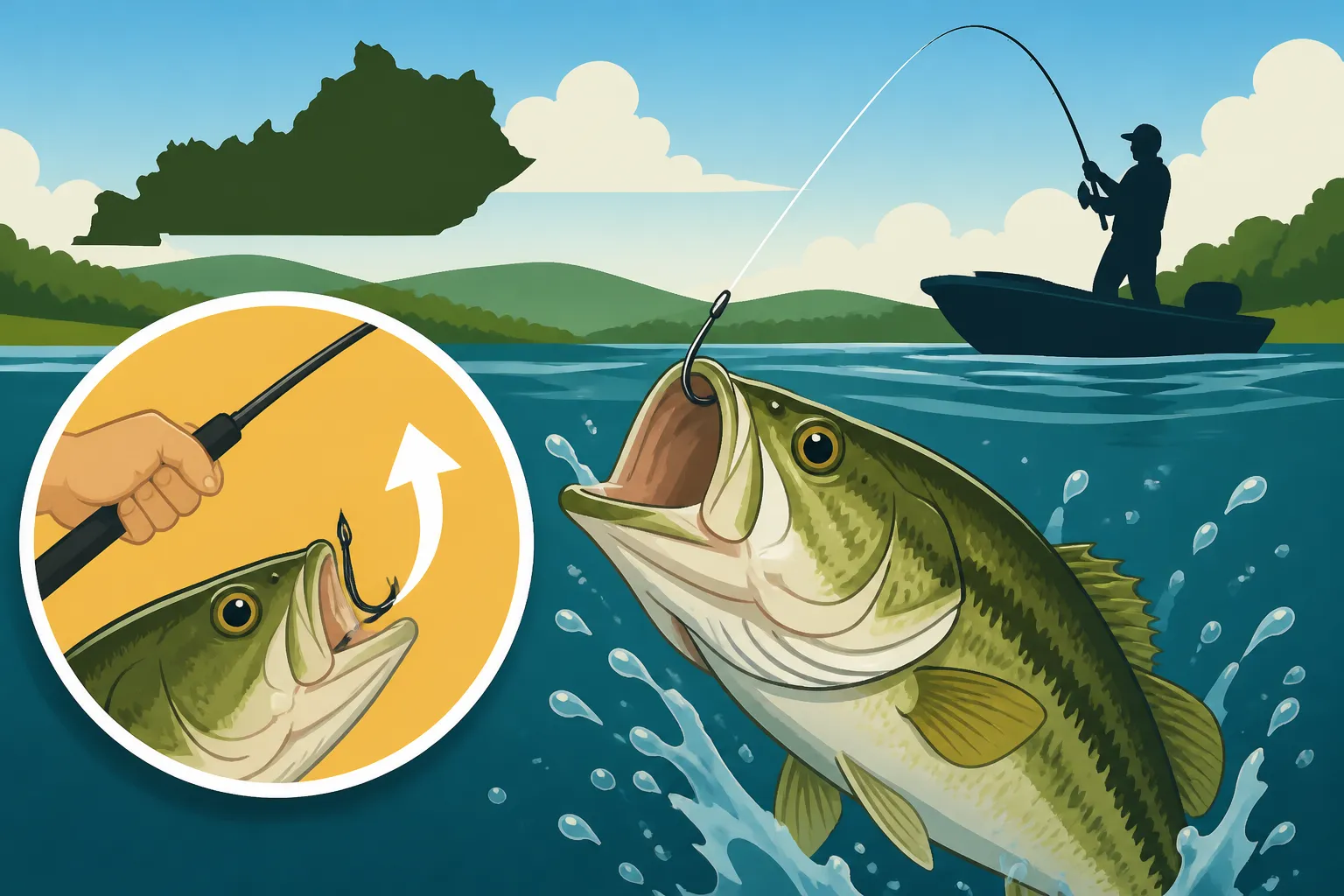
At its core, a successful hook set is about transferring enough energy from your hands, through the rod and line, to drive the hook point deep enough to secure the fish. This isn't just about strength; it's about timing and angle. The goal is to quickly and firmly embed the hook, ensuring it holds throughout the fight. When you feel a bite, the first crucial step is often to reel down and take up any slack in your line. This creates a direct connection to the fish. Then, with a confident motion, you apply pressure. The rod acts as a spring, absorbing some shock and multiplying your effort. A good hook set often sounds and feels like a solid "thump" as the hook finds its mark. It's truly a rewarding feeling when you get it right.
Fundamental Hook Setting Techniques
There isn't a single "right" way to set a hook, as different situations call for different approaches. However, mastering a few core techniques will cover most of your fishing scenarios, whether you're chasing bass in Kentucky Lake or panfish in a quiet pond.
The Classic "Sweep" or "Reel and Lean"
This is arguably the most common and versatile hook setting technique, especially popular for bass fishing with Texas-rigged plastics, jigs, or even crankbaits. When you feel a bite, resist the urge to immediately yank. Instead, point your rod tip directly at the area where you expect the fish to be. Reel in any slack until you feel direct pressure or the weight of the fish. Then, in one fluid motion, sweep the rod up and to the side, anywhere from the 10 o'clock to 2 o'clock position, depending on your casting angle. Don't just lift straight up; the side sweep maximizes the leverage and helps drive the hook in sideways, often catching the corner of the fish's mouth. As you sweep, keep reeling to maintain tension. This "reel and lean" approach provides continuous pressure and helps keep the line tight, reducing the chance of the fish shaking free. It's a powerful and consistent method that works for many species and lure types.
For anglers looking to upgrade their gear for this technique, consider browsing for a good medium-heavy casting rod on Amazon. A quality rod with good backbone will make those powerful sweeps much more effective.
The "Jig Set" for Finesse and Bottom Fishing
When you're fishing with lighter tackle, smaller jigs, or in situations where the fish are just "mouthing" the bait, a full-blown sweep might be overkill or even pull the lure away too quickly. This is where the "jig set" comes in handy. Instead of a long sweep, it's a short, sharp, upward snap of the wrist. Think of it more as punching the fish in the mouth rather than trying to pull them out of the water immediately. This technique is fantastic for crappie, bluegill, or even subtle walleye bites when vertical jigging. You often won't have much slack line, so the immediate upward motion ensures a quick, direct transfer of power. It's less about moving your whole body and more about a precise, quick flick of the wrist. This technique is particularly effective when you're using braided line, as its lack of stretch means even a small movement translates immediately to the hook.
Circle Hook Principles: Let the Fish Do the Work
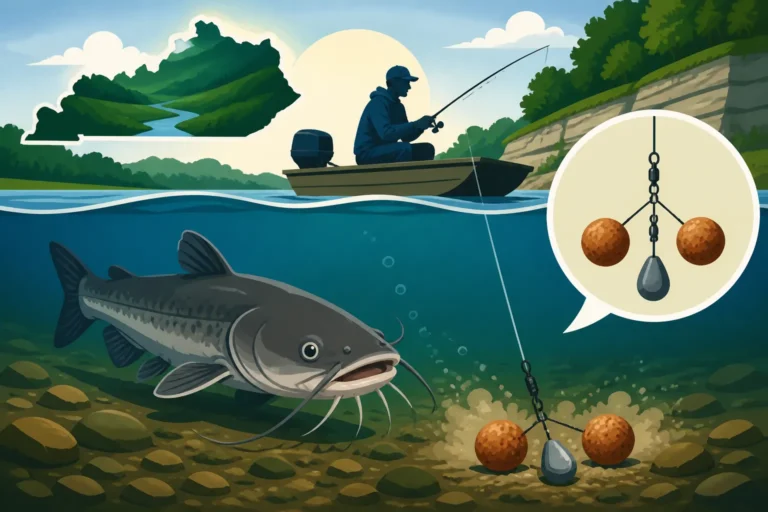
Circle hooks are a game-changer, especially for catfishing on the Ohio River or any time you prioritize catch and release. Unlike traditional J-hooks where you actively "set" the hook, circle hooks are designed to set themselves in the corner of the fish's mouth as the fish swims away with the bait. The key with circle hooks is not to rear back and set the hook with a strong sweep. Doing so will often pull the hook right out of the fish's mouth.
Instead, when you feel a bite, simply apply steady, increasing pressure. The fish will take the bait and swim off. As the line tightens, the unique design of the circle hook rotates, and the point typically lodges itself in the jaw, often without ever penetrating the gut. This results in far fewer deep-hooked fish, which is much better for their survival. You'll feel the rod load up, and then you just maintain that pressure, reeling steadily. It's a completely different mindset but incredibly effective and ethical for specific applications. If you're new to catfishing, definitely consider picking up some quality circle hooks on Amazon to try this method.
Adapting Your Hook Set to Different Situations and Species
Kentucky's diverse fishing opportunities mean you'll encounter a wide range of fish species, each with their own unique biting habits and mouth structures. Adjusting your hook set to match these differences is crucial for consistent success.
Hook Setting for Bass Largemouth, Smallmouth, Spotted
Bass fishing in Kentucky is an art form, and hook setting is a major part of it.
- Largemouth Bass: These guys often inhale their prey, creating a strong "thump" or a feeling of your line moving sideways. For soft plastics, jigs, and Texas rigs, wait until you feel definite weight or movement. Reel down to take up slack, then deliver a solid, sweeping hook set to drive that hook through their tough, bony jaws. When fishing crankbaits or spinnerbaits, which have treble hooks, a firm sweep is still needed, but often the fish will hook themselves simply by hitting the fast-moving lure. Just lean into it and keep constant pressure. You don't need to try and rip their lip off.
- Smallmouth Bass: Found in cooler, clearer waters like Dale Hollow Lake, smallmouth can be feistier and often hit with more aggression. Their mouths are also tough. Techniques similar to largemouth apply, but sometimes their bites can be more subtle, especially in deep water. Pay close attention to any change in line tension or movement. A sharp, quick sweep is usually best.
- Spotted Bass: Often found in the same waters as largemouth, spotted bass have smaller mouths and can be pickier. Their bites might be lighter, feeling more like a "tick" on the line. Finesse techniques work well for them, and a slightly quicker, more responsive hook set can be beneficial to ensure the smaller hook finds purchase.
For more details on these fighters, check out Largemouth Bass Fishing in Kentucky: The Complete Guide or Smallmouth Bass Fishing in Kentucky: The Complete Guide.
Hook Setting for Crappie and Panfish
Crappie, bluegill, and other panfish are known for their delicate, almost ghost-like bites. Their mouths are much softer and thinner than a bass's, so a violent hook set can actually tear the hook out or rip their mouth.
- Crappie: Whether you're using minnows or small jigs, crappie bites are often a subtle tap or a feeling of "mush" on the line. When you detect it, don't overreact. Instead, quickly reel down to eliminate slack and then use a gentle but firm upward motion of the rod. It's less of a sweep and more of a steady lift, ensuring the small hook sets without tearing. Sometimes, just maintaining constant pressure as they swim off is enough.
- Bluegill and Other Sunfish: These feisty little fish are often a beginner's first catch. They tend to "peck" at the bait. For these, a simple upward lift of the rod as you feel them tugging is usually sufficient. Remember, their mouths are tiny, so smaller hooks are essential, and a light touch on the hook set prevents injury and allows for easy release. Using ultralight tackle here really helps you feel those subtle bites and adjust your hook set accordingly. You can find some excellent ultralight combos for panfish on Amazon.
To dive deeper into crappie, see Kentucky Crappie Fishing: Spring Spawn Run Guide.
Hook Setting for Catfish and Other Bottom Feeders
Catfish, particularly the big blue and flatheads in the Ohio River, require a different kind of hook set altogether. Their mouths are incredibly tough, and they often engulf large baits.
- Channel Catfish: Often found in lakes and smaller rivers, channel cats will usually give a series of strong tugs. When you feel a sustained pull, indicating the fish has the bait, wait a moment to let them fully turn and commit. Then, with heavy tackle, deliver a powerful, sweeping hook set. You really need to put some muscle into it to drive the hook through their cartilaginous mouths.
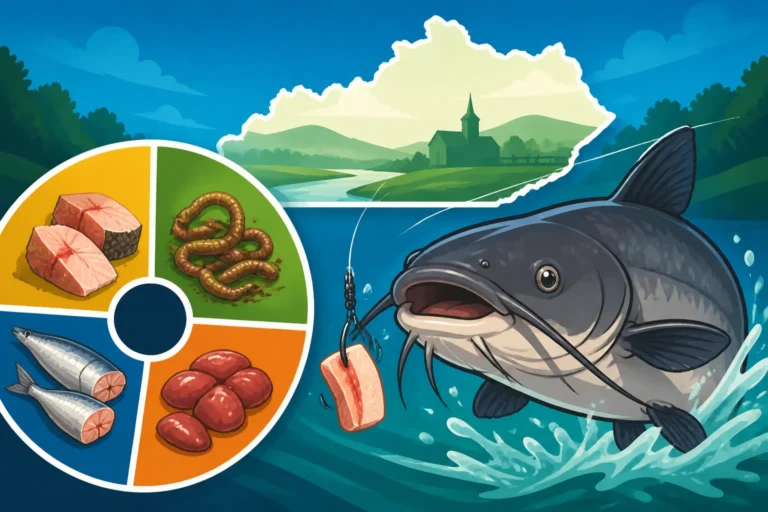
- Blue and Flathead Catfish: These monsters of the deep require even more power. When a big blue or flathead takes your cut bait or live bait, they often move off slowly but powerfully. Let them load up the rod. When the rod bends significantly, signaling they've got it, reel down to take up slack, then lean into a massive, authoritative sweep. Sometimes it takes more than one firm pull to get the hook properly seated. Think of it as a sustained effort rather than a quick snap. Because you're often fishing with larger, heavier hooks, that extra force is necessary. Exploring Kentucky Catfish Fishing: Ohio River and Kentucky Lake Guide might help you find those trophy fish.
Gear Considerations for Effective Hook Setting
The gear you choose plays a significant role in how effective your hook sets will be. The right rod, line, and even the hook itself can either hinder or greatly assist your efforts.
Rod Selection: Power, Action, and Length
Your fishing rod is the primary tool for executing a hook set, and its characteristics directly impact how well it performs.
- Power: This refers to the rod's lifting strength. For species with tough mouths or heavy cover, like bass in thick weeds or big catfish, you'll want a medium-heavy to heavy power rod. This provides the backbone needed to drive the hook home. For crappie and panfish, a light or ultralight power rod is ideal, as it's sensitive enough to detect subtle bites and flexible enough to prevent tearing their delicate mouths.
- Action: This describes where the rod bends. Fast action rods bend mostly in the tip, offering excellent sensitivity and quick hook sets, making them great for single-hook lures like jigs or soft plastics. Moderate or slow action rods bend further down the blank, providing more "give" and typically preferred for treble-hook lures like crankbaits, as they help prevent hooks from pulling out during the fight.
- Length: Longer rods can generate more tip speed and sweep, which can be beneficial for long casts and powerful hook sets, especially from the bank. Shorter rods offer more control and precision, often preferred for vertical jigging or tight quarters.
Here's a quick reference table for rod selection:
| Fish Species / Lure Type | Rod Power | Rod Action | Recommended Length | Notes |
|---|---|---|---|---|
| Largemouth Bass (Jigs/Plastics) | Medium-Heavy | Fast | 6'6" – 7'6" | Good backbone for driving hooks through thick jaws. |
| Crappie / Panfish (Jigs/Minnows) | Light – Ultralight | Fast – Moderate | 5'0" – 7'0" | Sensitivity for light bites, flexibility for soft mouths. |
| Catfish (Cut Bait/Live Bait) | Heavy | Moderate-Fast | 7'0" – 9'0" | Maximum power for heavy hooks and strong fish. |
| Crankbaits / Spinnerbaits | Medium | Moderate | 6'6" – 7'6" | "Give" to prevent ripping trebles out of fish mouths. |
| Topwater Baits | Medium | Fast | 6'6" – 7'0" | Quick tip for precise casts and explosive hook sets. |
Line Type and Its Role in Hook Setting
The type of fishing line you use profoundly impacts how you feel bites and how effectively your hook sets transmit force.
- Monofilament (Mono): This is a stretchy line, which can be both a blessing and a curse. The stretch acts as a shock absorber, helping to keep fish hooked during violent head shakes, especially with treble hooks. However, that same stretch can reduce sensitivity and absorb some of the power of your hook set, requiring a more forceful sweep. It's often favored for crankbaits and topwater lures.
- Fluorocarbon (Fluoro): With very low stretch compared to mono, fluorocarbon offers excellent sensitivity and direct power transfer. This makes it ideal for soft plastics and jigs where feeling subtle bites and delivering a strong, precise hook set is critical. It's also nearly invisible underwater, a bonus in clear Kentucky waters.
- Braided Line (Braid): Braid has virtually no stretch, providing incredible sensitivity and maximum hook-setting power. Every tap, every twitch, every slight movement is transmitted directly to your hands. This is fantastic for heavy cover fishing or deep water where feeling a bite can be challenging. However, its lack of stretch can also make it unforgiving, potentially tearing hooks out of soft-mouthed fish if you're too aggressive. Many anglers use a fluorocarbon leader with braided mainline to get the best of both worlds. For heavy-duty applications like paddlefish snagging on the Ohio River, braid is a must, and you can find many options on Amazon. If you want to learn more about the best line, check out Best Rod and Reel Combo for Beginners.
Hook Sharpness and Design
This might seem obvious, but a dull hook is the fastest way to miss fish. A sharp hook easily penetrates bone and cartilage, while a dull one will just slide off. Always check your hook points regularly, especially after fishing around rocks or cover. You can quickly sharpen them with a small hook file or simply replace them if they're too far gone.
Hook design also matters:
- J-hooks: Traditional J-hooks come in various shapes and sizes. Wide gap hooks are excellent for bulky baits and soft plastics, providing more room for the hook to penetrate. Straight shank hooks are good for certain worming techniques.
- Treble Hooks: Found on crankbaits, spinnerbaits, and topwater lures. Because there are three points, they often hook fish easily. The key here is not to over-set, but rather to lean into the fish and maintain steady pressure. A light touch can prevent tearing and ensure a solid hold.
- Circle Hooks: As discussed, these require no "set" from the angler. They are designed to hook in the corner of the fish's mouth as the fish swims away. They are a fantastic choice for bait fishing, especially for species like catfish, and significantly increase the survival rate of released fish.
Taking the time to understand these elements of your tackle and how they influence your hook set will undoubtedly lead to more successful fishing trips in Kentucky. Remember, practice makes perfect, and with a little patience and attention to detail, you'll be setting hooks like a pro in no time! For further reading on different techniques, consider articles like How to Set the Hook Properly When Fishing.
Disclaimer
This article is for general informational purposes only and does not constitute professional advice. Laws, prices and regulations vary by location and change over time. Consult a qualified professional for guidance on your specific situation.