How Long Does the Kentucky Crappie Run Last
Oh, the crappie run! It's that magical time of year when anglers across Kentucky start getting antsy, dreaming of full livewells and sizzling fish fries. But if you've ever spent countless hours on the water, you know the frustration of feeling like you just missed the peak, or wondering if you're too early. Understanding how long the Kentucky crappie run actually lasts is key to maximizing your success, and this guide is here to shed some light on the often-fleeting, but incredibly rewarding, crappie spawn.
Understanding the Crappie Run Phenomenon
The "crappie run" isn't just a catchy phrase; it's a fundamental part of the crappie's life cycle, driven by instinct and environmental cues. For many anglers, it represents the absolute best time of year to target these delicious panfish because they move into more accessible, shallower waters.
The Biological Drive Behind the Spawn
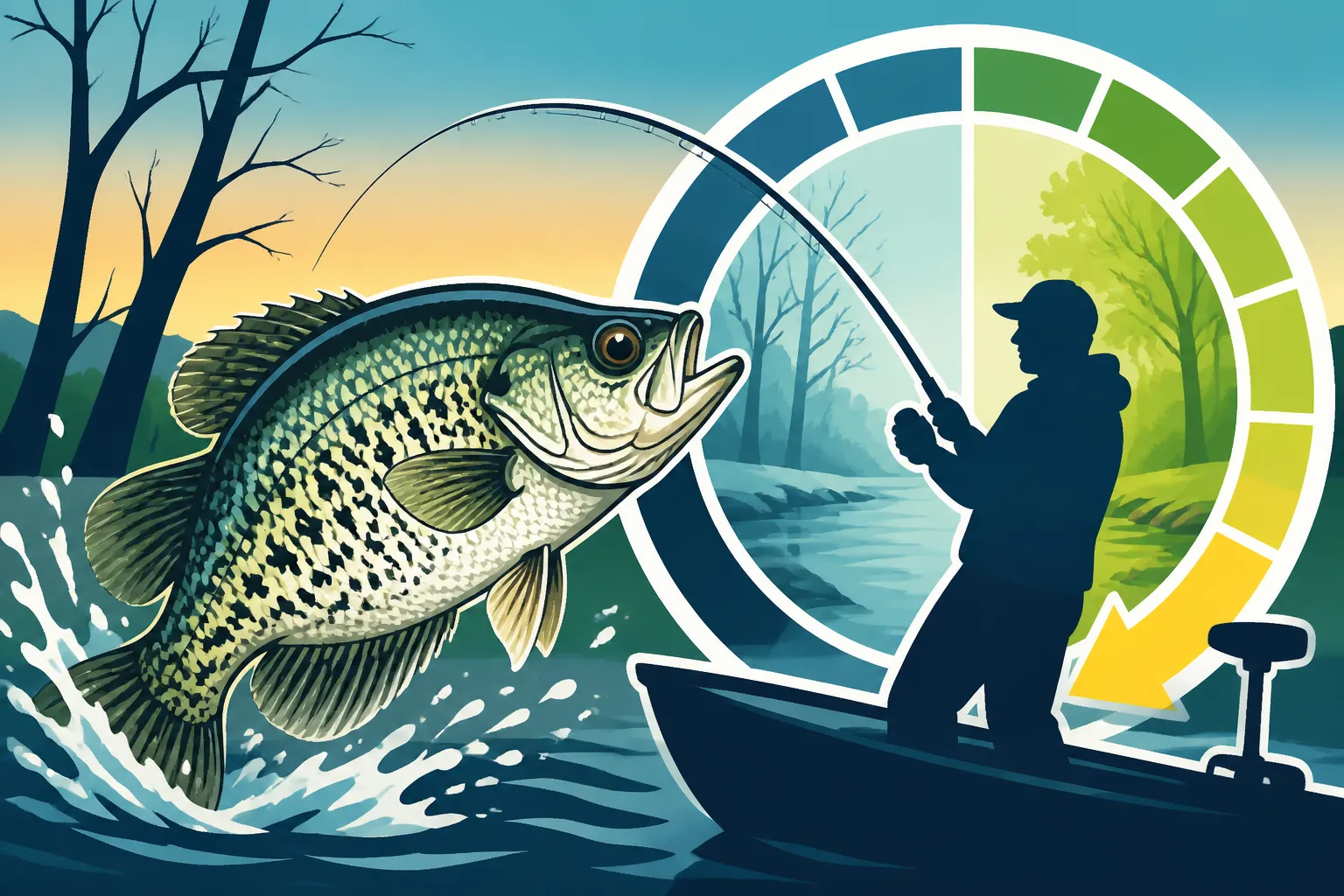
At its heart, the crappie run is all about reproduction. As the days lengthen and the sun's rays warm the water, crappie, specifically both black and white crappie found throughout Kentucky, begin to feel the irresistible urge to spawn. This biological imperative pushes them from their deeper wintering grounds into the shallows, seeking out suitable nesting sites. They're looking for firm bottoms, often around submerged brush, stumps, reeds, or docks, where they can lay their eggs. This congregation in shallower water makes them much easier to locate and catch, creating what we affectionately call the "run." It's a flurry of activity, both for the fish and for the eager anglers pursuing them.
Key Indicators That Signal the Start
You don't need a secret calendar to know when the crappie run is about to begin; the fish themselves will tell you. The primary trigger is water temperature. Generally, when surface temperatures consistently reach the upper 40s to low 50s Fahrenheit, crappie start staging in slightly deeper water adjacent to their spawning flats. Once the water warms further, typically hitting the mid-50s to low 60s, the full-blown spawn kicks in. You'll also notice other signs: subtle changes in local insect activity, the budding of trees, and sometimes even other fish species starting their own shallow-water movements. Keep an eye on the weather forecasts and invest in a good depth finder with a temperature gauge. You can also monitor reports from local bait shops and online fishing forums, as they often have real-time updates. This initial movement into staging areas is your first strong hint that the main event is just around the corner, signaling that it's time to start preparing your gear for some serious action.
Factors Influencing the Crappie Run's Duration
While the crappie run is a highly anticipated event, its exact timing and how long it sticks around can vary wildly from year to year, and even from lake to lake. It’s not a fixed date on the calendar, which can be frustrating, but understanding the variables helps you predict and adapt.
Water Temperature's Pivotal Role
Water temperature is the undisputed king when it comes to dictating the crappie spawn. Crappie are cold-blooded creatures, and their metabolic rate, and thus their spawning urge, is directly tied to the water's warmth. The "magic window" for crappie spawning in Kentucky generally falls between 58 to 68 degrees Fahrenheit.
Once the water consistently hits that lower end of the spectrum, the crappie will start moving into the shallows to build nests and lay eggs. If the temperature holds steady within this range, the spawn can be prolonged and spread out, with different waves of fish moving in and out of the shallows. However, a rapid rise or fall in temperature can either speed up or slow down the process dramatically. If the water warms quickly, the spawn might be intense but short-lived. Conversely, a prolonged cold snap can put the fish "on hold," waiting for stable conditions to return. Anglers often refer to "Kentucky Crappie Spawn Timing by Water Temperature" as the ultimate guide, knowing that a few degrees here or there can make all the difference between a slow day and a banner day.
Impact of Weather Patterns on the Spawn
Beyond just temperature, overarching weather patterns play a huge role in the duration and intensity of the crappie run.
- Stable Warm Weather: A stretch of consistent, mild, and sunny days without dramatic temperature swings is what every crappie angler dreams of. These stable conditions allow the water to warm gradually and evenly, encouraging fish to move shallow and stay there. In these ideal scenarios, the crappie run can feel like it lasts for weeks, with new waves of fish continually moving onto the beds. This is often when you'll hear tales of anglers catching their daily limits with relative ease.
- Cold Fronts: Ah, the dreaded cold front! These can be absolutely brutal during the spawn. A sudden drop in air temperature, especially after a warm spell, can send crappie scurrying back to deeper water just as quickly as they came in. The fishing can shut down almost entirely for a few days until the water stabilizes and warms back up. This means the actual "run" might be interrupted, making the overall window of opportunity shorter and more unpredictable. You might experience excellent fishing for a couple of days, only for a cold front to completely derail it for a week.
- Rain and Water Levels: Heavy rains can also impact the run. While a gentle spring shower usually doesn't deter crappie, torrential downpours can muddy the water, drop water temperatures, and even raise water levels significantly. Murky water makes it harder for crappie to see, and they may retreat to clearer areas or suspend, making them harder to locate. Fluctuating water levels can also disrupt their nesting sites. However, light rain or overcast conditions during stable temperatures can actually be fantastic, as crappie often feed more actively under low-light conditions.
Lake-Specific Variations in Crappie Duration
It's crucial to remember that not all Kentucky lakes are created equal, and the crappie run's duration can vary significantly from one body of water to another.
- Size and Depth: Larger, deeper lakes like Kentucky Lake or Lake Cumberland, with their massive water volume, tend to warm up slower in the spring but also hold their warmth longer. This often results in a more drawn-out, staggered spawn. Crappie in different coves or sections of these large reservoirs might spawn at slightly different times, depending on sun exposure, depth, and the presence of springs or inflows. Smaller, shallower lakes and ponds, on the other hand, warm up much faster. Their crappie runs can be incredibly intense but might also be much shorter, as the entire lake warms quickly and the fish complete their spawning ritual in a more compressed timeframe.
- Forage and Habitat: Lakes with abundant cover—think flooded timber, dense brush piles, extensive weed beds, or numerous docks—can offer more widespread spawning habitat, potentially spreading out the crappie run across different areas and allowing more fish to participate over a longer period. Lakes with less ideal habitat might see crappie congregating in fewer, more specific areas, making the "run" more concentrated but also potentially shorter. The presence of ample forage, like shad or other baitfish, also plays a role in the overall health and vigor of the crappie population, influencing how robust and prolonged their spawning activity will be. Knowing the characteristics of your chosen fishing spot, perhaps one of the Best Crappie Fishing Lakes in Kentucky, is invaluable.
Typical Duration and Peak Times in Kentucky
So, let's get down to the brass tacks: when can you actually expect the crappie run, and how long can you realistically expect it to last in Kentucky? While there's no exact crystal ball, historical patterns and biological principles give us a pretty reliable framework.
General Timeline for the Kentucky Crappie Season
In Kentucky, the crappie run is a quintessential spring event. You can generally start seeing pre-spawn activity as early as late February or early March, especially in shallower lakes or during exceptionally warm winters. However, the true "run" typically kicks off in earnest around mid-March and extends through May.
- March: This is often when the first significant movements begin. Crappie will start staging in slightly deeper water adjacent to their intended spawning grounds. They're feeding aggressively to build energy for the spawn. Fishing can be excellent during this pre-spawn phase, as fish are often concentrated and hungry.
- April: This is usually the peak month for crappie spawning across much of Kentucky. Water temperatures are consistently hitting that prime 58-68 degree Fahrenheit range. You'll find waves of fish moving in and out of the shallow spawning beds. This is when you'll see many anglers out, boats congregating, and reports of limits being caught. For many, April is when the "Kentucky Crappie Fishing: Spring Spawn Run Guide" truly comes alive.
- May: The crappie run often continues into early to mid-May, particularly in larger, deeper lakes or northern parts of the state where water warms slower. By late May, especially if temperatures rise quickly, most of the crappie will have completed their spawning duties and will begin transitioning to their post-spawn patterns.
It's important to remember that this is a broad timeline, and local conditions will always dictate the specifics.
The Peak Window: When the Action is Hottest
The absolute "peak" of the crappie run, when the most fish are shallow and actively spawning or guarding nests, usually lasts for about two to three weeks within that broader March-to-May window. During this peak, crappie are highly vulnerable and can be caught using a variety of methods. This is when you can practically cast a jig anywhere in a shallow, brushy cove and expect to get a bite.
Think of it like this: the entire crappie spawning period might be six to eight weeks long, but the peak run – that incredible flurry of activity where fishing is lights out – is much shorter and more intense. Missing this specific window by even a week can make a noticeable difference in your catch rates. Many anglers watch the "When Does Crappie Spawning Start in Kentucky" reports like hawks, planning their vacations around that crucial peak window.
| Crappie Run Stage | Approximate Timing in Kentucky | Water Temperature | Fish Behavior | Fishing Prospects |
|---|---|---|---|---|
| Pre-Spawn | Late Feb – Early March | 48-55°F | Staging in deeper coves, actively feeding. | Good, fish concentrated. |
| Early Spawn | Mid-March – Early April | 55-62°F | First waves move to shallow beds. | Excellent, strong bite. |
| Peak Spawn | Mid-April – Early May | 62-68°F | Most fish actively spawning, guarding nests. | Phenomenal, aggressive bites. |
| Late Spawn | Mid-May | 68-72°F | Final waves spawn, fish start retreating. | Good, but more scattered. |
| Post-Spawn | Late May – June | 70°F+ | Recovering, moving to summer patterns. | Fair, requires new tactics. |
Disclaimer: These are general guidelines. Always check local conditions and specific lake reports.
Transition to Post-Spawn: Where Crappie Go Next
Once the bulk of the crappie have spawned, typically as water temperatures consistently push above 70 degrees Fahrenheit, they don't just disappear. Instead, they begin a transition to their post-spawn patterns. Initially, many fish will spend some time recovering in slightly deeper water adjacent to their spawning flats, often suspending around submerged timber or brush piles in 8-15 feet of water. They might be a bit lethargic immediately after the spawn, but their appetites soon return.
As summer truly sets in, crappie will usually move to their deeper summer haunts, often congregating in schools around thermoclines, offshore humps, deep brush piles, or main lake points. This means that while the frenetic "crappie run" might be over, the fishing isn't necessarily done for the year. It just requires a different approach, moving from casting small jigs in shallow water to perhaps vertical jigging or slow trolling deeper structure. Knowing these transitions helps you stay on the fish year-round.
Extending Your Crappie Fishing Success Beyond the Peak
Just because the intense, shallow-water crappie run has slowed down doesn't mean you have to hang up your crappie gear! Smart anglers know that crappie can be caught year-round; it just requires a change in tactics and a bit more detective work.
Shifting Tactics for Post-Spawn Crappie
After the peak of the spawn, crappie typically retreat from the extreme shallows. They need to recover from the arduous spawning process and will often suspend or relate to structure in slightly deeper water. This is when your strategy needs to evolve.
- Go Deeper, but Not Too Deep (Yet): Look for crappie in the 8- to 15-foot range, particularly in the mouths of coves or along main lake points where there's submerged cover like brush piles, standing timber, or old creek channels. A good fish finder becomes your best friend here, helping you locate these unseen structures and the fish holding to them.
- Vertical Presentations: Instead of casting and retrieving, consider vertical jigging directly over these structures. Tiny jigs, like a 1/16 or 1/8 ounce, tipped with a small plastic grub or a live minnow, are incredibly effective. A technique often called "spider rigging" (using multiple long poles to present baits at various depths) can also be highly productive when crappie are scattered at these mid-range depths. For those looking for versatile options, you can often find good quality spider rigging setups on Amazon.
- Slow Trolling: Another effective post-spawn tactic is slow trolling. This allows you to cover more water and present your baits to scattered fish. Use multiple rods with different colored jigs or minnow rigs, varying your depth until you find the fish. Trolling at speeds as slow as 0.5 to 1.5 mph can entice those less aggressive post-spawn crappie.
Finding Crappie in Summer: Understanding Summer Patterns
As the water continues to warm and summer truly sets in, crappie will often move to their deepest haunts, seeking cooler, more oxygenated water. This is where many fair-weather crappie anglers give up, but persistent ones know the rewards.
- Deep Water Structure: Look for crappie holding to deep submerged brush piles, creek channel ledges, main lake humps, or even around bridge pilings in 15 to 30 feet of water, or even deeper in some Kentucky lakes. They'll often orient to the thermocline if one is present.
- Schooling Behavior: Crappie tend to school up more tightly in summer. If you find one, you're likely to find many. Your fish finder is absolutely essential for pinpointing these schools. Once you mark a school, deploy your vertical jigging or slow trolling tactics directly over them.
- Early Morning/Late Evening: While deep water is key, don't overlook low-light conditions. In the very early morning or late evening, some crappie might move shallower briefly to feed, especially if there's significant overhead cover. This is when you can sometimes catch them relating to boat docks or shady areas.
Gear Adjustments for Different Seasons
Your tackle box needs to be as adaptable as your techniques when fishing for crappie beyond the spring run.
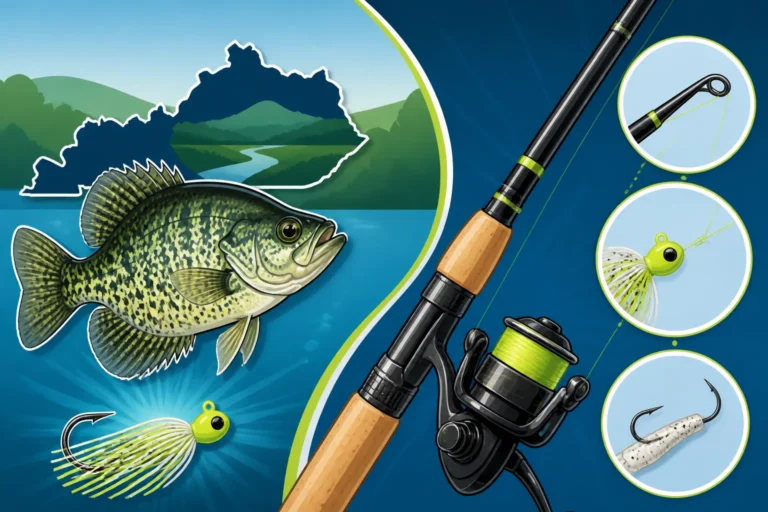
- Jig Weights: While 1/16 and 1/32 ounce jigs dominate the shallow spawn, consider moving up to 1/8, 1/4, or even 3/8 ounce jigs for deeper water. These heavier jigs get down to the fish faster and maintain better contact in current or wind. You'll find a wide variety of these weights and corresponding soft plastic grubs and tubes readily available on Amazon for every depth and condition.
- Line Size: For deep-water crappie, a slightly heavier line, like 6 to 8 pound test monofilament or fluorocarbon, can be beneficial, especially if you're dealing with brush piles that could abrade your line. For sensitivity, some anglers even opt for thin braided line with a fluorocarbon leader.
- Rod Length and Action: While a short, sensitive rod is great for close-quarters jigging in the shallows, longer rods (7-10 feet) can be advantageous for spider rigging or trolling, allowing you to spread out baits and cover more water.
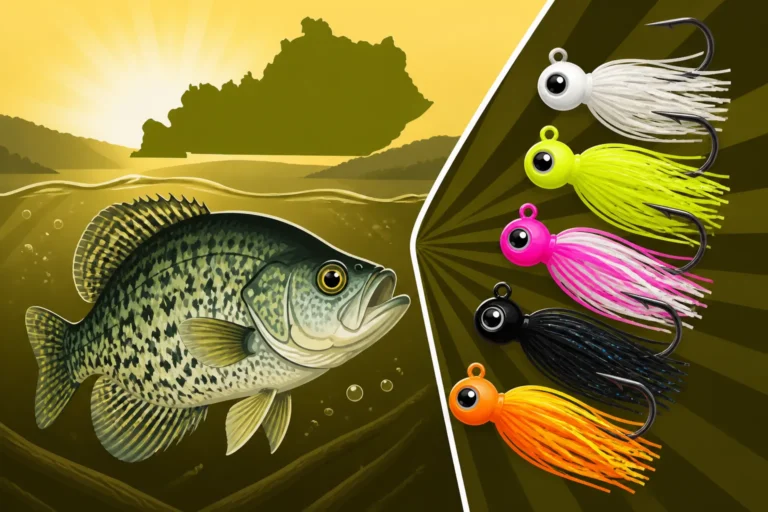
- Bait Choices: Live minnows remain a perennial favorite for crappie, especially when they are less active. However, small plastic grubs, tubes, and soft plastic baits in natural colors (like shad, clear, or smoke) are highly effective. Don't be afraid to experiment with brighter colors on overcast days or in stained water. Knowing the Best Crappie Jig Colors for Stained Water can really make a difference. Always keep a variety on hand; a good selection is easy to stock up on from retailers like Amazon.
Remember, the crappie run is a spectacular but finite event. By understanding the factors that influence its duration and adapting your strategies, you can enjoy successful crappie fishing throughout the year, long after the spring frenzy has passed. And always be mindful of regulations, like the Kentucky Crappie Daily Limit Rules, to ensure sustainable fishing for everyone.
Disclaimer
The information provided in this guide is for general informational purposes only and is subject to change. Fishing regulations, seasons, and conditions can vary by location and time. Always consult the official Kentucky Department of Fish and Wildlife Resources (KDFWR) website or publications for the most current and accurate rules and guidelines before engaging in any fishing activities. Adherence to all local, state, and federal laws is the responsibility of the angler.