Beginner Mistakes to Avoid When Fishing
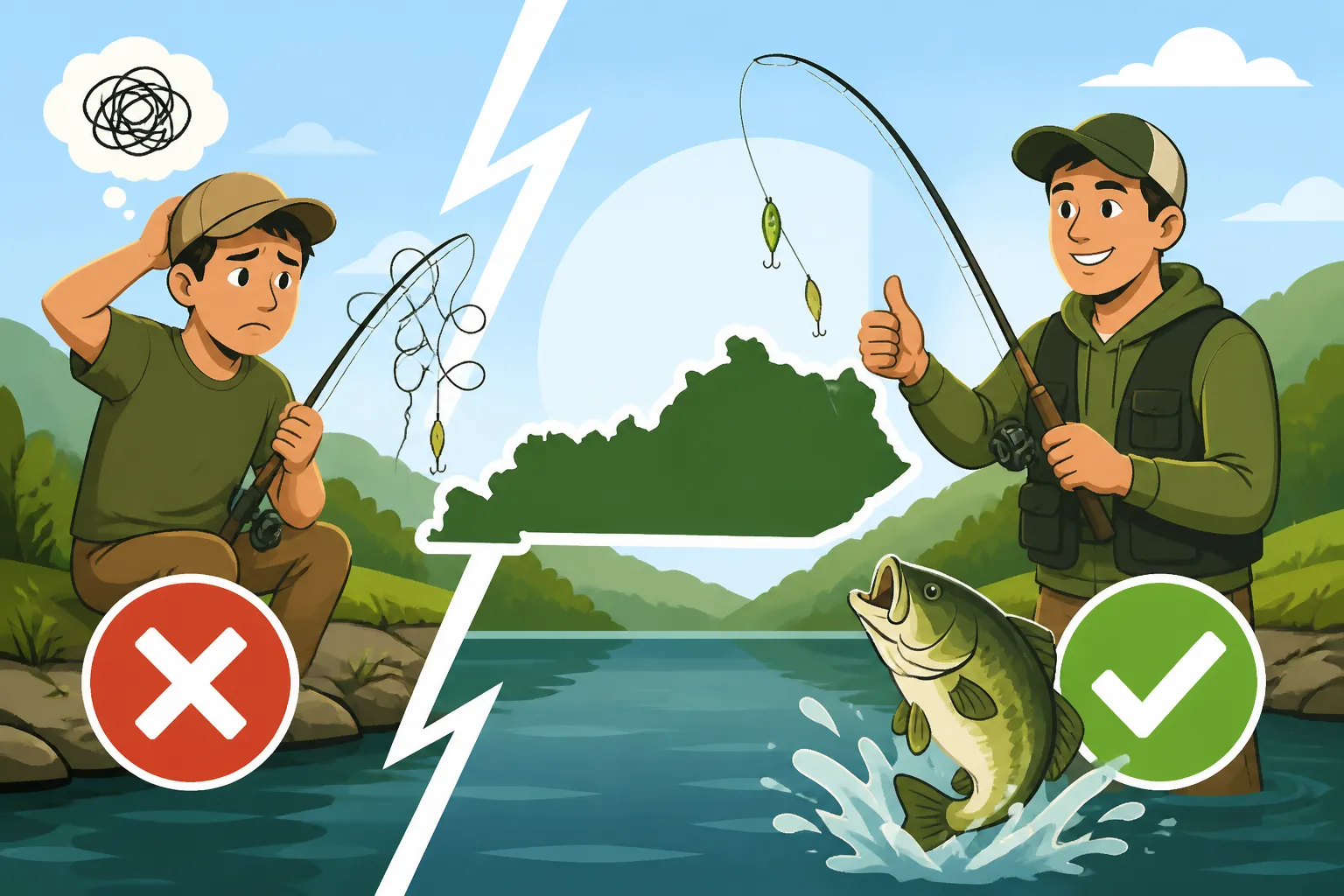
If you've ever found yourself sitting by the water, rod in hand, wondering why everyone else seems to be catching fish while your bobber stays stubbornly still, you're not alone. We've all been there – that initial rush of excitement often gives way to a bit of frustration when the bites aren't coming. This guide is here to walk you through the most common beginner mistakes in fishing, helping you sidestep those early pitfalls and set you up for more enjoyable and successful outings on Kentucky's beautiful lakes and rivers.
Overlooking Essential Preparation and Planning
One of the biggest hurdles for new anglers isn't about their casting technique, but simply not being prepared before they even leave the house. Fishing, like any outdoor activity, benefits immensely from a little foresight. Skipping these crucial steps can quickly turn a peaceful day on the water into a headache.
Ignoring Licenses and Regulations
It sounds obvious, but you'd be surprised how many folks, especially those just trying it out, forget that fishing isn't a free-for-all. Every state has rules, and Kentucky is no exception. Thinking you can just grab a rod and hit a public lake without a license is a common, and potentially costly, oversight. Not only can you face fines, but it also means you're missing out on vital information about what you can and can't keep.
You absolutely need a valid Kentucky Fishing License Guide before you cast a line in public waters. This isn't just about legality; it's about supporting conservation efforts that keep our fisheries healthy and abundant. Plus, there are specific Kentucky Fishing Regulations Explained for different species, lakes, and seasons. Imagine finally hooking into a nice bass, only to realize it's out of season or below the legal size limit for that particular body of water. It's heartbreaking! Always check the current regulations published by the Kentucky Department of Fish and Wildlife Resources before your trip. You can often purchase licenses online or at local sporting goods stores, making it super convenient. Sometimes, if you're just trying to gauge if fishing is for you, a short-term license might be perfect. You might even consider How to Choose the Right Fishing License Length for a Weekend Trip.
Choosing the Wrong Gear and Bait for the Target Species
Stepping into a tackle shop can be overwhelming, with walls full of lures, rods, and gadgets. It’s easy to grab something that looks cool or is on sale, only to find it's completely unsuitable for what you're trying to catch. Trying to catch crappie with a heavy bass rod and a giant crankbait, for instance, is like trying to hammer a nail with a screwdriver – it's just not going to work well.
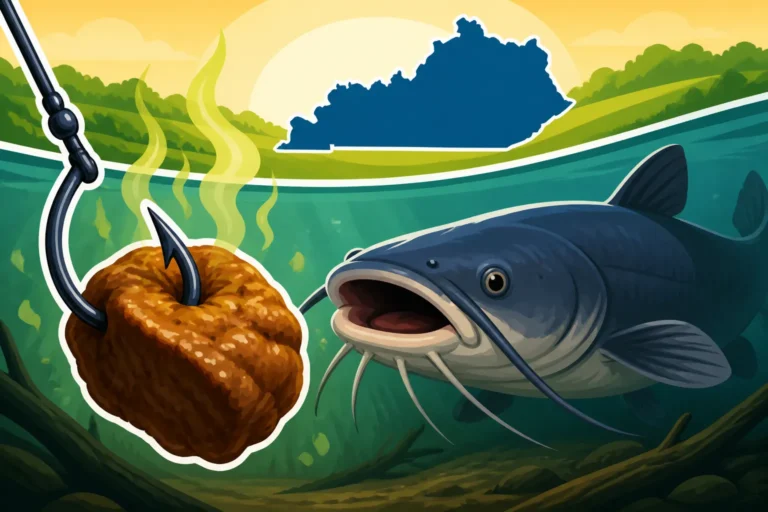
The right gear makes all the difference. For beginners, it's usually best to start with a versatile, medium-light rod and reel combo that can handle a variety of common Kentucky species like bluegill, crappie, and smaller bass. Don't feel like you need to spend a fortune right away. You can find some excellent beginner-friendly combos on Amazon that will get you started without breaking the bank. As for bait, research what the fish you're targeting actually eat. Crappie love minnows and small jigs, while catfish are often drawn to stink baits or cut bait. Bass will hit a wide array of lures, but even then, matching the hatch or choosing lures appropriate for the water depth and clarity is key. If you're going after panfish like bluegill, a simple hook, bobber, and a worm will often outperform the fanciest lures. Check out some tips on Best Live Bait for Beginner Anglers for easy wins.
Ignoring Weather and Water Conditions
"Any day fishing is better than a day at work," right? While that's true, some days are definitely better for catching fish than others. Many beginners make the mistake of heading out regardless of the conditions, expecting success, then getting discouraged when the fish aren't biting. Fish are highly influenced by their environment, and sudden changes can shut down the bite completely.
Think about how you feel on a hot, humid day versus a cool, breezy one. Fish have similar sensitivities. Drastic temperature drops from a cold front, heavy rain that muddies the water, or strong winds can make fish less active or drive them to deeper, more protected areas. Before you head out, always check the weather forecast. Pay attention to not just air temperature, but also how it's been changing, and look up recent water temperatures if possible. If a cold front just blew through, you might need to slow down your retrieve, use smaller baits, or fish deeper. On a hot, sunny day, fish might be seeking shade under docks or submerged cover. Understanding How Weather Fronts Affect Fishing Times can seriously improve your odds. Also, consider the clarity of the water. Clear water often calls for more subtle baits and lighter lines, while muddy water might require brighter colors or baits that create more vibration and scent.
Common On-the-Water Technique Blunders
Once you're actually at the water's edge, loaded with your license and appropriate gear, the real fun begins. But even here, there are several common errors that beginners often fall into that can reduce their chances of a bite or even lose a fish once it's on the line.
Improper Casting and Line Management
Learning to cast smoothly and accurately takes practice, and it's something many new anglers struggle with. A tangled mess of line (a "bird's nest" or "backlash") is a universal frustration, especially with baitcasting reels. Beyond casting, simply not paying attention to your line can mean missing bites or getting snagged.
For most beginners, a spinning reel is the easiest to learn on. Practice casting in an open yard first, aiming for a target. Focus on a smooth, controlled motion rather than trying to power through it. The goal isn't necessarily distance at first, but accuracy and avoiding tangles. Once your lure is in the water, line management is key. Always keep a slight tension on your line so you can feel a bite. A slack line is an invisible line. Furthermore, when retrieving, avoid letting excess line spool off; if you get a bite with too much slack, setting the hook effectively becomes nearly impossible. If you're using a bobber, make sure it's weighted correctly so it stands upright and indicates even subtle nibbles. Keep your line clean and free of twists, which can weaken it and cause break-offs.
Fishing Too Fast or Too Slow
Fish aren't always in a hurry, nor are they always lethargic. One of the trickiest parts of fishing is figuring out the "right" retrieve speed for the day. Beginners often get into a rhythm that's comfortable for them, not necessarily for the fish.
If you're reeling in too fast, you might be pulling your lure right over the fish's head before it has a chance to react, or making it look unnatural. This is especially true in colder water or after a cold front when fish are less active. Conversely, if you're reeling too slowly, your bait might not be enticing enough, or it could sink and get snagged on the bottom. The key is to experiment. Start with a moderate speed, then try slowing down, then speeding up. Pay attention to where you get bites. Is it on the pause? On a sudden jerk? When the lure is barely moving? When covering lots of water quickly, a faster retrieve might be okay, but when trying to entice a hesitant fish in a specific spot, a slower, more deliberate approach is usually better. Often, the fish will tell you what they prefer. If you're targeting specific panfish, for example, simple techniques are often best. Beginner Bream Fishing Tips often emphasize patience.
Missing the Hook Set
You feel a tap, a tug – your heart races! You reel in, excited, only to find nothing. This is a common story for new anglers and often comes down to an improper hook set. Many beginners either yank too hard, too soft, or at the wrong time, leading to missed opportunities.
The "set" is critical for driving the hook firmly into the fish's mouth. The technique varies slightly depending on the fish and bait. For something like a bobber and worm for bluegill, a gentle upward sweep as the bobber dips completely might be enough. For bass fishing with a plastic worm, you might feel a subtle "thump" or your line might just start moving off to the side. In this case, you need to reel down to take up slack and then deliver a firm, sweeping upward motion with the rod, pulling back at least a foot or two. Don't just yank straight back! The idea is to create consistent pressure to drive the hook home. It's a learned reflex, but understanding How to Set the Hook Properly When Fishing is paramount. Practice feeling the difference between a snag, a weed, and a genuine bite.
Misunderstanding Fish Behavior and Environment
Beyond the mechanics of casting and reeling, a truly successful angler learns to "read the water" and understand the environment from a fish's perspective. Overlooking these behavioral cues is a significant barrier for beginners.
Fishing in Unproductive Spots
One of the most frustrating things for a new angler is spending hours in a spot that simply doesn't hold fish. You can have the best gear and perfect technique, but if there's no fish around, you won't catch anything. This often happens because beginners don't know where to look.
Fish aren't just swimming aimlessly in the middle of a lake. They relate to structure and cover, just like people relate to houses and shelter. Structure refers to changes in the lake or river bottom – humps, drop-offs, channels, points, ledges. Cover refers to physical objects like fallen trees, brush piles, rock piles, weed beds, or even docks and bridges. These areas provide food, protection from predators, and shade from the sun. Start by looking for these features. On new waters, ask local bait shops for advice, or use online maps to identify potential spots. Even on a simple farm pond, look for shaded areas, submerged logs, or deeper holes. If you want to dive deeper into finding fish, checking out Best Fishing Spots for Beginners in Kentucky can give you a great head start. You can also utilize resources like topographic maps available on websites, or even purchase a simple fish finder on Amazon to help locate deeper structure.
Ignoring Time of Day and Seasonal Patterns
Fish don't operate on our schedule. What works at noon in July might be completely useless at dawn in April. Many beginners fish whenever they have free time, without considering when the fish are most likely to be active.
Fish activity often peaks during certain times of the day, usually around dawn and dusk when light levels are lower and temperatures are more moderate. In summer, midday fishing can be tough as fish often retreat to deeper, cooler water. In colder months, midday might actually be better as the sun warms the water slightly. Seasons also dictate fish behavior. Spring often brings fish into shallow water for spawning, making them easier to target. Summer pushes them deeper or into dense cover. Fall sees a feeding frenzy as they bulk up for winter, and winter means lethargic fish in deep water. Understanding Kentucky Fishing Seasons: What to Catch Each Month will give you a significant advantage. A little research into the habits of your target species for the current season and time of day can dramatically increase your chances.
Not Adapting to Changing Conditions
Fishing isn't a static activity. The water you fished successfully last week might be completely different today due to weather, boat traffic, or water levels. A common beginner mistake is to stick to one technique or spot even when it's clearly not working.
Being a good angler means being flexible and observant. If the bite suddenly stops, don't just keep doing the same thing. Look around: Has the wind changed direction? Did clouds move in? Did a boat just pass by? Have the fish moved? Be prepared to change lures, try different depths, or even move to a completely new spot. If your topwater lure isn't getting any action, switch to a crankbait that dives deeper. If you're not getting bites on live bait, try a soft plastic. Sometimes even a subtle change in retrieve speed or color can make all the difference. Learning How to Read Water for Fish Location is a skill that comes with practice, but always be willing to try something new if what you're doing isn't producing.
Overcoming Mental Hurdles: Patience and Attitude
Fishing is as much a mental game as it is a physical one. It teaches patience, resilience, and a respect for nature. For beginners, getting bogged down by unrealistic expectations or letting frustration take over can quickly sour the experience.
Giving Up Too Soon
It's called "fishing," not "catching," for a reason! Some days the fish just aren't biting, or it takes a lot longer to find them. Beginners often get discouraged quickly and pack up after an hour or two without a bite, missing out on what could have been a hot bite later in the day.
Persistence is a virtue in fishing. If a spot isn't producing, try a different one. If a lure isn't working, switch it up. If you've tried everything and the fish still aren't biting, perhaps it's time for a snack, a break, or simply to enjoy the scenery. Often, the fish turn on when you least expect it. That magical moment when the sun dips below the horizon, or a sudden cloud cover moves in, can ignite a feeding frenzy. Think of each cast as a new opportunity, and each unproductive period as a chance to learn and observe. Don't let a few hours of silence convince you that the whole day is a bust.
Getting Frustrated Easily
When you're new, tangles, snags, and missed bites can feel like personal attacks from the fishing gods. It's easy to let these minor setbacks spiral into complete frustration, turning a relaxing hobby into a stressful ordeal.
Fishing is meant to be enjoyable. When things go wrong – and they will – take a deep breath. Tangles happen to everyone, even seasoned pros. Hooks get snagged. Fish sometimes spit the hook right at the boat. These are all part of the experience. Instead of getting angry, see it as a chance to learn. How did the tangle happen, and how can you prevent it next time? Why did that fish get off, and what could you do differently with your hook set or drag setting? Bring a positive attitude and remember that simply being outdoors and by the water is a win in itself. If you're fishing with kids, your attitude is especially contagious, so keep it light and fun!
Overcomplicating Things
With so much information out there – endless lures, complex rigs, and advanced electronics – it's easy for beginners to feel like they need to master everything at once. This often leads to overthinking and paralysis by analysis, making fishing seem more daunting than it needs to be.
Keep it simple, especially when you're starting out. You don't need a boat full of gadgets or a tackle box overflowing with hundreds of different lures. A basic spinning combo, a handful of versatile baits (worms, minnows, a few simple jigs or spinners), and a bobber will catch you plenty of fish in Kentucky. Focus on mastering fundamental skills like casting, knot tying, and feeling bites. As you gain confidence and experience, then you can slowly expand your arsenal and explore more specialized techniques. There's plenty of time to learn about Best Rod action and Power for Bass Fishing or advanced sonar. For now, embrace the simplicity and joy of the catch.
Here's a quick summary table of some common beginner mistakes and how to avoid them:
| Mistake Category | Common Mistake | Impact | How to Avoid / Quick Fix |
|---|---|---|---|
| Preparation | No License / Ignored Regulations | Fines, missed legal fish, unsustainable fishing. | Buy license, check KDFWR regulations for your target lake. |
| Wrong Gear/Bait | No bites, lost fish, frustration. | Research target species' diet, start with versatile combos. | |
| Ignored Weather/Water | Fish inactive, hard to locate. | Check forecast, water temp/clarity; adjust depth/speed. | |
| Technique | Bad Casting/Line Management | Tangles, snags, missed bites. | Practice casting, keep line taut, learn basic knots. |
| Incorrect Retrieve Speed | Lure looks unnatural, fish ignore it. | Experiment: slow, medium, fast; observe reactions. | |
| Poor Hook Set | Lost fish, missed opportunities. | Reel down slack, firm upward sweep; practice timing. | |
| Environment | Fishing Dead Spots | No fish around, wasted time. | Look for structure/cover, ask locals, use maps. |
| Ignoring Time/Season | Fish inactive during your fishing window. | Fish dawn/dusk, research seasonal patterns. | |
| Not Adapting | Stick to non-working methods, continued frustration. | Observe conditions, change lures/depth/retrieve. | |
| Attitude | Giving Up Too Soon | Missed later bites, unproductive trip. | Stay persistent, try new spots/methods. |
| Excessive Frustration | Negative experience, reduced enjoyment. | Take breaks, learn from mistakes, focus on the joy of being out. | |
| Overcomplicating | Overwhelmed, confused, less actual fishing. | Keep it simple, master basics, expand gradually. |
Avoiding these common beginner mistakes won't guarantee a fish on every cast (because, let's be real, that's just not how fishing works!), but it will certainly increase your chances of success and, more importantly, make your time on the water much more enjoyable. Remember, every angler, no matter how experienced, started right where you are.
Disclaimer
This article is for general informational purposes only and does not constitute professional advice. Laws, prices and regulations vary by location and change over time. Consult a qualified professional for guidance on your specific situation.