Flathead Catfish Vs Channel Catfish: How to Tell Them Apart
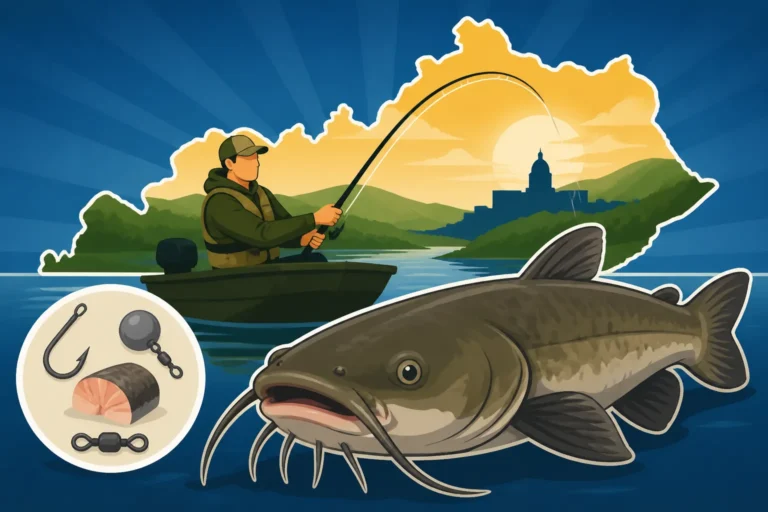
There's nothing quite like the thrill of feeling a strong tug on your line, fighting a powerful fish, and finally reeling in a true Kentucky lunker. But once that fish is in the boat or on the bank, a common question often pops up, especially with our whiskered friends: "Is this a flathead or a channel cat?" It’s a totally fair question because while they’re both undeniably catfish, there are some crucial differences that not only affect how you handle them but also impact fishing regulations. This guide is here to walk you through the tell-tale signs, helping you confidently identify whether you've landed a channel catfish or its brawnier cousin, the flathead, out on Kentucky's waters.
The Basics: What Makes a Catfish a Catfish?
Before we dive into the nitty-gritty of distinguishing between flatheads and channel cats, let's just appreciate what makes a catfish so unique in our Kentucky waters. They're a diverse and incredibly popular group of fish, known for their distinctive barbels (those whisker-like sensory organs) around their mouths, their generally scaleless bodies, and their powerful fighting spirit. From the smallest bullhead to the absolute river monsters, catfish are a cornerstone of fishing culture here. They thrive in a huge variety of habitats, from slow-moving rivers and muddy ponds to clear lake depths, making them accessible to almost every angler.
Why Identification Matters for Anglers
You might think, "A cat is a cat, right?" Not exactly! Knowing the difference between a flathead and a channel catfish isn't just about showing off your fish identification skills (though that's certainly a perk!). It's actually critical for responsible and legal angling. Kentucky, like most states, has specific regulations for different species, and catfish are no exception. For instance, while statewide daily limits for channel and blue catfish might be fairly generous, there are often different rules for flatheads, or specific trophy fish regulations that apply to certain species once they reach a certain size. You definitely don't want to accidentally keep an undersized fish or go over a species-specific limit because of a mistaken identity. It's also important for understanding their behavior and what baits work best – a flathead's diet and preferred hunting grounds are vastly different from a channel cat's. Getting caught with the wrong fish, or too many, can lead to stiff penalties, and nobody wants that kind of trouble during a relaxing day on the water.
Common Catfish Species in Kentucky
Kentucky is blessed with several species of catfish, making our waters a fantastic destination for whiskered pursuits. The big three that most anglers target are the Channel Catfish, the Flathead Catfish, and the Blue Catfish. We also have smaller species like bullheads, but those are generally easier to distinguish from our two main contenders. While blue catfish can also grow to immense sizes and are often confused with channel cats (especially when they're smaller), our focus today is primarily on the physical distinctions between the flathead and the channel cat. Each of these species offers a unique fishing experience, from the feisty fight of a channel cat in a small creek to the brutal tug-of-war with a giant flathead lurking in a log jam on the Ohio River. Understanding these species better can truly enhance your fishing strategy and success. You can learn more about all of them in our comprehensive guide, Catfish Species in Kentucky: Channel, Blue, Flathead and White.
Flathead Catfish: The River Monster
When you hear whispers of "river monster" or "big bruiser" among Kentucky anglers, chances are they're talking about a flathead catfish. These fish are true predators of our larger rivers and reservoirs, known for their immense size, powerful build, and a diet almost exclusively of live bait once they reach a certain size. Catching a trophy flathead is a rite of passage for many Kentucky anglers, a testament to patience, strength, and a deep understanding of river systems. They're a formidable opponent on the line, often using their broad, flat heads to leverage against the current, making for an unforgettable fight.
Key Physical Characteristics of Flatheads
The name "flathead" isn't just a catchy nickname; it's the most obvious clue to identifying this impressive fish. Their head is noticeably broad and flattened, almost shovel-like, especially when compared to other catfish species. Take a look at its eyes; they're relatively small and located on top of its head, giving it a somewhat sinister, bottom-dwelling appearance.
Now, let's talk about its mouth. A flathead's mouth is very wide and has a prominent lower jaw that actually protrudes beyond the upper jaw, giving it a somewhat underslung look. This wide, gaping mouth is perfectly designed for ambushing and swallowing whole live prey. Their body color can vary quite a bit depending on the water they're in, but they generally have a mottled, camouflaged pattern of olive, brown, and yellow, often with dark spots or splotches that help them blend into rocky bottoms and submerged timber. They don't have the distinct spot pattern often seen on channel catfish. Their skin is smooth, without scales, typical of all catfish. You might even notice some heavy-duty flathead-specific fishing gear on Amazon, designed to handle these powerful fish.
Habitat and Behavior
Flathead catfish are creatures of current and cover. You'll typically find them in larger rivers, like the Ohio River, and big reservoirs where they can find plenty of deep holes, log jams, rock piles, and submerged brush. They love structure – anything that breaks the current and provides an ambush point. They're primarily nocturnal feeders, preferring to hunt for live fish, crayfish, and other aquatic creatures under the cover of darkness. Unlike channel catfish, which are opportunistic scavengers, flatheads are voracious predators with a strong preference for live prey. This is why if you're targeting flatheads, you'll often be using baits like live bluegill, sunfish, or shad, rigged strategically near heavy cover. Understanding their preference for cover is key when you're seeking Where to Catch Trophy Catfish on the Ohio River. You can also find them in big lakes with river-like features, such as deep channels and plenty of submerged timber, but their true domain is often considered the moving waters of our larger river systems. They're solitary creatures, tending to hold in their chosen hideouts during the day and emerging to feed at night.
Channel Catfish: The Widespread Favorite
The channel catfish is perhaps the most familiar and beloved catfish species across Kentucky, and for good reason! They're incredibly widespread, abundant, and offer a fantastic fight, regardless of their size. From small farm ponds to vast lakes and even our major rivers, you're likely to find channel cats almost everywhere there's water. They're often the first catfish many anglers catch, and they remain a favorite target for their aggressive bite, feisty disposition, and delicious fillets. They're also much more tolerant of varying water conditions than flatheads, thriving in everything from murky, warm waters to clearer, cooler environments. This adaptability is one reason they're such a popular game fish.
Key Physical Characteristics of Channels
Channel catfish have a more streamlined and slender body shape compared to the stocky, muscular flathead. Their head is proportionally smaller and less flattened, with eyes positioned more laterally. One of the most distinctive features of a channel cat is its color and markings. They typically have a silvery-gray to olive-brown body, often with scattered, distinct dark spots along their sides. While these spots tend to fade on older, larger fish, they are almost always present on younger and medium-sized channels.
Look closely at their mouth. A channel cat's mouth is typically subterminal, meaning the upper jaw slightly overhangs the lower jaw, or the jaws are equal in length. It's not the gaping, prominent lower jaw you see on a flathead. Their tail fin is also a major giveaway: it's deeply forked, almost like a swallow's tail. This forked tail is a hallmark of the channel catfish and is a quick and easy way to differentiate it from the flathead. While you might not need specialized gear for every channel cat, a reliable medium-heavy rod and reel setup, easily found on Amazon, is perfect for battling bigger ones. For more specific advice, check out Channel Catfish Fishing Tips for Beginners.
Habitat and Behavior
Channel catfish are incredibly adaptable, making their home in a vast array of aquatic environments throughout Kentucky. You'll find them in rivers, streams, lakes, and even many ponds. They prefer areas with some current but also thrive in calmer waters. Unlike flatheads, which stick to heavy cover, channel cats are often found cruising open waters, along channel edges, near points, and around structural elements like humps and submerged timber. They are opportunistic feeders, meaning they'll eat just about anything they can find. Their diet is incredibly varied, including insects, crustaceans, small fish, and, famously, a wide range of prepared baits.
This broad diet makes them a favorite target for anglers using stink baits, cut bait, chicken livers, or even hot dogs. You can literally find an endless supply of different catfish baits on Amazon to try out. They are active both day and night, though their feeding often intensifies during dusk and dawn, or after dark. Their schooling behavior, especially when younger, makes them an excellent target for consistent action. If you're looking for Summer Catfish Fishing on the Ohio River in Kentucky, channel cats will certainly be a major part of the action.
Side-by-Side: Spotting the Differences in the Field
When you've got a fish in hand, or even just landed on the bank, a quick visual check can clear up any identification confusion. It really comes down to a few key features that, once you know them, are hard to unsee. Remember, while both are powerful fighters, how you handle them and what regulations apply can be quite different. A careful glance can ensure you're compliant with Kentucky Catfish Daily Limit and Trophy Fish Rule or specific site regulations.
Head Shape and Jawline
This is, without a doubt, the number one distinguishing feature. Grab that fish (carefully, of course, especially with their pectoral and dorsal fins!) and take a good look at its head and mouth.
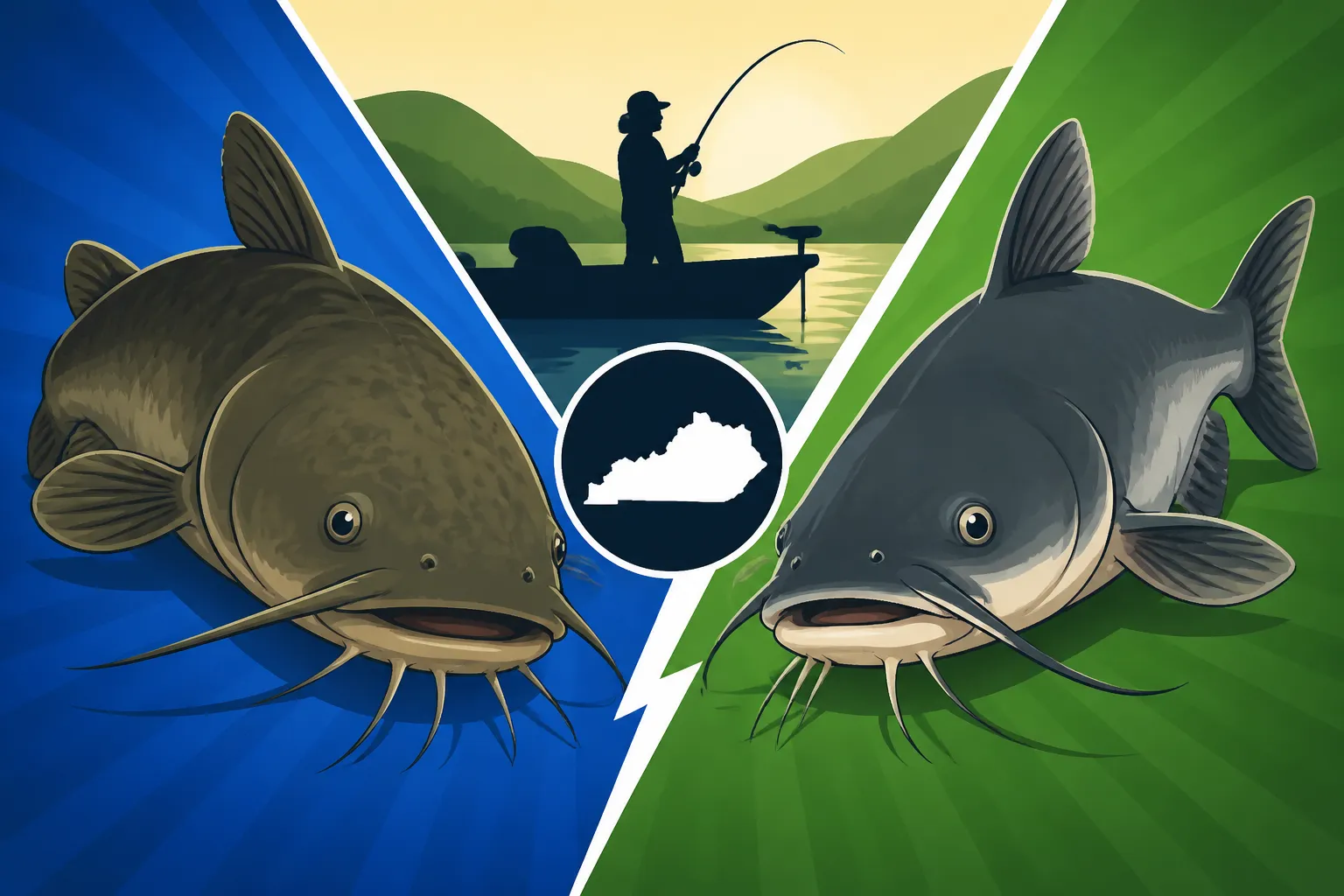
- Flathead Catfish: Think "shovel" or "pancake." The head is broad, very noticeably flattened on top, and the eyes are smaller and set higher on the head. Critically, the lower jaw protrudes beyond the upper jaw, giving it a strong underbite. This creates a meaner, more predatory look.
- Channel Catfish: Their head is much more rounded and cone-shaped, not nearly as flat. The eyes are more on the side of the head, and their upper jaw is typically equal to or extends slightly beyond the lower jaw, giving them a more "normal" fish mouth appearance. No prominent underbite here.
Tail Fin and Body Markings
Once you've checked the head, your next stop should be the tail and the body itself. These two elements offer clear, easy-to-spot differences.
- Flathead Catfish: The tail fin of a flathead is distinctive. It's usually square or slightly rounded, and not forked. It's a broad, powerful paddle, reflecting their preference for fighting current. Their body coloration is usually a mottled brown, olive, or yellowish pattern, often with irregular dark blotches or spots, but rarely the distinct small, round spots seen on channels. The skin often feels a bit tougher or coarser.
- Channel Catfish: The tail fin is deeply forked, a classic silhouette that most people associate with catfish. This "V" shape is a dead giveaway. Their body is typically silvery-gray, olive, or yellowish, and on younger or medium-sized fish, you'll almost always see scattered, distinct small black spots along their sides. These spots can fade on very large, older channels, but the forked tail remains.
Habitat Clues: Where You Found It
While not as definitive as physical features, the environment where you caught your fish can offer strong clues. Different species often prefer different types of water and structure.
- Flathead Catfish: If you're pulling a fish out of a deep hole with heavy current, especially if there's a lot of submerged timber, rock piles, or a log jam, it's a good bet you've got a flathead. They are creatures of structure and moving water. They often relate to depth and heavy cover. If you're targeting big fish near Best Catfish Fishing Spots on Kentucky's Ohio River with live bait, you're primarily after flatheads.
- Channel Catfish: These fish are much more generalists. If you're fishing a relatively open area, a creek channel in a lake, or even a smaller pond, and you're using stink bait or cut bait, you're more likely to encounter channel cats. They don't shy away from open water or areas with less extreme cover. They're often found in slightly warmer, more turbid waters, though they'll certainly inhabit clearer lakes too.
Here's a handy table to summarize the key differences:
| Feature | Flathead Catfish | Channel Catfish |
|---|---|---|
| Head Shape | Broad, very flat, shovel-like, small eyes on top | More rounded, cone-shaped, eyes on the side |
| Lower Jaw | Protrudes prominently beyond upper jaw (underbite) | Equal to or slightly shorter than upper jaw |
| Tail Fin | Square or slightly rounded, not forked | Deeply forked |
| Body Color | Mottled olive, brown, yellow; irregular dark blotches | Silvery-gray, olive-brown; distinct dark spots (often fade on large fish) |
| Diet Preference | Primarily live fish (predator) | Opportunistic, varied (insects, fish, prepared baits) |
| Preferred Habitat | Large rivers, deep holes, heavy current, log jams | Widespread: rivers, lakes, ponds; varied structure |
Remember, confirming these features on every catch will quickly make you an expert identifier. It's all part of the learning and enjoyment of fishing our beautiful Kentucky waters. Whether you're aiming for How Many Catfish Over 25 Inches Can You Keep? or just filling a cooler for a fish fry, knowing your species is essential.
Disclaimer
This article is for general informational purposes only and does not constitute professional advice. Laws, prices and regulations vary by location and change over time. Consult a qualified professional for guidance on your specific situation.