Walleye Vs Sauger Vs Saugeye: How to Tell Them Apart
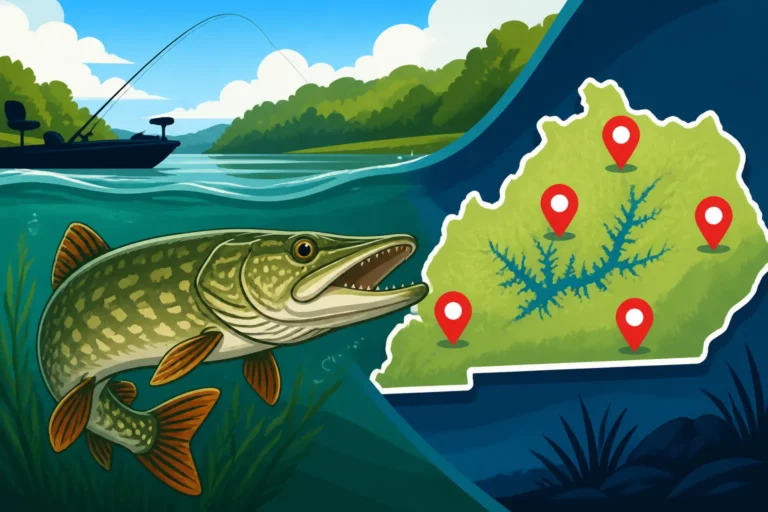
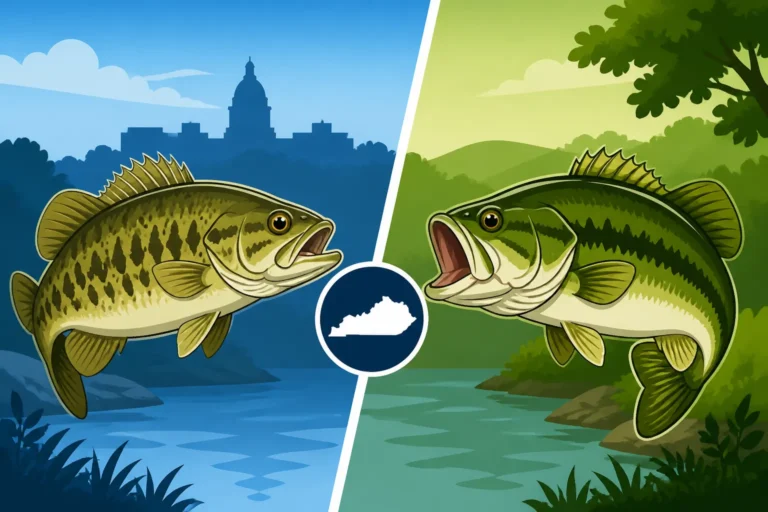
It's happened to all of us: you reel in a beautiful fish, and for a split second, you're absolutely sure it's a walleye. Then you look closer, and that little doubt creeps in. Is it a sauger? Or maybe even a saugeye? Kentucky waters are home to all three, and telling them apart can feel like a test from Mother Nature herself, especially when the light isn't great or you're just excited about the catch. Misidentifying them isn't just a matter of bragging rights; it can impact your adherence to local regulations. This guide is here to unravel the mystery, providing clear, practical ways to distinguish between walleye, sauger, and saugeye so you can fish with confidence and stay on the right side of the rules.
Understanding the Walleye
Ah, the walleye! For many anglers, this is the gold standard of freshwater fishing, known for its delicious fillets and challenging fight. But what truly makes a walleye a walleye? Let's dive into the specifics that define this popular game fish.
Key Physical Characteristics
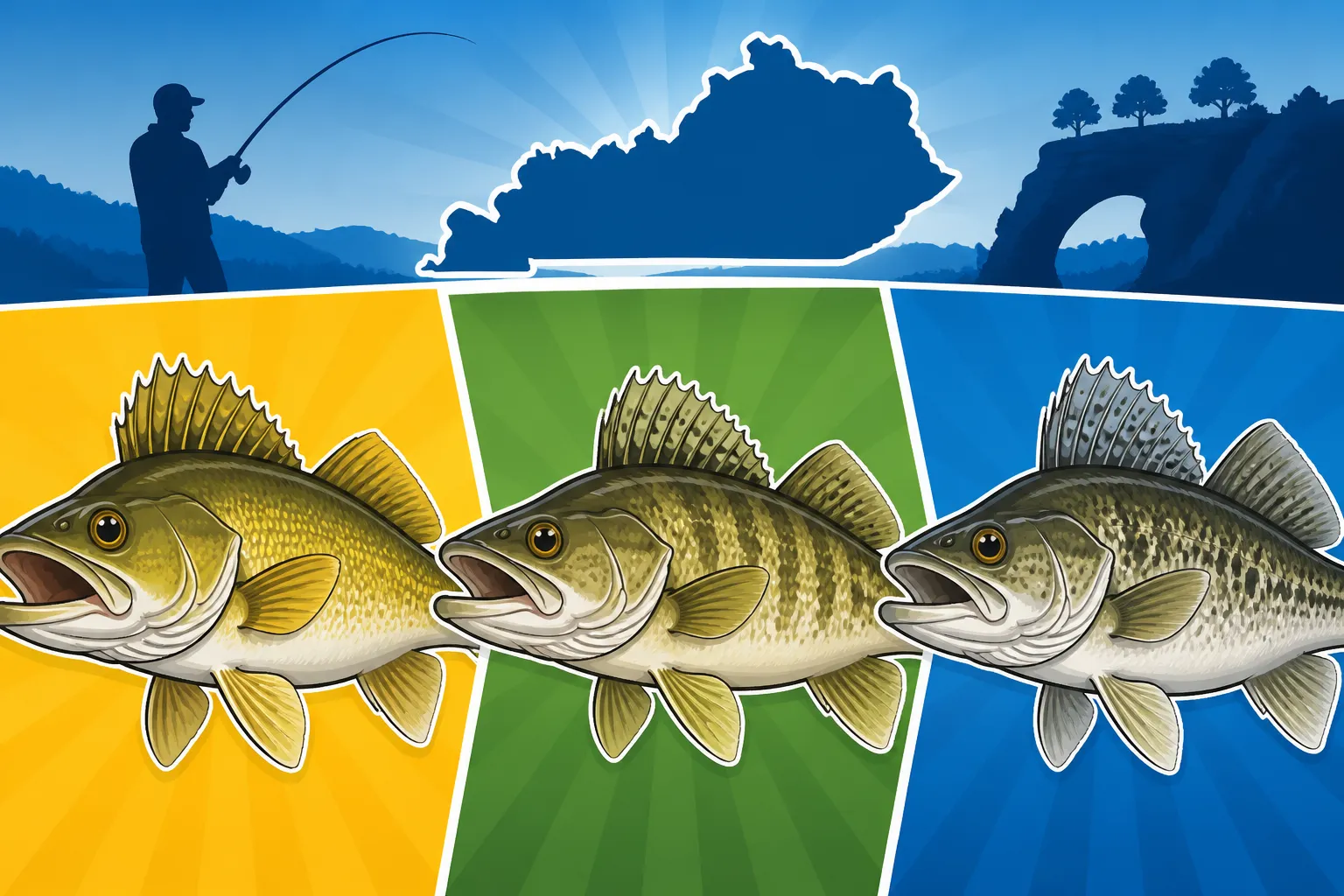
When you pull a walleye out of the water, the first thing you'll often notice is its overall sleek, torpedo-shaped body. They tend to have a uniform olive-green to golden-brown color on their backs, fading into a lighter, often white or cream-colored belly. One of the most reliable identification marks is the prominent white tip on the lower lobe of their tail fin. It's almost like a splash of white paint, and it's present on nearly every walleye. Their dorsal fins, especially the first spiny one, usually have a consistent dark, dusky appearance without distinct spots or banding.
Another key feature lies in their mouth. Walleyes have a mouthful of sharp, canine-like teeth, perfect for grasping prey. Pay attention to the size of their eyes, which are quite large and somewhat cloudy, almost opaque. This characteristic, giving them their "walleyed" name, is an adaptation for hunting in low light conditions, which is why they're often most active at dawn, dusk, or on cloudy days. You might find a great pair of polarized sunglasses on Amazon to help you spot them better in shallow water, but they won't help you tell the difference once it's in your hands!
Common Habitats and Behaviors in Kentucky
In Kentucky, walleyes prefer larger, cooler, and deeper bodies of water with rocky bottoms or gravel. Think of places like Lake Cumberland, which is renowned for its walleye fishery. They're often found congregating around submerged structures, deep humps, drop-offs, and points where they can ambush baitfish. While they can be found in rivers, they generally prefer the more stable environments of lakes and large reservoirs. Lake Cumberland: Kentucky's Best All-Around Fishing Lake is a prime example of their preferred habitat.
Walleyes are typically most active during low-light periods. This means early mornings, late evenings, and even night fishing can be incredibly productive for them. They tend to stick to deeper water during bright sunny days, retreating to the comfort of the cool, dark depths. When the weather changes, like after a cold front, they might become less active, but a persistent angler can still find them. Understanding these behavioral patterns can significantly increase your chances of a successful walleye outing.
Fishing Tips for Walleye
Catching walleye often requires a bit of patience and a good understanding of their habits. Trolling with crankbaits or spinner rigs is a very popular and effective method, especially when covering large areas of a lake like Lake Cumberland. Jigging with live bait, such as minnows or nightcrawlers, or artificial soft plastics, can also be highly successful when you've located a school of fish. Vertical jigging directly over structure in deeper water is another common technique.
Consider the time of year too. Spring and fall are often peak seasons for walleye, as they move shallower to spawn or feed aggressively before winter. During the summer, you'll generally need to target them in deeper, cooler thermoclines. Light to medium-light spinning gear with a sensitive rod is usually preferred, as walleye can have a subtle bite. Keep an eye on your fish finder for schools of baitfish, as walleye are usually not far behind.
Getting to Know the Sauger
Often confused with its larger cousin, the sauger is a distinct species with its own set of characteristics and preferred environments. They might not grow as big as walleye, but they offer a fantastic fight and are equally delicious.
Distinctive Markings and Features
The sauger generally has a more slender body profile than a walleye, and their coloration is typically a brassy brown or olive with very distinct dark blotches or saddle-like markings along their back and sides. These markings are much more pronounced and irregular compared to the walleye's more uniform color. The most definitive distinguishing feature is found on their dorsal fins. Unlike the walleye's clear or dusky dorsal fin, the sauger's first dorsal fin has very noticeable, distinct black spots arranged in rows or bands. This is a dead giveaway!
Another crucial difference is the absence of the white tip on the lower lobe of the tail fin. Sauger tails are usually plain or mottled, without that signature white splash. When you look at their cheeks and gill plates, you'll notice they often feel rough to the touch, having small scales covering them. This is another subtle but reliable characteristic. Their eyes, while still adapted for low light, might appear slightly less cloudy than a walleye's. You might find excellent sauger-specific lures on Amazon to entice these unique fish.
Preferred Waters and Feeding Habits
Sauger thrive in larger river systems with turbid (cloudy) water and current, such as the Ohio River, the Cumberland River, and parts of Lake Barkley. They are much more tolerant of murky water than walleye, often preferring it. You'll find them in deeper runs, eddies, and below dams where current is present, often near bottom structures like rocks, logs, or subtle drop-offs. They don't mind a bit of current and use it to their advantage when hunting.
Their feeding habits are similar to walleye in that they are opportunistic predators, feasting on smaller baitfish. However, their preference for current means they're often positioned to ambush prey being swept downstream. They can be active throughout the day, especially in cloudy water, but still tend to be most aggressive during lower light conditions or when the current is strong. Best Catfish Fishing Spots on Kentucky's Ohio River also happens to be great for sauger.
Techniques for Catching Sauger
If you're targeting sauger, you'll want to focus on areas with current, especially below dams or in river channels. Vertical jigging is an incredibly effective technique for sauger, especially with jigs tipped with minnows or soft plastic grubs. Drifting with live bait or small crankbaits can also produce excellent results. When fishing the Ohio River, many anglers will slowly troll crankbaits or use bottom-bouncing rigs with spinnerbaits.
Look for schools of sauger on your fish finder, often hugging the bottom in deeper pockets or along channel edges. Unlike walleye, which can suspend, sauger generally prefer to stay closer to the riverbed. A medium-light rod with braided line can help you feel their often subtle bites in the current. You can learn more about specific techniques in How to Jig for Sauger in Deep Water or Best Time to Catch Sauger at Kentucky's Lake Barkley.
The Hybrid: Saugeye Explained
The saugeye is a fascinating fish because it's not naturally occurring; it's a hybrid cross between a female walleye and a male sauger, usually stocked in certain lakes by fisheries departments. They possess a mix of traits from both parents, making them sometimes the trickiest to identify.
Saugeye's Unique Traits as a Hybrid
Because the saugeye is a hybrid, it often displays a blend of characteristics from both walleye and sauger. Their body shape is typically intermediate, often stockier than a sauger but perhaps not as streamlined as a true walleye. Their coloration usually leans towards the sauger side, with dark, irregular blotches or saddles along their back and sides, though sometimes these can be less distinct than on a pure sauger.
The key to identifying a saugeye often lies in examining its fins and overall appearance. On the first dorsal fin, you'll generally see some spots, but they won't be as clearly defined or in neat rows like a sauger's. Instead, they might appear as scattered, smudgy spots, or even just a general dusky appearance with faint spots. On the tail fin, you'll usually see some white on the lower lobe, but it won't be as bright or prominent as the distinct white tip of a walleye. It might be more of a faded or diffuse white. Another clue is the presence of scales on the cheeks, similar to a sauger, making them feel rough.
Where to Find Saugeye in Kentucky
Saugeye are typically stocked in reservoirs where neither walleye nor sauger naturally thrive as well, or where a hardier, faster-growing game fish is desired. These waters might have a bit more turbidity than a walleye prefers but less current than a sauger typically inhabits. They are known for being quite adaptable and can grow quickly, providing excellent angling opportunities.
They tend to utilize a wider range of habitats within a lake, from shallower flats to deeper main lake basins. Their hybrid vigor means they can tolerate a broader spectrum of water conditions than either parent. Always check with the Kentucky Department of Fish and Wildlife Resources for specific stocking programs to know which lakes have saugeye. You won't find them in every body of water, making it a targeted fishing experience.
Fishing for Saugeye
Fishing for saugeye often involves a blend of techniques used for both walleye and sauger. Because they are often found in waters that aren't quite as deep or turbulent as pure sauger waters, you can often find them shallower, especially during low light or after a good rain. Trolling crankbaits, casting jigs, or using live bait presentations are all effective. They respond well to tactics that imitate baitfish.
They tend to be aggressive biters and can provide a strong fight. Consider using medium-light to medium power rods, similar to what you'd use for walleye or bass. Their adaptability means they can be found in various depths and structures, so don't be afraid to experiment with different presentations and retrieve speeds. Keeping a variety of lures, perhaps a multi-species tackle box available on Amazon, can be beneficial when targeting these adaptable hybrids.
Side-by-Side Comparison: Walleye, Sauger, and Saugeye
When you've got a fish in hand, a quick check of a few key features can make all the difference in positive identification. Let's break down the most reliable visual cues.
Visual Cues at a Glance
Sometimes, just a quick glance isn't enough, but focusing on these specific areas will greatly improve your identification skills. Here's a table summarizing the most distinct features:
| Feature | Walleye | Sauger | Saugeye |
|---|---|---|---|
| Tail Fin | Distinct white tip on lower lobe | No white tip, often plain or mottled | Faint or diffuse white tip on lower lobe (intermediate) |
| First Dorsal Fin | Dark, dusky, no distinct spots or bands | Distinct black spots in rows or bands | Scattered, smudgy spots, not in clear rows (intermediate) |
| Body Coloration/Pattern | Olive-green to golden-brown, uniform | Brassy brown/olive with distinct dark blotches/saddles | Intermediate, often with blotches/saddles but less defined |
| Cheeks/Gill Plates | Smooth, mostly scaleless | Rough, often scaled | Rough, often scaled (like sauger) |
| Body Shape | Sleek, more robust | Slender, more elongated | Intermediate, somewhat robust |
| Preferred Habitat | Clearer, cooler, deeper lakes/reservoirs | Turbid rivers, current, below dams | Stocked reservoirs, adaptable to varied conditions |
Practical Tips for Field Identification
When you're out on the water, you don't always have a ruler and a magnifying glass. Here are some quick tips to help you make a confident ID:
- Check the Tail First: This is often the easiest and most reliable indicator. Is there a bright white patch on the bottom of the tail fin? If yes, it's likely a walleye. If no, it's probably a sauger. If there's a faint white patch, you're likely looking at a saugeye.
- Examine the Dorsal Fin: If the tail isn't a clear indicator (perhaps the fish is small), look at the first spiny dorsal fin. If it has neat rows of distinct black spots, you've got a sauger. If it's mostly plain and dusky, it's a walleye. If it's somewhere in between with scattered or smudgy spots, think saugeye.
- Feel the Cheek: Gently run your finger over the cheek area. If it feels smooth, it's probably a walleye. If it feels rough or scaly, it's more likely a sauger or saugeye.
- Consider the Water: Where did you catch it? If you're in a clear, deep lake, walleye are more common. If you're in a murky river with current, sauger are prevalent. If you're in a stocked reservoir known for hybrids, then a saugeye is a strong possibility. Understanding the water you're fishing in, and knowing about Kentucky Fishing Rules by Lake and Water, can provide valuable context.
Remember, practice makes perfect. The more of these fish you catch and examine, the quicker and more accurate your identification will become. Don't be afraid to take a quick photo to compare later if you're unsure.
Why Identification Matters for Kentucky Anglers
Beyond simply knowing what you've caught, accurately identifying these species is crucial for a few very important reasons that directly impact your fishing experience and the health of Kentucky's fisheries.
Understanding Bag and Size Limits
This is perhaps the most critical reason for correct identification. Kentucky has specific regulations for walleye, sauger, and saugeye, and these often differ in terms of daily creel (bag) limits and minimum size limits. For example, some lakes might have a 15-inch minimum for walleye, while sauger might not have a size limit at all, or a different one entirely. A saugeye might fall under general walleye regulations or have its own distinct rules. Violating these regulations, even unintentionally, can lead to fines and penalties, sometimes quite substantial. Kentucky Statewide Bass Size and Daily Limit Rules shows how important specific rules are, and similar specific rules apply to these walleye cousins.
Imagine you've had a fantastic day fishing, and you've kept a few fish, believing them all to be sauger. But then a conservation officer checks your cooler, and half of them turn out to be undersized walleye. That's a day that quickly goes from great to regrettable. Checking the current fishing regulations for the specific body of water you're fishing before you even cast a line is paramount. You can usually find this information on the Kentucky Department of Fish and Wildlife Resources website or in their annual fishing guide. It truly saves a lot of heartache and potential legal trouble.
Conservation and Responsible Angling
Accurate identification also plays a vital role in conservation efforts. Fisheries biologists meticulously manage fish populations, and their work relies on anglers adhering to the rules designed to protect these species. If anglers consistently misidentify fish and keep more than the legal limit of a particular species, or undersized fish, it can negatively impact that species' population numbers over time. This is especially true for walleye, which can take longer to reach maturity and reproduce.
Being a responsible angler means understanding your quarry and respecting the rules put in place to ensure healthy fisheries for future generations. It’s about more than just avoiding a penalty; it’s about contributing to the sustainability of Kentucky’s incredible fishing resources. Every fish you catch, identify, and choose to keep or release responsibly, contributes to the overall health of the ecosystem. So, take that extra moment to ensure you've made the right call before deciding whether to keep that beautiful fish or gently release it back into the water. Knowing about Kentucky Fishing Regulations Explained is key to enjoying the sport responsibly.
Disclaimer
This article is for general informational purposes only and does not constitute professional advice. Laws, prices and regulations vary by location and change over time. Consult a qualified professional for guidance on your specific situation.