Best Catfish Spots on Herrington Lake, Kentucky
It can be incredibly frustrating to head out on a beautiful Kentucky morning, gear in tow, with high hopes of reeling in some monster catfish, only to spend hours staring at a still line. Herrington Lake, with its deep, clear waters and unique structure, presents its own set of challenges, making it tough to pinpoint where those whiskered giants are hiding. This comprehensive guide is here to cut through that frustration, providing you with tried-and-true strategies and specific locations to increase your chances of landing some impressive catfish on Herrington Lake.
Understanding Herrington Lake's Catfish Dynamics
Herrington Lake isn't just any body of water; it's a deep, narrow, and often crystal-clear reservoir carved out of the Dix River valley. This unique geography, coupled with its distinct water conditions, greatly influences where catfish choose to live and feed. If you want to consistently catch catfish here, you really need to understand the lake's quirks, rather than just throwing a line anywhere.
The Lake's Unique Structure and Depth
Herrington Lake is one of Kentucky's oldest and deepest artificial lakes, formed by the Dix Dam in 1925. Unlike some of the shallower, muddier impoundments, Herrington boasts impressive depths, dropping over 200 feet in some areas, especially near the dam. This depth creates a thermocline during the warmer months, which is a layer of water where the temperature changes rapidly with depth. Catfish, particularly the larger blues and flatheads, will often relate to this thermocline, seeking out cooler, oxygenated water.
The lake’s structure is also a significant factor. Being a river-valley lake, it has a prominent, winding main channel that acts like an underwater highway for fish. Steep bluffs and rocky points characterize much of its shoreline, plunging directly into deep water. This means shore fishing can be productive if you find access to these deeper drops, but a boat often gives you the edge. Submerged creek channels, old roadbeds, and vast expanses of standing timber, particularly in the upper reaches, provide crucial ambush points and cover for catfish. Don't underestimate the role of these hidden features; what might look like open water on the surface often conceals a complex underwater landscape.
Targeting Channel, Blue, and Flathead Catfish
Herrington Lake is home to all three major catfish species found in Kentucky: channel, blue, and flathead catfish. Each has its preferred habitat, feeding patterns, and a distinct personality, which means you need to adjust your approach depending on what you’re hoping to catch.
Channel catfish are by far the most abundant and widespread. They’re often the most accessible, found in various depths and habitats, from shallow coves to deeper channel edges. These guys are opportunistic feeders, responding well to a variety of baits, especially stink baits, cut bait, and even worms. If you're looking for consistent action, especially for a fish fry, channels are your best bet. They generally don't get as large as blues or flatheads, but Herrington still produces some respectable channels in the 5-15 pound range.
Blue catfish are the true giants of Herrington Lake. While not as dominant as they are in the Ohio River or Kentucky Lake, Herrington does hold some truly massive blues. These fish prefer deeper water, often congregating in the main river channel, especially around sharp bends, deep holes, or submerged structure. They are primarily piscivorous, meaning they prefer to eat other fish. Fresh cut bait—like shad, bluegill, or even carp—is absolutely key for blues. If you're targeting a trophy, blues are the ones to go after, but be prepared for a fight; they pull hard.
Flathead catfish are ambush predators that love cover. You'll find them hunkered down in logjams, under rocky ledges, or deep within standing timber. Unlike channels and blues, flatheads almost exclusively feed on live bait. A frisky bluegill, sunfish, or even a small carp, fished near heavy cover, is their weakness. These are often solitary fish, making them a bit harder to locate, but their sheer power once hooked makes the effort worthwhile. If you’re really serious about pursuing flatheads, focus on the upper lake, where there’s more woody debris and shallower, murkier water, though they certainly inhabit the deeper sections as well.
Top Catfish Hotspots on Herrington Lake
Now that we’ve talked about the lake's general characteristics, let’s get down to the brass tacks: specific areas where you're most likely to find these whiskered beasts. Herrington Lake has several stretches that consistently produce good numbers and sizes of catfish, and knowing where to focus your efforts can make all the difference.
Deep Channels and River Bends
The old Dix River channel that snakes through the entire length of Herrington Lake is an absolute magnet for catfish, especially the larger blues. These deep channels serve as migration routes and holding areas. Catfish, particularly in warmer months, will retreat to these cooler, more stable environments. Look for sharp bends in the channel where current might concentrate baitfish or create scour holes.
One prime area to explore is the main channel from Dix Dam upstream toward the Kennedy Bridge. The water here is deep, often exceeding 100 feet, and the channel itself is well-defined. Using a good fish finder is crucial here to identify ledges, drop-offs, and any irregular bottom contours that might hold fish. Another productive stretch is further upstream near the confluence of the main lake and smaller creek arms, where the channel is still deep but widens slightly. Anchoring up on the edge of the channel and fan-casting multiple lines with different baits can be highly effective. Remember, a common frustration for anglers is fishing vast open water when the fish are concentrated in specific, often smaller, areas. Focusing on these channel edges and bends greatly improves your odds.
Mouths of Creeks and Inflows
Creek mouths and areas where smaller streams feed into Herrington Lake are classic catfish spots, particularly during periods of rain or when baitfish are active. These inflows introduce fresh water, nutrients, and often draw in baitfish, creating a buffet for hungry catfish.
Consider areas like the mouths of Cane Run, Harrods Creek, and even smaller unnamed creeks that might be flowing, especially after a good rain. The slightly murkier water and concentrated food sources make these ideal ambush points. During spring, catfish will often move into these shallower, warmer waters to spawn, making them particularly active. Even in summer, the slight current or cooler water from an inflow can attract fish. Try setting up just outside the mouth of a creek, casting baits into the current and letting them settle on the bottom, or drifting through these areas with live bait. While the main lake offers deep water, these transitional zones offer a dynamic environment that catfish frequently utilize. Knowing the best time to visit these areas can be tricky, but local guides often leverage services like FishingBooker to help anglers find seasoned captains who know these patterns well.
Standing Timber and Submerged Cover
Herrington Lake, especially in its upper and middle sections, is renowned for its abundant standing timber and submerged brush piles. These areas provide invaluable cover, shade, and structure for both baitfish and predatory catfish. Flathead catfish, in particular, are drawn to this heavy cover like magnets.
The stretch of lake above the High Bridge (near Shaker Village) often features extensive standing timber, remnants of the forest flooded when the dam was built. Similar timber fields can be found in deeper coves and along steeper banks throughout the lake. Fishing these areas requires a bit more finesse and heavier tackle to avoid snags, but the rewards can be substantial. Use a sensitive rod to feel for the structure and fish your baits tight to the wood. Consider using break-away rigs or slip-sinker setups to minimize lost tackle.
Besides standing timber, look for submerged brush piles, rock piles, or old foundations, which you can often spot on your fish finder. These hidden sanctuaries offer refuge and feeding grounds. Sometimes, it’s not about finding the biggest patch of timber, but rather a solitary log or a small cluster of brush on an otherwise barren bottom. These isolated pieces of cover can hold surprisingly large fish. These spots can be elusive, making the services of a local guide, often found on platforms like FishingBooker, incredibly valuable for identifying these hidden gems.
Seasonal Catfish Strategies for Herrington Lake
Catfish behavior on Herrington Lake isn't static; it shifts dramatically with the seasons. What works in spring might be completely ineffective in the dead of summer. Understanding these seasonal changes and adapting your approach is critical for consistent success.
Spring Fling: Post-Spawn Catfish
Spring is a fantastic time for catfish on Herrington Lake, especially as the water temperatures begin to rise into the 60s Fahrenheit. This is when the fish become incredibly active, first gorging themselves in preparation for the spawn, and then aggressively feeding post-spawn.
In early spring, as ice melts and water temperatures climb, catfish will move from their deep wintering holes into shallower, warmer coves and flats. Look for them in depths of 10-20 feet, especially near muddy bottoms or protected areas that warm up faster. Cut bait (shad, herring) and nightcrawlers fished on the bottom are excellent choices. As the water approaches the mid-70s, catfish will spawn, often in hollow logs, rock crevices, or undercut banks. Post-spawn, usually late spring to early summer, they become voracious feeders, recovering from the energy expended during spawning. This is a prime time to target them, as they will be actively cruising shallower flats and channel edges looking for an easy meal. Focus on the transition zones where shallow water meets deeper drop-offs. Drifting cut bait or stink bait along these contours can be incredibly productive. For specific guidance on what fish are biting in Kentucky in February or other spring months, local fishing reports are invaluable.
Summer Nights: Deep Water and Structure Fishing
Summer on Herrington Lake can be challenging for daytime catfishing due to the heat and the lake's clear water, which often pushes fish deeper during daylight hours. However, summer nights offer some of the best catfishing action you'll find all year.
During the day, catfish will retreat to the deepest, coolest, and most oxygenated parts of the lake. This often means the main river channel, deep holes near the dam, or dense submerged cover in 40-80+ feet of water. Use your fish finder to locate schools of baitfish and any significant structure. Bottom fishing with fresh cut bait is the most effective technique. However, as the sun sets and temperatures drop, catfish will move shallower to feed. Night fishing around lighted docks, shallow flats adjacent to deep water, or along channel swings can be phenomenal. The cooler water temperatures and reduced boat traffic make catfish more comfortable cruising and feeding. Consider using glow sticks on your bobbers or rod tips to make bites visible. Targeting these deep-water haunts in summer often requires a boat; however, some accessible deep-water points from the bank near marinas can also produce.
Fall Feast: Pre-Winter Feeding Frenzy
Fall is another outstanding season for Herrington Lake catfish, as they begin their pre-winter feeding frenzy, bulking up for the colder months ahead. This period offers active fish and often more comfortable fishing conditions.
As water temperatures start to cool down from their summer highs, catfish will become increasingly active. They'll move out of the deepest summer haunts and spread out, often frequenting the same channel edges, creek mouths, and humps they did in spring. The key is to find concentrations of baitfish, as catfish will follow their food source. Look for shad or bluegill schools on your electronics and set up nearby. Cut bait remains king, but live bait can also be very effective for larger flatheads and blues that are aggressively feeding. Early fall can see catfish still shallow, around 15-30 feet, but as the water cools into late fall, they'll gradually move deeper, starting to congregate in their wintering holes. This transition period often sees catfish moving up and down the water column, making it a dynamic time to experiment with different depths and presentations.
Essential Gear and Techniques for Herrington Lake Catfish
Having the right equipment and knowing how to use it is just as important as knowing where the fish are. Herrington Lake can throw some curveballs, from its deep water to its abundant snags, so being prepared is essential.
Rods, Reels, and Line: Built for Battle
When targeting catfish, especially the bigger blues and flatheads that Herrington Lake can produce, you need tackle that can stand up to a serious fight. Finesse isn't always the name of the game here; power and durability are paramount.
For rods, think heavy-action to medium-heavy action rods, typically 7 to 9 feet in length. Longer rods give you better casting distance and leverage when fighting big fish, especially from the bank. A sturdy backbone is crucial for setting the hook through tough mouths and muscling fish away from cover. Popular brands like Ugly Stik offer excellent durability without breaking the bank. For reels, a heavy-duty baitcasting reel or a large spinning reel with a good drag system is ideal. Look for reels designed for saltwater or heavy freshwater use, as they’re built to withstand the strain of powerful runs. Capacity for at least 200 yards of line is a good idea. Many anglers specifically look for the Best Reels for Catfish Fishing to ensure they have the power needed.
When it comes to fishing line, braid is often preferred for its strength, lack of stretch, and sensitivity. A braided line in the 30-80 lb test range (depending on your target fish size and cover) will give you the pulling power needed. If you're fishing in clearer water or around abrasive structure, consider a monofilament or fluorocarbon leader of 20-50 lb test. The leader provides a bit of stretch and can be more abrasion resistant. For those fishing in heavy timber, heavier main line is a must to have any chance of getting a big flathead out of a logjam.
Baits of Choice: From Stink to Live
The bait you choose can make or break your catfish trip on Herrington Lake. Each species has its preferences, and sometimes, the bite simply dictates what they're willing to take.
For channel catfish, the options are wide open. Classic stink baits, chicken livers, nightcrawlers, and shrimp are all highly effective. Prepare your chicken livers by letting them sit in the sun for a bit to get extra stinky, or mix them with garlic powder. You can buy commercial stink baits that come in various forms, from dips to punch baits. For the best results, use a bait holder hook designed for these softer baits.
For blue catfish, fresh cut bait is almost always the top choice. Shad, herring, bluegill, or even pieces of carp cut into strips or chunks are irresistible. The fresher the better. You can often net shad in the lake's shallower coves or catch bluegill with a smaller rod before your main catfishing session. Place your cut bait on a large circle hook, allowing the scent to bleed into the water.
Flathead catfish are the most finicky and almost exclusively prefer live bait. A lively bluegill, sunfish, or even a small carp (check local regulations on baitfish size and species) hooked through the back or lips is ideal. The movement of the live bait attracts the flathead’s attention, triggering their predatory instinct. It's crucial to keep your live bait healthy and active, so a good baitwell or aerated bucket is essential. Matching your bait size to the flathead you hope to catch is also important – don't use a tiny bait if you're after a trophy, and vice-versa.
Effective Rigs for Herrington Lake
The right rig ensures your bait is presented effectively and helps you land those big fish, especially when dealing with Herrington Lake’s unique bottom structure.
A common and versatile rig for bottom fishing is the Carolina Rig (also known as a slip-sinker rig). It consists of an egg sinker (1-3 oz, depending on current and depth) threaded onto your main line, followed by a plastic bead to protect your knot, then a swivel. To the other end of the swivel, tie a monofilament or fluorocarbon leader (12-24 inches) and finally your hook. This rig allows the fish to pick up the bait without feeling the weight of the sinker immediately, leading to better hookups. It's great for channels and blues with cut bait.
For fishing in heavy cover or for flatheads with live bait, a three-way swivel rig can be effective. Tie your main line to one eye of the swivel, a short leader (6-12 inches) with a pyramid or bell sinker to the second eye, and a longer leader (18-36 inches) with your hook and bait to the third eye. This keeps your bait slightly off the bottom and above snags, while the sinker holds it in place.
Another popular choice, especially for those looking to cover more water or fish multiple baits, is jug fishing for catfish. While often associated with larger lakes or rivers, jug fishing can be adapted for Herrington Lake's coves and open water. It involves setting lines from buoyant jugs or pool noodles, each with a baited hook, and letting them drift. Just be sure to understand and adhere to Kentucky's specific regulations on jug fishing, including the number of jugs allowed and labeling requirements. For a detailed guide on specific rigging techniques, you might want to check out How to Rig a Trotline for Catfish or Bottom Fishing Techniques for Channel Catfish.
Navigating Herrington Lake's Access Points and Regulations
Before you even think about casting a line, it's crucial to know where you can legally access the lake and what rules you need to follow. Ignoring these can lead to fines and a ruined day on the water.
Public Boat Ramps and Shoreline Access
Herrington Lake has several public boat ramps and limited shoreline access points, which are important for both boaters and bank anglers. Getting your boat in the water or finding a good spot on the bank is your first step.
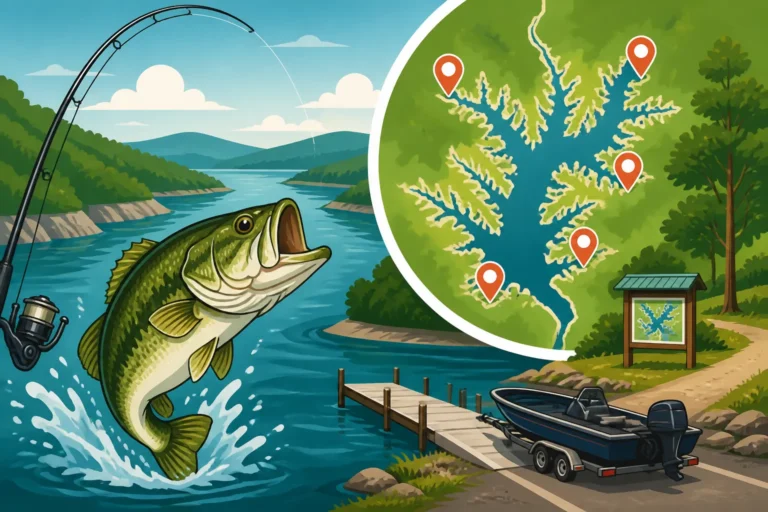
Popular boat ramps include those at Camp Dick Robinson, Kennedy Bridge, and multiple marinas like Herrington Lake Marina and Chimney Rock Marina. These ramps typically offer ample parking and are well-maintained. Always check the water levels before heading out, as Herrington Lake can fluctuate, affecting ramp usability. For specific details on where to launch, you can often find information in a broader Herrington Lake Fishing Guide, Kentucky's Deep Water Bass Lake. If you're bringing a boat, make sure you understand the Kentucky Boat Registration Requirements Explained and have all necessary safety equipment, including Life Jacket Rules for Boats in Kentucky.
For bank anglers, access can be a bit more challenging due to the steep bluffs and private property that surround much of the lake. However, state parks or wildlife management areas, though limited directly on Herrington, can sometimes offer public access. Many anglers find success fishing from the bank near bridges, like the Kennedy Bridge, where the water is deeper and currents can concentrate fish. Always respect private property and only fish in areas designated for public access. If you're unsure, it's best to err on the side of caution.
Understanding Kentucky Catfish Limits
Kentucky, like all states, has specific regulations designed to manage its fisheries sustainably. Before you keep any fish, you need to know the rules, especially regarding catfish.
For catfish, Kentucky generally has a statewide daily creel limit of 15 fish in aggregate for channel, blue, and flathead catfish. However, there's a special trophy rule for blue and channel catfish: you can only keep one blue catfish over 35 inches and one channel catfish over 28 inches per day. Flathead catfish often have a more restrictive size limit, but generally, the 15-fish aggregate daily limit applies. It's crucial to consult the most current Kentucky Fishing Regulations Guide, as these rules can change annually. You can find detailed information, for example, on the Kentucky Catfish Daily Limit and Trophy Fish Rule. These regulations are in place to ensure healthy populations for future generations of anglers, so adhering to them is not just a legal requirement but a responsible practice. Penalties for not following these rules, especially for fishing without a license, can be severe, as detailed in What Happens If You Fish Without a License in Kentucky?. Always have your valid Kentucky fishing license on you!
Beyond the Spots: Maximizing Your Herrington Lake Catfish Trip
Finding the right spot is a huge part of the battle, but there's more to a successful catfishing trip on Herrington Lake than just location. Little details can make a big difference.
Finding Guides and Local Expertise
Sometimes, the best way to cut the learning curve and truly understand a body of water like Herrington Lake is to learn from those who know it best: local fishing guides. They spend countless hours on the water and have an intimate knowledge of seasonal patterns, secret spots, and the most effective techniques.
A good guide can save you years of trial and error, helping you understand how Herrington's unique ecosystem influences catfish behavior. They often have specialized gear, bait, and knowledge of current conditions that can lead to a banner day. Many guides also prioritize safety and provide all necessary equipment, making for a hassle-free trip, especially if you're new to the lake or catfishing in general. If you're considering hiring a guide for Herrington Lake, online platforms like FishingBooker are excellent resources for finding experienced captains who specialize in catfish. You can read reviews, compare services, and book a trip that fits your needs. This can be particularly beneficial if you're traveling from out of state and don't have time for extensive scouting.
Safety First: Boating on Herrington Lake
Herrington Lake is a beautiful place to fish, but its deep, clear waters and sometimes crowded conditions, especially on weekends, mean that boating safety is paramount. Never compromise on safety for the sake of catching a fish.
Always check the weather forecast before heading out, and be prepared for sudden changes. Storms can blow up quickly, and the lake's steep banks offer limited refuge in rough conditions. Ensure your boat is in good working order, with all required safety equipment on board. This includes wearable life jackets for everyone, a fire extinguisher, distress signals, and navigation lights if you'll be out at dawn, dusk, or night. If you're unfamiliar with the lake, study a good nautical chart or use a reliable GPS unit to avoid shallow areas or submerged hazards, which can be particularly tricky with Herrington's fluctuating water levels. Keep a safe distance from other boats and always operate at safe speeds, especially in crowded areas or near shore. A basic understanding of Kentucky Fishing Regulations Explained extends beyond fish limits to safe boating practices.
Fishing alone can be serene, but bringing a buddy or at least letting someone know your float plan—where you're going, when you expect to return, and who to contact in an emergency—is always a smart move. Herrington Lake can be a fantastic catfishing destination, but like any large body of water, it demands respect and preparation.
| Herrington Lake Catfish Species | Preferred Habitat | Primary Baits | Best Seasons | Max Size Potential (approx.) |
|---|---|---|---|---|
| Channel Catfish | Varied: coves, channels, structure | Stink baits, cut bait, worms | Spring, Fall, Summer nights | 15 lbs |
| Blue Catfish | Deep channels, sharp bends, dam area | Fresh cut bait (shad, bluegill) | Summer nights, Fall | 80+ lbs |
| Flathead Catfish | Heavy timber, logjams, rocky ledges | Live bait (bluegill, sunfish) | Spring, Summer nights | 50+ lbs |
Disclaimer
Always consult the most current Kentucky Department of Fish and Wildlife Resources regulations before fishing, as rules and limits can change.