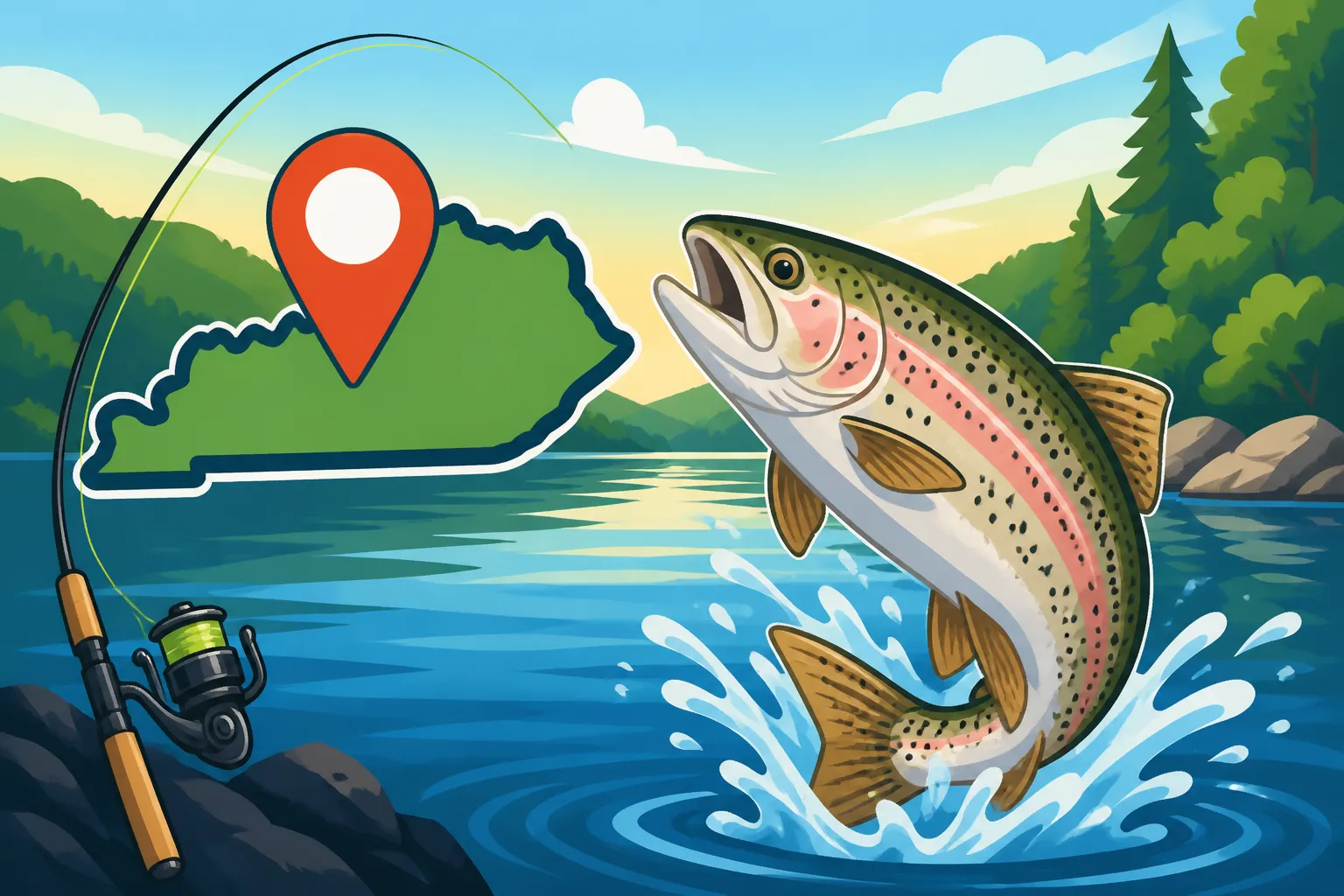
Where to Catch Trout on Herrington Lake
It's a common misconception that Kentucky is only about big bass and catfish. While those species certainly dominate many of our gorgeous waterways, some anglers feel a pang of longing for the crisp, cold-water challenge of trout fishing, often assuming they need to head way up into the mountains or out of state. But what many folks don't realize is that Herrington Lake, with its impressive depths, offers a unique and surprisingly vibrant trout fishery if you know where to look. This guide is dedicated to revealing Herrington Lake's hidden trout opportunities, helping you understand where and how to target these elusive fish.
The Unique Allure of Trout Fishing on Herrington Lake
Herrington Lake might not be the first body of water that springs to mind when you think of trout in Kentucky, but it holds a special place for those in the know. Unlike the shallow, warm waters found in many other Kentucky lakes, Herrington’s unique geological features and specific management efforts create pockets where trout can not only survive but thrive. It's a challenging and rewarding experience that offers a distinct flavor of angling.
Stocking Programs and Trout Species Present
The presence of trout in Herrington Lake isn't a natural phenomenon; it's the direct result of dedicated efforts by the Kentucky Department of Fish and Wildlife Resources. They undertake regular stocking programs, primarily introducing Rainbow Trout into the lake. These stockings usually happen in the colder months, giving the fish a chance to acclimate before the heat of summer sets in. It's important to remember that these are put-and-take fisheries, meaning you’re fishing for stocked fish, which can sometimes behave differently than wild trout.
Understanding the stocking schedule and locations can give you a significant advantage. While specific dates and exact spots aren't always publicized down to the inch, knowing that fresh batches of trout have been introduced helps inform your fishing strategy. These newly stocked fish often remain concentrated in the areas where they were released for a period, offering a more predictable bite for a short while before they disperse and become more elusive. If you're planning a trip, it's always a good idea to check the latest Kentucky Fishing Seasons: What to Catch Each Month and stocking reports from KDFWR.
Herrington Lake's Deep Water Advantage for Trout
What makes Herrington Lake suitable for trout, especially Rainbows, when so many other Kentucky lakes are too warm? It all comes down to its incredible depth and the resulting thermal stratification. Herrington Lake is one of Kentucky's deepest lakes, plunging over 200 feet in some areas near the Dix River Dam. This extreme depth creates a "cold water refuge" for trout, even during the peak of summer.
As the lake warms up in spring and summer, it forms distinct layers: a warmer, oxygen-rich upper layer (epilimnion) and a colder, denser lower layer (hypolimnion). In between these is the thermocline, a narrow band where the temperature changes rapidly. Trout, being cold-water fish, will seek out the colder waters below the thermocline, where temperatures remain consistently in their preferred range (typically 50-65°F or 10-18°C). However, the hypolimnion can sometimes become oxygen-depleted in late summer, forcing trout to congregate in the narrow band of cold, oxygenated water just above or within the thermocline. This unique characteristic makes fishing for trout in Herrington a game of depth and precision, quite different from targeting bass or crappie in shallower cover. Knowing these thermal layers is key to success on the water.
Prime Trout Hotspots on Herrington Lake
Finding trout on a large, deep lake like Herrington can feel like searching for a needle in a haystack. However, by understanding their preferred habitat and the lake's structure, you can significantly narrow down your search. Trout are creatures of comfort, always seeking stable temperatures and reliable food sources.
Near the Dix River Dam and Deep Channels
The area closest to the Dix River Dam is arguably the most consistent trout hotspot on Herrington Lake. This section of the lake boasts the greatest depths, ensuring a consistent supply of cold water throughout the year. Trout will congregate in these deeper channels, especially when surface temperatures rise. The sheer drop-offs and ledges provide excellent cover and ambush points for these fish. Look for areas where the lake floor quickly plummets into the abyss, creating underwater contours and structures that trout can relate to.
When you're out there, pay close attention to your fish finder. You're not just looking for fish arches; you're looking for baitfish schools and any thermocline indications. Trout will often suspend at specific depths within or just above the thermocline, especially if there's bait present. This area is also where the initial stocking often occurs, making it a prime target immediately after a release. The dam itself can create currents and oxygenation, further attracting trout to its vicinity. If you're a new angler to these waters, consider checking out a general Kentucky Fishing License Guide before heading out.
Creek Inflows and Submerged Structures
While trout prefer deep, cold water, they also need access to oxygen and food. During periods of rain or colder weather, creek inflows can introduce cooler, oxygenated water into the main lake, creating attractive zones for trout. These areas might not be as deep as near the dam, but the influx of fresh water can temporarily draw trout shallower, especially in the upper reaches of the lake arms or major creek channels like Cedar Creek.
Beyond inflows, don't overlook submerged structures. While Herrington Lake is primarily known for its deep open water, it still has underwater points, humps, and old creek beds. Any submerged timber, rock piles, or old roadbeds in deeper sections can hold trout. These structures act as congregating points for baitfish, which in turn attract predatory trout. If you're comfortable with your boat's electronics, spend time mapping out these subtle underwater features. A good fish finder can be your best friend in these scenarios, helping you pinpoint not only the structures but also the thermal layers and any suspended fish. For a comprehensive overview of the lake, refer to the Herrington Lake Fishing Guide, Kentucky's Deep Water Bass Lake, which, while focused on bass, provides excellent topographical insights.
Seasonal Movement and Winter Concentrations
Trout behavior in Herrington Lake changes significantly with the seasons. In the colder months of late fall, winter, and early spring, the entire water column is often closer to the trout's preferred temperature range. This means trout can be found in a wider variety of depths, sometimes even shallower than you'd expect, especially during overcast days or in the early morning. They might move closer to the banks or into larger coves to feed.
As summer approaches and surface temperatures rise, trout retreat deeper and deeper, strictly adhering to the thermocline and the coolest, most oxygenated water available. This is when the deep channels and the areas near the Dix River Dam become absolutely critical. During the dead of winter, especially after a stocking, trout can be surprisingly active. Their metabolism is slower, but they are still feeding. This makes winter an excellent time for targeting them, as they are less stressed by heat and can be found in more predictable patterns. Many anglers find success by using local guides for specific seasonal tips; you can often find experienced guides familiar with Herrington Lake's nuances through platforms like FishingBooker.
| Season | Prime Locations | Typical Depth Range (Approx.) | Key Considerations |
|---|---|---|---|
| Spring | Near dam, creek mouths, main lake points | 20-60 feet | Post-stocking dispersal, follow baitfish |
| Summer | Deepest channels, near dam, below thermocline | 50-100+ feet | Focus on oxygenated cold water, precise depth control |
| Fall | Main lake points, deep creek channels, dam | 30-70 feet | Trout become more active and widespread, chasing bait |
| Winter | Near dam, deeper coves, major creek channels | 15-50 feet | Less thermal stratification, wider depth range for fish |
Effective Techniques and Baits for Herrington Lake Trout
Once you've identified potential trout hotspots on Herrington Lake, the next step is to employ the right techniques and present your bait or lure effectively. Given the deep-water nature of this fishery, standard shallow-water tactics often won't cut it. You need to get your offerings down to where the trout are residing.
Trolling with Downriggers or Lead Core Line
Trolling is hands down one of the most effective methods for covering water and consistently presenting lures at specific depths on Herrington Lake. For deep-water trout, a downrigger or lead core line is almost essential. A downrigger allows you to precisely control the depth of your lure, dropping it directly into the thermocline or to suspended fish you've marked on your fish finder. You can run multiple lines at different depths to find the active zone.
Popular lures for trolling include small spoons (like Little Cleos, Kastmasters), crankbaits that dive to specific depths, and spinnerbaits designed for deeper presentations. Experiment with different colors and sizes until you find what the trout are hitting. Natural baitfish colors often work well, but sometimes a bright, aggressive color can trigger a strike. Maintaining a slow, consistent speed is key, typically between 1.5 to 2.5 mph, though you'll want to experiment to see what the fish prefer on any given day. Remember, patience is a virtue when trolling; it's about methodically working an area until you find the fish.
Still Fishing from an Anchored Boat
While trolling helps you cover ground, still fishing from an anchored boat can be incredibly effective once you've located a concentration of trout, perhaps near a deep-water hump, a submerged creek channel, or right off a steep drop-off. Anchoring allows you to present natural baits directly to the fish without spooking them. This technique is particularly good when fish are tightly schooled or concentrated in a small area.
For bait, traditional trout favorites like PowerBait (in various colors and shapes), corn, or small pieces of nightcrawler rigged on a light leader with a small hook (size 8-12) are excellent choices. You'll want to use enough weight to get your bait down to the desired depth, but not so much that it's cumbersome. A slip bobber rig can also be effective if fish are suspending at a consistent depth above the bottom, allowing your bait to float naturally at their eye level. For more general advice on still fishing, particularly from the bank, check out our guide on Bank Fishing Techniques for Beginners, as some principles can apply to anchored boat fishing too.
Jigging and Vertical Presentations
Another powerful technique for Herrington Lake trout, especially when they are suspended over deep water or congregated around structure, is vertical jigging. This involves dropping a lure directly beneath the boat and working it up and down. This method allows for precise targeting of fish you see on your sonar. Small spoons, blade baits, or even heavy jigs tipped with a small minnow or plastic grub can be deadly.
The key to successful jigging is understanding the fish's activity level. Sometimes a subtle lift-and-drop is all it takes; other times, an aggressive ripping motion will trigger a strike. Pay attention to how the fish react on your fish finder – are they rising to meet the lure, or are they ignoring it? Adjust your retrieve accordingly. This technique requires good boat control, especially in windy conditions, but it can be incredibly rewarding when you're directly over a school of trout. For specific gear recommendations, consider exploring guides like Best Rods and Reels for Kentucky Crappie Fishing, as light spinning gear used for crappie can often cross over for trout jigging applications.
Timing Your Herrington Lake Trout Adventure
Timing is everything in fishing, and targeting trout on Herrington Lake is no exception. Understanding the seasonal nuances, daily patterns, and how weather affects trout behavior will significantly increase your chances of success.
Seasonal Strategies for Herrington Lake Trout
- Spring (March – May): This is often a prime time, especially after new stockings. As the lake begins to warm, trout may still be relatively shallow before the thermocline fully sets up. They're actively feeding and can be found in a wider range of depths. This is a great window for both trolling and anchored fishing.
- Summer (June – August): This is the most challenging time. Trout will retreat to the deepest, coolest, and most oxygenated water, usually near the dam or in the deepest channels, often suspending within or just above the thermocline. Precision depth control with downriggers or highly accurate jigging is crucial. Early mornings and late evenings can sometimes see fish move slightly shallower, but generally, expect a deep bite.
- Fall (September – November): As surface temperatures cool, the thermocline begins to break down, and trout once again become more active and spread out. They’ll be on the prowl for baitfish, making this an excellent season for trolling with a variety of lures. The fish are often fat and feisty in the fall.
- Winter (December – February): Often overlooked, winter can be fantastic. The entire water column is cold, and trout can be found at various depths, including surprisingly shallow areas. Their metabolism is slower, so a slower presentation is often best. Vertical jigging and still fishing with natural baits often shine in winter. Remember, fishing in winter requires extra safety precautions on the water.
When you're planning your trip, think about the overall Kentucky Fishing Regulations Explained, particularly any specific to trout or Herrington Lake itself.
Best Times of Day and Weather Considerations
Trout are generally more active during periods of low light, meaning early morning and late evening are often the most productive times, regardless of the season. During these hours, they might venture slightly shallower to feed, making them more accessible. However, because Herrington Lake trout spend so much time in deep water, the time of day can sometimes be less critical than finding the correct depth. Many deep-water trout anglers find success throughout the day, as long as they are presenting their baits at the right level.
Weather also plays a significant role. Overcast days, for instance, can sometimes prolong the low-light bite, keeping trout more active and potentially shallower for longer. Conversely, bright, sunny days often push trout deeper, requiring more precise depth presentations. Cold fronts can make fish lethargic, necessitating slower retrieves and more subtle presentations. Always check the forecast before you go, and be prepared to adjust your tactics based on the conditions. If you're looking to enhance your understanding of fishing techniques in varying conditions, consider researching Spin Fishing for Trout: Gear and Technique for more tailored advice. Many anglers even find professional fishing guides helpful for navigating these conditions, and you can easily compare options and book a trip through services like FishingBooker to ensure you're fishing with someone who knows the lake inside and out.
Essential Gear for Herrington Lake Trout
Having the right equipment is paramount for a successful trout outing on Herrington Lake. Given the depths involved and the sometimes finicky nature of trout, you’ll want gear that is sensitive enough to detect subtle bites but robust enough to handle a feisty Rainbow.
Rods, Reels, and Line Choices
For trolling, a medium-light to medium action rod, around 7 to 8 feet long, paired with a reliable baitcasting or line counter reel is ideal. The longer rod helps with lure action and keeping lines separated, while the line counter reel is invaluable for precisely knowing how much line you have out. Spool these reels with a good quality monofilament or fluorocarbon in the 8-12 lb test range. While braid is strong, mono or fluoro offers a bit more stretch, which can be forgiving with aggressive strikes and reduce pull-offs.
For jigging or still fishing, a sensitive medium-light spinning rod, typically 6 to 7 feet, paired with a small to medium-sized spinning reel (like a 1000 or 2500 series) is perfect. Spool this with 6-8 lb test fluorocarbon or monofilament line. The sensitivity of this setup allows you to feel even the lightest takes, which is crucial for trout that might just "mouth" the bait. A good leader material, often 4-6 lb test fluorocarbon, is also recommended, as trout can be line-shy in clear water. For specific equipment insights, our guide on Best Trout Rods for Lake Cumberland offers recommendations that are largely applicable to Herrington Lake as well.
Lures and Natural Baits
As mentioned earlier, a variety of lures and baits can be effective. For trolling, pack an assortment of small, slender spoons (e.g., in silver, gold, or bright colors), diving crankbaits in baitfish patterns, and small inline spinners. Sizes typically range from 1/8 to 1/2 ounce, depending on the lure type and desired depth.
For still fishing and jigging, PowerBait (especially in bright, visible colors like chartreuse, orange, or rainbow), real corn kernels (often flavored), and small pieces of nightcrawler are excellent natural bait options. Some anglers also have success with small minnows or shiners, either live or dead, presented on a jig head or under a slip bobber. Always have a variety on hand; trout can be selective, and what works one day might not work the next. Don't forget small, sharp hooks (size 8-12) and appropriate split shot or small sinkers to get your bait down.
Planning Your Herrington Lake Trout Fishing Trip
A little preparation goes a long way when planning any fishing trip, but especially one targeting a specific species like trout in a unique environment like Herrington Lake. Beyond just gear, understanding regulations and accessibility is key.
Understanding Kentucky Trout Regulations
Before you even cast a line, ensure you're compliant with Kentucky's fishing regulations. All anglers aged 16 and older need a valid Kentucky fishing license. Additionally, if you're specifically targeting trout, you'll need a Kentucky trout permit. This is a separate endorsement you add to your fishing license. It's a small cost, but it's legally required and directly supports the state's trout stocking programs. Don't risk a fine from a game warden – get your permit! For more details, consult our guides on the Kentucky Trout Permit Guide and How to Add a Trout Permit to Your Kentucky Fishing License.
Daily creel limits and size restrictions also apply to trout. These rules are in place to manage the fishery sustainably. Always check the most current Kentucky Fishing and Boating Guide, available online through the KDFWR website, or wherever you purchase your license. Ignorance of the law is no excuse, and wardens regularly patrol Herrington Lake.
Access Points and Boat Ramps
Herrington Lake offers several public boat ramps that provide good access to the lake's deeper sections. Key access points include Kennedy Bridge, Dix River, and the Herrington Lake Marina area. These ramps are generally well-maintained and suitable for launching a variety of boat sizes. Many private marinas also offer launching facilities, often for a small fee.
If you're looking for bank fishing opportunities specifically for trout, these can be more limited due to the necessity of reaching deeper water. However, some park areas or public access points along the Dix River section may offer a chance, especially during cooler months when trout might venture shallower. Always check maps and local resources for the most up-to-date information on public access. When planning your route and launch, consider using a platform like FishingBooker to scout out potential launch sites and even find local guides who can help navigate the best access points.
Safety First on Deep Water
Herrington Lake is a large and deep body of water, and safety should always be your top priority. Always wear a Coast Guard-approved life jacket, especially if you're in a smaller boat or during colder weather. Inform someone of your float plan – where you're going, when you expect to return. Pack emergency supplies, including a first-aid kit, whistle, and fully charged cell phone. Be mindful of changing weather conditions; sudden storms can develop quickly.
If you’re operating a boat, make sure it’s properly registered and that you understand all applicable boating laws. For anyone born after January 1, 1975, a Kentucky Safe Boating Certificate is required to operate a motorboat or personal watercraft with a motor of 10 horsepower or more. These measures aren't just regulations; they're vital for your safety and the safety of others on the water.
Disclaimer
Please note that fishing conditions, regulations, and fish behavior can change. Always consult the latest Kentucky Department of Fish and Wildlife Resources regulations before your trip. The information provided here is for general guidance and educational purposes only.