Best Catfish Fishing Holes on the Ohio River in Kentucky
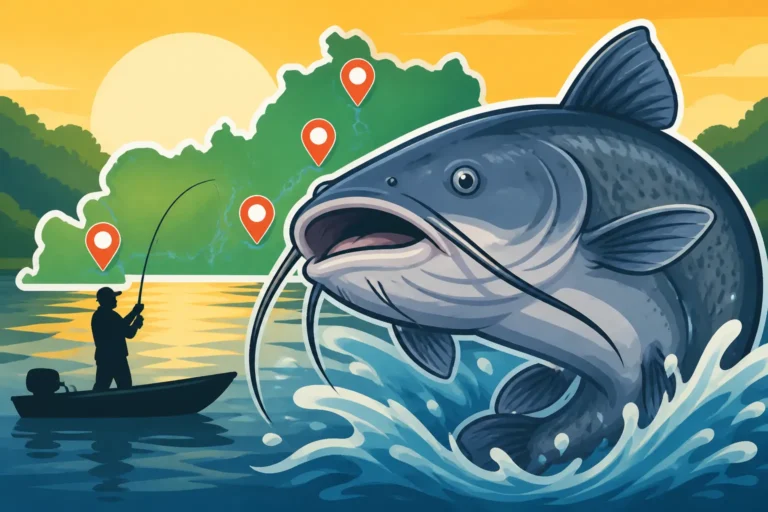
Many anglers find the sheer size and mighty currents of the Ohio River incredibly intimidating when they're looking to target catfish. It's easy to feel overwhelmed by its vastness, wondering where to even begin searching for those elusive monster blue cats or stubborn flatheads. This comprehensive guide is designed to cut through that uncertainty, revealing the most productive catfish fishing holes along the Kentucky side of the Ohio River and arming you with the crucial knowledge to make your next trip a truly successful and memorable experience.
Understanding the Ohio River's Catfish Species and Their Habits
Before you even cast a line, knowing a bit about the different catfish species and their preferred haunts in the Ohio River can drastically improve your chances. This isn't just about luck; it's about understanding the fish and their environment. The Ohio River is a powerhouse, and its resident catfish are built to thrive in its challenging conditions.
The Big Three: Blue, Channel, and Flathead Catfish
Kentucky's stretch of the Ohio River is home to three main species of catfish, each with its own quirks and preferences. Knowing what you're targeting helps you choose the right bait, rig, and location.
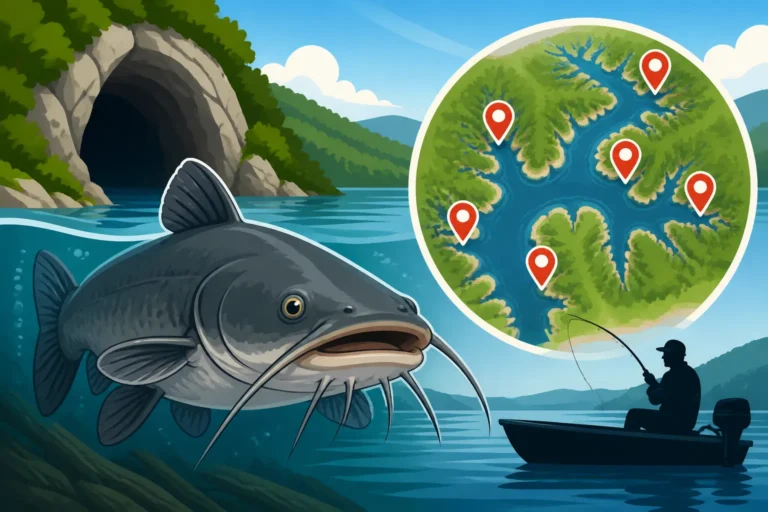
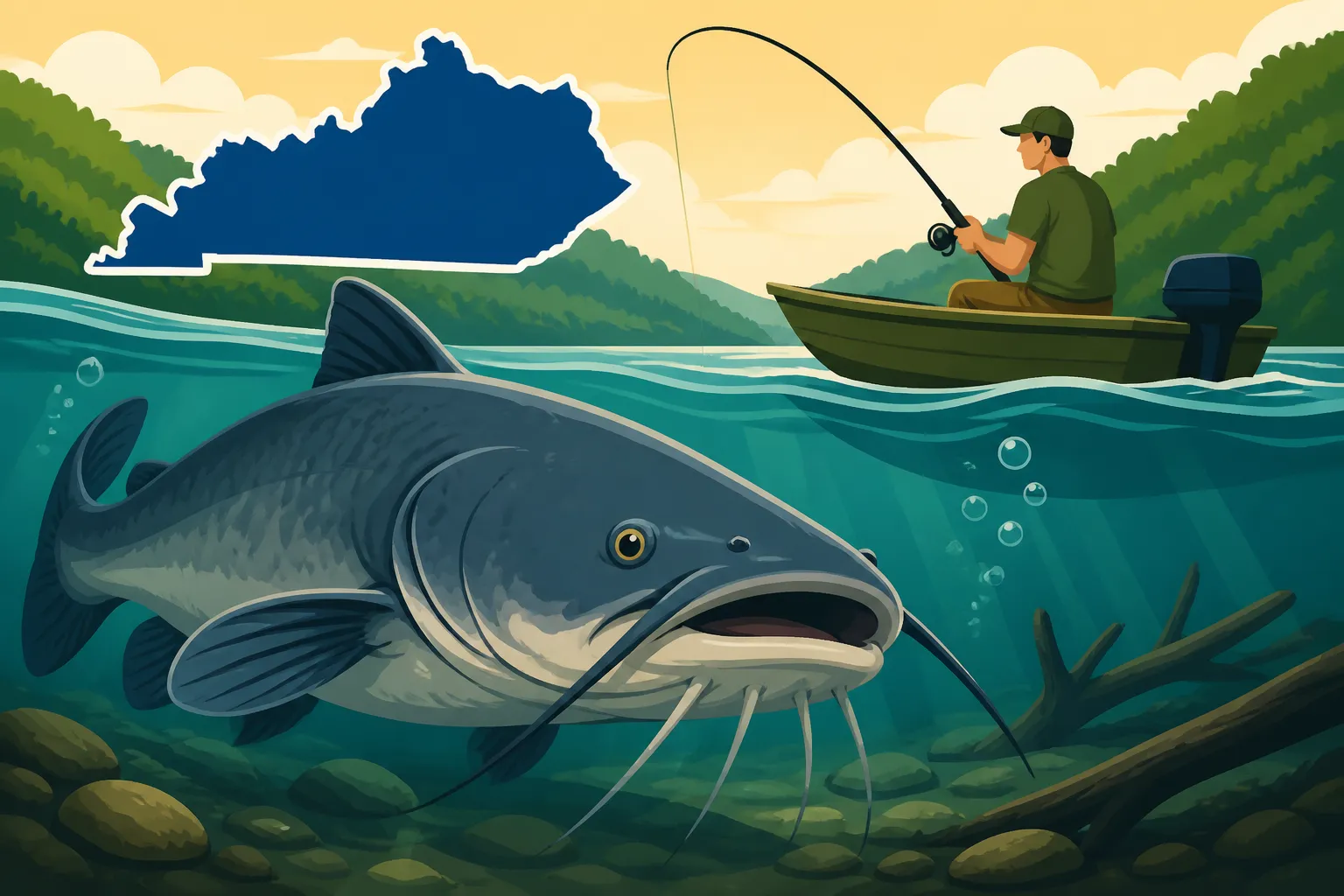
Blue Catfish are the true heavyweights of the Ohio River, and frankly, anywhere they call home. These magnificent fish absolutely thrive in deep water and strong currents, often congregating in the main river channel, especially in scour holes below dams or deep bends. They're primarily scavengers and opportunistic predators, making fresh cut bait their absolute weakness. If you're dreaming of a true trophy cat, the blue cat is your target, and the Ohio River has some giants. Anglers often find the biggest ones by targeting current seams where baitfish are swept past, allowing the blues to expend minimal energy for maximum feeding opportunity.
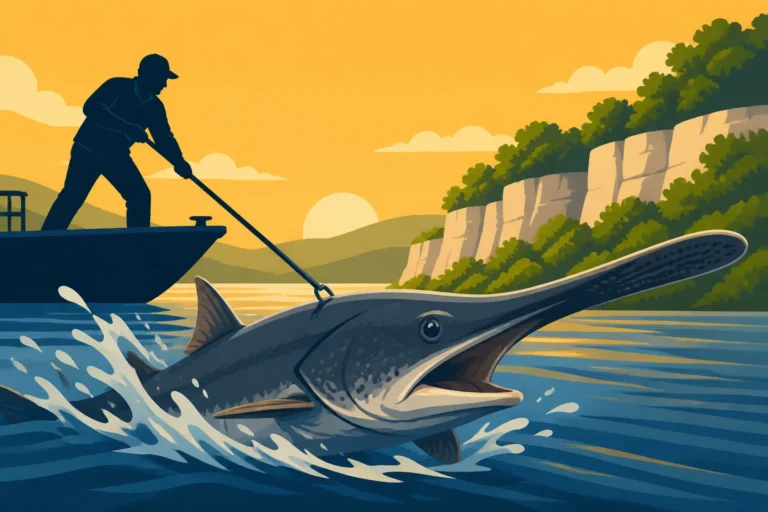
Flathead Catfish, on the other hand, are ambush predators with a bit of an attitude. Unlike blues and channels that readily take cut bait, flatheads have a strong preference for live prey. They're masters of disguise, often found lurking near submerged timber, large rock piles, log jams, and other dense cover where they can hide and spring out on an unsuspecting baitfish. Their slightly flattened heads and mottled, often yellowish-brown skin help them blend seamlessly into these snaggy environments. Targeting flatheads means fishing closer to structure, often in areas with slower current or eddies adjacent to faster flows. You'll need stout gear to pull these stubborn fish out of the cover they call home.
Channel Catfish are the most widespread and adaptable of the trio. While they might not reach the gargantuan sizes of blue cats, they offer fantastic action and are delicious table fare. Channel cats can be found in a variety of habitats, from main river channels to tributary mouths, backwaters, and even relatively shallower, calmer stretches. They're not as particular about current as blue cats, and while they appreciate structure, they aren't as religiously tied to it as flatheads. They'll readily hit a wide array of baits, from cut bait to stink baits, worms, and even some artificials. If you're just looking for consistent action and a good fight, channel cats are your go-to fish on the Ohio River.
Seasonal Movements and Feeding Patterns
The Ohio River's catfish don't just sit in one spot all year; their behavior is heavily influenced by water temperature, current, and spawning cycles. Understanding these seasonal shifts is key to consistent success. Knowing When Is the Ohio River Catfish Bite Best in Kentucky will directly correlate with these patterns.
In spring, as water temperatures begin to rise, catfish start moving from their deep wintering holes into shallower, warmer waters. This prespawn period is often an excellent time to target them, as they're feeding aggressively to build energy for spawning. You might find them in tributary mouths, around submerged islands, or on large flats adjacent to deeper channels. The warming water near rocky banks or shallower flats can be particularly productive.
Summer brings warmer water temperatures, which can send catfish into deeper, cooler holes during the heat of the day. However, they'll often move into shallower areas to feed more actively at night or during cooler periods like dawn and dusk. This is prime time for night fishing, especially for blue and channel cats. Concentrating your efforts around structure, current breaks, and deep bends during the day, and then shifting to shallower flats or tributary entrances after dark, can be incredibly effective. For those hot months, checking out Summer Catfish Fishing on the Ohio River in Kentucky will give you even more specialized tips.
Come fall, as water temperatures start to drop again, catfish begin their aggressive feeding patterns, trying to put on weight for the upcoming winter. They'll be found in a variety of depths, often moving in and out of shallower foraging areas and retreating to deeper holes. This is another fantastic time for trophy fish, as they're actively searching for substantial meals. Look for them in areas where baitfish are abundant, often relating to submerged cover or drop-offs.
During winter, catfish will typically congregate in deep, slow-moving holes, often in main river channels or in the scour holes below dams. Their metabolism slows down, and they're less active, but they can still be caught if you present your bait directly to them. This often means vertical jigging or slowly drifting baits through known wintering holes. The bite can be subtle, but the rewards can be substantial if you hit the right spot.
Prime Catfish Hotspots Along the Kentucky Side of the Ohio River
The Ohio River is huge, but certain areas consistently produce excellent catfishing. Knowing these specific "fishing holes" can save you a lot of time and fuel. If you're looking for the very Best Catfish Spots on the Ohio River in Kentucky, here are some key areas to focus on.
Major Dams and Tailwaters
There's a reason tailwaters below major dams are legendary for catfishing, especially for trophy blues. The churning water, constant flow, and abundance of stunned or disoriented baitfish create a natural feeding frenzy.
The McAlpine Dam at the Falls of the Ohio near Louisville is absolutely renowned for its trophy blue catfish. This area is a true gem, but it demands respect due to its strong currents and commercial traffic. Below the dam, the river plunges into deep scour holes, and the rocky shelves create incredible current breaks and eddies where baitfish gather and catfish lie in wait. Anglers often target the deep channel edges and the turbulent seams where the faster current meets slower water. Just be mindful of navigation rules and stay clear of restricted areas. It's not uncommon for local guides, many of whom you can find on FishingBooker, to spend countless hours here chasing giants.
Further upriver, the Meldahl Dam, near Augusta, Kentucky, is another incredibly productive tailwater. Similar to McAlpine, the water below Meldahl is highly oxygenated and rich with baitfish, drawing in large blue and channel catfish. The deep holes and varying current speeds provide ideal ambush points. Experienced anglers will often focus on the immediate tailrace, as well as the deeper stretches downstream where the current begins to mellow slightly, but still provides ample food delivery. These dam areas are often featured when discussing How the Ohio River Produces Kentucky's Biggest Catfish.
Productive Tributary Mouths and Confluences
Where a tributary river flows into the main Ohio, you'll often find a highly dynamic and productive fishing environment. These areas offer varying water temperatures, currents, and an influx of different baitfish, making them prime catfish real estate.
The confluence of the Licking River with the Ohio River, near Covington and Newport, is an excellent example. This area provides a fascinating mix of habitats. The Licking River brings its own ecosystem into the Ohio, and the merging currents create distinct seams and eddies. These spots are particularly good for both channel catfish and flatheads, especially where the water temperatures from the two rivers might differ slightly, concentrating baitfish. Look for submerged logs or rock piles near the mouth of the Licking for flatheads, and drift cut bait in the current seams for blues and channels.
Another prime spot is the Salt River confluence near West Point, Kentucky. The Salt River is a significant tributary, and its junction with the Ohio offers a similar, diverse environment. The inflowing water can carry nutrients and baitfish, creating a buffet for hungry catfish. Focus on the deeper cuts and the main channel where the Salt River's flow joins the Ohio, as well as any significant structure like submerged trees or rock formations.
Deep Holes, Channel Bends, and Submerged Structures
Beyond the dams and tributary mouths, the sheer length of the Ohio River provides countless opportunities in its main body. The trick is to identify those underwater features that concentrate catfish.
Around the Paducah area, especially where the Ohio River meets the Tennessee River, you'll find exceptionally deep sections and significant current. This confluence is a hotspot for big blue catfish, as the constant flow and depth provide perfect habitat. Anglers often target the main channel, looking for sudden depth changes, underwater humps, or old riverbed features that create current breaks. It's a prime location if you're specifically targeting Where to Catch Trophy Blue Catfish on the Ohio River in Kentucky.
Throughout the entire Kentucky stretch of the Ohio River, pay close attention to areas with heavy barge traffic. While it might seem counterintuitive, the movement of these massive vessels can actually be beneficial for catfishing. Barges displace immense amounts of water, stirring up the bottom and disorienting baitfish, which creates opportunistic feeding for catfish. More importantly, the constant scouring from propwash can create deep holes and troughs along the navigation channel, which are prime resting and feeding areas for big blues. These are truly productive, if sometimes challenging, areas to fish.
Finally, always look for bridge pilings and old pier remnants. These man-made structures provide significant current breaks and cover, making them magnets for baitfish, and consequently, for flatheads and channel cats seeking ambush points. The old wooden pilings often harbor crayfish and other invertebrates, adding to the allure. Fish tight to these structures, being prepared for snags, but also for explosive bites from fish holding close to cover.
Essential Gear and Techniques for Ohio River Catfishing
Taming the Ohio River's catfish requires more than just knowing where to go; you need the right tools and a solid understanding of how to use them effectively. These aren't pond fish; they're powerful river dwellers.
Rods, Reels, and Line: Built for Battle
When you're dealing with potentially huge fish in strong currents, your gear needs to be up to the task. Skimping here will only lead to frustration and lost fish.
For rods, you'll want something heavy-duty – think medium-heavy to heavy power with a moderate-fast action. This provides the backbone to handle big fish and heavy sinkers, while still having enough tip sensitivity to detect subtle bites in current. Many serious catfishermen opt for stout conventional rods paired with baitcasting reels, but a heavy-duty spinning setup can also work, especially for casting heavier baits. Brands like Ugly Stik or Berkley Big Game rods are popular for their durability and power.
Your reel needs to have a strong drag system and ample line capacity. For conventional reels, popular choices include models from Abu Garcia (like the Ambassadeur series) or Penn. For spinning reels, look for models designed for saltwater or heavy freshwater use, such as those from Shimano or Daiwa, in sizes 6000 or larger. Remember, a smooth, reliable drag is crucial for fighting big fish without snapping your line.
As for line, most Ohio River catfishermen prefer monofilament in the 20-50 lb test range, or braided line from 50-100 lb test. Monofilament offers some stretch, which can be forgiving with sudden runs, while braid offers incredible strength, sensitivity, and smaller diameter for its breaking strength. If using braid, a heavy monofilament or fluorocarbon leader (50-80 lb test) is highly recommended for abrasion resistance against rocks, mussel beds, and catfish teeth. Make sure your knots are solid; a good Palomar knot or improved clinch knot will serve you well.
Finally, don't forget the hooks. Circle hooks are a game-changer for catfishing, especially when using cut or live bait. They significantly increase the chances of a jaw hookset, which is better for the fish's survival if you plan to release it, and generally leads to fewer gut hooks. Sizes from 7/0 to 10/0 are common for larger blue and flathead catfish.
Baits That Bring in the Big Ones
The right bait is half the battle when targeting Ohio River catfish. Each species has its favorites, though there's some overlap.
For blue and channel catfish, fresh cut bait is almost always king. Skipjack herring, often referred to as "skip," is perhaps the most beloved bait on the Ohio River. These oily, silvery fish are packed with scent and catfish simply can't resist them. If you can't find skipjack, shad (gizzard or threadfin) are excellent alternatives. Cut these baits into chunks, leaving the skin on for durability. The fresher, the better! You can even catch your own bait using cast nets in shallower areas of the river or tributary mouths. Stink baits or punch baits, like those from Catfish Charlie or Secret 7, are also incredibly effective, especially for channel catfish. They create a strong scent trail that draws in hungry fish from a distance.
Flathead catfish are a different beast entirely. They overwhelmingly prefer live bait. Small to medium-sized live bluegill, carp, or suckers (usually 4-8 inches long) are prime choices. Rigging them through the back or lips on a stout circle hook allows them to swim naturally, attracting the attention of lurking flatheads. You'll need a livewell or a large aerated bucket to keep your live bait healthy and active throughout your trip.
Rigging for Success in Strong Currents
Fishing in the Ohio River's current requires specific rigging strategies to keep your bait where the fish are and prevent constant snags. The current can be relentless, and a lightweight rig will simply wash away.
One of the most popular and effective setups is the three-way rig. This involves a three-way swivel, with your mainline tied to one eye, a leader to your hook tied to another, and a short dropper line (usually 1-2 feet) to your sinker tied to the third. This rig allows your bait to drift naturally above the bottom while your sinker holds position.
The Santee-Cooper rig is another excellent choice, particularly for presenting cut bait. It's essentially a Carolina rig with a small float added to the leader just above the hook. This float helps suspend your bait slightly off the bottom, preventing it from getting buried in muck or weeds, and making it more visible to cruising catfish.
For targeting areas with heavy structure, or when you need a more direct presentation, a heavy Carolina rig (just a sinker sliding on the main line above a swivel, then a leader to the hook) can also be effective. The key is using heavy sinkers—anywhere from 4 to 10 ounces, sometimes more, depending on the current speed—to ensure your bait stays anchored to the bottom. Flat, "no-roll" sinkers are often preferred in current as they don't get swept away as easily as round ones. For a deeper dive into the specifics, check out Best Rigs for Catfish Fishing in Current.
Planning Your Ohio River Catfish Expedition
A successful Ohio River catfishing trip isn't just about showing up; it requires careful planning, especially regarding regulations, safety, and tapping into local wisdom.
Navigating Regulations and Licensing
Before you even think about casting a line, you absolutely must ensure you're legally prepared. Kentucky has specific rules for fishing its waters, and ignoring them can lead to hefty fines.
First and foremost, you need a valid Kentucky fishing license. This isn't optional. For a comprehensive overview, refer to the Kentucky Fishing License Guide. It's crucial to understand the different license types available, whether you're a resident or a nonresident, and how long your license is valid.
Beyond the license itself, familiarize yourself with the Kentucky Fishing Regulations Explained. These regulations cover everything from legal fishing methods to size and creel limits. When it comes to catfish, pay close attention to the Kentucky Catfish Limit: 15 Fish, Only 1 Over 25 Inches. This means you can keep a good number of eaters, but you're restricted on the number of trophy-sized fish you can harvest, which is a great conservation measure. Fishing without understanding these rules can lead to serious consequences, and if you're ever caught, knowing What Happens If You Fish Without a License in Kentucky? might make you wish you'd taken five minutes to get one.
One important consideration for the Ohio River is reciprocity with Ohio. If you're an Ohio resident fishing the shared waters of the Ohio River, you might be covered by your Ohio license under certain conditions. However, it's always best to check the most current regulations, or simply purchase a Kentucky license if you plan to fish from the Kentucky bank or launch from a Kentucky ramp, to avoid any confusion. For specifics on how this works for our northern neighbors, check out information related to Ohio Anglers Fishing in Kentucky Waters.
Choosing Your Vessel and Safety
The Ohio River is a large body of water, often with heavy commercial traffic. Your vessel needs to be appropriate for the conditions, and safety should always be your top priority.
While some bank fishing opportunities exist, especially around certain parks or accessible dam areas, successfully targeting the best catfish holes often requires a boat. Many experienced anglers prefer Best Jon Boats for Ohio River Fishing for their stability, shallow draft capabilities in certain areas, and durability. However, larger aluminum boats or even bass boats can be adapted for catfishing. Whatever your choice, ensure it's a sturdy vessel with a powerful enough engine to handle the river's currents and wakes from passing barges.
Safety on the Ohio River cannot be overstated. Always have enough Coast Guard-approved life jackets for everyone on board, and ensure they are worn, especially by children. Carry all required safety equipment, including navigation lights (if fishing at night or in low light), a whistle or horn, a fire extinguisher, and a first-aid kit. A reliable anchor is crucial for holding position in strong currents, and a backup anchor is a smart idea. Before you head out, make sure someone knows your float plan – where you're going and when you expect to return. The river can change quickly, so always be aware of weather forecasts and river conditions.
Leveraging Local Knowledge and Resources
Even with all the right gear and knowledge, nothing beats local expertise. The Ohio River is a dynamic system, and conditions can change daily.
Local bait and tackle shops are absolute goldmines of current information. Stop in, buy some bait, and chat with the proprietors. They often know what's biting, what baits are working best, and where the fish are being caught. They can provide invaluable real-time insights that no online guide can match.
Consider booking a guided trip, especially if you're new to the Ohio River or targeting trophy fish. Platforms like FishingBooker are fantastic resources for finding experienced local guides who specialize in Ohio River catfishing. These guides spend countless hours on the water, know the seasonal patterns like the back of their hand, understand the river's currents, and can safely navigate you to the most productive spots. Leveraging a service like FishingBooker can instantly boost your chances of success, providing you with a safe and educational experience. Many of the guides listed on FishingBooker have years of experience battling the Ohio's biggest catfish, and can teach you the nuances of river catfishing. If you're looking to cut the learning curve and get straight to the action, booking a trip through FishingBooker is a highly recommended strategy.
Finally, engage with online fishing forums and local fishing groups dedicated to the Ohio River. These communities are often willing to share tips, techniques, and recent fishing reports, helping you stay current on what's happening on the water.
Here's a quick comparison of the three primary catfish species you'll encounter on the Ohio River:
| Catfish Species | Preferred Habitat | Best Bait | Key Identification | Average Adult Size (Ohio River) |
|---|---|---|---|---|
| Blue Catfish | Deep holes, strong current, main channel | Fresh cut bait (shad, skipjack herring) | Deeply forked tail, smooth skin, slate blue/gray color | 15-50 lbs (can exceed 100 lbs) |
| Flathead Catfish | Submerged timber, rock piles, slow current eddies | Live bait (bluegill, suckers, carp) | Broad, flattened head, slightly notched tail, mottled brown/yellow skin | 10-40 lbs (can exceed 70 lbs) |
| Channel Catfish | Variety of habitats, current breaks, shallower areas | Cut bait, stink bait, worms, chicken livers | Forked tail, dark spots (juveniles), olive/brown color | 2-15 lbs |
Disclaimer
Fishing regulations, conditions, and fish behavior can change. Always check the most current Kentucky Department of Fish and Wildlife Resources regulations before heading out. Exercise caution and prioritize safety on the water.