Best Paddlefish Snagging Spots on the Ohio River, Kentucky
The mighty Ohio River is a spectacle, a ribbon of water that carves its way across Kentucky's northern border. For many anglers, it’s a legendary waterway holding trophy fish, and none are quite as unique or as sought after in a particular way as the paddlefish. But let's be real, looking at that vast expanse of water, trying to figure out where to even begin snagging for these prehistoric giants can feel utterly overwhelming. This guide is dedicated to cutting through that confusion, pinpointing the very best paddlefish snagging spots along the Ohio River in Kentucky and giving you the insider knowledge you need to tackle this exciting challenge head-on.
Understanding Kentucky's Paddlefish and the Ohio River Fishery
The Ohio River isn't just a boundary; it's a vibrant ecosystem teeming with life, and the paddlefish, or "spoonbill" as it's often called, is one of its most fascinating inhabitants. Getting to know these ancient fish and the specific rules surrounding them is your first step towards a successful and legal snagging trip.
The Life and Times of the Paddlefish in Kentucky Waters
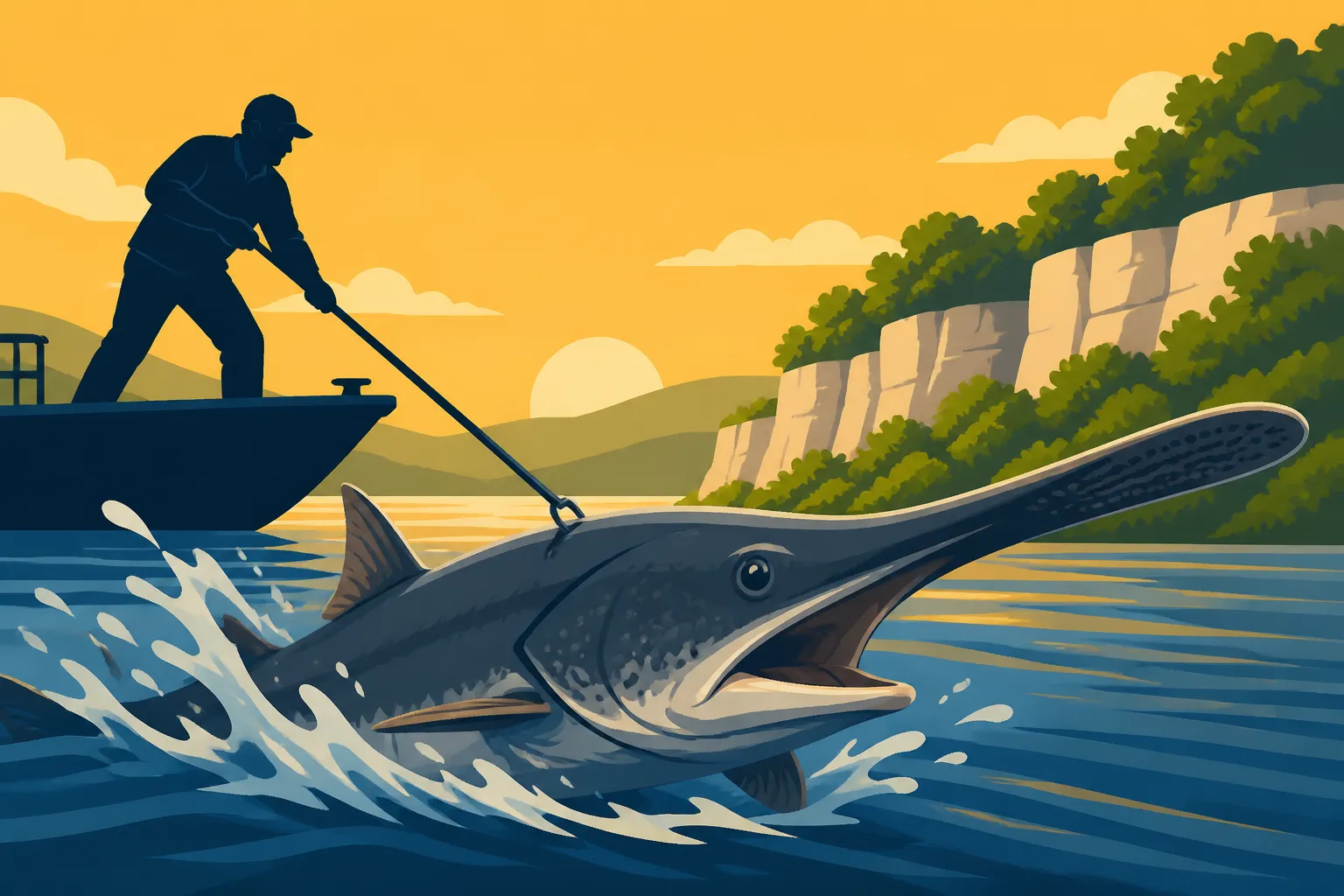
Paddlefish are true marvels, easily identifiable by their elongated, paddle-shaped snout, which is packed with electroreceptors they use to detect plankton – their primary food source. They're filter feeders, constantly swimming with their mouths open, sifting microscopic organisms from the water. This unique feeding strategy is precisely why traditional hook-and-line fishing doesn't work for them; you're not trying to entice them with bait, but rather, you're "snagging" them as they move through the water column.
These fish are highly migratory, often traveling vast distances up and down the Ohio River and into its major tributaries. During certain times of the year, they'll congregate in specific areas, making them more susceptible to snagging. Historically, they've been an important commercial and recreational fish, and their populations are carefully managed. It's truly a special experience to hook into one of these powerful, ancient creatures, feeling the raw strength as they fight against your gear in the current.
Regulatory Realities: Seasons, Limits, and Permits
Before you even think about casting a line (or, more accurately, a snagging hook), you need to be crystal clear on the regulations. Kentucky has specific rules for paddlefish snagging, and they are rigorously enforced to protect this valuable resource. You can't just head out there with a regular fishing license and expect to be good to go.
In Kentucky, snagging for paddlefish is typically allowed during designated seasons. The daily limit is usually two paddlefish per person, with an annual limit often set at four. However, these limits can change, and it's absolutely crucial to check the most current Kentucky Department of Fish and Wildlife Resources (KDFWR) regulations before each trip. A great place to start is their official website, or you can pick up a physical copy of the fishing guide. You'll definitely want to read up on the nuances of the state's fishing rules, especially if you're new to the area or even new to fishing for these giants; consider checking out the comprehensive guide on Kentucky Fishing Regulations Explained.
Beyond the general fishing license, a special permit is usually required for paddlefish snagging. This isn't just a suggestion; it's a legal requirement. Trust me, the fines for not having the proper documentation can really put a damper on your day. For instance, if you're wondering Do You Need a Special Permit to Snag Paddlefish in Kentucky?, the answer is almost certainly yes, and it's an inexpensive addition that saves a lot of headaches. Always carry your license and any required permits with you, either physically or digitally. Game wardens are out there, and they will check. You certainly don't want to find out What Happens If You Fish Without a License in Kentucky?.
Prime Snagging Locations Along the Ohio River in Kentucky
The Ohio River, for all its beauty and abundance, can be intimidating due to its sheer size. However, paddlefish tend to concentrate in predictable areas, especially where current, depth, and structure create ideal feeding or holding grounds. Knowing these hotspots is key to maximizing your chances.
Below Major Dams and Navigational Locks
Without a doubt, the areas immediately below the major dams and navigational locks on the Ohio River are paddlefish magnets. These structures create powerful tailwaters, churning currents, and deep scour holes where paddlefish often congregate. The concentrated flow pushes plankton through these areas, making them prime feeding stations. Plus, during migratory periods, the fish will stack up below the dams, unable to proceed further upstream.
Consider the Cannelton Dam area, accessible from the Kentucky side near Hawesville or the Indiana side near Tell City. The deep water and strong currents here make it a consistent producer. Anglers often target the eddy lines and current seams downstream from the lock chamber. Another prime location is the McAlpine Dam near Louisville. This area, particularly the tailwaters below the falls, is legendary for its fishing, including incredible opportunities for paddlefish. While it's a busier urban setting, the sheer concentration of fish can be astounding. Further east, the Meldahl Dam near Augusta and Foster also offers excellent snagging potential. The deep runs and powerful current breaks downstream provide ample habitat for these filter feeders. When you're fishing these areas, keep an eye on the river's activity; sometimes booking a guided trip through a service like FishingBooker can help you navigate these complex waters safely and efficiently, learning from experienced captains.
Navigating these dam tailwaters requires extreme caution. Currents can be treacherous, and barge traffic is constant. Always be aware of your surroundings, maintain a safe distance from the dam structure, and wear your life jacket. For general Ohio River fishing, including Best Catfish Fishing Spots on Kentucky's Ohio River, these dam areas are often mentioned for their productivity across various species.
Deep Channels and Confluence Zones
Beyond the immediate dam areas, paddlefish will also hold in deep river channels, especially where the river makes significant bends or where large tributaries meet the main stem. These confluence zones can create nutrient-rich eddies and current breaks that paddlefish find attractive.
Look for the deepest sections of the river, often marked on navigational charts, particularly those with a soft, silty bottom that's rich in organic matter (plankton food!). Areas where the Green River or the Kentucky River flow into the Ohio, for example, can create distinct current patterns and nutrient plums that attract schooling paddlefish. These spots provide both feeding opportunities and a refuge from the main river's relentless current. Fishing in these deeper channels often requires heavier weights to keep your rig near the bottom, where the paddlefish are likely feeding. A good depth finder can be invaluable here for identifying these key underwater features.
Eddy Lines and Current Breaks
Paddlefish, despite their large size, are not strong swimmers against heavy current for extended periods. They much prefer to sit in or near eddy lines and current breaks, where they can conserve energy while still accessing plankton-rich water. Identifying these zones is crucial for effective drift snagging.
An eddy line is essentially a line in the water where opposing currents meet, often creating a swirling or calmer area next to a faster flow. Paddlefish will position themselves along these lines, letting the current bring food to them. When drifting for paddlefish, you want to position your boat upstream of these breaks and let the current carry you through them, allowing your snagging rig to sweep through the zone where fish are likely holding. This technique requires good boat control and constant monitoring of your electronics to stay on target. Sometimes the slightest change in the current can move the entire school of fish, so adaptability is key.
Optimal Timing and Conditions for Paddlefish Snagging
Just like any other type of fishing, timing is everything when it comes to paddlefish snagging. Understanding the seasonal patterns and how environmental factors like water levels influence fish behavior will significantly boost your success rate.
The Spring and Fall Runs: Peak Snagging Seasons
While paddlefish can be caught year-round, there are definite peak seasons when they are more concentrated and active, making them easier to target. These generally coincide with their natural migratory and reproductive cycles.
The spring run, typically from March through May, is often considered the prime time for paddlefish snagging. As water temperatures rise, paddlefish begin their upstream migration for spawning, often concentrating below dams or in the mouths of major tributaries. This period is when you'll find large numbers of fish in relatively predictable locations. However, swift, cold runoff from heavy spring rains can sometimes make snagging challenging due to increased current and debris.
The fall concentration, usually from September through November, is another excellent period. As water temperatures begin to drop, paddlefish often congregate in deeper holes and channels, preparing for winter. While not as intense as the spring spawning run, fall can offer consistent action as the fish group up. For a deeper dive into when to go, you can check out Best Time of Year to Snag Paddlefish on the Ohio River. It’s during these peak times that you might even find specialized charter services available through platforms like FishingBooker, offering trips focused specifically on paddlefish.
Water Level and Flow Dynamics
The Ohio River's water levels and flow rates are constantly fluctuating, and understanding how these changes affect paddlefish behavior is vital. Ideal conditions are often found during stable or slightly rising/falling water levels after a period of consistency.
Rising water can be a double-edged sword. A slight rise can stir up nutrients and draw fish into new areas, potentially closer to shore or shallower flats, while also providing enough current for an effective drift. However, a significant rise, especially during heavy rains, can lead to fast, muddy water, making it extremely difficult to maintain bottom contact with your rig and to spot fish on your electronics. Debris can also become a major hazard.
Conversely, low water can concentrate fish in the main river channel and deeper pools, but it can also make them more lethargic or spooky. Very low flow might mean you need to work harder to cover ground and find active fish. Always keep an eye on USGS water data for real-time river levels and flow rates before heading out; this information is invaluable for planning your trip.
Weather Windows and Barometric Pressure
While not as critical as water level or season for paddlefish, general weather conditions can still play a role. Stable weather patterns are generally preferred. Paddlefish, being filter feeders, aren't as directly affected by barometric pressure changes that might influence the feeding habits of predatory fish like bass or crappie. However, stable high-pressure systems often bring clear, calm weather, which makes for a more comfortable and safer day on the water.
Avoid heading out during approaching storms, high winds, or heavy rainfall. These conditions not only make for an unpleasant fishing experience but can also be genuinely dangerous on a large river like the Ohio, especially if you're battling strong currents or heavy barge traffic. Safety should always be your number one priority.
Essential Gear and Techniques for Successful Snagging
Snagging paddlefish is a unique discipline that requires specialized, heavy-duty gear and a specific technique. You're not delicate fly fishing here; you're essentially grappling with a fish that can exceed 100 pounds in powerful currents.
Rods, Reels, and Line: Building Your Snagging Arsenal
Forget your finesse bass rod – for paddlefish snagging, you need serious horsepower.
You'll want a heavy-action rod, ideally 7 to 9 feet long. Think muskie or heavy saltwater rods, designed for handling large fish and heavy weights. A strong backbone is essential for the powerful hook sets and the grueling fight that follows. Many anglers opt for stout catfishing rods, which are built for similar demands. Speaking of catfishing, if you're interested in that, check out Kentucky Catfish Fishing: Ohio River and Kentucky Lake Guide.
For reels, a large, durable baitcasting reel or a heavy-duty spinning reel with a robust drag system is a must. These reels need excellent line capacity, as a big paddlefish can make long runs, especially in current. Look for reels rated for at least 80-pound test line.
Line choice is critical: braided line is the undisputed champion for paddlefish snagging. Opt for 80 to 100 lb test braided line. Its lack of stretch allows for powerful hook sets at long distances and provides maximum sensitivity to feel subtle bumps on your weight or line. The incredible strength is also necessary to handle the strain of snagging and fighting a massive fish in current. Don't skimp on line; it's your direct connection to the fish.
Hooks, Swivels, and Rigs: The Business End of Snagging
Your terminal tackle needs to be just as robust as your rod and reel.
Hooks are, of course, the most important part of your rig. You'll be using large, heavy-duty treble hooks, typically ranging from 8/0 to 12/0 in size. The larger hooks increase your chances of snagging a fish. Some regulations may require barbless hooks for easier release, especially if you plan to practice catch and release for undersized fish. Always check current regulations regarding hook size and type.
Weights are crucial for getting your hooks down to where the paddlefish are. You'll need heavy lead or tungsten sinkers, usually between 8 and 16 ounces, depending on the current strength and depth. These weights need to keep your rig near the bottom, where paddlefish are often found.
A common rig setup involves a three-way swivel. Tie your main line to one eye, a short leader (1-2 feet) with your weight to the second eye, and another short leader (1-3 feet) with your treble hook to the third eye. This allows your hook to drift slightly above the bottom while your weight maintains contact. Alternatively, some anglers tie the weight directly to the end of their main line, with one or two treble hooks snelled onto dropper loops a foot or two above the weight. Use heavy-duty swivels and snaps throughout to prevent line twist and ensure your connections hold up under pressure.
Mastering the Snagging Drift and Hook Set
Snagging isn't just about throwing a hook out; it's a refined technique of boat control and rhythm.
The general approach is to drift with the current in known paddlefish holding areas, allowing your heavy rig to sweep along the bottom. You'll typically position your boat slightly upstream of where you expect the fish to be, then slowly drift downstream. The goal is to keep your weight making occasional contact with the bottom, but not dragging excessively. This requires constant adjustment of your trolling motor or engine to match the current speed. For anglers new to river fishing, this controlled drift can be a challenge, but it’s essential for covering water effectively.
The "sweep and reel" technique is common. As your weight hits bottom, lift your rod tip sharply, then quickly drop it back down while reeling in a few cranks to take up slack. This sweeping motion helps propel your hooks through the water column, increasing the chance of snagging a paddlefish. You're constantly feeling for subtle bumps or changes in resistance, which could indicate a fish.
When you feel what you think might be a fish, the hook set needs to be immediate and powerful. You'll often feel a heavy thud or simply increased resistance. Swing your rod tip upward and to the side with all your might, really driving those hooks in. Once hooked, paddlefish put up an incredible fight, often making powerful runs, especially with the assistance of the current. Be ready for a long, taxing battle, and use your boat to maneuver and follow the fish to prevent break-offs.
Safe Boating and Responsible Angling on the Ohio River
The Ohio River is a fantastic fishery, but it's also a major commercial waterway and can be a dangerous place if not treated with respect. Safety, navigation, and ethical angling practices are paramount.
Navigating the Ohio: Currents, Barges, and Buoys
Fishing the Ohio River means sharing the water with commercial traffic. Massive barges, often pushed by powerful towboats, have the right of way and cannot stop quickly. Always give them a wide berth, understanding that their wake can be significant and unpredictable. It's not a question of if you'll encounter them, but when.
Understanding navigation aids like buoys is also critical. Red buoys mark the right side of the channel when going upstream (red right returning), and green buoys mark the left. The main navigation channel is often deeper and has the strongest current. Stay out of the main channel as much as possible when fishing, unless you are actively crossing it safely. Pay attention to no-wake zones, especially around marinas and docks.
The currents on the Ohio can be deceivingly strong, particularly below dams and around major river bends. Eddies can create swirling water that pulls your boat unexpectedly. Always keep an eye on upstream conditions and be prepared for sudden changes in current direction or speed. Services like FishingBooker often list guides who are intimately familiar with these river dynamics, which can be invaluable for a novice.
Essential Boat Safety Gear and Practices
Boat safety on a large river like the Ohio is non-negotiable. You are legally required to have certain safety equipment on board, and it's simply good practice to have even more.
First and foremost, life jackets. Everyone on board should have an approved life jacket readily accessible, and children under a certain age (typically 12 in Kentucky) are legally required to wear them at all times while the boat is underway. For a deep dive into what's required, check out Life Jacket Rules for Boats in Kentucky. Beyond life jackets, ensure you have a fire extinguisher, a sound-producing device (like a horn or whistle), navigation lights if operating after sunset or before sunrise, and a first-aid kit.
It's also highly advisable to carry a VHF marine radio for communicating with other vessels and emergency services, especially since cell phone service can be spotty in some river stretches. A robust anchor that will hold securely in strong currents is absolutely essential, particularly when fishing dam tailwaters. Always check the weather forecast before heading out, inform someone of your float plan (where you're going and when you expect to return), and never, ever overload your boat. If you’re considering a new boat or checking your existing one, a visit to Kentucky Boat Registration Requirements Explained might be a good idea. For those targeting species like catfish with a similar boat setup, "Best Jon Boats for Ohio River Catfishing in Kentucky" offers useful information on boat types.
Respecting the Resource: Catch and Release, and Ethical Angling
Paddlefish are a unique and treasured part of Kentucky's aquatic heritage, and responsible angling ensures their populations thrive for future generations. Adhering to all regulations, including size and creel limits, is paramount.
If you catch an undersized paddlefish or one you don't intend to keep, practice proper catch-and-release techniques. Minimize its time out of the water, handle it gently, supporting its body, and get it back into the river as quickly as possible. Some anglers advocate for barbless hooks to facilitate easier and less damaging releases. Be prepared to measure fish accurately and know the legal size limits before you start.
When you harvest a paddlefish, ensure you know how to process it respectfully and efficiently. These fish can be large, so have a plan for handling and storing your catch. By being a responsible angler, you contribute to the conservation efforts that allow this incredible fishery to continue. Many guides listed on platforms like FishingBooker are passionate about conservation and can teach you best practices for sustainable angling.
Table: Key Kentucky Ohio River Snagging Locations Overview
To help you visualize and compare some of the prime paddlefish snagging spots on the Kentucky stretch of the Ohio River, here's a quick overview:
| Ohio River Dam | Location (Nearest KY City) | Key Features for Paddlefish Snagging | Best Snagging Conditions | Unique Considerations |
|---|---|---|---|---|
| Cannelton Dam | Hawesville | Powerful tailwater currents, deep scour holes | Spring & Fall runs, moderate flow | Significant barge traffic, strong eddies |
| McAlpine Dam | Louisville | Below Falls of the Ohio, massive water flow | Spring & Fall runs, rising water | Urban access, high recreational traffic |
| Meldahl Dam | Augusta/Foster | Deep runs, excellent current breaks & eddies | Spring & Fall, stable to rising water | Commercial traffic, varying bank access |
| Lower River Channels | Paducah/West Point | Deep shipping channels, major river bends | Stable conditions, deeper water | Less current dependent, vast area to cover |
Disclaimer
Please be aware that fishing regulations, including those for paddlefish snagging, can change. Always consult the official Kentucky Department of Fish and Wildlife Resources (KDFWR) website or their current fishing guide for the most up-to-date rules and regulations before planning your trip. This guide is for informational purposes only and should not replace official legal documentation. Stay safe and fish responsibly!