How Big Do Muskie Get in Kentucky?
There’s something truly special, almost mythical, about muskie fishing in Kentucky. Many anglers dream of encountering these elusive, toothy predators, often called the "fish of 10,000 casts." This guide is all about peeling back the curtain on just how big these magnificent fish can get in the Commonwealth's waters, giving you a realistic picture of what to expect and what truly record-breaking potential exists.
The Legend of Kentucky Muskie Size
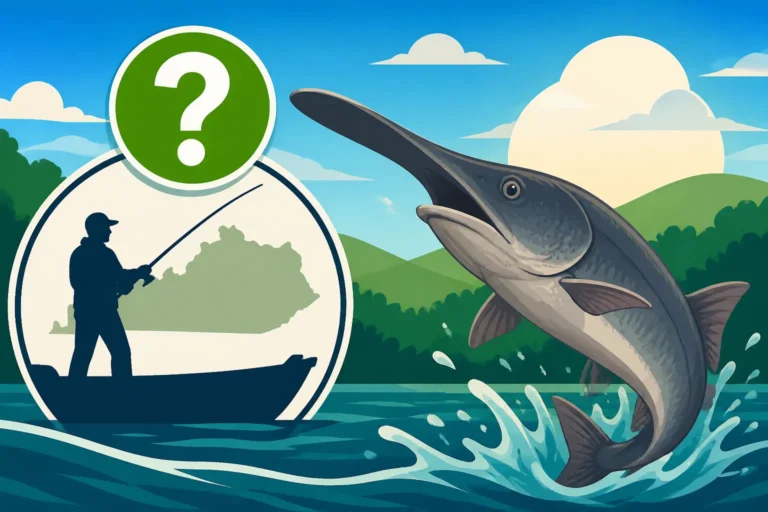
Muskellunge, or muskie, have earned their formidable reputation for a reason. They are apex predators, known for their incredible power, their elusive nature, and, of course, their impressive size. In Kentucky, our muskie waters, particularly in the eastern part of the state, are renowned for producing some truly massive fish. It’s not just a rumor; the potential for a genuine giant is real, and it’s why so many dedicated anglers brave the elements and put in countless hours on the water.
When you think about "big fish," muskie are often at the top of the list. They’re built like torpedoes, packed with muscle, and their strikes are legendary. For many, catching a muskie, regardless of size, is a monumental achievement. But to hook into one of Kentucky's true beasts? That's the stuff of legends, the kind of story you tell for years to come around the campfire. It’s a pursuit that demands patience, specialized gear, and a deep understanding of their habits, but the payoff can be immense. For more on these incredible fish, check out our guide on Muskie, Pike and Pickerel Fishing in Kentucky.
Average Size Expectations
Let's be realistic: not every muskie you catch will be a behemoth. Most anglers, especially those new to muskie fishing, are thrilled to land a fish in the 30-inch range. These are still incredibly strong, beautiful fish that offer an unforgettable fight. A "keeper" or a good solid muskie in Kentucky typically starts around 36 inches, but reaching that mark takes time and a healthy ecosystem.
Fish in the 30-40 inch range are quite common in well-managed muskie fisheries like Cave Run Lake. These fish are active, aggressive, and provide a fantastic challenge. As they grow beyond 40 inches, they become progressively rarer and more prized. Many experienced muskie hunters consider anything over 45 inches a true trophy, and a 50-inch muskie is the lifetime goal for most. It’s a testament to the fish’s longevity and the health of its habitat when they reach such incredible lengths.
Understanding Growth Factors for Muskie
Muskie growth is a fascinating process, heavily influenced by several key factors. Think of it like this: a healthy muskie needs plenty of food, clean water, and enough space to roam and ambush prey. In Kentucky, our lakes and rivers offer varying degrees of these essential ingredients, which directly impacts how big the muskie living there can get.
One of the biggest factors is the forage base. Muskie are voracious eaters, consuming large quantities of smaller fish. Lakes rich in shad, suckers, and various panfish provide an excellent buffet for growing muskie. Without this abundant food source, muskie simply won't reach their maximum potential size. Water temperature also plays a role; muskie are cold-water tolerant but thrive in moderate temperatures that support a diverse prey population. Healthy ecosystems with plenty of submerged structure, fallen timber, and weed beds offer ideal ambush points and protection, allowing these fish to grow old and large.
Kentucky's Record Holders and Trophy Potential
Kentucky has a proud history of producing genuinely enormous muskie, placing it firmly on the map as a top-tier muskie destination. Anglers come from all over to test their luck and skill against these freshwater giants. While the exact state record fluctuates over time, it's consistently in the upper 40-inch to low 50-inch range, often tipping the scales well over 40 pounds. These fish are the pinnacle of muskie fishing, proving that Kentucky waters hold the potential for truly world-class catches.
It’s not just about the state record, though. Many local legends exist around monster muskie caught and released in various lakes and rivers. These fish represent the peak of what the environment can produce and serve as inspiration for every angler who casts a line into Kentucky's waters. The state's dedication to muskie management and stocking programs further enhances this trophy potential, ensuring future generations of anglers have the chance to chase their own giants. For a look at where some of these giants lurk, check out Kentucky's Best Lakes for Muskie Fishing.
Chasing the State Record
The quest for a state record muskie is a monumental undertaking. It’s not just about being in the right place at the right time; it requires immense dedication, specialized knowledge, and often, a good deal of luck. Anglers who seriously pursue record muskie often spend hundreds, if not thousands, of hours on the water, meticulously studying patterns, experimenting with baits, and honing their techniques. They track water temperatures, forage movements, and even moon phases, all in the hopes of cracking the code to a true monster.
It's a game of patience and perseverance. Most muskie anglers will tell you that the difference between a 40-inch fish and a 50-inch fish is astronomical. Those extra few inches mean years of survival, growth, and dodging other predators and anglers. Catching a state record isn't just a personal achievement; it's a testament to the health and vitality of Kentucky's muskie fisheries. It’s also important to remember that responsible angling practices, including proper catch and release techniques, are paramount to sustaining these incredible trophy fisheries.
Trophy Lakes to Target
When it comes to targeting trophy muskie in Kentucky, a few names consistently rise to the top. Cave Run Lake in Eastern Kentucky is arguably the most famous and highly regarded muskie fishery in the state, and indeed, in the entire region. It's consistently stocked with muskie and boasts an incredible forage base, leading to exceptional growth rates and a reputation for producing numerous 40-inch and even 50-inch fish. If you're serious about catching a trophy, Cave Run Lake should be at the top of your list. You can learn more about specific spots there in Cave Run Lake's Best Muskie Fishing Spots.
Other notable trophy potential lakes include Green River Lake and Buckhorn Lake, both of which have healthy muskie populations and the potential for larger fish, though perhaps not with the same consistency as Cave Run. These lakes offer different challenges and environments, but with diligent effort, they too can yield impressive catches. Anglers often keep a close eye on stocking reports and local fishing forums to stay updated on which lakes are producing the biggest fish in a given season.
Factors Influencing Muskie Growth in Kentucky Waters
Muskie don't just magically get huge; it's a complex interplay of environmental conditions, biological factors, and good fisheries management. Kentucky's diverse aquatic environments, from large reservoirs to smaller river systems, provide different growth opportunities for these magnificent predators. Understanding these factors helps anglers appreciate the effort involved in producing trophy-sized fish and informs their strategies for finding them.
Consider the dynamic nature of a lake or river system. Water levels, temperature fluctuations, and even angler pressure can influence how muskie grow and behave. Kentucky's fish and wildlife agencies play a critical role in monitoring these factors and implementing strategies to support healthy muskie populations. This often includes carefully planned stocking programs and habitat improvement projects. For tips on when these giants are most active, read about the Best Time of Year for Muskie Fishing in Trophy Lakes.
Forage Base and Diet
The old adage "you are what you eat" holds especially true for muskie. Their diet is the primary driver of their growth. Kentucky's best muskie lakes are typically teeming with a rich variety of prey fish, providing the muskie with a consistent, high-protein food source. Shad, suckers, various panfish like bluegill and crappie, and even smaller bass contribute to the muskie's diet.
A plentiful and diverse forage base allows muskie to grow quickly and maintain their health. Lakes with stable populations of these baitfish create ideal conditions for muskie to reach impressive sizes. Conversely, lakes with a sparse forage base will generally produce smaller, slower-growing muskie. Fisheries biologists often monitor baitfish populations closely when managing muskie waters, as the health of the prey directly impacts the health and size of the muskie.
Habitat and Water Quality
Just like us, muskie need a good home. Their preferred habitats often include areas with abundant cover such as submerged timber, weed beds, rock piles, and points that offer ambush opportunities. These structures provide concealment from prey and predators (especially when young), as well as protection from harsh weather conditions. Healthy aquatic vegetation also plays a crucial role, offering oxygen, filtering water, and supporting baitfish populations.
Good water quality is non-negotiable for large, healthy muskie. Clean, well-oxygenated water free from pollution is essential for their survival and growth. Kentucky's commitment to maintaining water quality in its lakes and rivers directly benefits its muskie populations. When a lake suffers from poor water quality, the entire food chain, including the top predators like muskie, will suffer, leading to stunted growth or population declines.
Conservation and Management
The impressive size of muskie in Kentucky is not an accident; it's the result of dedicated conservation and management efforts by the Kentucky Department of Fish and Wildlife Resources (KDFWR). These efforts include regular stocking programs to maintain healthy population levels, especially in lakes where natural reproduction might be limited. They also implement protective slot limits or minimum size requirements to ensure that a good number of fish survive to reach trophy potential.
Anglers also play a vital role in conservation. Catch and release practices, especially for larger breeding-size fish, are essential for sustaining muskie populations. Many muskie anglers are passionate advocates for the species, understanding that these incredible fish are a precious resource that needs to be protected for future generations. The KDFWR provides valuable information on how to properly handle and release muskie, minimizing stress and ensuring their survival.
Gear Up for Giant Muskie: Tackle and Techniques
Chasing muskie, especially the true giants that Kentucky produces, requires specialized gear. You can't just head out with your everyday bass rod and expect to land a 40-pound toothy critter. The power, size, and sheer fight of a muskie demand heavy-duty equipment that can withstand the abuse. When you're thinking about tackling these beasts, it’s worth considering robust options. You might even find a comprehensive range of specialized muskie gear available on Amazon to get you started.
Equipping yourself properly isn't just about catching the fish; it's also about angler safety and the well-being of the fish. Muskie have incredibly sharp teeth, and handling them incorrectly can result in injury to both you and the fish. Investing in the right tools, from strong rods to specialized nets and release tools, makes the entire experience safer and more successful. For more general advice on what to bring, check out Best Rods and Reels for Kentucky Fishing.
Heavy-Duty Rods and Reels
For muskie, you'll want a heavy or extra-heavy action rod, typically between 8 to 9 feet long. This length provides the leverage needed to cast large lures and effectively fight a powerful fish. The rod should have a strong backbone but enough tip flexibility to absorb lunges. Pair this with a robust baitcasting reel designed for heavy line and big fish, capable of holding 80-100 pound braided line. A good quality reel with a smooth, powerful drag system is absolutely crucial.
You'll also need a heavy fluorocarbon or wire leader, as muskie teeth will slice through regular monofilament or braid in an instant. This leader acts as a protective buffer between your main line and the lure. Don't skimp on these components; a weak link in your setup will inevitably lead to heartbreak when you hook into that muskie of a lifetime. You can often find durable and reliable muskie-specific rods and reels from reputable brands on Amazon.
Essential Lures and Baits
Muskie eat big meals, so your lures need to reflect that. Think large bucktails, oversized crankbaits, gliders, jerkbaits, and soft plastic swimbaits, often ranging from 8 to 14 inches or more. These lures mimic the larger baitfish that muskie prey on and are designed to draw aggressive strikes. Color choice can depend on water clarity and conditions, but natural patterns are often a good starting point.
Live bait, especially large suckers or shad, can also be highly effective for muskie, particularly during colder water periods. However, using live bait often requires different rigging techniques and heavier tackle. No matter your choice, ensure your hooks are razor-sharp and strong enough to withstand the immense pressure of a muskie fight. Remember, if you're looking for specific, hard-to-find muskie lures, online retailers like Amazon can be a treasure trove of options.
Safe Handling Practices
Catching a large muskie is an exhilarating experience, but safe handling is paramount for both the angler and the fish, especially if you plan to release it. Always use a large, knotless landing net or a cradle specifically designed for muskie. Avoid lifting the fish by its gills or eyes. Instead, support its body horizontally.
Have long-nosed pliers, bolt cutters (for cutting hooks if necessary), and a hook-out tool readily available. These tools allow you to quickly and safely remove hooks from the muskie's toothy mouth, minimizing the time the fish is out of the water. Take a quick photo if you wish, and then release the fish gently back into the water, supporting it until it swims away under its own power. Practicing proper catch and release ensures that these incredible fish can continue to grow and provide thrilling experiences for other anglers.
| Muskie Size Category | Typical Length Range (Inches) | Weight Range (Pounds) | Angler Experience Level |
|---|---|---|---|
| Average Catch | 30 – 39 | 5 – 15 | Beginner to Intermediate |
| Trophy Fish | 40 – 49 | 16 – 30 | Experienced Angler |
| Giant / State Record | 50+ | 30+ | Highly Dedicated / Elite |
Disclaimer
This article is for general informational purposes only and does not constitute professional advice. Laws, prices and regulations vary by location and change over time. Consult a qualified professional for guidance on your specific situation.