Spotted Bass Fishing Tips for Rivers and Lakes
Kentucky spotted bass identification techniques, rough tongue teeth checks, and river or lake habitat locations for anglers.
Know what’s on the line.
Gamefish and panfish profiles — identification, behavior, feeding habits, and species-specific strategies for every catch.

Kentucky spotted bass identification techniques, rough tongue teeth checks, and river or lake habitat locations for anglers.

Kentucky black bass regulations require a twelve inch minimum length and a daily limit of six fish for anglers.

Kentucky Lake offers diverse habitats and abundant forage, supporting a thriving largemouth bass population and legendary fishing.
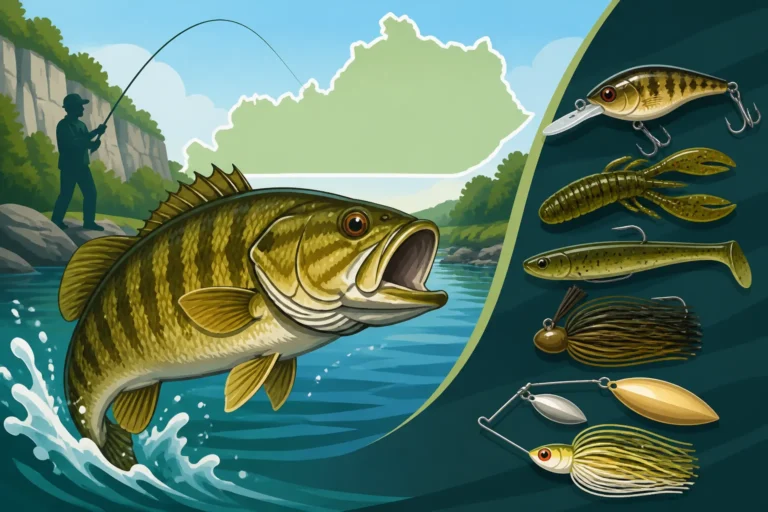
Cumberland River smallmouth bass fishing requires specific lures and understanding seasonal patterns to catch fish effectively.

Largemouth bass fishing on Kentucky Lake requires understanding seasonal water temperature, baitfish movements, and lake levels.

Spotted bass and largemouth bass identification tips help anglers distinguish between the two similar species in Kentucky waters.

Largemouth and smallmouth bass fishing difficulty in Kentucky compared using habitat preferences, feeding habits, and lake conditions.

Spotted bass identification features, physical traits, and preferred Kentucky water haunts help anglers distinguish them from largemouth and smallmouth bass.
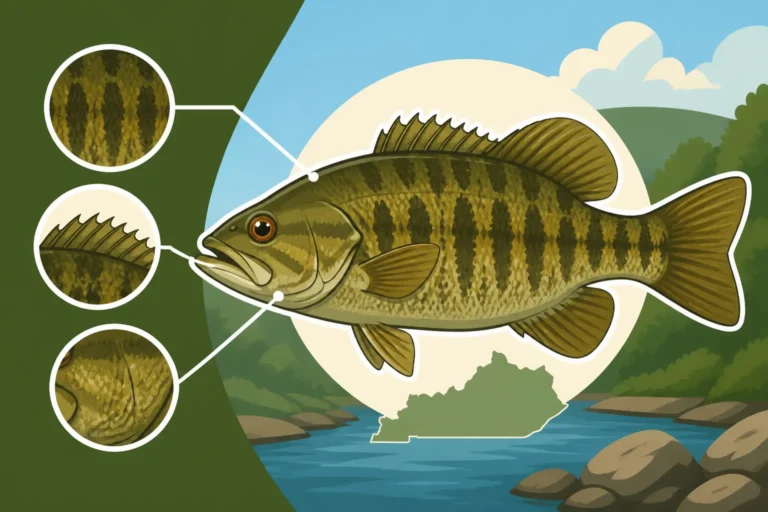
Smallmouth bass identification markings, including vertical bars and bronze coloration, help anglers separate them from other bass species.

Identifying largemouth bass features helps anglers recognize Kentucky fish by body shape, jaw length, and coloration patterns.