Coast Guard-Approved Life Jackets for Kentucky Boaters
Navigating the world of boating safety can sometimes feel like a maze, especially when it comes to understanding all the rules and regulations for Kentucky's beautiful lakes and rivers. One of the biggest areas of confusion for many anglers and recreational boaters revolves around life jackets – specifically, which ones are genuinely safe and legally compliant. This guide is designed to cut through that confusion, helping you understand exactly what a Coast Guard-approved life jacket means for Kentucky boaters, why it's so important, and how to choose the right one for your adventures on the water.
Why Coast Guard Approval Matters for Your Kentucky Boating Safety
When you're out on the water, whether it's the vast expanse of Kentucky Lake, the winding rivers, or a quiet local pond, safety has to be your top priority. It's not just about avoiding fines; it's about protecting yourself and your loved ones. That little "Coast Guard Approved" stamp on a life jacket isn't just a suggestion; it's a critical assurance of quality and performance, especially here in Kentucky.
The Legal Imperative: Staying Compliant in Kentucky
Let's be real, nobody wants to get a ticket when they're trying to enjoy a peaceful day of fishing or a fun family boat ride. Kentucky, like all states, adheres to federal boating regulations set forth by the U.S. Coast Guard. This means that if you're on any federally controlled or state waters, every vessel, from a tiny jon boat to a large cruiser, must carry a sufficient number of Coast Guard-approved life jackets for all persons onboard. Not just any old floatation device will do. That inner tube you use for the pool, or that old ski vest that’s seen better days and lost some of its buoyancy, won't cut it in the eyes of a Kentucky game warden. Life Jacket Rules for Boats in Kentucky are very clear on this.
The Coast Guard approval means that the life jacket has been rigorously tested to meet specific safety and performance standards. It ensures that the materials are durable, the flotation is adequate for its intended purpose, and that it will perform as advertised in an emergency. If your life jacket isn't explicitly marked with that approval, it's not considered legal, and you could face penalties, which is definitely not how you want to end your day on the water.
Beyond the Law: The True Value of a CG-Approved PFD
While avoiding legal trouble is a good motivator, the real value of a Coast Guard-approved Personal Flotation Device (PFD) goes far beyond compliance. These aren't just pieces of gear; they're essential safety equipment designed to save lives. Imagine this scenario: you're out on Lake Cumberland, the weather suddenly turns, and someone accidentally falls overboard. In that moment of panic and chaos, a properly functioning, approved life jacket could be the difference between a scary story and a tragic one.
Non-approved devices might offer some buoyancy, but they often lack the structural integrity, correct flotation distribution, or even the visibility features that a Coast Guard-approved PFD provides. They might not keep an unconscious person's face out of the water, or they might not be durable enough to withstand the forces of a swift current or prolonged exposure. Knowing that your PFD has been tested and certified gives you and your family a critical layer of confidence and protection against the unpredictable nature of open water.
The Risks of Non-Approved or Damaged Life Jackets
Using a non-approved or damaged life jacket is a gamble you absolutely do not want to take. A PFD that isn't Coast Guard approved hasn't undergone the stringent testing required to ensure it will perform reliably in an emergency. It might provide some floatation, but it won't meet the standards for buoyancy, turning an unconscious person face-up, or staying securely on the wearer. Think about the difference between a professionally engineered bridge and one built with scrap materials – both might look similar at a glance, but only one is designed to hold up under pressure.
Even an initially approved life jacket can become compromised over time. Fading from sun exposure, tears in the fabric, compressed foam, or broken buckles can severely reduce its effectiveness. Over time, foam can degrade and lose its buoyancy, straps can weaken, and stitching can come undone. A life jacket with a torn strap or a broken zipper is not going to stay on you when you need it most, and one with waterlogged or crushed foam won't keep you afloat as intended. Always inspect your life jackets before each outing. If you see signs of wear and tear, don't just hope for the best; replace it immediately. Your life, or the life of a loved one, is simply not worth the risk of an inadequate or damaged PFD.
Understanding the Different Types of Coast Guard-Approved Life Jackets (PFDs)
The Coast Guard doesn't just give a blanket approval; they categorize PFDs into different types based on their design, intended use, and buoyancy levels. This system helps you choose the right level of protection for your specific boating activity and conditions in Kentucky. It can feel a bit overwhelming at first, but once you understand the basic distinctions, picking the right one becomes much clearer.
Type I: Offshore Life Jackets for Extreme Conditions
Think of Type I PFDs as the heavy-duty option. These are designed for rough, offshore waters where rescue might be delayed. They offer the highest amount of buoyancy among all PFD types, typically providing at least 22 pounds of flotation for adults. Their primary purpose is to turn an unconscious person face-up in the water, quickly and reliably, and keep them in that position.
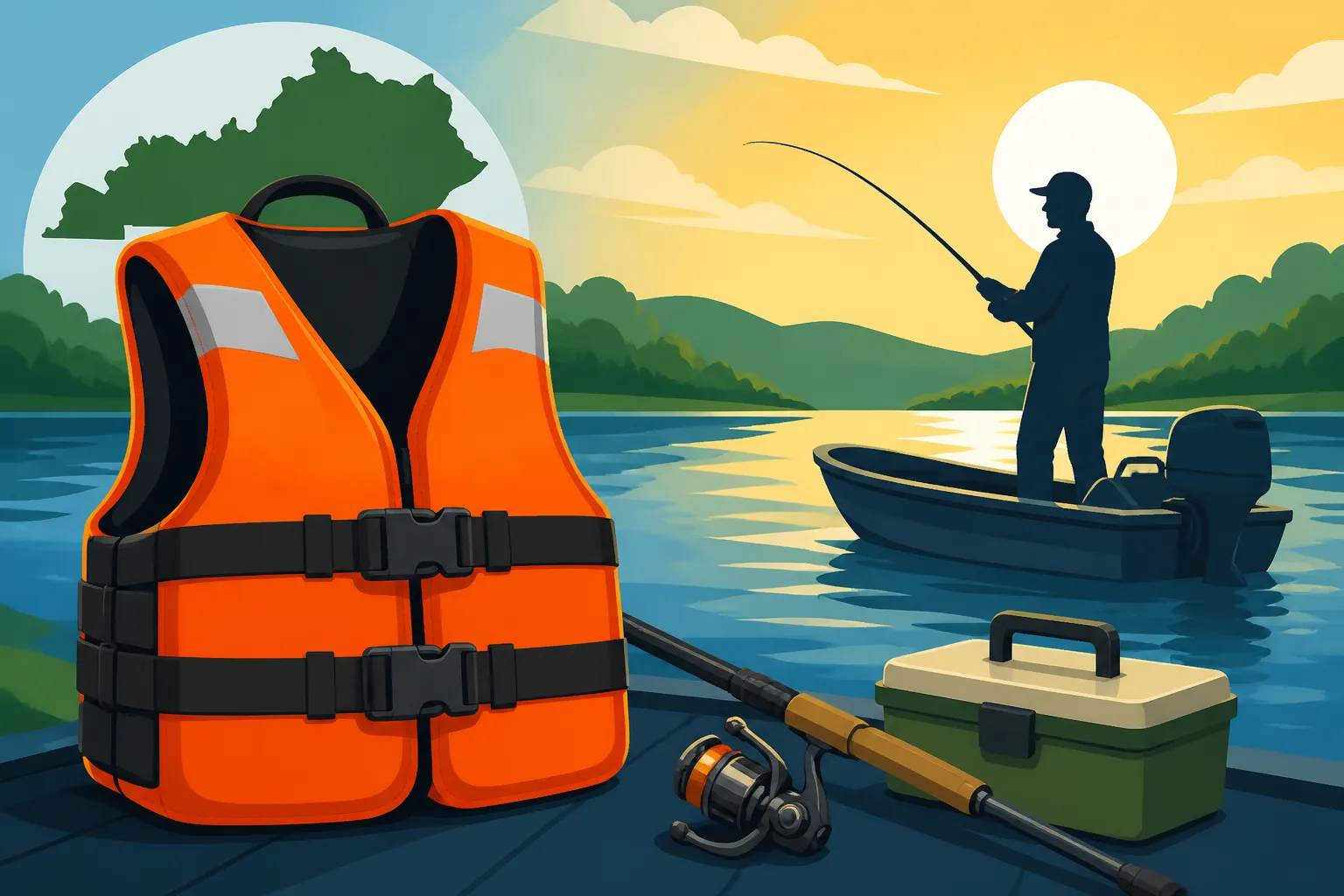
You'll recognize Type I PFDs by their bulky design and often bright orange or yellow color, making them highly visible. While they offer superior protection, they're not the most comfortable for active fishing or casual boating due to their size. For most inland Kentucky waters, like the Kentucky River or smaller lakes, a Type I might be overkill, but if you're venturing far out on a massive, choppy lake and conditions are dicey, or if you're in an area with sparse boat traffic, they provide invaluable peace of mind.
Type II: Near-Shore Vests for Calm Waters
Type II PFDs are your common "near-shore" vests. They're a step down in bulk and buoyancy from Type I, offering at least 15.5 pounds of flotation for adults. While they still provide good buoyancy and are designed to turn an unconscious person face-up, they may not do so as reliably or as quickly as a Type I, especially in rough water. They also require more effort from the wearer to maintain a face-up position.
These are the vests you'll often see on rental boats or as the default choice for general recreational boating in calm, inland waters where a quick rescue is likely. They're more comfortable than Type I vests, making them a popular choice for many Kentucky anglers who want adequate safety without feeling overly restricted. They are perfectly legal for general use, but always consider the specific conditions you'll be boating in.
Type III: Flotation Aids for Active Boaters
Type III PFDs, often called "flotation aids," are probably the most popular choice for active boaters, kayakers, and anglers in Kentucky. They offer the same minimum buoyancy as Type II vests (at least 15.5 pounds for adults) but are designed for maximum comfort and freedom of movement. They come in various styles, including vest-like designs, fishing vests with pockets, and even inflatable options (though those fall under a specific Type V category for approval).
The key difference with a Type III is that while it will keep a conscious person afloat, it is not designed to turn an unconscious wearer face-up. This means the wearer needs to be able to help themselves somewhat. For activities like bass fishing on Lake Barkley, kayaking the Elkhorn Creek, or waterskiing, where you're conscious and active, the comfort and mobility of a Type III are a huge plus. They allow you to cast, paddle, and move around the boat without feeling encumbered. Just remember their limitation regarding unconsciousness.
Type IV: Throwable Devices for Emergency Situations
Type IV PFDs are different from the first three types because they are not designed to be worn. Instead, they are throwable devices meant for someone who has unexpectedly fallen overboard. The most common examples are ring buoys and boat cushions. They provide at least 16.5 pounds of buoyancy. Every boat 16 feet or longer (excluding canoes and kayaks) must carry at least one Coast Guard-approved Type IV device readily accessible.
While a Type IV is crucial safety gear, it's not a substitute for a wearable life jacket for everyone on board. It requires the person in the water to be conscious and able to grab and hold onto the device. This makes them excellent for quick rescues where someone is close to the boat, but completely ineffective for an unconscious person or someone far from the vessel. They serve as a secondary line of defense and a vital component of your overall safety equipment.
Type V: Special Use Devices (Inflatables and Hybrids)
Type V PFDs are "special use" devices that have been approved by the Coast Guard for specific activities or conditions. They often incorporate features from other types, or they might be inflatable PFDs. For a Type V PFD to be considered legal, it must be worn when the activity for which it is approved is taking place. This is a crucial distinction. If it's an inflatable vest, for instance, it typically must be worn to be considered a legal PFD on board.
Inflatable PFDs, which offer a lot of comfort and freedom of movement, fall into this category. They are popular with many anglers and boaters because they are less bulky than traditional foam vests. They either manually inflate with a pull cord or automatically upon immersion in water, utilizing a CO2 cartridge. These types of PFDs require regular maintenance, including checking the CO2 cartridge and ensuring the inflation mechanism is in working order. They also have an expiration date for the CO2 cartridge. Other Type V devices include work vests, deck suits, and PFDs designed for specific sports like waterskiing or whitewater rafting. Always check the label to ensure it's approved for your intended use and remember, if it's an inflatable, you generally have to be wearing it for it to count as a required PFD.
Here’s a quick overview of the different types of Coast Guard-approved PFDs:
| PFD Type | Description | Buoyancy (Adult) | Intended Use | Key Features |
|---|---|---|---|---|
| Type I | Offshore Life Jacket | ≥ 22 lbs | Rough, isolated waters; delayed rescue | Highest buoyancy, turns unconscious face-up, bulky |
| Type II | Near-Shore Buoyant Vest | ≥ 15.5 lbs | Calm, inland waters; quick rescue | Good buoyancy, may turn unconscious face-up, less bulky than Type I |
| Type III | Flotation Aid | ≥ 15.5 lbs | Calm waters; continuous wearer attention; active sports | Comfortable, good mobility, not designed to turn unconscious face-up |
| Type IV | Throwable Device | ≥ 16.5 lbs | For immediate rescue of conscious person overboard | Cushions, ring buoys; not worn, not for unconscious |
| Type V | Special Use Device | Varies, specified on label | Specific activities (e.g., kayaking, sailing, inflatables) | Must be worn to be legal; often inflatables; requires maintenance |
Specific Kentucky Life Jacket Requirements and Who Needs to Wear One
Understanding the general types of PFDs is one thing, but knowing the specific rules that apply to Kentucky waters is another. The Kentucky Department of Fish and Wildlife Resources (KDFWR) enforces regulations that often align with, or sometimes even go beyond, federal guidelines. This is where many boaters get tripped up, and it's essential to get it right.
Mandatory Wear for Children Under 12
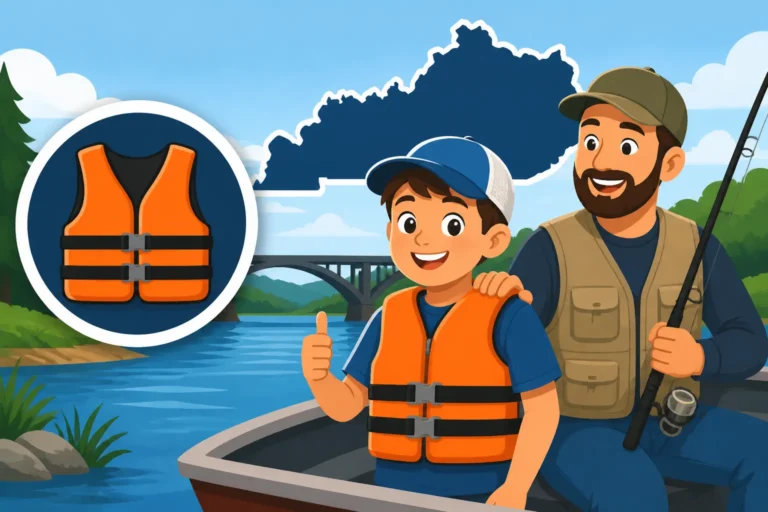
This is perhaps the most critical rule that catches parents off guard: Kentucky Life Jacket Law for Kids Under 12. In Kentucky, any child under the age of 12 (yes, that's their 12th birthday, not just until they're 12 years old) must wear a Coast Guard-approved life jacket while on the open deck or in the cockpit of any boat that is underway. "Underway" means the boat is moving, whether under power, sail, or even just drifting with the current, as long as it's not anchored, moored, or aground.
This rule is non-negotiable and designed for the safety of our youngest boaters. Even if your child is a strong swimmer, an accidental fall overboard can lead to panic, disorientation, or even head injury, making swimming impossible. A properly fitted and worn life jacket for kids ensures they stay afloat and visible. It's truly heartbreaking to hear stories of accidents that could have been prevented with a simple piece of safety gear. Make sure your kids' life jackets fit them correctly, as one that's too big can slip right off.
Requirements for Personal Watercraft PWC and Water Sports
If you're into personal watercraft (PWCs) like jet skis, or enjoying watersports like waterskiing, wakeboarding, or tubing on Kentucky's lakes, the life jacket rules are even stricter. Kentucky Life Jacket Rules for Personal Watercraft Riders state that every person riding on a PWC, or being towed behind a boat on skis or a tube, must wear a Coast Guard-approved life jacket.
There's no leeway here for age or swimming ability. The nature of these activities involves higher speeds, sudden movements, and a greater risk of falling into the water. A life jacket in these situations isn't just a precaution; it's a constant safety net. Most people participating in these sports opt for Type III flotation aids, which offer greater freedom of movement without sacrificing essential buoyancy. Ensure the life jacket is snug and won't ride up when you're in the water.
Having Enough Life Jackets for Everyone Onboard
Beyond the "who wears it" rules, there's the equally important "how many do you need" question. The foundational rule for all vessels, regardless of size or type, is that you must have at least one wearable Coast Guard-approved life jacket for every single person on board. This means if you have five people in your fishing boat, you need five wearable PFDs. It seems straightforward, but it's easy to forget if you have an extra friend join at the last minute.
For boats 16 feet or longer (excluding canoes and kayaks), you also need one Type IV throwable device, such as a ring buoy or seat cushion, in addition to the wearable PFDs. This throwable device must be readily accessible, meaning it shouldn't be stowed in a locked compartment or under a pile of gear. It needs to be reachable instantly in case of an emergency. Periodically check your boat to make sure you have enough compliant life jackets for everyone, including those unexpected guests, and that they are in good, serviceable condition. Life Jacket Requirements for Every Boat Occupant in Kentucky are there to ensure everyone has a fighting chance if an accident occurs.
Choosing the Right Life Jacket: Fit, Comfort, and Activity
Okay, so you understand why you need an approved life jacket and what types exist. Now comes the personal part: choosing the right one for you and your crew. This isn't a one-size-fits-all situation. A life jacket that's uncomfortable or doesn't fit properly is a life jacket that won't be worn, and therefore, it's useless.
The Importance of Proper Fit for Safety and Comfort
This can't be stressed enough: a life jacket must fit properly to be effective. An ill-fitting life jacket is almost as dangerous as no life jacket at all. If it's too big, it can ride up around your ears or even slip off entirely in the water. If it's too small, it'll be uncomfortably tight, restrict movement, and might not provide sufficient buoyancy for your body weight.
When trying on a life jacket, put it on and fasten all zippers, buckles, and straps. Then, have someone gently pull up on the shoulder straps. If the life jacket rides up and covers your chin or ears, it's too large. It should fit snugly, but allow you to breathe and move freely. For children, this fit test is even more critical. Kids grow fast, so continually check their life jackets. How to Choose the Right Life Jacket Size for Kids is vital, as a child's PFD should be chosen based on weight, not just age. A well-fitting PFD should feel like a comfortable hug, not a straitjacket or a loose cloak.
Matching Your PFD to Your Boating Activity
Your activity on the water should heavily influence your choice of PFD type. Are you leisurely cruising on Lake Cumberland, aggressively bass fishing on Kentucky Lake, kayaking on a smaller creek, or engaging in high-speed watersports?
- For serious fishing: Many anglers prefer a Type III vest, often with extra pockets and D-rings for tackle, pliers, and other gear. Some even opt for inflatable Type V vests for maximum freedom of movement while casting.
- For kayaking or paddleboarding: Again, a Type III or an inflatable Type V is usually preferred for its ergonomic design that allows for unrestricted paddling motion.
- For general family boating or pontoon cruising: Type II or Type III vests are common. Comfort and ease of wear are key to ensuring everyone keeps them on.
- For personal watercraft (PWCs): A snug-fitting Type III or Type V vest is essential. The high speeds and potential for hard impacts demand a secure fit.
Think about how much movement you'll need, how long you'll be wearing it, and what the water conditions are likely to be. Nobody wants to feel restricted or overheated on a beautiful Kentucky day, so finding that balance between safety and comfort is paramount.
Features to Look For: Pockets, D-rings, and Adjustability
Beyond the basic type and fit, modern life jackets come with a variety of features that can enhance your experience and safety. These might seem like small details, but they can make a big difference in functionality and comfort.
- Pockets: For anglers, integrated pockets are a game-changer. Imagine keeping your small tackle box, extra lures, or a pair of pliers right at hand without rummaging through a bag. Some fishing-specific PFDs from brands like Bass Pro Shops are designed with multiple zippered pockets and attachment points.
- D-rings and Attachment Points: These are incredibly useful for clipping on a whistle, a small knife, a line cutter, or even a kill switch lanyard. Having essential tools easily accessible can be critical in an emergency.
- Adjustability: Look for multiple adjustment straps at the shoulders, sides, and waist. This allows you to fine-tune the fit for different layers of clothing and ensure the vest stays secure, even when wet. Good adjustability also means a single vest might fit a wider range of people, making it more versatile for family use.
- Color and Reflective Strips: Bright colors (like orange, yellow, or lime green) and reflective strips are crucial for visibility, especially in low light, fog, or if you end up in the water. The easier you are to spot, the faster rescue can happen.
- Ventilation: Some vests incorporate mesh panels or breathable fabrics to help reduce heat buildup, which can be a real blessing on hot Kentucky summer days.
- Durable Zippers and Buckles: These are high-wear components. Look for robust, corrosion-resistant zippers and strong, easy-to-operate buckles that won't break or seize up after a few uses in wet conditions.
When you're trying on a life jacket, think about your typical day on the water. Do you need those pockets? Will the straps chafe? Does it feel too hot? Paying attention to these details will ensure you pick a PFD you'll actually want to wear.
Maintenance and Storage for Your Life Jackets
So you've invested in some great Coast Guard-approved life jackets. That's a fantastic first step! But these aren't "set it and forget it" items. Just like your fishing reels or your boat engine, life jackets require a little love and attention to ensure they remain effective and last for years. Neglecting them can lead to a false sense of security and potentially dangerous situations.
Regular Inspections: What to Look For
Before every outing, and certainly at the beginning of each boating season, make it a habit to give each life jacket a thorough inspection. Think of it as your own personal Kentucky Boating Safety Gear Checklist. What are you looking for?
- Tears, Rips, and Punctures: Check the outer fabric carefully. Even small holes can allow water to seep into the flotation material, reducing buoyancy.
- Strap and Buckle Integrity: Tug on all straps to ensure they're securely attached and not frayed. Check buckles and zippers for cracks, corrosion, or signs of wear. If a buckle doesn't snap securely, it needs to be replaced.
- Compressed or Waterlogged Foam: Squeeze the flotation foam. It should feel resilient and bouncy. If it feels hard, lumpy, or excessively squishy and heavy, the foam might be degraded or waterlogged, meaning it's lost its flotation properties.
- Fading and Discoloration: While some fading is normal, excessive discoloration, especially chalkiness, can indicate material degradation from UV exposure, which can weaken the fabric.
- Inflatable PFD Specifics: For Type V inflatables, check the CO2 cartridge to ensure it's not expired or punctured. Most have a green indicator if it's ready to go. Also, check the oral inflation tube for leaks. These require more diligent checks.
If you find any significant damage, it's time to retire that PFD. A compromised life jacket is a dangerous life jacket.
Proper Cleaning and Drying Techniques
After a long day on the water, your life jackets might be covered in fish slime, sunscreen, sweat, or even a little lake algae. Resist the urge to just toss them in a corner or, even worse, put them away wet.
- Rinse Thoroughly: After each use, especially in saltwater (though most Kentucky waters are freshwater, if you take them on a trip elsewhere), rinse your life jackets with fresh water to remove salt, dirt, and chemicals.
- Gentle Cleaning: If they're really dirty, use mild soap (like dish soap or a specialized gear cleaner) and a soft brush. Avoid harsh detergents, bleach, or solvents, as these can degrade the fabric and flotation material.
- Air Dry Completely: This is crucial. Hang life jackets in a well-ventilated area, out of direct sunlight, to air dry thoroughly. Never use a machine dryer or place them too close to a heat source, as high heat can damage the foam and fabric. Storing a damp life jacket is an open invitation for mold, mildew, and unpleasant odors, which will shorten its lifespan and make it less appealing to wear.
Storing Your Life Jackets to Maximize Lifespan
How you store your life jackets when not in use significantly impacts their longevity and effectiveness. Proper storage is often overlooked but it's just as important as cleaning and inspection.
- Cool, Dry, Ventilated Space: Store life jackets in a location that is cool, dry, and has good air circulation. A garage or shed is usually fine, but avoid attics or unventilated storage lockers where temperatures can soar.
- Out of Direct Sunlight: UV rays are a life jacket's worst enemy. They cause fabric to break down, colors to fade, and foam to degrade over time. Never leave them baking in direct sunlight for extended periods when not in use.
- Avoid Compression: Don't stack heavy items on top of life jackets or jam them into tight spaces. Constant compression can flatten the foam, permanently reducing its buoyancy. Hang them or lay them flat if possible.
- Away from Chemicals: Keep life jackets away from gasoline, oil, cleaning solvents, and other harsh chemicals, as these can damage the materials.
By taking these simple steps for cleaning and storage, you're not just preserving your gear; you're preserving a vital piece of safety equipment that could literally save a life someday.
Where to Find Quality, Approved Life Jackets for Kentucky Waters
Now that you're well-versed in the types, requirements, and care of Coast Guard-approved life jackets, the final piece of the puzzle is knowing where to find them. You want quality, reliability, and of course, proper approval. Thankfully, there are many reputable sources that make it easy to equip yourself and your crew for safe boating in Kentucky.
Reputable Retailers and Online Stores
When it comes to purchasing life jackets, sticking with established retailers is always your best bet. Stores that specialize in outdoor gear, boating supplies, or even general sporting goods typically carry a good selection of Coast Guard-approved PFDs. For anglers in Kentucky, a prime example is a place like Bass Pro Shops. They usually have a wide array of life jackets, from basic Type II vests to advanced fishing-specific Type III and inflatable Type V options. Their staff can often help you with sizing and understanding the different features.
Online retailers also offer a vast selection, often at competitive prices. Websites like Amazon, for instance, stock hundreds of different Coast Guard-approved life jackets from various manufacturers. The key when buying online is to carefully read product descriptions, check for the Coast Guard approval statement, and pay close attention to sizing charts and customer reviews to ensure you get the right fit and quality. Always be wary of suspiciously low prices on unbranded or uncertified products, as these are unlikely to meet safety standards.
Checking for the Coast Guard Approval Stamp
Regardless of where you buy your life jacket, the most crucial step is to physically verify the Coast Guard approval stamp. This isn't just a recommendation; it's a non-negotiable requirement. Every single Coast Guard-approved life jacket will have a label, usually sewn inside the vest or printed clearly on the fabric, that explicitly states it is "U.S. Coast Guard Approved."
This label will also indicate the PFD's Type (I, II, III, IV, or V), its intended use (e.g., "for general boating," "for watersports"), the maximum user weight (for adults) or weight range (for children), and specific care instructions. If you can't find this label, or if it's illegible or appears to be a sticker rather than a permanent marking, the life jacket is likely not approved, or its approval status is questionable. Don't take chances; if there's no clear, permanent approval stamp, pass on that PFD.
Budget-Friendly Options Without Compromising Safety
It's a common misconception that safety has to break the bank. While there are certainly premium life jackets with advanced features and higher price tags, you absolutely can find budget-friendly, Coast Guard-approved options that still provide excellent safety. You don't need the fanciest inflatable vest to be safe on the water; a basic, well-fitting Type II or Type III will do the job just fine for most recreational purposes.
Look for sales, end-of-season clearances, or multi-pack deals from reputable retailers. Sometimes buying a pack of four basic Type II vests can be more cost-effective than individual purchases if you need to outfit a whole family or group of friends. The most important thing is that the life jacket carries that essential Coast Guard approval and fits correctly. Safety is not a luxury; it's a fundamental right on the water, and it's attainable for everyone regardless of budget. Prioritize that approval and proper fit over fancy aesthetics or unnecessary features, and you'll be well-prepared for your next Kentucky fishing trip.
Disclaimer
This article is for general informational purposes only and does not constitute professional advice. Laws, prices and regulations vary by location and change over time. Consult a qualified professional for guidance on your specific situation.