Does Kentucky Lake Have Good Winter Fishing?
When the cold winds start blowing across Kentucky and the leaves have long fallen, many anglers tend to hang up their rods, assuming that the fishing simply shuts down. It's a common misconception, isn't it? We often hear folks lamenting that winter is just too cold, the fish are too lethargic, and it's not worth bundling up for. But I'm here to tell you that Kentucky Lake, a true jewel in our state, actually offers some incredibly productive and often overlooked fishing opportunities during the winter months. This guide will dive deep into how you can not only find success but genuinely enjoy targeting various species on Kentucky Lake when the mercury drops.
The Truth About Winter Fishing on Kentucky Lake
Let's be honest, the thought of fishing in January or February on a big body of water like Kentucky Lake can feel a bit daunting. The warmth of summer boat rides and spring spawns seems a world away. Many anglers pack away their gear, convinced that the fish have gone into some kind of deep slumber, making them impossible to catch. This couldn't be further from the truth. While fish behavior definitely changes with colder water temperatures, they don't stop eating entirely, and those who brave the chill can often be rewarded with some of the best fishing experiences of the year.
Dispelling the Winter Blues Myth
The biggest hurdle for most anglers isn't the fish; it's the mindset. We often associate cold weather with a lack of activity, and it's easy to project that onto the fish. However, fish are cold-blooded creatures, and while their metabolism slows down, they still need to feed to survive. They simply become more concentrated, less active, and generally hold in predictable areas. Think of it like a grocery store during a snowstorm – fewer people are out, but those who are out are there for a specific purpose, and they're often found in the same aisles.
On Kentucky Lake, the vastness can feel overwhelming in winter, making it seem like finding fish is a needle-in-a-haystack endeavor. But the opposite is often true. With surface temperatures dipping, fish school up more tightly and gravitate towards specific types of structures that offer warmth and consistent food sources. This consolidation actually makes them easier to locate if you know what to look for and are willing to put in a little effort. Plus, let's not forget the peace and quiet; you'll often have prime spots all to yourself, which is a rare treat on such a popular lake.
Why Winter Can Be Rewarding for Anglers
Beyond the tranquility, winter fishing on Kentucky Lake offers several distinct advantages. Firstly, there's less fishing pressure. You won't be competing with dozens of other boats for that perfect spot. Secondly, the fish you do catch are often larger, healthier specimens. The colder water tends to stress fish less during a fight, and they are often in peak condition, having fed heavily in the fall to prepare for winter. Thirdly, the beauty of a winter landscape on Kentucky Lake is truly something to behold – the crisp air, the stark tree lines, and the mist rising off the water can make for an incredibly serene day on the water, even if the bite is slow.
Furthermore, winter fishing can sharpen your skills. It demands a more precise approach, slower presentations, and a keen understanding of fish behavior. When you successfully coax a fish to bite in challenging winter conditions, it's an incredibly satisfying feeling. You learn to interpret your electronics better, understand subtle changes in structure, and refine your bait presentation. For those looking to elevate their angling game, winter fishing on Kentucky Lake is an excellent classroom. Don't let the thermometer deter you; a properly planned winter trip can be one of your most memorable fishing adventures. Many anglers who discover the joys of this season often find themselves looking forward to it just as much, if not more, than the spring rush.
Prime Targets: What You Can Catch in Winter
While the sheer diversity of species available in Kentucky Lake is impressive year-round, certain fish truly shine during the winter months. Anglers often focus on a select few species that are more predictable and active in colder water. Understanding which fish to target and where they're likely to be found is half the battle when the temperatures drop.
Crappie: The Winter King
When most people think of winter fishing on Kentucky Lake, crappie often comes to mind first, and for good reason. Crappie are incredibly resilient and remain active throughout the colder months, though their behavior changes dramatically. Instead of scattered schools in shallow brush, you'll find them congregating tightly in deeper water, often around submerged structure like brush piles, timber, and creek channels. They love structure that provides a vertical element, giving them different depths to suspend at.
Targeting winter crappie requires patience and precision. Vertical jigging with small jigs or minnows is the go-to technique. Think slow and subtle. You'll often be fishing depths of 15-30 feet, sometimes even deeper. Your fish finder becomes an indispensable tool, helping you locate these tight schools of fish hovering just above or within structure. Remember, they're not going to chase a fast-moving bait in cold water; you need to present it right in front of their faces. For deeper dives into finding these fish, check out guides like Best Crappie Spots on Kentucky Lake or explore Kentucky Lake Crappie Fishing: Best Time of Year for year-round insights that can be adapted for winter. Many experienced anglers also refine their techniques by looking into How to Jig for Crappie in Shallow Water and adjusting for the deeper winter presentations.
Largemouth Bass: Deep Water Opportunities
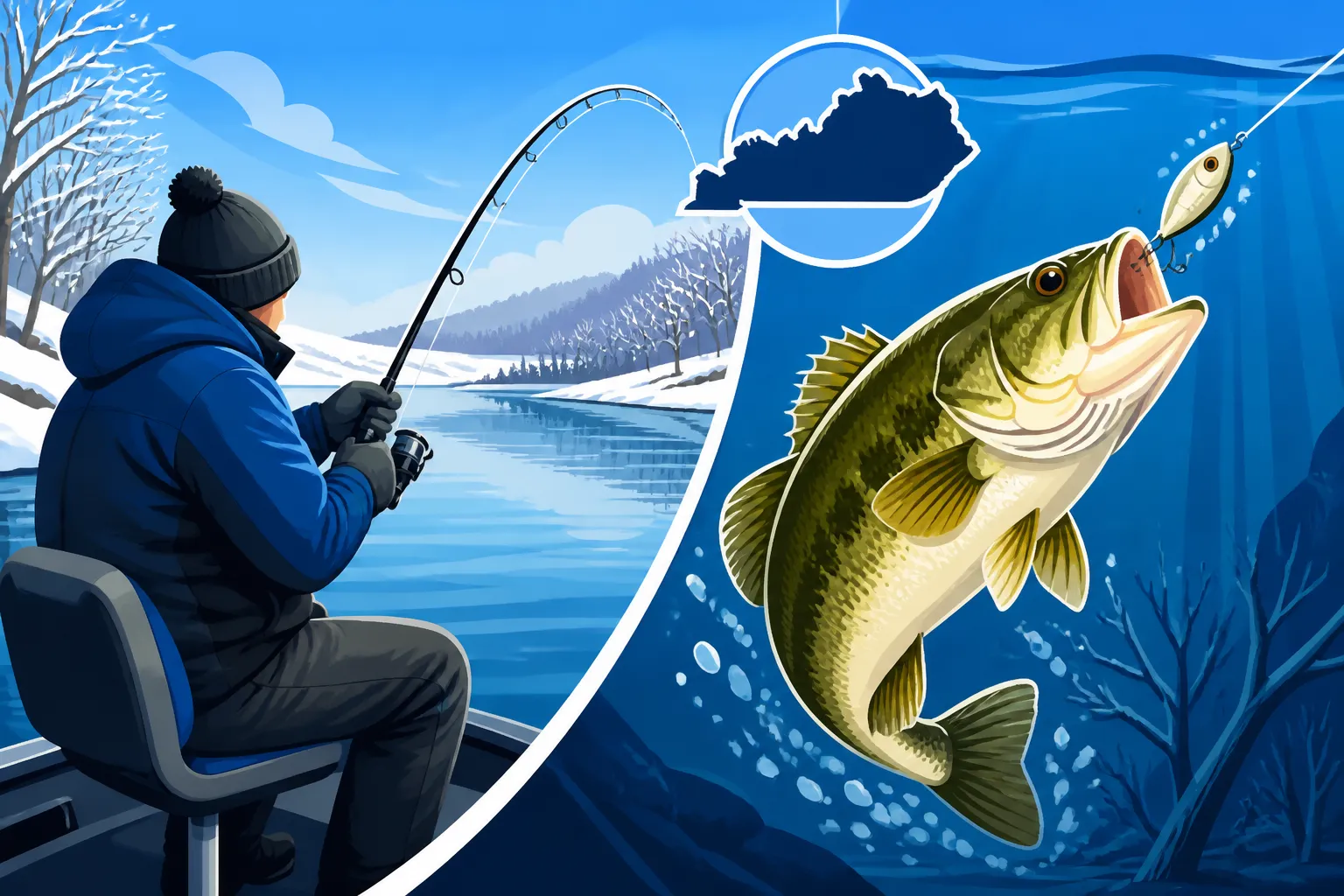
While the explosive topwater bites of summer and the frenzied shallow water spawn of spring are off the table, largemouth bass on Kentucky Lake still offer fantastic winter fishing, albeit with a different strategy. Like crappie, bass move to deeper, more stable water where temperatures are more consistent. They'll relate to channel swings, deep points, rock piles, and submerged timber.
Winter bass fishing is all about slow presentations. Think jigs, shaky heads, and slow-rolled crankbaits in subtle, natural colors. You're looking for that subtle "thump" or just added weight on your line rather than a violent strike. Bass will often suspend near baitfish schools, particularly shad, which also seek deeper, stable water during winter. Your electronics, including high-quality fish finders and GPS, are crucial for locating these deep-water schools and the structures they inhabit. Knowing where to look for them helps ensure a productive outing, so checking resources like Best Season for Largemouth Bass Fishing on Kentucky Lake can give you a head start on their general patterns, which can then be adjusted for the specific conditions of winter.
Catfish: Slow but Steady Bites
Catfish might not be the flashiest winter target, but they offer a surprisingly consistent bite on Kentucky Lake if you know where to look. While they won't be as active as during the summer, channel cats, blue cats, and even flatheads still feed. They'll move to deep holes in creek channels, river bends, and main lake basins where they can find stable water temperatures and ambush passing baitfish.
For winter catfishing, a more static approach is usually best. Bottom fishing with cut bait, chicken livers, or nightcrawlers is effective. Find those deep holes, anchor up, and present your bait directly on the bottom. Patience is absolutely key here. The bites will be much lighter and slower than in warmer months, often feeling like a gentle tug or just added weight. You'll need to use sensitive rods to detect these subtle takes. Exploring guides on Best Catfish Holes on Kentucky Lake can provide specific areas to focus on for winter activity. While Best Time of Year to Catch Catfish on the Ohio River is river-specific, the principles of deep-water catfishing in winter often translate well to the deeper parts of Kentucky Lake. For techniques, Bottom Fishing Techniques for Channel Catfish will be incredibly useful.
Here’s a quick overview of primary winter targets and their common depths:
| Fish Species | Common Winter Depth Range | Preferred Structure | Recommended Baits/Lures |
|---|---|---|---|
| Crappie | 15-30+ feet | Brush piles, submerged timber, creek channels | Small jigs, minnows, blade baits |
| Largemouth Bass | 10-25+ feet | Deep points, channel swings, rock piles, ledges | Jigs, shaky heads, slow-rolled crankbaits, spoons |
| Catfish | 20-50+ feet | Deep holes, river bends, main lake basins | Cut bait, chicken liver, nightcrawlers |
| Sauger | 20-40 feet | Below dams, main river channels, deeper humps | Vertical jigs, blade baits, minnows |
Note: Depths are approximate and can vary based on specific conditions and water levels.
Strategies and Techniques for Winter Success
Successfully catching fish on Kentucky Lake in winter isn't about brute force; it's about finesse, understanding, and adapting. The strategies you use in summer won't cut it, and trying to replicate them will likely lead to a frustrating, fishless day. Instead, you need to slow down, pay attention, and embrace the subtle art of cold-water angling.
Locating Fish in Cold Water
This is arguably the most critical aspect of winter fishing. Fish are not spread out randomly; they are concentrated. Your electronics, particularly a good fish finder with side imaging or down imaging, are your best friends. Start by looking for areas with stable water temperatures. Deep main lake channels, creek channels, and areas near dams often hold the most consistent temperatures. Look for baitfish schools; where the bait is, predators won't be far behind. Shad, in particular, will school up tightly in deeper water.
Focus on vertical structure. Submerged timber, brush piles, rock ledges, and deep points that drop off sharply into a channel are prime real estate. Fish will often suspend within or just above these structures. Don't be afraid to idle around for a while, carefully scanning with your electronics before you even drop a line. Many anglers make the mistake of fishing unproductive water because they rush into casting. Patience in scouting pays huge dividends. For more on maximizing your tech, consider reading up on Fish Finders and GPS for Kentucky Lake and Lake Barkley.
Best Baits and Lures for Winter
When the water is cold, fish's metabolism slows down, meaning they aren't as willing to chase baits aggressively. This calls for smaller, subtler presentations and often live bait.
- Jigs: For crappie, tiny 1/16 to 1/8 oz jigs tipped with small plastics (like tube jigs or soft plastic grubs) or live minnows are deadly. For bass, a football jig or a finesse jig, slowly dragged along the bottom, can be highly effective. Darker colors like black and blue or natural crawfish patterns often work well.
- Blade Baits: These vibrating baits can be great for both bass and sauger. Their erratic action, even with a slow retrieve or lift-and-drop presentation, can trigger reaction strikes from lethargic fish.
- Spoons: Vertical jigging spoons are excellent for targeting fish suspended in deep water. They mimic dying baitfish and can be worked right on top of a school you see on your fish finder.
- Live Bait: Minnows are unbeatable for crappie and can also entice bass. Nightcrawlers and shad chunks are fantastic for catfish. Live bait often provides the natural scent and action that finicky winter fish can't resist.
- Slow-Rolled Crankbaits: For bass, a deep-diving crankbait retrieved very slowly along a ledge or channel edge can work. Choose ones with subtle wobbles and natural colors.
- Hair Jigs and Underspins: These offer a very subtle profile and action, often irresistible to cold-water bass. Pair an underspin with a small swimbait trailer for added flash.
Remember, presentation is key. Work your baits slowly, methodically, and be prepared to detect very light bites. It's often not a dramatic strike but a subtle pressure or a slight change in line feel.
Adapting Your Approach to Winter Conditions
Beyond baits and locations, your overall approach needs to shift for winter success. Dressing in layers is essential for comfort and safety. Thermal base layers, waterproof outer shells, and good insulated gloves and hats are a must. A thermos of hot coffee or soup can make a world of difference.
Wind is another major factor. On a large lake like Kentucky Lake, strong winter winds can make boat control difficult and create choppy conditions that are not only uncomfortable but also make detecting subtle bites nearly impossible. Try to fish on days with lighter winds, or seek out protected coves and embayments. If fishing from a boat, consider investing in Best Boats for Fishing Kentucky Lake or a quality trolling motor with spot-lock to hold your position over deep structure.
The best time of day in winter is often the warmest part of the day, typically midday. The slight increase in water temperature can sometimes trigger a more active feeding window. Don't feel pressured to be on the water at dawn if it's freezing; a later start might actually improve your chances. Always check the weather forecast before heading out, paying close attention to wind speed and potential for freezing rain or snow. Safety on the water is paramount, especially when temperatures are low.
Key Areas and Access for Winter Angling
Kentucky Lake is enormous, stretching for miles and crossing into Tennessee. This vastness means a lot of water to cover, but also countless potential winter honey holes. Knowing where to focus your efforts and how to access the lake safely in colder months is vital for a productive and enjoyable trip.
Productive Spots on Kentucky Lake
While fish can be found throughout the lake, certain areas tend to hold more consistent winter patterns.
- Main Lake Channel and River Bends: The old Tennessee River channel that runs through Kentucky Lake is a highway for baitfish and predators alike. Look for the deepest bends, especially those with steep drops or ledges. Bass and crappie will often stack up along these edges.
- Creek Channels and Embayments: Larger creek arms and embayments, particularly those with deeper channels winding through them, can be excellent. These areas often have more sheltered water and can hold significant schools of baitfish, attracting crappie and bass. Areas like Big Sandy and Blood River are popular for their structure.
- Submerged Timber and Brush Piles: Many anglers have strategically sunk brush piles over the years, and these become magnets for crappie and often bass in winter. If you have good electronics, you can often spot these on your screen. Old standing timber, especially on deeper flats or channel edges, is another fantastic option.
- Dam Areas: While requiring extreme caution due to currents and regulations, the areas below Kentucky Dam can hold excellent concentrations of sauger, white bass, and stripers, especially when water is being generated. Always be aware of current regulations and safe distances from the dam.
- Roadbeds and Foundations: Before the lake was flooded, there were roads and homesteads. These old structures, now submerged, create subtle contours and cover that fish will relate to, particularly when adjacent to deeper water.
Remember to prioritize safety. Fishing solo in winter, while peaceful, means extra precautions are needed. Inform someone of your float plan, wear your life jacket, and ensure your boat is in top condition. Speaking of planning, if you're looking for local guides to help you navigate these winter waters, platforms like FishingBooker can connect you with experienced captains who know the lake's winter patterns intimately.
Navigating Winter Lake Conditions
Kentucky Lake's winter conditions can range from calm and crisp to brutally windy and choppy. Here are a few tips for navigating them:
- Launch Ramps: Many public Kentucky Lake Boat Ramps and Public Access Points remain open year-round. However, check local conditions, as ice can form near the ramps during prolonged cold snaps, making launching and retrieving difficult or even dangerous. Always use caution, especially if you're the first one out.
- Water Levels: Winter often brings lower water levels on Kentucky Lake as it's drawn down for flood control. This can expose certain hazards like stumps or rock piles that are usually submerged. Be extra vigilant when navigating, especially in unfamiliar areas. Your GPS is invaluable here.
- Boat Maintenance: Cold weather is tough on boat engines and batteries. Ensure your battery is fully charged, your fuel lines are clear, and your engine is in good working order. It's not the time to break down far from the ramp. Running a good marine fuel stabilizer is always a good idea, especially if your boat sits for extended periods. For those looking for suitable vessels, information on Best Boats for Fishing Kentucky Lake might offer helpful insights on boat types that handle these conditions well.
- Safety Gear: Beyond your life jacket, always carry emergency essentials: a fully charged cell phone (in a waterproof bag), a VHF radio, flares, a first-aid kit, and extra warm clothing. Hypothermia is a serious risk if you were to accidentally fall into the cold water. Consider bringing a second anchor if fishing a strong current area.
Winter fishing on Kentucky Lake is not just good; it can be exceptional for those willing to embrace the challenge. The rewards are often bigger fish, fewer crowds, and a profound sense of accomplishment. Don't let the cooler temperatures keep you off the water; with the right approach, you can experience some fantastic angling.
Disclaimer
Fishing conditions and regulations in Kentucky can change. Always consult the latest Kentucky Department of Fish and Wildlife Resources (KDFWR) regulations before heading out on the water. Be aware of weather conditions and practice safe boating at all times. This guide is for informational purposes only and does not guarantee fishing success.