Best Depth to Fish for Crappie in Spring
It's happened to all of us: you're out on a beautiful spring day in Kentucky, eager to catch some crappie, but no matter what you try, you just can't seem to find them. That feeling of frustration, wondering if they're shallow, deep, or somewhere in between, can really put a damper on your fishing trip. This guide is here to take the guesswork out of spring crappie fishing, diving deep into where those elusive slabs are hiding at different depths as Kentucky's waters warm up.
Understanding the Spring Crappie Migration in Kentucky
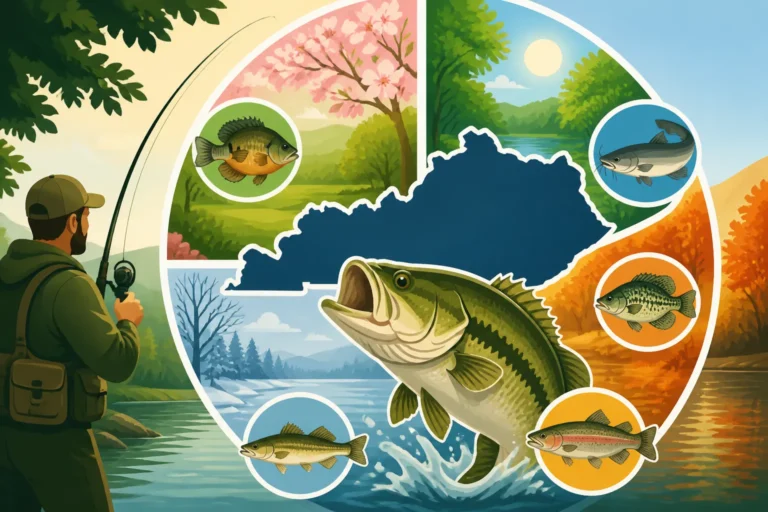
Spring is arguably the best time to target crappie in Kentucky, but it's also one of the most dynamic. The crappie aren't just sitting still; they're on a mission, following temperature cues and preparing for their annual spawn. Understanding this migration is the first step to knowing exactly where to drop your bait.
Early Spring: The Pre-Spawn Stage
When the first hints of warmth hit the water, typically when temperatures are in the upper 40s to low 50s Fahrenheit, crappie start to stir from their deep winter holes. They don't immediately rush to the shallow banks. Instead, they begin to stage in transition areas, often holding a bit deeper than you might expect for spring. Think about the main lake points, channel swings, and deeper creek channels that have quick access to shallower flats. These are the crappie's pit stops, where they'll feed heavily and "stage" before making their final push towards the spawning grounds.
During this early pre-spawn phase, you'll often find crappie concentrated around significant underwater structure like large brush piles, submerged timber, or even old roadbeds in 10 to 20 feet of water. They're looking for stable temperatures and readily available baitfish, which tend to congregate in these same areas. A great strategy is to use your electronics to locate these deeper structures, then methodically fish around them. This is when the fish are often grouped tightly, making it possible to catch several from one spot once you locate the school.
Don't overlook the importance of finding baitfish, too. If you see clouds of bait on your fish finder, crappie are likely close by, lurking just beneath or to the side, waiting for an easy meal. While the water is still chilly, their metabolism isn't in overdrive, so they might not chase a bait far. A slow, subtle presentation is often key to enticing a bite from these pre-spawn crappie.
Peak Spring: The Crappie Spawn
This is what most anglers eagerly anticipate: the crappie spawn! As water temperatures climb into the ideal range, typically between 60 and 70 degrees Fahrenheit, crappie move into the shallows to lay their eggs. This crucial period can transform a slow day into an epic one, as the fish become highly concentrated and aggressive. Knowing the exact timing is essential; you can learn more about this by checking out our guide on Kentucky Crappie Spawn Timing by Water Temperature.
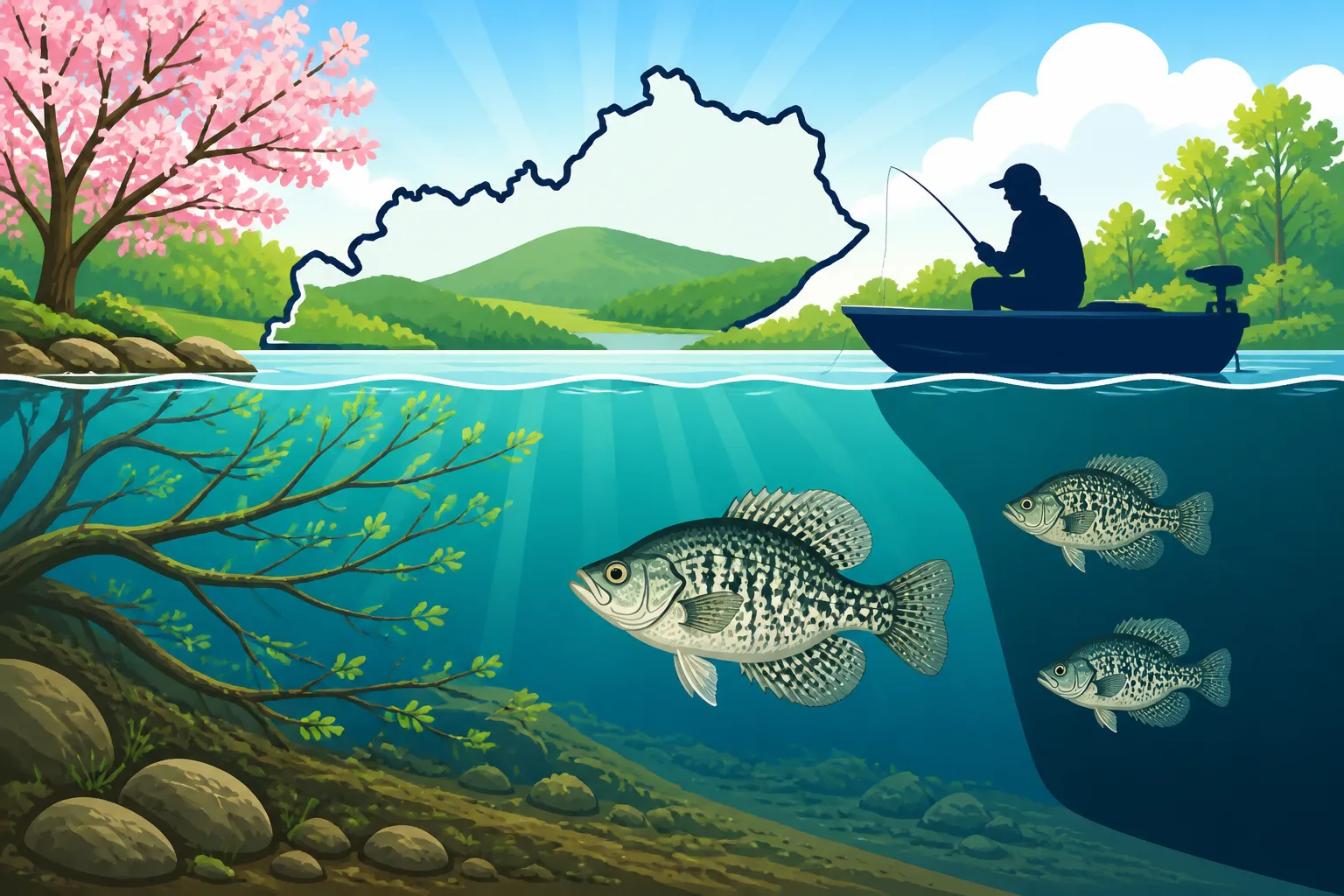
During the spawn, crappie can be found in surprisingly shallow water, often ranging from just 1 to 6 feet deep. The exact depth depends on a few factors, mainly water clarity and the type of cover available. In dingy or stained water, they might be right up against the bank in a foot or two of water. In clearer lakes, they might hold a little deeper, perhaps 4 to 6 feet, using available cover for concealment. Look for protected coves, shallow brush, lily pad fields, and around docks or fallen trees. These areas offer both protection from predators and ideal surfaces for egg deposition.
It's important to remember that not all crappie spawn at the exact same time. It's a staggered process, with some fish moving up earlier and others later, often spanning several weeks. This means that even during the "peak" spawn, you might still find some fish in deeper transition areas, especially larger females that haven't moved up yet or those that have already spawned and are retreating. Focusing your efforts on these shallow, protected areas during the prime temperature window, however, will give you the best chance at a limit.
Late Spring: Post-Spawn Movement
Once the spawning ritual is complete, crappie typically disperse from their shallow beds. This post-spawn phase can sometimes be a bit trickier to fish, as the fish are no longer as concentrated. Their primary focus shifts from reproduction back to feeding, and they often become a bit more lethargic as they recover from the energy drain of spawning. The water temperatures are usually consistently in the upper 60s to low 70s by this point.
During late spring, crappie will often move to slightly deeper water than where they spawned, typically congregating on the first available cover just off the spawning flats. This might mean submerged timber, deeper weed lines, or the edges of creek channels in 6 to 12 feet of water. They're looking for areas where they can ambush baitfish without expending too much energy, and where they can find a comfortable temperature band. Think of them staging again, but this time, they're preparing for their summer patterns.
You might find them suspending over deeper open water, especially if there's an abundance of baitfish, or relating tightly to brush piles on deeper ledges. This is a time when vertical presentations can still be very effective, as you're trying to target specific depths where they're holding. Keep an eye on your electronics for suspended schools of bait or crappie, as they can reveal the preferred depth on any given day.
Key Factors Influencing Crappie Depth in Spring
While the general migration patterns are helpful, crappie aren't robots. Their depth is constantly influenced by environmental factors that can change daily, or even hourly. Being able to read these cues will significantly improve your success.
Water Temperature is the Ultimate Decider
I can't stress this enough: crappie are cold-blooded creatures, and water temperature dictates almost everything they do. From their metabolism to their desire to spawn, it all revolves around temperature. As mentioned, the ideal spawning temperatures for crappie in Kentucky range from 60-70 degrees Fahrenheit. If the water is colder than this, they'll likely be deeper. If it's within this range, they'll be shallower. If it gets too warm, they might pull back slightly to find a more comfortable thermocline.
A sudden cold front after a period of warm weather can completely throw off their pattern. If the water temperature drops significantly, even if it was in the spawning range, crappie will often retreat to deeper, more stable water until the temperatures rebound. This can make fishing tough for a day or two. Understanding How Weather Fronts Affect Fishing Times is crucial for adapting your strategy. Conversely, a few consecutive days of warm, sunny weather can rapidly push fish into the shallow spawning areas. Paying attention to surface temperatures and forecasts is absolutely vital.
It's also worth noting that different parts of a lake will warm at different rates. Shallow, muddy coves with dark bottoms tend to warm up faster than deeper, clear main lake areas. This is why you often find crappie moving into these specific coves first, even if the main lake temperature isn't quite at the ideal spawning temperature yet.
Structure and Cover Attract Crappie
Crappie are masters of relating to structure and cover. They use it for protection from predators, as ambush points for feeding, and, critically, as a place to spawn. In spring, as they move from deep to shallow and back again, they're almost always associated with some kind of cover. This could be natural features like brush piles, standing timber, rock piles, or old stumps. It could also be man-made structures such as boat docks, bridge pilings, or even submerged cribs that anglers have placed.
The type and density of cover will influence the exact depth they choose. For instance, a dense brush pile in 15 feet of water might hold pre-spawn crappie on its deepest edges. That same brush pile might have spawning crappie right on top, in only 5 feet of water, during the peak spawn. After the spawn, they might simply drop down to the shady side of the same brush pile. It's not just about the structure itself, but also its proximity to different depths. A brush pile on a creek channel edge, offering both shallow and deep access, is a goldmine for spring crappie. Learning about Crappie Fishing Around Brush Piles can give you a significant edge.
When you're searching for crappie, don't just look for open water. Actively seek out these pieces of structure and cover, as they are magnets for crappie throughout the spring. Your fish finder will be your best friend in locating these underwater havens, especially in murky water where visual cues are scarce.
Water Clarity and Light Penetration
The clarity of the water also plays a significant role in determining how deep crappie will hold. Crappie generally have sensitive eyes and prefer low light conditions. This means that in very clear water, they will typically hold deeper to avoid bright sunlight, even if the water temperature is ideal for spawning. You might find them in 6-8 feet of water in a clear lake, whereas in a turbid lake, they'd be happily spawning in 1-3 feet.
Conversely, in stained or muddy water, light penetration is significantly reduced, allowing crappie to move much shallower. On a heavily overcast day, or during dawn and dusk, crappie will often move even shallower than their typical depths, regardless of water clarity, to feed more aggressively. The combination of water clarity and available light determines their comfort zone.
Knowing this, you can adjust your approach. If you're on a gin-clear lake like Herrington Lake, you might focus on deeper docks, shaded areas, or brush piles in slightly deeper water. If you're on a more turbid system like the upper reaches of Kentucky Lake, those shallow, muddy pockets could be absolutely full of fish. Even the color of your lure can be influenced by water clarity; brighter colors often work better in stained water, while more natural hues are preferred in clear conditions. Our guide on Best Crappie Jig Colors for Stained Water delves deeper into this.
Practical Tips for Finding the Right Depth
Now that you understand the "why" behind crappie depth, let's talk about the "how." Putting these principles into practice requires the right tools and a willingness to adapt.
The Importance of Electronics and Maps
In today's world, fishing without a good fish finder is like navigating without a map. Modern marine electronics are invaluable for locating crappie at the right depth, especially in Kentucky's larger reservoirs. Features like side imaging and down imaging allow you to "see" underwater structure and schools of fish that you'd otherwise miss. You can pinpoint those brush piles on channel edges, identify suspended crappie, and mark specific depths where you're getting bites. When browsing for the latest models, places like Amazon offer a wide range of options, from budget-friendly units to advanced systems with incredible detail.
Coupled with your fish finder, studying contour maps (both paper and digital) is a game-changer. These maps show you the underwater topography, revealing creek channels, old roadbeds, ledges, and humps – all prime crappie real estate. Before you even launch your boat, you can identify potential staging areas and spawning coves. Once on the water, you can cross-reference your map with your fish finder to confirm the presence of structure and fish at specific depths. Don't be afraid to invest in a high-quality unit; the investment pays for itself in fish caught. A good GPS functionality on your unit will also allow you to mark hot spots and return to them easily.
Vertical Jigging and Spider Rigging Techniques
Once you've identified potential depths and locations, it's time to present your bait effectively. Two highly effective techniques for targeting specific depths in spring are vertical jigging and spider rigging.
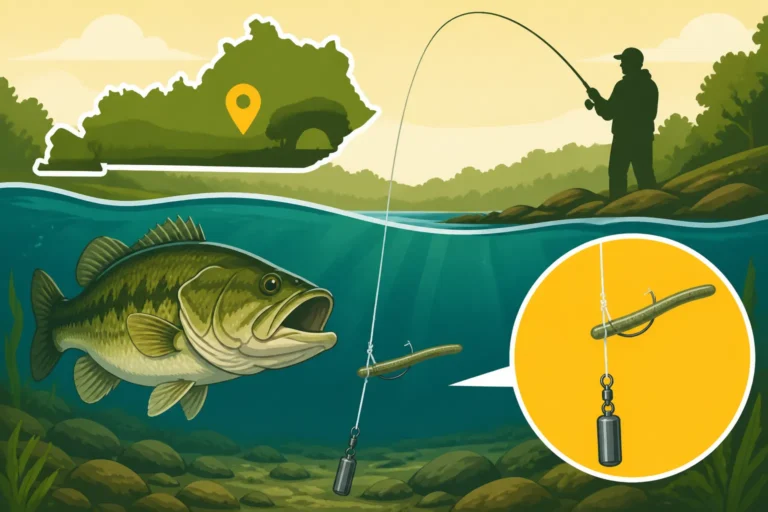
Vertical jigging involves positioning your boat directly over a piece of structure or a school of fish and dropping your bait straight down. This allows for precise depth control, letting you target fish that are holding just off the bottom or suspended at a particular depth. It's a fantastic technique for pinpointing the exact level where crappie are biting. Use small jigs, often tipped with a minnow or crappie nibbler, and work them slowly, paying close attention to any subtle taps or changes in line tension. A sensitive rod is key here to detect those light bites.
Spider rigging, on the other hand, allows you to cover a wider range of depths and areas simultaneously. This involves using multiple rods (often 4-8) extended out from the boat, each rigged with a different bait or set at a slightly different depth. By slowly trolling or drifting, you can present your baits across a broad path, increasing your chances of finding the crappie's preferred depth and pattern for the day. This is an especially effective technique for covering those transition areas during the pre-spawn and post-spawn periods, or even for finding scattered fish during the spawn. Our detailed guide on How to Spider Rig for Crappie offers a step-by-step breakdown. Remember, when purchasing the specialized rod holders for spider rigging, a reliable retailer like Amazon can be a convenient option.
Experimentation and Observation are Key
No matter how much research you do or how good your electronics are, there's no substitute for on-the-water experimentation and keen observation. Crappie patterns can change daily, sometimes even hourly, due to weather, pressure, and baitfish movement. Start by trying a range of depths in areas that look promising. If you're targeting a shallow cove, start close to the bank and gradually move deeper until you find fish. If you're on a main lake point, start in 10 feet and work your way out to 20 or 25.
Pay close attention to every detail when you get a bite. What depth were you fishing? What type of cover was nearby? What was the water temperature? Was it sunny or cloudy? Replicate what works. If you catch a crappie at 8 feet near a submerged cedar tree, try to find other similar spots at that same depth and structure. Also, watch for visual cues: diving birds, jumping baitfish, or even other anglers catching fish can all provide valuable clues to crappie location and depth. You might even discover that on some lakes, like those discussed in Kentucky's Lake Barkley Crappie Fishing Guide, patterns can be slightly different from other bodies of water. Don't be afraid to change baits, jig colors, or even your presentation style until you crack the code.
Here's a quick summary table to help you visualize typical spring crappie depths in Kentucky:
| Spring Stage | Water Temperature Range (Fahrenheit) | Typical Depth Range (Feet) | Preferred Cover/Structure | Key Characteristics |
|---|---|---|---|---|
| Early Spring (Pre-Spawn) | 45-55° | 10-25 feet | Deep creek channels, main lake points, brush piles, ledges, old roadbeds | Crappie staging, feeding heavily, often tightly grouped |
| Peak Spring (Spawn) | 60-70° | 1-8 feet (varies with clarity) | Protected coves, shallow brush, lily pads, docks, fallen trees | Crappie on beds, aggressive, highly concentrated |
| Late Spring (Post-Spawn) | 65-75° | 6-15 feet | First available cover off spawning flats, deeper weed lines, submerged timber, creek channel edges | Crappie recovering, dispersing, still feeding |
Ultimately, successful spring crappie fishing in Kentucky boils down to blending knowledge with adaptability. Understanding the crappie's seasonal movements, recognizing the environmental factors that influence them, and utilizing your gear effectively will empower you to find those fish at the perfect depth. Whether you're targeting shallow spawning fish or deeper staging fish, a little strategic thinking and a good crappie jig from Amazon will set you up for a great day on the water. Don't forget that even during the free fishing weekend, understanding these patterns will still be key for a successful trip! You can check out when that happens by learning more about Kentucky Free Fishing Weekend Guide.
Disclaimer
The information provided in this guide is for general informational purposes only and is intended to be used as a resource for recreational fishing. Fishing conditions and regulations can change rapidly. Always consult the official Kentucky Department of Fish and Wildlife Resources (KDFWR) regulations and local advisories before engaging in any fishing activities. Personal safety should always be your top priority while on the water.