Topwater Lures for Early Morning Bass Fishing
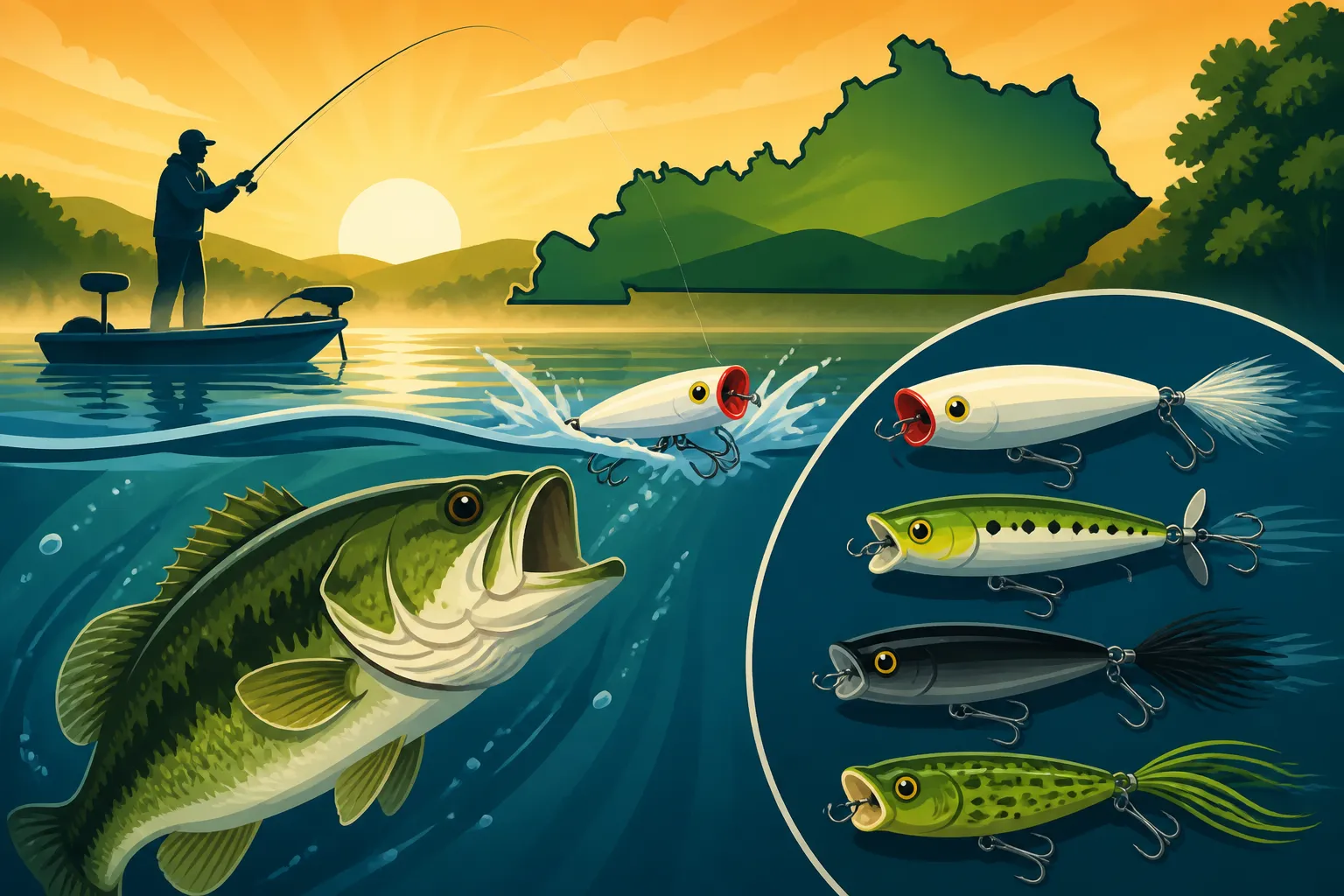
There's nothing quite like the heart-stopping explosion of a largemouth bass blowing up on a topwater lure, especially when the sun is just kissing the horizon. But sometimes it feels like you're missing that magic window, casting endlessly without a strike. The frustration is real when you know those big bass are lurking just beneath the surface, but they just won't commit. This guide is all about unlocking the secrets to successful topwater fishing during those crucial early morning hours in Kentucky, ensuring you make the most of that golden time and experience those unforgettable strikes.
Why Early Morning is the Golden Hour for Topwater Bass Fishing
That calm, quiet period just as dawn breaks isn't just beautiful; it's a strategic advantage for anglers targeting bass with topwater lures. The world is just waking up, and so are the fish. Understanding why this time is so effective can drastically improve your success rate and help you anticipate the best bites.
The Advantage of Low Light Conditions
Think about it from a bass's perspective. They are ambush predators, often relying on their superior eyesight in low-light conditions to surprise prey. As the sun begins to creep above the treeline, but before it truly blazes down, the water's surface offers a natural camouflage. Shadows are long, and the dim light makes it harder for baitfish or your lure to be perfectly silhouetted from below. This gives the bass a distinct advantage, making them more confident to strike upwards at a surface disturbance.
During these hours, bass are far less wary of moving into shallower waters or open areas to feed aggressively. Once the sun gets high and bright, they'll often retreat to deeper, shadier cover. But in the early morning, they're on the hunt, often patrolling flats, weed lines, or the edges of structure where they can easily corral baitfish. Your topwater lure, splashing and walking across the surface, mimics a struggling or unaware prey item, making it an irresistible target. This is particularly true on clear water lakes where bass might be skittish during brighter periods.
Cooler Water Temperatures and Increased Bass Activity
Another major factor at play during the early morning is water temperature. After a long night, the water temperature is typically at its coolest point of the day. As the sun rises, it will gradually begin to warm, but for that initial hour or two, the cooler water invigorates bass. Their metabolism is often higher, and they're more inclined to be actively feeding. Imagine yourself on a hot summer day; you’re probably more active in the cooler morning hours before the midday heat saps your energy. Fish are much the same.
This burst of energy translates directly into more aggressive strikes. Bass aren't just bumping or "swatting" at your lure; they're often trying to absolutely annihilate it. This is when you get those spectacular, explosive blow-ups that make topwater fishing so addictive. As the day progresses and the water warms, especially in summer, bass might become more lethargic, retreating to deeper, cooler thermal refuges, making a topwater presentation far less effective. This early window is crucial, especially when you're fishing during warmer months, which is often considered the Best Time of Day to Catch Bass.
Choosing the Right Topwater Lures for Kentucky Bass
Kentucky offers a fantastic variety of fishing environments, from the vast expanses of Kentucky Lake and Lake Barkley to smaller, more intimate rivers and ponds. To consistently fool bass with topwater presentations, you need to match your lure to the conditions and the mood of the fish. There's a lot more to it than just grabbing the first "popper" you see.
Poppers and Chuggers: Calling Them Up
Poppers and chuggers are the classic topwater lures, instantly recognizable by their concave or cupped faces designed to push water. When retrieved correctly, they create a distinct "pop" or "chug" sound, along with a splash, which mimics a struggling baitfish or frog on the surface. These lures are fantastic for drawing strikes when bass are actively feeding and need a bit of noise to get their attention.
Think about fishing around thick cover like lily pads, submerged timber, or weed edges. A popper like a Rebel Pop-R or a Heddon Zara Popper can be cast right into these zones. After it lands, let the ripples dissipate, then give it a sharp twitch to create that signature "pop." Pause, twitch, pause. Sometimes a rapid series of pops works, other times, a longer pause is key. Experiment! The sound carries well through the water, attracting bass from surprising distances. These are often great choices for early morning conditions where the water is still, and the bass are cruising the shallows for an easy meal. Many anglers stock up on a variety of sizes and colors, which are readily available on Amazon.
Walking Baits: The Subtle Dance
Walking baits, often called "walk-the-dog" lures, are designed to glide from side to side across the surface when retrieved with a specific cadence. Lures like the Heddon Zara Spook or the Strike King KVD Sexy Dawg are perfect examples. This back-and-forth motion is incredibly lifelike, mimicking a wounded baitfish or a snake swimming on the surface. It's a more subtle presentation than a popper, but can be absolutely deadly when bass are a bit more skittish or when you're fishing clearer water.
Mastering the walk-the-dog retrieve takes practice, but it's worth it. Hold your rod tip down towards the water and use short, rhythmic twitches of your wrist, reeling in the slack as the lure glides. Don't pull the lure; twitch and reel. The key is to find a rhythm that makes the lure "dance." This retrieve covers a lot of water and allows you to present a tantalizing target that fish often follow before committing. On expansive areas of Kentucky Lake: The State's Top Bass Fishing Destination, walking baits are incredibly effective, especially over submerged grass or sparse cover.
Prop Baits and Buzzbaits: The Commotion Creators
When you need to create a serious commotion on the surface, prop baits and buzzbaits are your go-to. Prop baits, like a Devil's Horse or a Torpedo, have small propellers on the front and/or back that churn water and create a gurgling sound as you retrieve them. They can be twitched like poppers for short, splashy bursts, or retrieved steadily for a continuous gurgle. These are excellent for active fish, especially around scattered cover or open water where bass are chasing bait.
Buzzbaits, on the other hand, feature a large, angled propeller blade that spins and displaces a significant amount of water as soon as you start your retrieve. The distinctive "squeak" and "gurgle" of a buzzbait is incredibly alluring to aggressive bass. Cast them out and start reeling immediately to keep the blade on the surface. These are fantastic for covering large areas quickly and triggering reaction strikes from bass hiding in thicker cover, like along the edges of fallen trees or brush piles in places like Lake Barkley Fishing Guide for Kentucky Anglers. They are less subtle, but when bass are in a feeding frenzy, a buzzbait can be unstoppable.
Topwater Frogs and Rats: For the Heaviest Cover
For those times when bass are tucked deep into the thickest slop, lily pads, or matted vegetation, a hollow-bodied frog or rat imitation is unbeatable. Lures like the SPRO Bronzeye Frog or the Livetarget Frog are designed to be fished directly over and through the nastiest cover where other topwater baits would instantly snag. Their weedless design means you can literally drag them across lily pads and drop them into small pockets of open water.
The appeal of these lures is their ability to tempt bass out of cover that would otherwise be unfishable. Twitch them, walk them, or simply pull them slowly across the surface, letting them sit in open pockets for extended periods. The strikes are often explosive and visual, making for some of the most exciting fishing imaginable. Just be sure to use a heavy action rod and braided line to effectively pull bass out of the thick stuff. You can often find great deals on a variety of these weedless topwater options on Amazon, which is crucial when you know you might lose a few in the fight.
Mastering Topwater Retrieval Techniques for Maximum Strikes
Having the right lure is only half the battle; knowing how to bring it to life on the water is what truly makes the difference. Each topwater lure has its own personality, and understanding how to coax the best action out of it will lead to more strikes and more fish in the boat.
The Art of the Pause and Twitch
This is perhaps the most critical technique for nearly all topwater lures, especially poppers and walking baits. It’s all about creating an illusion of vulnerability. When your lure first hits the water, let it sit for a few seconds. The ripples dissipate, and any bass in the vicinity have a moment to notice the "landing." Then, give your rod tip a sharp, short twitch, just enough to make the lure pop, chug, or walk a short distance. Immediately let it sit again.
The pause is often where the magic happens. Many, many topwater strikes occur when the lure is completely motionless after a twitch. The bass sees a struggling, easy meal, and that pause gives them the perfect window to strike. Vary your pauses—sometimes a 1-second pause is enough, other times a 5-second or even longer pause is what triggers the bite. Pay attention to how the fish are reacting. If they're just swatting or boiling behind the lure without committing, try longer pauses. If they're aggressive, speed up your cadence slightly. This technique is especially important for bass that are a bit sluggish or pressured.
Consistent Retrieve for Reaction Bites
While the pause-and-twitch excels at drawing in curious bass, a steady, consistent retrieve can be deadly for triggering reaction strikes, particularly with buzzbaits and some prop baits. For a buzzbait, as soon as it splashes down, start reeling. The goal is to keep that blade churning and the lure on the surface, creating a continuous gurgle and commotion. This doesn't give the fish time to think; they see an escaping meal and strike out of instinct.
Similarly, some prop baits can be effective with a steady, slow retrieve that keeps the propellers spinning and creating a subtle bubbly trail. This is particularly useful when bass are actively chasing schools of baitfish in open water. On some of Kentucky's larger reservoirs, you might find that during periods of active feeding, a constant, slightly faster retrieve with a walking bait or prop bait can elicit furious strikes from aggressive fish that are competing for food. It's a great way to cover water and find those active bass. When looking for lures with consistent action, check out reputable brands available on Amazon.
Finding the Right Spots and Conditions for Early Morning Topwater Success
Knowing where to cast and understanding the environmental factors that influence bass behavior are just as important as your lure choice and retrieve. Kentucky’s diverse waters offer myriad opportunities, but pinpointing the prime early morning spots is key.
Target Areas with Cover and Access to Deeper Water
Bass, especially largemouth, are ambush predators that love cover. In the early morning, they’ll often move into shallower areas to feed, but they still want quick access to deeper water for safety or to retreat when the sun gets high. Look for points, creek channel swings, or transition areas where shallow flats meet a sudden drop-off. Brush piles, submerged timber, rock piles, docks, and weed lines are all prime targets.
On lakes like Lake Cumberland, where steep banks are common, focus on pockets or coves with shallower water and any form of structure. Along the Ohio River, target eddy currents near wing dams or fallen trees where baitfish might congregate. Even small farm ponds often have specific areas with cattails, lily pads, or fallen logs that act as bass magnets. Remember, bass are often looking for the path of least resistance to feed, so any cover that breaks up the current or provides shade and ambush points is a good bet. Learning How to Read Water for Fish Location can give you a significant edge here.
Understanding Water Clarity and Weather Impact
Water clarity plays a huge role in topwater effectiveness. In very clear water, bass can be incredibly spooky. While early morning low light helps, you might need more subtle presentations, like a small walking bait or a quiet popper, with longer pauses. In stained or slightly murky water, however, the noise and disturbance of a chugger or buzzbait can be highly effective, as the fish rely more on sound and vibration to locate their prey.
Weather conditions also matter. A calm, overcast morning with a light breeze is often ideal for topwater. The clouds keep the light low for longer, and the slight chop on the water surface breaks up the visibility, making your lure appear more natural. Avoid extremely windy days for most topwater presentations, as it makes controlling the lure difficult and masks its action. After a cold front, bass might be less aggressive, so slower, more deliberate retrieves with longer pauses could be more effective. If you're wondering When Does Kentucky Bass Fishing Peak, typically it's when these conditions align, especially in spring and fall.
| Lure Type | Best Conditions | Key Action/Sound | Retrieve Style |
|---|---|---|---|
| Poppers/Chuggers | Calm to light chop, stained water, around cover | "Pop," "Chug," Splash | Pause & twitch, varying cadence |
| Walking Baits | Calm to light chop, clear to stained water, open areas | Glide, side-to-side walk | Consistent twitching, "walk-the-dog" |
| Prop Baits | Light chop, active fish, scattered cover | Gurgle, splash, bubbles | Steady reel, short twitches, or combination |
| Buzzbaits | Low light, stained water, covering water quickly | Squeak, gurgle, commotion | Fast, steady retrieve, keep on surface |
| Hollow-Body Frogs | Thick matted vegetation, lily pads, heavy cover | Walk, twitch, subtle pops | Slow pulls, long pauses, weedless presentation |
Gear Considerations for Early Morning Topwater Fishing
Having the right rod, reel, and line can significantly impact your success and enjoyment when throwing topwater baits. It's not just about getting the lure out there; it's about making it dance correctly and having the power to land a big fish when it strikes.
Rod and Reel Setup for Topwater Lures
For most topwater applications, you'll want a medium-heavy to heavy action casting rod, typically between 6'6" and 7'6" in length. The medium-heavy power provides enough backbone to cast larger lures and to drive the hooks home on a powerful topwater strike, while still having enough tip flexibility to impart the correct action to your lure. A moderate-fast to fast action tip is ideal for this, allowing you to manipulate walking baits and poppers effectively. Choosing the Best Rod Action and Power for Bass Fishing can really refine your topwater presentation.
Pair this with a baitcasting reel with a gear ratio in the 6.X:1 to 7.X:1 range. This allows you to quickly pick up slack line after a twitch or to keep up with a fast-running bass. A good quality reel with smooth drag is essential, as topwater strikes are often violent and require precise control. Brands like Shimano, Daiwa, and Lew's offer excellent options for various budgets.
Line Choices and Knot Tying
Line choice is critical for topwater. Monofilament (mono) line is a favorite for many topwater anglers due to its buoyancy. It floats, which helps your topwater lure stay on the surface and allows for easier manipulation, especially with walking baits. A 12-17 lb test mono is a good all-around choice. The stretch in mono can also act as a shock absorber during aggressive strikes, preventing hooks from tearing out.
Braided line is another excellent option, especially when fishing around heavy cover like lily pads or submerged trees. Its incredible strength and lack of stretch give you maximum control and power to pull big bass out of thick vegetation. However, braid sinks, so it can sometimes pull down the nose of smaller topwater lures. To counteract this, some anglers use a monofilament or fluorocarbon leader, but this defeats the purpose of floating. If using braid, a 30-50 lb test is common. For clear water, a clear-colored mono or a green braid that blends into vegetation can be beneficial. Always make sure your knots are secure, as those topwater strikes can put a lot of pressure on them!
Maximizing Your Chances: Tips and Tricks for Early Morning Success
Beyond the gear and techniques, there are a few extra tips that can turn a good morning into a great one. These are the small details that seasoned anglers often overlook but can make all the difference.
Be Stealthy and Approach with Care
Bass in shallow water, especially in calm, clear conditions, are incredibly sensitive to vibrations and shadows. When you're approaching your chosen early morning spots, try to be as quiet as possible. Avoid banging tackle boxes, stomping in the boat, or making excessive noise. If you're bank fishing, walk softly and stay low. Cast ahead of your position to avoid spooking fish directly beneath you.
Consider the sun's position. If the sun is already up, keep it to your back so your shadow doesn't fall over the water you're fishing. Using a trolling motor on low speed or even drifting silently with the current can make a huge difference. A stealthy approach increases your chances of surprising those aggressive, shallow-water bass before they even know you're there.
Observe and Adapt to Bass Behavior
One of the most valuable skills in topwater fishing is observation. Pay attention to what the fish are telling you. Are they actively chasing bait on the surface? Are there subtle swirls or "boils" indicating their presence? Are they only hitting when the lure is paused for a long time, or are they preferring a faster, more erratic retrieve? The bass will often dictate what they want.
Don't be afraid to experiment with different lure types, colors, and retrieval speeds until you find what triggers a strike. If poppers aren't working, switch to a walking bait. If a fast retrieve isn't producing, slow it down and add longer pauses. Sometimes the fish are focused on a specific type of baitfish, so matching the size and profile of your topwater lure to the local forage can be a game-changer. Also, keep an eye out for schooling bass, which can offer incredible topwater action, often found in open water or along main lake points during the early hours. Sometimes, the only thing that works is changing tactics completely, so having a diverse tackle box, which you can easily fill via Amazon, is key.
Don't Forget the Follow-Up
It's common for bass to "miss" a topwater lure, or for them to swat at it without getting hooked. This can be frustrating, but it's important not to give up on that fish! Often, that same bass (or another one in the school) is still interested. Have a follow-up bait ready. A weightless soft plastic lure, like a senko or a fluke, rigged weedless, is perfect for this.
As soon as you see a miss, cast that follow-up bait to the exact spot where the strike occurred. Let it slowly sink. Many times, the bass will grab it on the fall, especially if they were just agitated by the topwater commotion. Having a second rod rigged with a follow-up bait can drastically increase your catch rate on those mornings when the bass are being finicky but still active. This strategy can turn a missed opportunity into a successful catch, proving that persistence pays off in the world of Kentucky bass fishing.
Disclaimer
Fishing regulations, license requirements, and local conditions can change. Always consult the most current Kentucky Department of Fish and Wildlife Resources (KDFWR) guidelines before heading out on the water. This article is for informational purposes only and does not constitute official advice. Stay safe and fish responsibly.