Is Flathead Catfish Good to Eat?
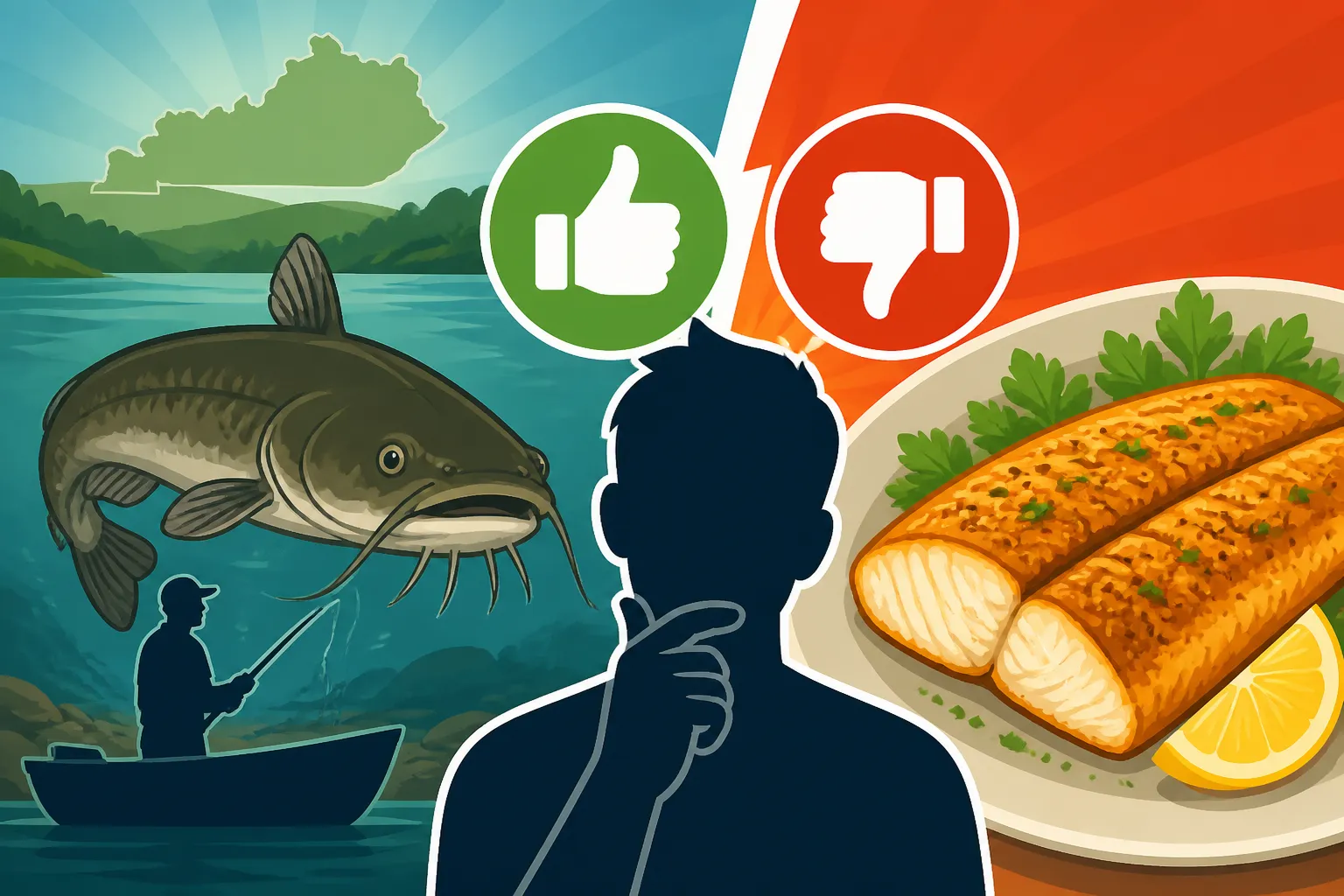
Ah, the flathead catfish! There's a question many anglers ponder, especially when they finally wrestle one of these magnificent beasts into the boat. You've spent the time, battled the current, and now you're wondering if all that effort translates into a delicious meal. Let me tell you, you're in for a treat, but there are a few things that can truly make or break that experience. This guide will walk you through why flathead catfish is highly sought after for the dinner table, what factors lead to the best-tasting fish, how to properly prepare your catch, and some fantastic ways to cook it up, ensuring your next flathead feast is nothing short of spectacular.
Why Flathead Catfish is a Top Table Fare
When it comes to freshwater fish, flathead catfish often get a bad rap alongside their channel and blue catfish cousins, sometimes unfairly lumped together in terms of taste. But let me tell you, for those who truly know, the flathead holds a special place. Its meat is distinctively different – firmer, flakier, and notably milder than other catfish species. It doesn't carry that "muddy" or "fishy" taste that some people associate with bottom-dwellers, and there's a good reason for that: their diet.
Unlike opportunistic scavengers, flatheads are primarily ambush predators, feeding almost exclusively on live fish. This predatory diet directly contributes to the clean, delicate flavor of their flesh. They are constantly hunting, consuming fresh prey, which means their internal systems are processing clean protein, not the detritus and decaying matter that can sometimes influence the flavor of other bottom-feeding fish. This makes them a prime target for anglers who prioritize table quality as much as the fight. If you're looking for a fish that will please even those who are usually hesitant about catfish, a well-prepared flathead is an excellent choice.
Many Kentucky anglers swear by flatheads, often preferring them over other species specifically for their eating quality. The firm texture also holds up incredibly well to various cooking methods, from frying to grilling, without falling apart. It's a versatile fish that can take on different seasonings and marinades, making it a favorite for family dinners and fish fries alike. You might be surprised at how many people, once they taste a properly cooked flathead, become lifelong fans.
What Influences a Flathead's Flavor Profile
Even within the esteemed flathead family, not all fish are created equal when it comes to taste. Several factors play a significant role in determining how clean and delicious your catch will be. Understanding these can help you target the best-eating fish and maximize your culinary success.
Water Quality and Habitat
Perhaps the most crucial factor influencing any fish's taste is the water it lives in. Flathead catfish thrive in clear, flowing rivers and large reservoirs with good oxygen levels. Fish caught from pristine sections of the Ohio River, or from clear-water impoundments like Lake Barkley, tend to have a cleaner, more neutral flavor. Conversely, flatheads taken from stagnant, muddy, or polluted waters might carry some off-flavors. While flatheads are adaptable, their diet of live fish means they are consuming what lives in that water, so cleaner water generally equals cleaner-tasting fish. This is why many anglers have favorite stretches of river or specific lakes where they know the fish just taste better.
The type of bottom structure they inhabit can also play a role. Flatheads often prefer areas with submerged timber, rock piles, or current breaks. These healthier, more diverse habitats typically support a broader range of prey fish and better water circulation, contributing to a better-tasting flathead. If you're fishing a new spot, paying attention to the water clarity and overall health of the ecosystem can give you a clue about the potential table quality.
Size of the Fish
There's a common adage among anglers that "smaller fish taste better," and this often holds true for flatheads, though there's a sweet spot. A flathead in the 3 to 10-pound range is generally considered ideal for the dinner table. These fish are typically younger, have more tender flesh, and haven't accumulated as many potential environmental compounds or strong flavors that can sometimes be found in much larger, older specimens.
While a trophy flathead weighing 30, 40, or even 50+ pounds is an incredible catch and provides a lot of meat, some anglers report that the very largest fish can have a tougher texture and a stronger, more pronounced "catfishy" flavor. This isn't always the case, and many still enjoy the meat from giants, but for optimal tenderness and mildness, aiming for those medium-sized flatheads is usually the way to go. Plus, smaller fish are often easier to handle and fillet efficiently.
Diet and Season
As mentioned, the flathead's predatory diet is a huge plus. If you catch a flathead whose stomach is full of fresh shad, bluegill, or other baitfish, you can almost guarantee it will have an excellent, clean flavor. Their preference for live bait means they aren't grubbing around in the muck as much as some other catfish species.
The season can also play a minor role. Fish caught during colder months, when their metabolism is slower and they are less active, sometimes have firmer flesh and a slightly cleaner taste compared to fish caught in very warm water. However, a healthy flathead from good water will be delicious any time of year. Knowing your Kentucky Fishing Seasons: What to Catch Each Month can help you plan your trips when certain fish, like flatheads, might be in peak condition.
Here's a quick comparison of the taste profiles of common Kentucky catfish species:
| Species | Flavor Profile | Texture | Common Size for Best Taste | Notes |
|---|---|---|---|---|
| Flathead | Mild, clean, subtle | Firm, flaky | 3-10 lbs | Predatory diet, less "fishy" |
| Channel Catfish | Moderate, earthy | Medium firm | 1-5 lbs | Versatile diet, can vary by water source |
| Blue Catfish | Mild to moderate | Firm, dense | 5-20 lbs | Omnivorous, can get very large |
Getting Your Flathead Ready for the Kitchen
Okay, you've landed a beautiful, prime-eating flathead. The work isn't over yet! Proper handling and cleaning are paramount to ensuring that delicious flavor makes it to your plate. Neglecting these steps can undo all the good work of catching a great-tasting fish.
Immediate Care After the Catch
The moment that flathead hits the deck, the clock starts ticking on its freshness. The absolute best thing you can do for taste is to dispatch the fish quickly and get it on ice immediately. Bleeding the fish by cutting a gill arch can also significantly improve the meat quality by removing blood that can impart a stronger flavor. This is particularly important for larger fish. A large cooler filled with ice is your best friend. Don't just throw the fish in an empty cooler; surround it with ice to chill it down rapidly. The colder the fish, the slower the degradation process, which means fresher, tastier meat. If you're on a multi-day trip, a sturdy cooler from a brand like Amazon that holds ice well is an indispensable piece of gear.
You might even consider carrying a measuring tape to ensure you're within the Kentucky Statewide Bag and Size Limit Rules for any species you catch, including catfish, before you even think about keeping it. Always be aware of local regulations, as they can sometimes have specific rules for certain bodies of water.
Cleaning and Filleting a Flathead
Cleaning a flathead can be a bit more challenging than cleaning a channel cat due to their tough skin and often larger size. However, with the right tools and technique, it's a straightforward process.
- Skinning: Flatheads have incredibly tough, leathery skin. Many anglers use a pair of pliers or a dedicated fish skinner to get a good grip once they've made an initial cut behind the head. Start by making a cut all the way around the head, behind the gills, but don't cut through the backbone. Then, use your pliers to grab the skin and peel it off towards the tail. It takes some muscle, but it comes off surprisingly cleanly once you get started.
- Filleting: Once skinned, you can proceed to fillet. Make a cut down the back just behind the head, along the top of the backbone, and work your way down towards the tail, separating the fillet from the rib cage. You'll want a sharp, flexible filleting knife for this, and don't be afraid to sharpen it frequently. A dull knife makes for ragged fillets and wasted meat.
- Removing the "Mud Vein": Some flatheads, especially larger ones, can have a dark "blood line" or "mud vein" running down the center of the fillet. While not harmful, this can contribute to a stronger flavor. It's good practice to trim this out with a sharp knife. Just make a V-cut along both sides of the dark line and remove it. This simple step can dramatically improve the mildness of the final product.
Proper cleaning techniques ensure you get the maximum amount of clean, delicious meat from your catch. Learning How to Fish for Catfish From the Bank or from a boat means you'll eventually need to master these preparation steps.
Popular Ways to Cook Your Flathead Catfish
Now for the fun part – cooking! The firm, mild flesh of the flathead catfish lends itself beautifully to a variety of cooking methods. Whether you prefer a crispy crunch or a more delicate preparation, flathead can deliver.
Classic Fried Flathead Catfish
You can't talk about catfish without talking about frying. It's a classic for a reason, and flathead excels in a fryer. The firm texture means it won't turn to mush, and its mild flavor allows the breading and seasoning to shine.
- Preparation: Cut your fillets into manageable portions, maybe 1-inch wide strips or 2-3 inch nuggets. Pat them dry thoroughly with paper towels – this is key for crispy breading.
- Breading: There are endless breading options, but a simple cornmeal-based mix is always a winner. You can use a pre-made fish fry mix, or create your own with cornmeal, flour, salt, pepper, garlic powder, onion powder, and a pinch of cayenne for a kick. Dip the fish in an egg wash or buttermilk first, then dredge generously in your breading.
- Frying: Heat vegetable oil, peanut oil, or canola oil to 350-375°F (175-190°C) in a deep fryer or heavy-bottomed pot. Fry the fish in batches, ensuring you don't overcrowd the pot, which lowers the oil temperature and leads to soggy fish. Cook for 3-5 minutes, or until golden brown and flaky. Remove and drain on a wire rack over paper towels.
Serve with hushpuppies, coleslaw, and a squeeze of fresh lemon, and you'll understand why this is a Kentucky staple. You can find all sorts of specialized fish fry mixes and cooking oils ready for delivery on Amazon if you need to stock up before your big cookout.
Grilling and Broiling Flathead
For a healthier option or when you want the natural flavor of the fish to truly stand out, grilling or broiling flathead fillets is fantastic. The firm meat won't flake apart on the grates as easily as some other fish.
- Preparation: Thicker fillets work best for grilling. Marinate the fish for 30 minutes to an hour in a simple mixture of olive oil, lemon juice, minced garlic, fresh herbs (dill or parsley are great), salt, and pepper.
- Grilling: Preheat your grill to medium-high heat. Make sure your grates are clean and well-oiled to prevent sticking. Place the fillets directly on the grates and cook for about 4-6 minutes per side, depending on thickness, until opaque and easily flaking with a fork. Avoid overcooking, which can dry out the fish.
- Broiling: If you don't have a grill, broiling is a great alternative. Place the marinated fillets on a lightly oiled baking sheet. Broil 6 inches from the heat source for 8-12 minutes, flipping once halfway through, until cooked through and lightly browned.
Grilling really brings out the subtle sweetness of the flathead. Paired with some grilled vegetables, it makes for a light yet satisfying meal.
Baking Flathead for a Simple Meal
Baking is another effortless way to prepare flathead, especially if you're cooking for a crowd or prefer a hands-off approach. It keeps the fish moist and tender.
- Preparation: Arrange your fillets in a single layer on a baking dish. You can season them simply with salt, pepper, and paprika, or get creative with a crumb topping.
- Flavor Boosts: Try a squeeze of lemon juice, a pat of butter, and a sprinkle of chopped fresh herbs like parsley or chives. For a crispy topping, mix breadcrumbs with melted butter and some Parmesan cheese, then sprinkle over the fish before baking.
- Baking: Preheat your oven to 400°F (200°C). Bake for 12-18 minutes, depending on the thickness of the fillets, until the fish is opaque and flakes easily.
Baked flathead is wonderful served with rice pilaf and a side salad. This method is perfect for those busy weeknights when you want a healthy, delicious meal without a lot of fuss. When considering the best Catfish Species in Kentucky: Channel, Blue, Flathead and White for baking, flathead's firm texture holds up beautifully without becoming mushy.
Flathead Catfish Tacos or Sandwiches
Don't limit your flathead to just a plate! The firm, flaky meat is perfect for fish tacos or sandwiches, offering a delightful twist on your catch.
- For Tacos: Pan-fry small strips of flathead (lightly breaded or simply seasoned) until crispy. Serve in warm corn or flour tortillas with shredded cabbage, a creamy lime sauce, and fresh pico de gallo.
- For Sandwiches: You can fry larger fillets and serve them on a toasted bun with tartar sauce, lettuce, and tomato for an elevated fish sandwich experience.
The versatility of flathead catfish makes it a fantastic culinary canvas. So, the next time you're out on the Ohio River: The State's Top Catfish Fishing Destination or any of Kentucky's fantastic fishing spots, don't hesitate to keep a few prime flatheads for the dinner table. You won't regret it!
Disclaimer
This article is for general informational purposes only and does not constitute professional advice. Laws, prices and regulations vary by location and change over time. Consult a qualified professional for guidance on your specific situation.