Is Paddlefish Good to Eat?
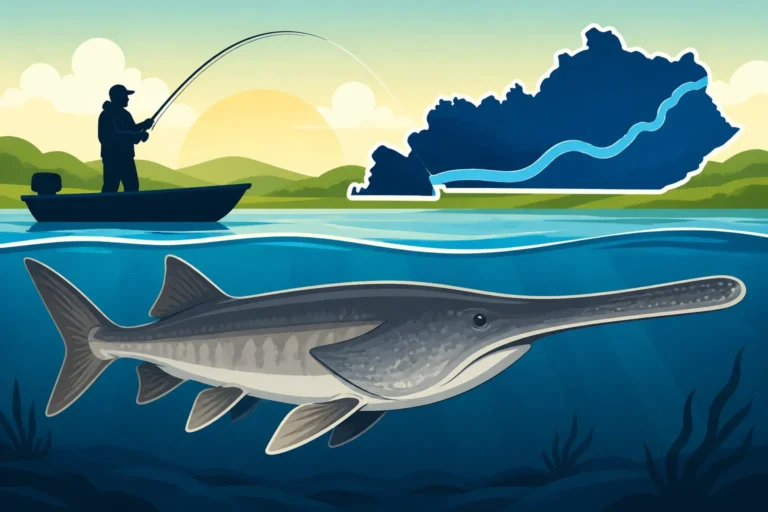
You've just had an incredible day on the water, maybe out on the Ohio River, and you've managed to snag one of Kentucky's most unique and impressive fish: a paddlefish. Now the big question pops up, the one that often makes anglers pause when they catch something a little out of the ordinary: "Is this thing good to eat?" It's a completely fair question, especially since paddlefish don't look like your typical bass or crappie. This guide is here to tell you definitively that not only is paddlefish absolutely delicious, but it's considered a delicacy by many, and we'll dive into why and how to make the most of your catch.
The Delicious Truth About Paddlefish as Table Fare
Let's cut right to the chase: Yes, paddlefish is incredibly good to eat! For those unfamiliar, it might seem intimidating with its long paddle-like snout and prehistoric appearance, but underneath that unique exterior lies some of the finest freshwater meat you can find. Many seasoned anglers consider paddlefish to be superior to some more commonly sought-after species, often comparing its texture and flavor to a blend of swordfish and sturgeon. If you've ever been skeptical, prepare to have your mind changed!
One of the greatest advantages of paddlefish is its unique skeletal structure. Unlike most fish, paddlefish have no bones – their entire skeleton is made of cartilage. This makes preparing the fish a dream, as you don't have to worry about tiny pin bones or navigating around a complex bone structure when filleting or portioning. It's truly a game-changer for anyone who's ever struggled with deboning a fish. Plus, this cartilaginous nature means you can even fry some of the smaller, softer cartilage pieces for a unique, crispy treat!
Flavor Profile and Texture: A Culinary Delight
When we talk about the flavor of paddlefish, we're discussing a truly premium experience. The meat is remarkably clean, mild, and has almost no "fishy" taste whatsoever, which is often a top concern for those who might be hesitant about trying new aquatic fare. Instead, you'll find a rich, slightly sweet flavor that really shines through.
The texture is equally impressive. Paddlefish meat is firm, flaky, and has a dense, steak-like quality, similar to what you might expect from a swordfish or even scallops. It holds up exceptionally well to various cooking methods without falling apart, making it versatile for everything from grilling to frying. Imagine a robust piece of white fish that can stand up to bold flavors and still maintain its integrity on your plate. This firm texture is why many people who love fish, but dislike the mushier varieties, become instant fans of paddlefish. It truly feels like a substantial, hearty meal.
Nutritional Benefits of Paddlefish
Beyond its fantastic taste and texture, paddlefish is also a nutritional powerhouse. Like many wild-caught fish, it's an excellent source of lean protein, which is essential for muscle repair and overall bodily functions. You're getting a lot of bang for your buck in terms of protein without a lot of added fat.
Furthermore, paddlefish are rich in beneficial omega-3 fatty acids. These "good fats" are crucial for heart health, brain function, and reducing inflammation throughout the body. Incorporating more omega-3s into your diet is something many health professionals recommend, and catching your own paddlefish is a fantastic way to do it. You're not just enjoying a delicious meal; you're nourishing your body with high-quality nutrients from a natural source.
Preparing Paddlefish for the Plate
Once you've landed your paddlefish, the next step is getting it ready for the kitchen. Because of its unique cartilaginous structure, the preparation process is a bit different from your typical finfish, but in many ways, it's actually simpler and more rewarding. You'll quickly see why anglers who regularly target these fish consider them such a prize for the dinner table. If you're looking for more guidance on catching them, check out our Paddlefish Fishing on the Ohio River: A Complete Guide.
Handling and Butchering Considerations
The first thing to remember when handling a paddlefish is its size. These can be big fish! Be prepared with a large cooler or plenty of ice to keep your catch fresh. Once it's landed, you'll want to dispatch it quickly and humanely.
When it comes to butchering, the lack of bones is a huge advantage. You won't be filleting it in the traditional sense, trying to cut around a spine and ribs. Instead, you'll be dealing with thick, boneless "steaks" of meat.
- Bleeding and Icing: Like any fish you plan to eat, bleeding the paddlefish immediately after catching it helps improve the flavor and preservation of the meat. Submerge it in an ice bath right away to cool it down.
- Skinning: The skin of a paddlefish is tough and not typically eaten. You'll need a sharp knife, and often a pair of pliers, to remove it. Start with a cut behind the head and work your way down. It's a bit like skinning a catfish in terms of effort, but once it's off, you're left with beautiful, clean meat.
- Portioning: After skinning, you'll notice the distinct, firm flesh. You can cut the meat into large steaks or chunks. The cartilage spine is easily cut through with a strong knife or even a cleaver, allowing you to create perfect, boneless portions for your meals. Don't forget, even some of the larger cartilage pieces can be boiled down for stock or even fried up if they're clean and free of meat, offering a unique texture.
Consider having a robust cutting board and a good set of sharp knives on hand. For large fish like paddlefish, a heavy-duty fillet knife or a dedicated butcher knife from a brand found on Amazon can make this task significantly easier and safer.
Popular Cooking Methods
The versatility of paddlefish is one of its most appealing qualities. Its firm, steak-like texture means it can stand up to virtually any cooking method you'd use for other robust fish or even cuts of meat.
- Grilling: This is arguably one of the most popular ways to cook paddlefish. The firm steaks hold their shape perfectly on the grill, developing a beautiful char and smoky flavor. Marinate your paddlefish steaks for an hour or two in your favorite marinade (lemon, garlic, herbs work wonderfully) or simply season with salt, pepper, and a touch of paprika. Grill over medium-high heat until flaky and cooked through.
- Frying: For those who love a crispy, golden-brown finish, frying paddlefish chunks or strips is fantastic. A simple cornmeal or flour breading works wonders. The meat remains moist and tender on the inside, providing a delightful contrast with the crunchy exterior. This method is especially popular in areas where paddlefish are frequently caught, often served as "fish and chips" or fried nuggets.
- Baking or Broiling: If you prefer a hands-off approach, baking or broiling paddlefish steaks in the oven is an excellent choice. Place the seasoned steaks on a baking sheet, perhaps with a pat of butter or a drizzle of olive oil, and bake until flaky. Broiling will give it a nice browned crust. This is a great way to let the natural flavor of the fish shine through.
- Smoking: For the adventurous cook, smoking paddlefish can elevate it to another level. The firm flesh absorbs smoke flavor beautifully, resulting in a rich, savory product that can be enjoyed hot or cold. Use a mild wood like apple or cherry to complement its delicate flavor. Smoked paddlefish can be flaked and used in dips, salads, or simply enjoyed on its own.
- Soups and Stews: Because of its firm texture, paddlefish holds together well in hearty fish stews or gumbos, infusing the broth with its mild, sweet flavor without disintegrating.
Sustainability and Regulations for Kentucky Anglers
While paddlefish is a culinary delight, it's also a unique and important species in Kentucky's waterways. Responsible fishing practices are paramount to ensuring these magnificent fish remain healthy and abundant for future generations. Knowing and adhering to the specific regulations set forth by the state is not just a suggestion, it's a legal and ethical obligation. For a general overview of all fishing rules, you can always consult our Kentucky Fishing Regulations Explained guide.
Kentucky Regulations and Limits
Paddlefish are a highly regulated species in Kentucky, and for good reason. Their unique life cycle and value mean that specific rules are in place to manage their populations. Unlike many other game fish that can be caught with traditional rod and reel, paddlefish in Kentucky are primarily harvested by snagging, especially during specific seasons. This method is carefully controlled.
It is absolutely crucial to be aware of the daily limits, possession limits, and any size restrictions that might be in place for paddlefish. These regulations can vary by body of water and might even be subject to seasonal changes. For instance, fishing for paddlefish often occurs on larger rivers like the Ohio River, and there are sometimes specific rules for shared waters, like what you might find when Ohio Anglers Fishing in Kentucky Waters. Always check the most current Kentucky Department of Fish and Wildlife Resources regulations before heading out. Violations can lead to significant penalties, so it's far better to be informed.
Make sure you understand the difference between a general fishing license and any specific permits that might be required for snagging paddlefish. For example, you might be asking yourself, Do You Need a Special Permit to Snag Paddlefish in Kentucky?, and the answer is usually yes, a specific permit is often required in addition to your standard fishing license.
Ethical Harvesting and Conservation
As anglers, we have a responsibility to be stewards of our natural resources. When targeting paddlefish, this means not only following the letter of the law but also embracing ethical harvesting practices.
- Respecting Limits: Adhere strictly to catch and possession limits. These limits are set based on scientific data to maintain healthy fish populations. Taking more than your fair share can have a detrimental impact on the species.
- Minimizing Waste: If you are legally snagging paddlefish, commit to utilizing your catch. Don't waste any part of the fish that can be eaten or used. This goes back to the notion that paddlefish is a prized food source; treat it as such.
- Understanding the Species: Learn about the paddlefish's life cycle, habitat, and why these regulations are in place. The more you know, the more you'll appreciate the importance of conservation. You might find our Paddlefish Size and Growth on the Ohio River article particularly insightful.
- Reporting Violations: If you witness illegal fishing activities, report them to the authorities. It's everyone's duty to protect these valuable resources. Game wardens frequently perform Game Warden Enforcement and License Checks While Fishing, so always be prepared to show your license and adhere to rules.
By practicing responsible angling, you're helping to ensure that the thrill of catching and the joy of eating paddlefish can be experienced by generations of Kentucky anglers to come.
Recipes and Serving Suggestions for Your Paddlefish Catch
Okay, you've caught your paddlefish, processed it beautifully, and now you're ready to transform it into a magnificent meal. Given its mild flavor and firm texture, paddlefish is a blank canvas for a wide array of culinary creations. You're going to love experimenting with this versatile fish!
Simple Recipes to Get Started
For first-timers, or anyone who just appreciates showcasing the natural flavor of the fish, starting simple is always a good idea.
- Grilled Lemon-Herb Paddlefish Steaks:
- Ingredients: Paddlefish steaks (1-inch thick), olive oil, fresh lemon juice, minced garlic, chopped fresh parsley or dill, salt, black pepper.
- Instructions: Pat fish dry. In a bowl, whisk together olive oil, lemon juice, garlic, and herbs. Place paddlefish steaks in a shallow dish and pour marinade over them, ensuring they are well coated. Marinate for 30 minutes to 1 hour (no longer, as lemon juice can start to "cook" the fish). Preheat grill to medium-high heat. Season steaks with salt and pepper. Grill for 4-6 minutes per side, or until the fish flakes easily with a fork. Serve immediately with extra lemon wedges. This method really highlights the firm, mild nature of the fish.
- Crispy Pan-Fried Paddlefish Nuggets:
- Ingredients: Paddlefish chunks (1-2 inches), all-purpose flour or cornmeal, seasoning blend (e.g., Cajun seasoning, lemon pepper, or a simple salt and pepper mix), eggs (beaten), vegetable oil for frying.
- Instructions: Set up a breading station: one shallow dish with seasoned flour/cornmeal, another with beaten eggs. Dip each paddlefish chunk into the egg, then dredge thoroughly in the seasoned flour/cornmeal, shaking off excess. Heat about an inch of vegetable oil in a heavy-bottomed skillet over medium-high heat until shimmering. Carefully place nuggets in the hot oil, ensuring not to overcrowd the pan. Fry for 3-4 minutes per side, or until golden brown and cooked through. Remove with a slotted spoon and place on a wire rack lined with paper towels to drain excess oil. Serve with tartar sauce, hot sauce, or your favorite dipping sauce. This is a fantastic, kid-friendly option!
For these recipes, having the right kitchen tools makes all the difference. Things like a good meat thermometer to ensure proper cooking, a reliable set of tongs for the grill, or a sturdy cast-iron skillet can easily be found and ordered online from retailers like Amazon.
Pairing Flavors: What Goes Well With Paddlefish
Because paddlefish has such a mild and clean flavor profile, it's incredibly versatile and pairs well with a wide variety of accompaniments. You can go simple or get a little more adventurous!
- Citrus: Lemon and lime are classic pairings for white fish. A squeeze of fresh citrus brightens the flavor and adds a zesty kick.
- Herbs: Fresh herbs like parsley, dill, chives, cilantro, and thyme all complement paddlefish beautifully. They add freshness and depth without overpowering the delicate taste of the fish.
- Spices: Mild spices like paprika, garlic powder, onion powder, and white pepper work well. For a bolder flavor, consider a touch of cayenne, smoked paprika, or a good Cajun seasoning blend.
- Sauces: Tartar sauce is always a winner for fried fish. Beyond that, consider a light butter-garlic sauce, a creamy dill sauce, or even a fresh salsa (pico de gallo or a mango salsa) for a vibrant contrast.
- Vegetables: Roasted asparagus, grilled zucchini, steamed green beans, or a fresh garden salad are perfect alongside paddlefish. The lightness of the vegetables complements the richness of the fish.
- Starches: Wild rice, roasted potatoes, couscous, or a classic baked potato are great choices to round out the meal. The firm texture of paddlefish also makes it a great candidate for fish tacos, served in warm tortillas with crunchy slaw and a drizzle of crema.
Experiment! The best part about cooking a fresh catch like paddlefish is discovering your own favorite combinations. With its impressive flavor and texture, you're in for a real treat.
Disclaimer
This article is for general informational purposes only and does not constitute professional advice. Laws, prices and regulations vary by location and change over time. Consult a qualified professional for guidance on your specific situation.